Navigating Indiana’s Statute of Limitations for Medical Malpractice

Medical malpractice claims can be daunting, not only due to the intricate nature of the medical procedures involved but also the legal complexities that abound. Particularly in Indiana, understanding the statute of limitations for these claims is imperative. This blog will help guide you through the labyrinth of Indiana’s specific rules and timelines related to medical malpractice claims.

Our goal is to arm you with the knowledge necessary to protect your rights and navigate the legal waters with confidence. Whether you are a patient who feels they’ve been wronged or a medical malpractice lawyer seeking clarity, stick with us to unravel the nuances of Indiana’s statute of limitations for medical malpractice.

Call 317-881-2700 to Speak With a Medical Malpractice Lawyer Near Indianapolis

Statute of Limitations Definition

Before delving into Indiana’s specifics, let’s first understand the term ‘statute of limitations.’ Simply put, it is a legal time limit within which you can file a lawsuit. Every state has its own set of rules and timelines for different types of cases, including medical malpractice claims. These laws are in place to ensure that cases are brought forward in a timely manner, and evidence is still fresh and obtainable.

Indiana’s Statute of Limitations for Medical Malpractice Claims

In Indiana, the statute of limitations for medical malpractice claims is normally two years from the date the alleged malpractice occurred. This means you have two years to file a lawsuit against the healthcare provider responsible for your injuries. However, there are exceptions to this rule that could extend or shorten the time limit.

Exceptions to Indiana’s Two-Year Rule

Discovery Rule: If you discover the medical malpractice after the two-year deadline has passed, you may still have a case. The discovery rule applies in situations where the injury was not discovered immediately but rather, later on when symptoms arise. In these cases, the two-year clock starts ticking from the date you discovered or reasonably should have discovered the malpractice.

Continuous Treatment: If you were undergoing continuous medical treatment from the same healthcare provider for your initial injury, the statute of limitations may be extended to three years from the last date of treatment. This exception can also apply if the continuous treatment was for a related condition or injury.

Minor Children: In personal injury cases involving minor children, the statute of limitations does not begin until the child turns 6 years old. So, if your child was injured due to medical malpractice at the age of 2, you normally have until they turn 8 to file a lawsuit.

Foreign Objects: If a foreign object (such as a surgical sponge) is left inside a patient’s body during surgery, the statute of limitations does not start until the object is discovered or should have been discovered.

Statute of Repose

In addition to the two-year and exception rules, Indiana also has a statute of repose that could impact your medical malpractice claim. The statute of repose sets an absolute deadline for filing a lawsuit, regardless of any exceptions. In Indiana, the statute of repose for medical malpractice claims is seven years from the date of the alleged malpractice, but every case needs to be looked at individually.

Why It’s Important to Adhere to Indiana’s Statute of Limitations

Failing to adhere to Indiana’s statute of limitations can result in your case being dismissed without ever being heard. This means you may lose your right to seek compensation for your injuries and damages. It is essential to consult with a medical malpractice lawyer as soon as possible if you believe you have a case.

Key Takeaway

Navigating Indiana’s statute of limitations for medical malpractice claims can be challenging, but understanding the rules is crucial. The key takeaway is that the deadline to file a lawsuit is typically two years from the date of the alleged malpractice, but exceptions may apply. To ensure your rights are protected and you have the best chance at a successful outcome, it’s crucial to seek legal advice as soon as possible.

Don’t let Indiana’s statute of limitations be a roadblock in your pursuit of justice for medical malpractice. Choose the Law Firm of Craven, Hoover, and Blazek P.C. for expert personal injury representation for medical malpractice claims in Indianapolis, Indiana. Contact us at 317-881-2700 to schedule a free initial consultation with a seasoned accident attorney who can provide all the information you need to move forward from your injury. We represent injured victims throughout Indiana, including Indiana residents injured or killed in other states.

Related Posts:

Is a Misdiagnosis Considered Medical Malpractice?
What to Expect from a Medical Malpractice Lawsuit in Indiana
Do I Have a Valid Medical Malpractice Claim?

Medical Insights: The Difference Maker in Personal Injury Cases

When it comes to personal injury cases, the difference between a favorable outcome and a disappointing one often hinges on the insights provided by medical experts. Their expertise and understanding of complex health conditions can be instrumental in shedding light on the nature and impact of injuries sustained.

In this blog post, we’ll delve into how medical experts contribute to personal injury cases, the importance of their expert testimony, and why their knowledge can be the decisive factor in reaching a fair and just resolution.

Call 317-881-2700 When You Need a Personal Injury Law Firm Near Indianapolis

The Role of Medical Experts in Personal Injury Cases

Personal injury cases involve legal disputes arising from accidents or incidents that have caused harm to an individual’s physical and/or mental well-being. These injuries can range from minor cuts and bruises to severe disabilities or even death. In such cases, medical experts play a crucial role in providing the necessary knowledge and evidence to support the plaintiff’s claims.

The first step towards seeking compensation for personal injuries is establishing proof of harm. This requires demonstrating that the injuries sustained were a result of the incident in question. Here, medical experts can provide invaluable insights by examining the patient’s medical history, conducting thorough physical exams, and reviewing diagnostic tests. Their findings help establish a clear link between the accident and the resulting injuries, providing a solid foundation for the case.

The Importance of Expert Testimony

In personal injury cases, expert testimony is often the most important form of evidence. It involves medical experts taking the stand and giving their professional opinions on matters such as causation, severity of injuries, and long-term effects. This testimony can be crucial in helping judges and jurors understand complex medical terms and processes that may have contributed to the injuries.

Expert testimony also helps bridge the gap between medical evidence and legal arguments. Medical experts are well-versed in presenting technical information in a manner that is easily understood by non-medical professionals. Their insights can make a significant difference in how the evidence is perceived and evaluated, potentially swaying the final decision in favor of the plaintiff.

Why Medical Knowledge Matters

In personal injury cases, medical knowledge can be the decisive factor in determining the outcome. The insights provided by medical experts can uncover hidden injuries or long-term effects that may not have been immediately apparent. This information can significantly impact the amount of compensation awarded to the plaintiff, as well as the defendant’s liability. Additionally, medical knowledge helps establish a timeline for recovery and potential ongoing treatment costs, which are essential considerations when seeking damages.

Moreover, medical insights also play a critical role in assessing non-economic damages such as pain and suffering or loss of enjoyment of life. These aspects are often challenging to quantify but can significantly impact the plaintiff’s quality of life. Medical expertise provides opinions on the severity and long-term effects of injuries, helping to assign a fair value to these intangible yet very real damages.

Conclusion

In personal injury cases, medical insights are undeniably the difference maker. The expertise and knowledge provided by medical experts can be instrumental in establishing proof of harm, providing crucial evidence in the form of expert testimony, and determining the extent of damages. As such, it is essential for plaintiffs to seek out reputable and knowledgeable medical experts to ensure that justice is served in these cases. By understanding the role and importance of medical professionals in personal injury cases, we can better appreciate their contributions towards achieving fair resolutions for those affected by accidents or incidents.

We hope this blog post has provided helpful information about medical testimony for wrongly injured victims in personal injury cases. Contact Craven, Hoover & Blazek, P.C. at 317-881-2700 to schedule a no-fee personal injury case evaluation with a seasoned accident lawyer in Indianapolis, today. Meet with us over the phone, video conference, or in person at our Indy office.

Related Posts:

Understanding the Importance of Medical Experts in Personal Injury Cases
What is Maximum Medical Improvement in a Workers’ Compensation Case?
Steps to Take Immediately After a Personal Injury Occurrence in Indiana

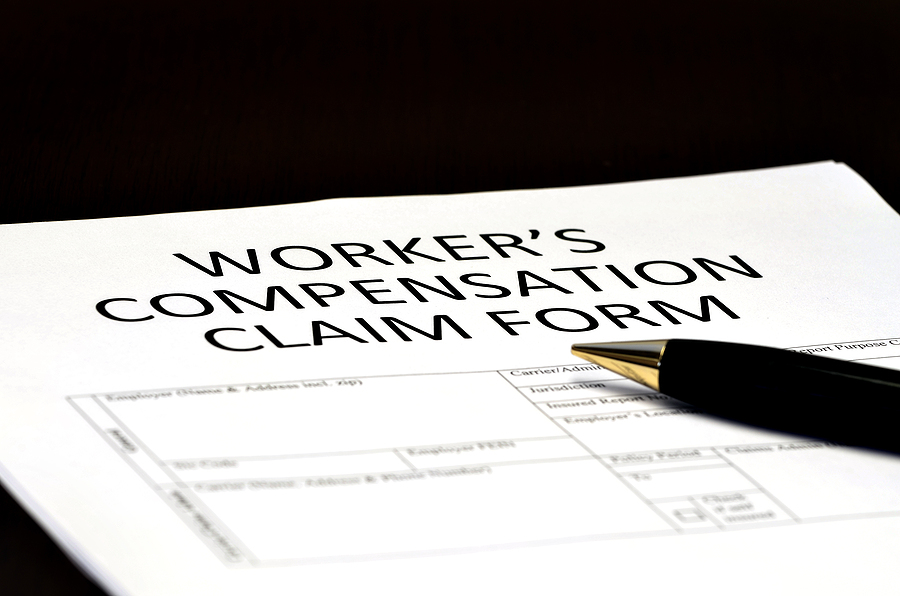
How to Successfully File a Workers’ Compensation Claim in Indiana

Workplace injuries can be a daunting experience, leaving the injured worker grappling with not only physical pain but also a labyrinth of paperwork, legalities, and procedures. The key to navigating this complex process successfully lies in understanding the rules and regulations surrounding workers’ compensation claims in Indiana.

Like Indiana, each state has set guidelines which, if followed diligently, can help ensure fair and just compensation for the injuries sustained. This blog shall guide you through the essentials of filing a workers’ compensation claim in Indiana, providing you with the necessary knowledge to secure your rightful benefits. Buckle up as we walk you through this crucial process.

Call 317-881-2700 to Speak With a Worker's Comp Lawyer in Indianapolis IN
Call 317-881-2700 to Speak With a Worker’s Comp Lawyer in Indianapolis IN

Understanding Workers’ Compensation in Indiana

Workers’ compensation is an insurance program that provides benefits to employees who suffer work-related injuries or illnesses. It serves as a safety net for workers, ensuring they receive medical treatment and financial support while recovering from their workplace injury. In the state of Indiana, workers’ compensation is governed by the Indiana Worker’s Compensation Act (IWCA), which outlines the rights and responsibilities of both employers and employees in case of a workplace injury.

Reporting a Workplace Injury

The first step in filing a workers’ compensation claim in Indiana is to report the injury to your employer. According to IWCA, employees have 30 days from the date of injury to inform their employers about the incident. However, it is best practice to report the injury immediately or as soon as possible after seeking medical attention. Failure to do so may result in denial of your claim.

Seeking Medical Attention

As an injured worker in Indiana, you are entitled to receive medical treatment from a healthcare provider chosen by your employer or their insurance company. It is essential to communicate all injuries and symptoms accurately to your doctor and inform them that the injury occurred at work. This documentation will serve as evidence for your workers’ compensation claim. 

Filing a Claim

After receiving medical treatment, you should file a claim with the Worker’s Compensation Board of Indiana. You can do this by completing and submitting Form 29109, which is available on their website. The form requires details about your injury, healthcare provider, and any lost wages or expenses incurred due to the injury. Make sure to provide all necessary information accurately to avoid any delays in processing your claim. It is recommended to consult a workers’ comp lawyer first before submitting any legal paperwork or filing any documents. They can ensure your rights are protected.

Attending Hearings

In case your claim is disputed, you may be required to attend a hearing in front of an administrative law judge. During this hearing, both parties will present their case and provide evidence to support their arguments. It is crucial to have a thorough understanding of the facts and evidence presented to make a strong case for your claim. A personal injury attorney concentrating on workers’ compensation cases can represent you during this hearing and throughout the legal process.

Potential Outcomes

After reviewing the evidence and hearing both sides, the judge will make a decision on whether to approve or deny your claim. If approved, you will receive benefits such as medical treatment coverage, temporary total disability payments, and permanent partial impairment payments if applicable. In case of a denial, you may have the option to appeal the decision. Your workplace injury attorney can also help you with the appeals process.

Conclusion

Filing a workers’ compensation claim in Indiana may seem like a daunting task, but with the right knowledge and legal support, it can be navigated successfully. Remember to report your injury promptly, seek medical attention, hire a workers’ compensation attorney, and provide accurate information when filing your workplace injury claim. We hope this blog has provided you with valuable insights into the process of filing a workers’ compensation claim in Indiana.

Are you an injured Indiana worker looking for the maximum benefits for your damages and losses? Call Craven, Hoover, and Blazek P.C. at 317-881-2700 to schedule a free case evaluation with a workers’ comp lawyer in Indianapolis, Indiana. We represent injured victims all across the state, including Indiana residents injured in other states and residents of other states injured in Indiana. We can hold meetings over the phone, at your home, online, or at the hospital if necessary.

Related Posts:

How Financial Compensation Works in Personal Injury Claims
Steps to Take After an Injury at Work
Which Injuries Qualify For Workers’ Compensation in Indiana?

Understanding Your Rights: Financial Compensation in Personal Injury Cases

Navigating the complex labyrinth of personal injury law can often be daunting and overwhelming. The intricacies of financial compensation and settlement procedures can leave anyone confused and anxious, especially when they are already grappling with physical pain and emotional distress.

This blog post will help to demystify these complexities, providing you with a comprehensive understanding of your rights in personal injury cases. As we delve into the world of personal injury compensation, we will shed light on crucial aspects of settlements and guide you on your path to justice.

Call 317-881-2700 to Speak With Personal Injury Attorneys Near Indianapolis IN

Personal Injury Law: What Is It?

Personal injury law, also referred to as tort law, is a branch of civil law that deals with legal disputes arising from incidents where one person suffers physical or emotional harm due to the negligence, recklessness, or intentional actions of another individual or entity. These injuries can occur in a variety of settings, including car accidents, slip and falls, medical malpractice, and workplace accidents. The primary purpose of tort law is to hold the responsible parties accountable for their actions and provide compensation to the victim for their losses and damages.

Types of Personal Injury Compensation

When it comes to personal injury cases, financial compensation or settlement is one of the most crucial aspects. There are two main types of personal injury compensation: economic and non-economic.

Economic Compensation

Economic compensation, also known as special damages or compensatory damages, refers to the tangible and quantifiable losses suffered by the victim. These may include medical expenses, lost wages, property damage, and other out-of-pocket costs incurred due to the injury. In most cases, economic compensation is relatively straightforward to calculate as it involves adding up all of the actual expenses incurred by the victim.

Non-Economic Compensation

Non-economic compensation, also known as general damages or non-compensatory damages, refers to the intangible losses suffered by the victim. These may include pain and suffering, emotional distress, loss of enjoyment of life, and loss of consortium for family members. Unlike economic compensation, determining non-economic compensation can be challenging as it involves assigning a monetary value to subjective experiences.

Settlements: What You Need to Know

A settlement is a resolution reached between the two parties involved in a legal dispute without going to trial. In personal injury cases, settlements are typically negotiated by the victim’s lawyer and the defendant’s insurance company. If both parties can agree on an amount, the case will be closed, and the victim will receive their compensation.

Advantages of Personal Injury Settlements

Settlements can have several advantages for both parties involved in a personal injury case. For the victim, settling means receiving compensation quicker and avoiding the stress and uncertainty of a trial. Settling also allows the victim to have more control over the outcome, as they can negotiate with the defendant’s insurance company directly.

Disadvantages of Accident Settlements

While settlements can be beneficial, they may not always result in the best outcome for the victim. Insurance companies often try to settle for lower amounts than what victims are entitled to, which means that the victim may not receive full and fair compensation.

Your Rights in a Personal Injury Case

As a victim of a personal injury case, you have certain rights that are protected by law. These include the right to seek legal representation, the right to receive fair compensation for your losses if a jury determines you are so entitled, and the right to refuse a settlement that does not adequately cover your damages. It is essential to understand these rights and exercise them throughout the legal process.

Seeking Legal Help

Navigating personal injury law can be challenging on your own, especially when dealing with injuries and other difficulties. It is crucial to seek legal help from a reputable personal injury lawyer in Indianapolis who has experience and expertise in handling cases similar to yours. A skilled accident lawyer will not only guide you through the complexities of the legal system but also ensure that your rights are protected and that you receive fair and just compensation for your losses.

Conclusion

Personal injury law can be complex, but understanding your rights in financial compensation and settlements is crucial for achieving justice. With this blog post, we hope to have provided you with a better understanding of personal injury law and the importance of seeking legal help. Remember, as a victim, you have the right to seek fair compensation for your losses, and with the right legal support, you can navigate this challenging process with confidence.

If you or a loved one was recently injured in an accident and has since suffered monetary damages, we can help you recover financially. Contact the Law Office of Craven, Hoover, and Blazek P.C. at 317-881-2700 to schedule a free consultation with our experienced personal injury attorneys in Indianapolis, Indiana. We also represent injured victims all across the state and Indiana residents injured in other states. No need to travel if you are unable to, as we can hold meetings over the phone, at your home, online, or at the hospital.

Related Posts:

FAQS Regarding Personal Injury Settlements
Are Personal Injury Lawyers Expensive?
5 Simple Steps to Claiming Compensation For a Personal Injury Accident

Steps to Take Immediately After a Personal Injury Occurrence in Indiana

Being the victim of a personal injury is an unnerving experience, and knowing what steps to take immediately after can be equally daunting. This blog aims to guide you through the process in the state of Indiana. We will demystify the complexities of personal injury law, shed light on how to find the right personal injury lawyer, and guide you on how to initiate a personal injury claim.

Understanding these steps will empower you to take control of the situation, ensuring your rights are protected, and you receive the necessary compensation to cover any medical bills, lost wages and pain and suffering.

Call 317-881-2700 to Speak With Our Indianapolis Personal Injury Legal Team

Personal Injury Law in Indiana

Before diving into the steps to take after a personal injury occurrence, it’s crucial to understand personal injury law in Indiana – also known as tort law. In simple terms, personal injury law involves cases where an individual has been injured due to the negligence of another person or entity. This can include car accidents, slip and falls, medical malpractice, and more. The state of Indiana follows the comparative fault rule, which means that if you are found to be partially at fault for the injury, your compensation will be reduced by your percentage of fault. If you are more than 50%, you cannot recover anything.  Therefore, it’s essential to gather evidence and prove the other party’s negligence to ensure maximum compensation.

The Role of Negligence in a Personal Injury Claim

As mentioned, proving the other party’s negligence is crucial in a personal injury claim. This means showing that they had a duty of care towards you, and their actions or lack thereof breached that duty, resulting in your injuries. In Indiana, there is a statute of limitations of two years for most personal injury claims. This means that if you do not file your claim within two years from the date of the injury, you may lose your chance to seek compensation.

In some cases in Indiana, if you do not do certain things within just a few months, you can lose your claim. That’s why it’s crucial to take immediate action after a personal injury occurrence.  In addition, you should hire an attorney as fast as you can following your auto collision or trip and fall as evidence will disappear starting the moment after the incident.

How to Prove Negligence in a Personal Injury Lawsuit

To prove negligence, you will need to gather evidence such as witness statements, medical records, photos of the accident scene, and any other relevant documentation. It’s also crucial to seek immediate medical attention after a personal injury accident. Not only is this vital for your health, but it also serves as evidence in your claim. Additionally, keep track of all medical expenses and any lost wages due to the injury. This will help calculate the compensation you are entitled to.

Finding the Right Personal Injury Lawyer

After having a personal injury, finding the right lawyer can make a significant difference in the outcome of your case. It’s crucial to find a civil litigator who concentrates on personal injury law and has experience handling cases similar to yours. Additionally, consider their track record and success rate as it can give you an indication of their capabilities. Most attorneys offer free consultations, so take advantage of this opportunity to discuss your case and see if they are the right fit for you.

Initiating a Personal Injury Claim

Once you have found the right personal injury lawyer, they will help you initiate a personal injury claim. The first step is to gather all evidence related to your case, including medical records, police reports, witness statements, and any other relevant documentation. After you have finished your medical care or at a minimum stabilized with your on-going medical care needs, your lawyer will then draft a demand letter outlining the damages you are seeking and send it to the responsible party. From there, negotiations will take place, and if a settlement cannot be reached, your lawyer will file a lawsuit on your behalf. The legal process can be lengthy, but having a skilled personal injury lawyer by your side can make all the difference in securing fair compensation.

Conclusion

Suffering a personal injury can be overwhelming, but knowing what steps to take immediately after can make a significant difference in the outcome of your case. Understanding personal injury law in Indiana, finding the right lawyer, and initiating a personal injury claim are essential elements for a successful resolution.

Remember to stay informed and take control of your situation to ensure that you receive fair compensation for your injuries.  With the right knowledge and support, you can navigate through the complexities of personal injury law in Indiana and receive the justice and compensation you deserve.  So don’t hesitate to take these necessary steps after a personal injury occurrence for your own peace of mind.  Stay safe!

As always, we hope this information has been helpful. If you ever need assistance with a personal injury claim in Indiana, our team of experienced personal injury lawyers is here to help. Contact Craven, Hoover, and Blazek P.C. at 317-881-2700 for a free initial consultation, and let us guide you through the legal process. Your well-being and rights are our top priority.

Related Posts:

Understanding Legal Causation in Personal Injury Cases
When Should I Contact a Personal Injury Attorney?
What Happens When a Defendant’s or Your Insurance Company Refuses to Pay?

The Invisible Wounds: Life After a Brain Injury

Traumatic brain injuries (TBIs) are often called “invisible wounds” for their ability to deeply impact a person’s life while remaining unseen to the outside world. Like an iceberg lurking beneath the surface, the true depth and impact of these injuries often remain hidden, making them one of the most misunderstood and under-diagnosed conditions.

This blog post aims to shed light on the reality of living with a brain injury, the ongoing struggles faced by survivors, and how a brain injury lawyer can provide much-needed support and guidance during the recovery and legal process. Join us as we dive into the unseen world of traumatic brain injuries, and together, let’s give voice to the invisible wounds and those who suffer from them.

Call 317-881-2700 to Speak With a TBI Lawyer in Indianapolis Indiana

The Unseen Consequences of a Brain Injury

While many brain injuries are caused by significant events, such as car accidents, falls, or sports-related incidents, others can occur from everyday activities like a slip and fall or hitting your head on a cabinet. Despite their varying causes, the consequences of a TBI can be devastating and long-lasting. From physical impairments to cognitive challenges and emotional struggles, the impact of a brain injury can be far-reaching and often hidden from plain sight.

Physical Impairments

One of the most obvious consequences of a brain injury is physical impairment. Depending on the severity and location of the injury, individuals may experience motor function issues, such as balance problems, muscle weakness, vision issues or loss of coordination. These impairments can make it challenging to perform everyday tasks and can significantly impact a person’s independence and quality of life.

Cognitive Challenges

In addition to physical impairments, brain injuries can also cause cognitive challenges that affect memory, attention, and problem-solving abilities. This can make it difficult for individuals to plan, organize, or carry out tasks, leading to frustration and feelings of helplessness. These invisible wounds can also cause difficulties with communication, making it challenging to express thoughts and emotions effectively.

Emotional Struggles

The emotional impact of a brain injury is often overlooked but can be one of the most significant challenges faced by survivors. The changes in physical and cognitive abilities, coupled with the frustration and isolation that often accompany a brain injury, can lead to depression, anxiety, and other mental health issues. These invisible wounds can also cause changes in personality, making it difficult for loved ones to understand and adjust to the “new” person their loved one has become.

Life After Suffering a Traumatic Brain Injury

Living with a brain injury is a journey that involves adapting to new challenges and finding ways to navigate a changed world. This process can be overwhelming, frustrating, and at times, seem never-ending. Survivors may also face financial strains as they deal with medical expenses, loss of income, and ongoing rehabilitation costs. This is where a brain injury lawyer can provide much-needed support and guidance.

How a Brain Injury Lawyer Can Help

Navigating the legal system while dealing with a brain injury can be daunting. A brain injury lawyer can help survivors and their families by providing legal expertise, support, and compassion during these difficult times. They can assist with filing insurance claims, negotiating settlements, and seeking compensation for medical expenses, lost wages, pain and suffering, and other damages. A brain injury lawyer understands the complexities of these cases and can advocate for the rights of survivors to ensure they receive the compensation they deserve.

Giving Voice to the Invisible Wounds

Brain and head injuries may be invisible, but their impact is real and should not be overlooked or underestimated. By raising awareness and understanding of these unseen wounds, we can support survivors in their journey to adapt, overcome challenges, and live fulfilling lives. If you or a loved one has experienced a brain injury, don’t suffer in silence.

Seek support and guidance from a brain injury lawyer who can help give voice to your invisible wounds and fight for the justice and compensation you deserve. Remember, you are not alone, and your unseen struggles are valid. Let’s continue to raise awareness, educate others, and break the stigma surrounding brain injuries.

Would you like to speak with an experienced personal injury litigator who is well-versed in head and brain injury claims? Well, you can without any upfront financial obligations! Just contact the Law Office of Craven, Hoover, and Blazek P.C. at 317-881-2700 to schedule a free consultation with a licensed brain injury lawyer in Indianapolis. We represent victims all throughout the state of Indiana, residents of other states injured in Indiana and Indiana residents injured in other states.

Related Posts:

Common Damages Awarded for Traumatic Brain Injury Accidents
How to Obtain Justice After a Loved One Suffers a Wrongful Brain Injury
How to Get Help With Your Minor Traumatic Brain Injury (MTBI) Claim

Navigating the Legal Terrain: Dog Bite Claims in Indiana

Dog bites can lead to serious injuries and emotional trauma. When such an unfortunate incident occurs, knowing the legal landscape can be crucial. Welcome to our dive into the world of dog bite claims in Indiana.

This comprehensive guide aims to equip victims and their families with the necessary knowledge to navigate the legal terrain in the aftermath of a dog attack. Whether you’re considering a dog bite lawsuit, seeking the assistance of a dog bite lawyer, or just trying to understand your rights, this post aims to be a valuable resource for you. Join us as we explore the intricacies of dog bite claims in the Hoosier State.

Call 317-881-2700 to Speak With a Dog Bite Attorney Near Indianapolis

Understanding Indiana’s Dog Bite Laws

Each state in the US has its own set of laws governing dog bites, and Indiana is no exception. The Hoosier State follows, in general, a negligence liability rule when it comes to dog bite claims. This means that dog owners are held responsible for any injuries or damages caused by their dogs if they knew about the dog’s aggressive tendencies. Breed of dog can also play a factor.

Additionally, Indiana does not have a specific statute addressing dog bites in most scenarios. Instead, it falls under the state’s general negligence laws. As such, victims must prove that the dog owner was negligent in handling their dog, resulting in the injury. This could include proving that the owner failed to properly restrain or control their dog or failed to warn others of their dog’s aggressive behaviors.  Some cities and counties or other municipalities do have their own dog bite laws in some circumstances though.

The Importance of Seeking Legal Representation

Navigating the legal terrain of a dog bite claim can be complicated and overwhelming, especially for those who have suffered physical and emotional trauma. In such cases, seeking the assistance of an Indianapolis dog bite lawyer is crucial. An experienced attorney in this field will help victims understand their rights and guide them through the legal process, from filing a claim to negotiating a settlement and representing them in court.

Moreover, having legal representation can also increase the chances of receiving full and fair compensation for damages such as hospital bills, medical expenses, lost wages, and pain and suffering. A knowledgeable dog bite attorney will be able to assess the extent of the damages and fight for the maximum compensation that the victim is entitled to under Indiana law.

Time Limitations for Filing a Dog Bite Lawsuit

It’s important to note that there are time limitations for filing a dog bite lawsuit in Indiana. According to Indiana Code section 34-11-2-4, victims have two years from the date of the incident to file a personal injury claim. If the lawsuit is filed after this time period, it is likely that the court will dismiss the case but again, all cases are fact specific.

However, there are exceptions to this statute of limitations. For instance, if the victim is a minor or was incapacitated at the time of the attack, then the two-year time period may be extended. Additionally, if the dog’s owner was charged with a crime related to the attack, then the victim may have up to six years to file a civil claim.

Final Thoughts

Dog bites cause physical injuries, emotional trauma, and financial strain. As such, it is important for victims to understand their rights and options when it comes to seeking compensation for damages. If you or a loved one has been a victim of a dog bite in Indiana, it is crucial to seek legal representation and guidance from an experienced dog bite lawyer in Indianapolis as soon as possible. By understanding the Indiana dog bite laws and seeking the necessary assistance, victims can navigate the legal terrain and obtain the justice they deserve. Stay informed and stay safe!  So, always be vigilant when dealing with dogs, especially unknown ones.

Would you like to learn more about your rights to pursing compensation after being attacked or bitten by a canine? Contact the Law Office of Craven, Hoover, and Blazek P.C. at 317-881-2700 to speak with an experienced dog bite attorney in Indianapolis. We represent injured victims all across the state, Indiana residents injured in other states and residents of other states injured in Indiana. In addition, we offer the option to hold meetings either by phone, at your residence, online, or at the hospital if necessary.

Related Posts:

How to Claim Compensation After a Dog Attack
The Legal Implications of Owning a Dog That Bites Someone
Does Indiana Use the “One Bite” Rule for Dog Bite Accidents?

Motorcycle Accidents: The Impact and How to Recover

Motorcycle accidents are a harsh reality of modern transportation, often resulting in severe, life-altering injuries. These accidents can leave victims in a state of shock, grappling with unforeseen physical, emotional, and financial challenges.

In this blog post, we will explore the daunting journey that commences following a motorcycle accident. We endeavor to provide valuable insight into the impacts of such accidents and to guide you through the process of recovery. We’ll also discuss the critical role of a personal injury lawyer in helping victims navigate through their legal rights and compensation claims. Let’s get started.

Call 317-881-2700 to Speak With a Motorcycle Accident Lawyer Near Indianapolis

The Impact of Motorcycle Accidents

Every year, thousands of motorcycle accidents occur on roads across the United States and the world. These accidents result in a wide range of injuries, from minor bruises to severe head trauma and spinal cord injuries. Unfortunately, due to the lack of protection that motorcycles offer compared to other vehicles, riders are more vulnerable to serious injuries or fatalities in a motorcycle accident. Furthermore, the speeds involved in these accidents can cause extensive damage to the motorcycle and other vehicles on the road, adding to the overall cost of the accident.

Physical and Emotional Toll

The physical injuries sustained in a motorcycle accident can be devastating and often require extensive medical treatment and rehabilitation. These injuries not only impact victims physically but also emotionally as they struggle with pain, trauma, and the limitations of their injuries. They may also experience emotional distress from financial burdens resulting from medical bills, loss of income, and other expenses. The road to recovery can be a long and difficult one for motorcycle accident victims and yes, their spouses.

Financial Burdens

Apart from the immediate impact on physical and emotional well-being, motorbike accidents can also have significant financial consequences. Medical bills, loss of income, and other expenses can add up quickly and leave victims in a dire financial situation. In some cases, the injuries sustained may result in long-term or permanent disabilities that affect victims’ ability to work and earn an income. These financial burdens only add to the stress and challenges faced by motorcycle accident victims.

Recovering from a Motorcycle Accident

The journey towards recovery following a motorbike auto accident can be overwhelming and complex. It involves seeking medical treatment, navigating insurance claims, and dealing with legal matters while trying to heal from physical injuries and emotional trauma. It is crucial for victims to understand their rights and the options available to them in terms of compensation for their losses.

The Role of a Personal Injury Lawyer

Navigating through the aftermath of a motorcycle accident can be a daunting task, especially when dealing with legal matters. This is where a personal injury lawyer can provide invaluable assistance. A skilled and experienced motorcycle accident lawyer can help victims understand their rights, gather evidence, negotiate with insurance companies, and seek fair compensation for their losses. They have the expertise to handle complex legal procedures and help ensure that victims receive the justice they deserve.

Conclusion

Motorcycle accidents can have a profound impact on victims, both physically and emotionally. The journey towards recovery from such accidents can be challenging, but it is essential to seek the necessary support and guidance during this time. An Indianapolis motorcycle accident attorney can be a valuable ally in navigating through legal matters and securing fair compensation for losses. If you or someone you know has been involved in a motorcycle accident, it is crucial to seek legal assistance to ensure that your rights are protected and your recovery is prioritized. Remember, you do not have to face this difficult journey alone.  So, make sure to reach out to a trusted personal injury lawyer for support and guidance.

Were you or a loved one recently injured on motorcycle due to another’s negligence? Contact the Law Office of Craven, Hoover, and Blazek P.C. at 317-881-2700 to schedule a free case evaluation with a seasoned motorcycle accident lawyer in Indianapolis, Indiana. Meet with us over the phone or online video conference, or in person at our Indy office. We can also meet at your place of inpatient medical treatment. We do not require any upfront lawyer fees, and only get paid if we recover a settlement or an award for you.

Related Posts:

10 Crucial Tips for Dealing with a Motorcycle Accident Claim Process
Possible Damages Awarded in a Motorcycle Accident Lawsuit
Motorcycle Accident Claim and Safety Tips

Legal and Health Measures to Take After Being Victimized in an Impaired Driving Incident

Being wrongly injured in a drunk driving accident can be a harrowing encounter, leaving victims to navigate the challenging aftermath, both legally and health-wise. This blog post endeavors to provide enlightening insights on the pivotal steps you should take after falling victim to an impaired driver. From seeking legal recourse with the help of an Indianapolis personal injury lawyer to addressing the immediate health implications and the process of recovery, we hope to help guide you through this tumultuous journey.

Understanding your rights and the resources available to you as a victim of a wrongful pedestrian or car accident can make a significant difference as you seek justice against the drunk driver responsible for the incident. Continue reading to learn more.

Call 317-881-2700 to Speak With a Drunk Driving Accident Attorney in Indianapolis

What To Do Directly After a Car Accident

The moments immediately following a car or pedestrian accident caused by an impaired driver can be confusing and chaotic. However, it is essential to take specific actions that can significantly impact potential legal and health outcomes. Let us explore some of these steps.

Call 911: The first thing you should do after being involved in an accident is to call for help. This includes contacting the police and medical services. The police report and other evidence obtained by the police will serve as crucial evidence in your case.

Seek Medical Attention: Even if you do not feel significantly injured, it is vital to get checked by a medical professional after an accident. Some injuries may only manifest later or get worse with the passage of time, and seeking immediate medical attention can help detect and treat them early on.

Gather Evidence: If possible, gather as much evidence as you can at the scene of the accident. Take photos or videos of the damaged vehicles, property, persons, and/or your injuries. Get contact information from any witnesses and exchange insurance details with the impaired driver if the police do not show up at the scene for some reason.

Seeking Legal Recourse with a Personal Injury Lawyer

After an impaired driving incident, seeking legal recourse is crucial in obtaining justice and compensation for your injuries. An experienced personal injury lawyer can help you navigate the complex legal system and ensure that your rights as a victim are protected. They can assist you in:

Filing a Lawsuit: Your lawyer will file a lawsuit against the impaired driver for compensation of your injuries, medical bills, and other damages if need be.

Negotiating with Insurance Companies: Your lawyer can negotiate with insurance companies on your behalf to ensure that you receive fair compensation for your injuries.

Representing You in Court: If the case goes to court, your lawyer will represent you and present your case to the judge and jury, fighting for your rights as a victim.

Addressing Health Concerns and Seeking Support

Aside from seeking legal recourse, it is crucial to prioritize your health after being victimized in an impaired driving incident. The emotional trauma and physical injuries can take a toll on your well-being, and seeking support is essential. Consider:

Seeking Counseling: If you are experiencing emotional distress, seek counseling or therapy to help you cope with the trauma and any potential PTSD.

Attending Follow-Up Medical Appointments: It is essential to attend all follow-up appointments with your doctor to monitor and treat any injuries sustained in the accident.

Joining Support Groups: Consider joining a support group for victims of impaired driving accidents. These groups can provide a sense of community and understanding from those who have been through similar experiences.

Moving Forward

Being victimized in an impaired driving accident is a traumatic experience that can leave lasting physical, emotional, and financial effects. However, by following the steps outlined above, you can take necessary legal and health measures to help you move forward from this ordeal. Remember to prioritize your well-being, seek support when needed, and trust in the legal system to help you seek justice against impaired drivers. Stay safe on the roads and always be vigilant while driving.  Your safety is paramount. Together, we can work towards preventing future drunk driving accidents and ensuring justice for all victims of impaired drivers. 

Were you or a loved one recently injured by an impaired driver, either here in the state or somewhere else in the country? We can protect your rights to compensation. Contact Craven, Hoover & Blazek, P.C. at 317-881-2700 to schedule a free initial consultation with a seasoned accident attorney in Indianapolis, Indiana. We can hold meetings over the phone or via online video conference if you are unable to travel. We can also visit your place of in-patient medical treatment.

Related Posts:

Shocking Facts About Alcohol-Impaired Driving and Accidents
10 Reasons Why You Need a Car Accident Injury Lawyer
How to Make an Injury Claim Against a Drunk Driver

Understanding the Legal Aspects of Slip and Fall Accidents in Indiana

Slip and fall accidents can lead to severe injuries, impacting victims both physically and mentally. Understanding the legal aspects surrounding these incidents in Indiana is crucial to protecting your rights and securing personal injury damages you are legally entitled to. This blog is here to shed light on the premises liability law in Indiana, detail the legal process involved in slip and fall cases, and guide victims on how to navigate the often complex terrain of personal injury cases. Join us as we delve into the intricacies of this critical aspect of law.

Call 317-881-2700 to Speak to a Skilled Premises Liability Lawyer in Indianapolis

What is Premises Liability in Indiana?

Premises liability is a legal doctrine that holds property owners responsible for injuries suffered on their premises. This entails the responsibility of the owner to maintain a safe environment and reasonably prevent hazards from occurring. In Indiana, both residential and commercial property owners must endeavor to help keep their visitors safe by taking appropriate measures. If they fail to do so, they can be held liable for any injuries that occur.

How Does Indiana Law Define a Slip and Fall Accident?

In general, a slip and fall accident is defined as an incident where someone trips or slips due to hazardous conditions on the property of another person. This could include anything from a slippery floor to debris left in a walkway. In Indiana, the courts use a “reasonableness standard” to assess whether someone is liable for a slip and fall accident. This means that if it can be reasonably assumed that the property owner did not take adequate steps to prevent an accident from occurring, they may be held responsible.

Additionally, there are two approaches adopted by Indiana Courts when dealing with slip, trip, and fall accidents. The “open and obvious” doctrine dictates that if the hazard is open and obvious to a reasonable person, then it could be assumed that the plaintiff should have taken more care in avoiding the accident. However, even if the hazard is open and obvious, a property owner can still be liable depending upon the specific facts of the case.  On the other hand, the “reasonable discovery” rule states that as long as a hazard is not open or obvious, property owners still have an obligation to take reasonable steps in making sure their property is free of dangers.

What Should You Do if You Get Involved in a Slip and Fall Accident?

If you find yourself involved in a slip and fall accident, the most important thing to do is seek medical attention right away, even if your injuries seem minor. Additionally, it’s a good idea to take photos and videos of the scene and to obtain names and phone numbers of witnesses, as this can be used as evidence in court. It is vital that you request that the property owner or manager retain any and all video of the fall from at least two hours before the fall to two hours after the fall. It’s also important to note anything that could have caused the accident, such as a slippery floor or something blocking your path. Finally, it’s crucial for you to get legal advice from an experienced personal injury attorney who can guide you through the process of filing a lawsuit and securing damages.

What Kind of Damages Can You Recover in a Slip and Fall Lawsuit?

If you are successful in filing a lawsuit against the property owner or whoever was in charge of the property at the time, you could be eligible to receive compensation for any medical bills, pain and suffering, lost wages and other losses incurred due to your injuries. This includes physical pain and suffering, emotional distress, lost wages, and even punitive damages if the court or jury deems them appropriate. In addition to these damages, you may also be able to receive compensation for lost property or repair costs as well. This could include items such as clothing damaged during the accident, medical equipment or aids used to treat your injuries, and any other costs related to the incident.

Conclusion

Slip and fall accidents can lead to serious injuries and financial losses, which is why it’s important to understand the legal aspects of these cases in Indiana. If you have been involved in such an accident, contact a knowledgeable premises liability attorney who concentrates on slip, trip, and fall cases can help guide you through the process of filing a lawsuit and ensure that you get full compensation for your losses. With the right guidance and proper documentation, you can secure justice and financial security for yourself and your loved ones.

If you have experienced a recent personal injury accident, make sure to take the time to understand your options before making any decisions. Contact Craven, Hoover & Blazek, P.C. at 317-881-2700 to schedule a free initial consultation with seasoned slip and fall lawyers in Indianapolis, Indiana. We have successfully represented premises liability cases for big box stores like Walmart, Lowes, and Menards.

Related Posts:

10 Things to Know Before Filing a Slip and Fall Accident Claim
Indiana Slip and Fall Accident Claim Guide for Victims
The Key Liability Questions in Slip and Fall Lawsuit