The moments immediately following an auto accident are incredibly overwhelming. Adrenaline masks pain, confusion sets in, and you are suddenly faced with a flurry of tasks, from checking on passengers to checking on yourself and the other driver. It is entirely normal to feel panicked and unsure of your next steps during such a stressful event.
However, the actions you take—or fail to take—in the aftermath of a collision can significantly impact your physical recovery and financial stability. Many drivers accidentally compromise their own legal rights by making simple errors at the crash scene or in the days that follow.
In Indiana, state laws mandate that any crash resulting in injury, death, or damage to property other than a vehicle (e.g., an unattended vehicle or other property), the operator must take reasonable steps to locate and notify the owner or person in charge of the damaged property. If the owner or responsible person cannot be located after reasonable inquiry, the operator must contact a law enforcement officer or agency and provide the required information. But fulfilling your basic legal obligations is only the first step. You also need to actively protect your future well-being.
Knowing exactly what to avoid is just as crucial as knowing what to do. By recognizing the most common pitfalls after a car crash, you can safeguard your health and ensure you receive the compensation you deserve.
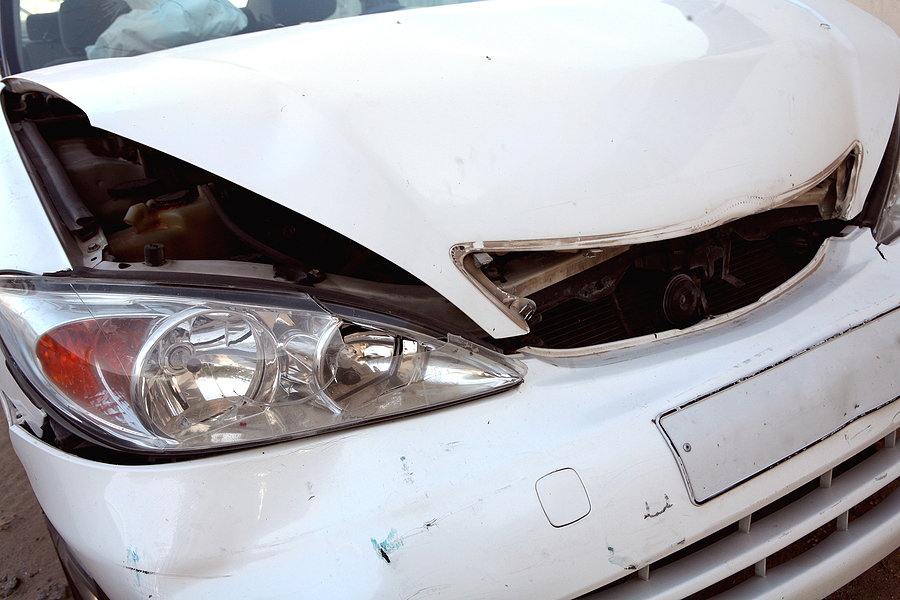
Mistake 1: Not Documenting the Scene Thoroughly
Physical evidence can disappear quickly once the tow trucks arrive and the debris is swept away. Relying solely on your memory or a standard police report is a major misstep.
Why detailed documentation matters
Memories fade, and stories change over time. When it comes time to file an insurance claim or a personal injury lawsuit, hard evidence is your strongest asset. Thorough documentation establishes the facts of the incident, preventing the at-fault driver or their insurance company from twisting the narrative. Without your own proof, you risk being unfairly blamed for a crash you did not cause.
What to photograph and record
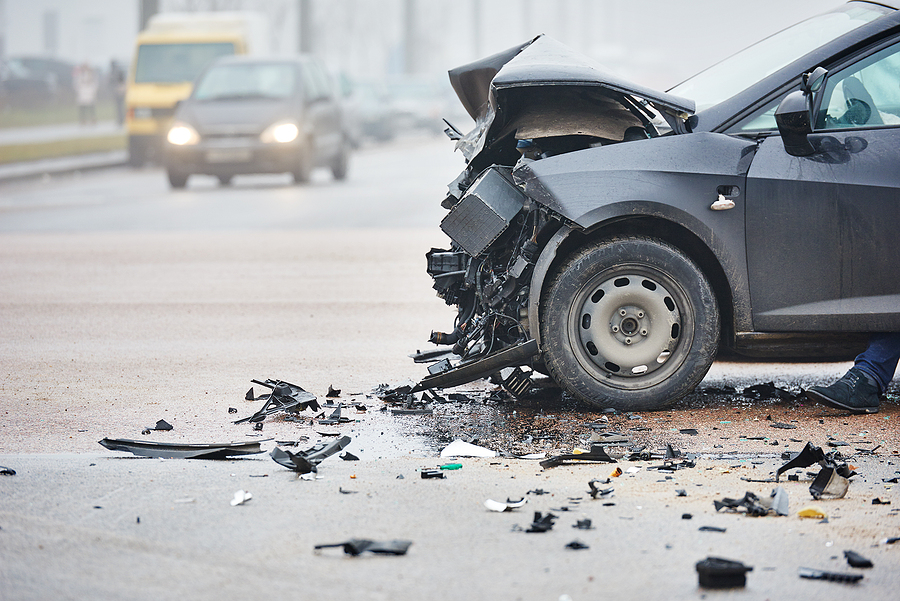
Use your smartphone to capture the scene from multiple angles before vehicles are moved, if it is safe to do so. Take wide shots of the entire intersection or road segment, as well as close-up images and videos of vehicle damage, shattered glass, and skid marks. Record the weather conditions, traffic signs, and any visible injuries you or your passengers sustained. Finally, collect the names and contact information of any eyewitnesses who saw the events unfold.
Mistake 2: Failing to Seek Immediate Medical Attention
A car accident involves massive physical force, and the human body is not designed to absorb that kind of impact. Skipping a medical evaluation because you feel “fine” is a dangerous oversight.
Hidden injuries and delayed symptoms
The surge of adrenaline you experience during a crash acts as a natural painkiller. Because of this, severe conditions like whiplash, internal bleeding, and traumatic brain injuries might not show symptoms until days or even weeks later. Delaying treatment gives these hidden injuries time to worsen, potentially turning a manageable condition into a life-long medical issue.
Importance of medical records for claims
If you wait weeks to visit a doctor, insurance adjusters will undoubtedly use that delay against you. They will argue that your injuries were not caused by the accident or that they are not as severe as you claim. Seeking prompt medical care creates an immediate, official timeline linking your injuries directly to the collision. This medical documentation forms the foundation of any successful personal injury claim.
Mistake 3: Discussing Fault or Apologizing at the Scene
Human nature often compels us to apologize when something goes wrong, even if we are not the one to blame. At an accident scene, politeness can easily be misinterpreted as a confession of liability.
How admissions can harm your case
Saying “I am so sorry” gives the opposing insurance company the exact ammunition they need to deny your claim. Indiana follows a modified comparative fault rule, meaning your compensation can be reduced based on your percentage of fault. If you are found to be more than 50% responsible, you cannot recover any damages at all. Casual apologies can easily tip those scales against you.
What to say to other drivers and police
When interacting with the other driver, limit your conversation to exchanging insurance and contact details. Do not discuss how the crash happened or who is responsible. When the police arrive, answer their questions honestly and stick to the objective facts. Do not guess or estimate vehicle speeds. If you do not know the answer to a question, simply state that you do not know.
Mistake 4: Delaying Legal Consultation or Not Hiring a Lawyer
Trying to handle a car accident claim entirely on your own is a frustrating and risky endeavor. The legal system is complex, and insurance adjusters handle these claims every single day.
The complexities of personal injury law
Filing a successful claim involves much more than submitting a few forms. You must gather comprehensive evidence, calculate current and future medical expenses, assess lost wages, and negotiate effectively. Without focused knowledge of Indiana state statutes and liability laws, you operate at a severe disadvantage.
How a lawyer protects your rights
An experienced car accident attorney levels the playing field. They handle all communication with aggressive insurance companies, ensuring you do not say anything that could damage your case. They also conduct independent investigations, consult with medical experts to determine the full scope of your injuries, and fight relentlessly to secure fair compensation on your behalf.
Mistake 5: Settling Too Quickly with Insurance Companies
The initial settlement offer from an insurance company is almost never their best offer. Their primary goal is to resolve your claim as quickly and cheaply as possible.
Insurance company tactics
Adjusters often reach out within days of the crash, offering a fast payout before you have even finished treating your injuries. They rely on the fact that you are likely stressed about medical bills and missing work. By offering quick cash, they hope you will sign a release waiving your right to pursue further compensation in the future.
Why a proper valuation of your claim is crucial
Accepting an early offer means you might end up paying out of pocket for future surgeries, physical therapy, or chronic pain management. A proper valuation takes into account your current medical bills, projected future medical care, lost earning capacity, and emotional distress. You should never agree to a settlement until you have reached maximum medical improvement or are completely healed and have consulted with a legal professional.
Frequently Asked Questions
What if I feel “fine” after the accident?
You should still visit an urgent care center, emergency room, or your primary care physician immediately if you feel anything different. Many serious injuries, such as concussions or soft tissue damage, do not show obvious symptoms right away. A professional medical evaluation ensures any underlying trauma is caught and treated early. In a lot of situations people go see their family doctor a day or two after the wreck when they are feeling the effects of their injuries more.
Should I talk to the other driver’s insurance company?
No. You are under no obligation to give a recorded statement to the at-fault driver’s insurance provider. Their adjusters are trained to ask leading questions that might cause you to inadvertently accept fault. Direct all communication from the opposing insurance company to your personal injury attorney.
How long do I have to file a claim in Indiana?
Under Indiana Code § 34-11-2-4, the statute of limitations for personal injury lawsuits is generally two years from the date of the accident, excluding governmental entity defendants. If you fail to file a lawsuit within this strict two-year window, you permanently lose your right to seek compensation for your injuries.
Secure Your Physical and Financial Recovery
Recovering from an auto accident requires time, patience, and careful decision-making. By thoroughly documenting the scene, seeking immediate medical care, and refusing early settlement offers, you place yourself in a much stronger position. Protect your health and your rights by approaching the aftermath of a crash with caution and informed guidance.
Don’t let post-accident mistakes jeopardize your future. Schedule a free auto accident case evaluation with an experienced personal injury lawyer in Indianapolis, Indiana. Act now before time runs out and evidence is lost.
Related Post: Injured in a Crash? How an Indiana Auto Accident Attorney Can Protect You