Proving Liability in Indiana Personal Injury Cases

Suffering an injury due to someone else’s negligence is frustrating. Medical bills pile up, you may be missing work, you are hurting and the legal process can feel overwhelming—especially when you’re not sure what it takes to hold someone and their insurance carrier accountable under Indiana law.

This guide breaks down what you need to generally know about proving liability in an Indiana personal injury case. From the state’s comparative fault rule to the evidence that can make or break your claim, you’ll leave with a clear picture of what the legal process looks like and what you need to do to protect your rights.

To succeed in a personal injury claim in Indiana, you must prove that another party was at fault through four core elements: duty, breach, causation, and damages. Indiana follows a modified comparative fault rule, meaning you can still recover compensation as long as you are not more than 50% responsible for the accident. You generally have two years from the date of the incident to file a claim.
Call 317-881-2700 to Learn More About Personal Injury Liability in Indiana

Understanding Indiana’s Modified Comparative Fault Rule

Indiana follows a modified comparative fault rule that bars recovery if you are found more than 50% at fault for your own injury. Many people assume that any degree of fault on their part eliminates their right to compensation. In Indiana, that’s not the case except for governmental entity cases—but there is a firm threshold. Under IC 34-51-2-6, a claimant is barred from recovery if their “contributory fault is greater than the fault of all persons whose fault proximately contributed to the claimant’s damages.”

In practice, this means the jury assigns a percentage of fault to each party involved. Under IC 34-51-2-7, if your percentage of fault exceeds 50% of the total fault, the jury returns a verdict in favor of the defendant. If your share is 50% or less, you can still recover damages—though the amount awarded is reduced proportionally.

A practical example: If a jury determines your total damages are $100,000, but you were 30% at fault for the accident, you would receive $70,000.

This rule makes the precise assignment of fault one of the most contested issues in Indiana personal injury cases. Defense attorneys and defense adjusters routinely try to shift blame onto the injured party to push them over that 50% threshold. Having solid evidence to counter those arguments is critical.

The Four Pillars of Proving Negligence

To succeed in a personal injury claim, you must establish four elements: duty, breach, causation, and damages. Indiana courts require the plaintiff to prove each element.

As recently as 2025, the Indiana Supreme Court reaffirmed this framework in Isgrig v. Trustees of Indiana University, stating that to recover under a negligence theory, a plaintiff must prove “(1) a duty owed to the plaintiff, (2) a breach of that duty by the defendant, and (3) the breach proximately caused the plaintiff’s damages.” Damages, the fourth element, must be proven separately.

Here’s what each element means in plain terms:

  1. Duty: The defendant must have owed you a legal obligation to act with reasonable care. Drivers owe a duty to others on the road. Property owners owe a duty of reasonable care to visitors.
  2. Breach: The defendant must have failed to meet that standard of care. Running a red light, leaving a wet floor unmarked, or failing to maintain safe equipment are all examples of breach.
  3. Causation: Your injury must be a result of the defendant’s breach. This is often referred to as “proximate cause” or “responsible cause”.  A court will ask whether the harm was a foreseeable consequence of the defendant’s actions.  The specific harm is not required.
  4. Damages: You must have suffered actual harm—physical injury, financial loss, emotional distress, or some combination. Without documented damages, there is no claim, regardless of how clear the breach might be.

Failing to establish even one of these elements can end a case before it reaches a jury. This is why legal representation matters, particularly when defendants challenge causation or downplay the severity of your injuries. Reach out to our Indiana personal injury law firm today to learn your options for pursuing civil action.

Critical Evidence for Indiana Injury Claims

The strength of your personal injury claim depends heavily on the quality and completeness of the evidence you gather. Evidence serves two purposes: it helps establish the four elements of negligence, and it counters attempts by the defense to shift fault onto you. The most impactful types of evidence in Indiana personal injury cases include:

Police Reports

If your injury occurred in a car accident, a police report is often one of the first pieces of evidence an attorney will request. It documents the responding officer’s observations, any citations issued, witness names, and preliminary fault determinations. While not conclusive, it carries significant weight.

Medical Records

Medical documentation connects your injuries directly to the incident—and is essential for proving both causation and damages. Seek medical attention immediately after an injury, even if symptoms seem minor at first. Delayed treatment gives insurers grounds to argue that your injuries weren’t serious or weren’t caused by the accident.

Witness Statements

Eyewitnesses provide independent accounts that can corroborate your version of events. Collect contact information from anyone who saw what happened. Your attorney can follow up to obtain formal statements.

Additional Evidence Worth Preserving:

  • Photographs or video of the scene, your injuries, and any property damage
  • Surveillance footage from nearby businesses or traffic cameras
  • Incident or accident reports filed with a property owner or employer
  • Expert testimony from accident reconstruction specialists or medical professionals

Time is a factor. Surveillance footage gets deleted, witnesses’ memories fade, and physical evidence disappears. The sooner you begin preserving evidence, the stronger your position will be.

How Indiana’s Statute of Limitations Affects Your Case

In Indiana, you generally have two years from the date of your injury to file a personal injury lawsuit. Under IC 34-11-2-4, an action for “injury to person or character” must be commenced within two years after the cause of action accrues. Miss that window, and you lose your right to sue—regardless of how strong your case is.

While two years may seem like plenty of time, it passes quickly. Investigations take time. Evidence is not obtained and maintained. Medical treatment must often conclude before damages can be fully assessed. Negotiating with insurance companies can drag on for months.

There are limited exceptions that may toll (pause) the statute of limitations. These include injury cases involving minors or situations where the injured person could not reasonably have discovered their injury at the time it occurred. However, relying on an exception is risky. The safest approach is to consult an attorney as early as possible.

FAQs

What if I was partially at fault for my accident in Indiana?

You can still recover compensation as long as your share of fault does not exceed 50%. Under Indiana’s modified comparative fault rule, your damages will be reduced by your percentage of fault.

How long do I have to file a personal injury claim in Indiana?

Generally, two years from the date the injury occurred, under IC 34-11-2-4. Certain exceptions apply in specific circumstances, such as claims involving minors. For claims to be made against governmental entities, you can have as little as 6 months to file the claim.

What if the at-fault party doesn’t have insurance?

You may still have options through your own uninsured/underinsured motorist coverage.  If the at-fault party was working, the employer will most likely be insured. An attorney can evaluate the most practical path forward.

What kinds of damages can I recover in an Indiana personal injury case?

Recoverable damages can include medical expenses, lost wages, future earning capacity, pain and suffering, and property damages. The specific damages available depend on the facts of your case.

Do I need a lawyer for a personal injury case in Indiana?

In most situations, yes. Insurance companies employ experienced adjusters and attorneys whose goal is to minimize payouts. Legal representation significantly levels the playing field—and most personal injury attorneys work on a contingency fee basis, meaning you pay nothing unless you win.

Quick Recap:

  • Modified comparative fault: You can recover damages in Indiana as long as you are 50% or less at fault (IC 34-51-2)
  • Negligence elements: You must prove duty, breach, causation, and damages
  • Evidence matters: Police reports, photos and videos, medical records, and witness statements are foundational to a strong claim
  • Two-year deadline: Most personal injury claims in Indiana must be filed within two years of the injury (IC 34-11-2-4)
  • Fault percentage affects compensation: Your damages award is reduced proportionally by your share of fault
  • Act quickly: Obtaining relevant evidence as soon as possible is required. Evidence fades, witnesses move, and deadlines are unforgiving

Take the Next Step With a Free Consultation

Proving liability in a personal injury case requires more than a compelling story—it requires evidence, legal knowledge, and a clear understanding of Indiana’s fault rules. Missing a deadline or misreading how fault will be apportioned can cost you the compensation you’re entitled to.

If you’ve been injured in Indianapolis or anywhere in Indiana, speaking with a personal injury attorney is the most important step you can take right now. Contact us today for a free personal injury consultation. There’s no obligation, and you pay nothing unless we win your case.

Place Your Call Now

Related Post: How to Prove Negligence in a Personal Injury Case

Delivery Truck Accidents in Indiana

Delivery trucks are everywhere—Amazon vans, FedEx semis, and local courier vehicles navigate Indiana roads daily. When one of these commercial vehicles causes a crash, victims often face mounting medical bills, lost wages, and uncertainty about their legal rights. If you’ve been injured in a delivery truck accident, understanding the claims and lawsuit process can help you recover the compensation you deserve.

TL;DR — Key Takeaways:

  • You have two years from the date of injury to file a personal injury lawsuit in Indiana under Indiana Code § 34-11-2-4.
  • Liability often extends beyond the driver to include the delivery company, vehicle owner, or third-party logistics providers under respondeat superior and other legal doctrines.
  • Preserve evidence immediately: photograph the scene, request police reports, and document your injuries before crucial details fade.
  • Indiana’s comparative fault rule bars recovery if you are more than 50% at fault; any fault you share reduces your award proportionally.
  • Recoverable damages include medical expenses, lost income, property damage, and pain and suffering.

Table of Contents:

  1. Determining Liability in Delivery Truck Accidents
  2. Indiana Statute of Limitations
  3. Steps to Take at the Accident Scene
  4. Proving Negligence in Indiana
  5. Common Damages Recoverable
  6. Frequently Asked Questions
  7. Quick Recap
  8. Legal Help in Indianapolis
Call 317-881-2700 to Speak With a Delivery Truck Accident Lawyer in Indianapolis

Determining Liability in Delivery Truck Accidents

Who can be held responsible? In many cases, both the driver and the delivery company share liability. Indiana law recognizes the doctrine of respondeat superior, which holds employers liable for negligent acts their employees commit within the scope of employment.

If a delivery driver runs a red light while making scheduled deliveries, the company that hired them may be responsible for resulting injuries.  The insurance company for the driver and their employer will pay any settlement or verdict.

Liability may also extend to:

  • Vehicle owners who negligently entrusted a commercial truck to an unqualified or unsafe driver.
  • Third-party logistics providers who contracted the delivery service and failed to ensure driver qualifications or vehicle maintenance.
  • Maintenance contractors whose negligent repairs contributed to brake failure, tire blowouts, or other mechanical defects.

Federal Motor Carrier Safety Administration (FMCSA) regulations require carriers to maintain driver qualification files, monitor hours of service, and conduct regular vehicle inspections. Violations of these federal rules—such as allowing a driver to exceed the 11-hour driving limit set by 49 CFR 395.3—can strengthen your negligence claim and establish that the company breached its duty of care.

Indiana Statute of Limitations

You have two years from the date of the accident to file a personal injury lawsuit. Indiana Code § 34-11-2-4 (2025) requires that actions for “injury to person or character” be commenced within two years after the cause of action accrues. Missing this deadline typically bars your claim forever, regardless of how serious your injuries are.

Exceptions are rare but may include:

  • Delayed discovery: If you didn’t immediately realize the full extent of your injury, the clock may start when you discover (or reasonably should have discovered) the harm.
  • Minors: Children injured in truck accidents have until two years after turning 18 to file suit in most cases.

Even if you’re still negotiating with insurance companies, it’s critical to consult an attorney well before the two-year mark. Court filings, evidence gathering, and expert analysis take time.  Moreover, you should always consult with an attorney as soon as humanly possible after the incident so evidence can be obtained and stored.

Steps to Take at the Accident Scene

Act quickly to preserve evidence and protect your legal rights. The moments after a delivery truck collision are chaotic, but the actions you take can make or break your case:

  1. Call 911 immediately: Request police and medical assistance. An official accident report creates a vital record of the crash.
  2. Document everything: Use your phone to photograph or video vehicle damage, skid marks, traffic signals, road conditions, and visible injuries. Capture the truck’s company name, DOT number, and license plate.
  3. Gather witness information: Collect names, phone numbers, and statements from anyone who saw the crash.
  4. Request driver credentials: Ask the truck driver for their commercial driver’s license (CDL), insurance information, and employer contact details.
  5. Seek medical attention: Even if you feel mostly fine, some injuries—like internal bleeding or traumatic brain injuries—may not show symptoms immediately. Medical records link your injuries to the crash.
  6. Call a lawyer: An experienced truck accident lawyer can help protect your rights, gather critical evidence, and ensure you receive the compensation you deserve.

Delivery companies often dispatch investigators to accident scenes within hours. Having your own documentation ensures you aren’t relying solely on the company’s version of events. Do not speak with any representative for any insurance company without first speaking with a lawyer, who will discuss your possible case free of charge at an initial consultation.

Proving Negligence in Indiana

To win your case, you must establish that the delivery driver or company breached their duty of care and caused your injuries. Indiana personal injury law requires plaintiffs to prove four general elements:

  1. Duty of care: All drivers owe others on the road a duty to operate their vehicles safely. Commercial drivers are held to higher standards due to their specialized training and the size of their vehicles.
  2. Breach of duty: The driver or company violated that duty through actions like speeding, distracted driving, failing to maintain brakes, or violating federal hours-of-service rules.
  3. Causation: The breach directly caused your injuries. Expert testimony and accident reconstruction reports often establish this link.
  4. Damages: You suffered quantifiable harm, such as medical expenses, lost income, or pain and suffering.

Federal regulations provide powerful evidence of breach. For example, electronic logging device (ELD) data can show if a driver exceeded the 14-hour on-duty limit under 49 CFR 395.3, proving the company allowed fatigued driving. Maintenance logs, driver qualification files, and prior safety violations can further demonstrate systemic negligence.

Indiana follows a modified comparative fault system under Indiana Code § 34-51-2-6 (2025). If you are found more than 50% at fault for the accident, you are barred from recovery. If your fault is 50% or less, your damages are reduced by your percentage of fault. For instance, if you’re awarded $100,000 but found 20% at fault for speeding, you’ll recover $80,000.

Common Damages Recoverable

Compensation covers both economic and non-economic losses. Indiana law allows truck accident victims to recover:

  • Medical expenses: Emergency room visits, surgeries, physical therapy, medications, and future medical care.
  • Lost wages: Income you missed while recovering, plus reduced earning capacity if injuries prevent you from returning to your previous job.
  • Property damage: Repair or replacement costs for your vehicle and personal belongings damaged in the crash.
  • Pain and suffering: Compensation for physical pain, emotional distress, and diminished quality of life.
  • Loss of consortium: Spouses may recover for the loss of companionship and support.

Punitive damages are rare in Indiana but may be available if the delivery company’s conduct was willful, wanton, grossly negligent or demonstrated a conscious disregard for safety.

Frequently Asked Questions

How long does a delivery truck accident lawsuit take?

Most cases settle within 6 to 18 months, but complex cases involving severe injuries or disputed liability may take two years or longer. Your attorney can provide a more specific timeline based on your circumstances.  In the end, you should not try to settle your case until you know    if your injuries will be permanent or not.

Can I settle with the insurance company without filing a lawsuit?

Yes. Many truck accident claims resolve through settlement negotiations without ever going to court. However, having an attorney strengthens your negotiating position and ensures you don’t accept less than your case is worth.

What if the driver was an independent contractor?

Liability depends on the relationship between the driver and the delivery company. Courts examine factors like who controlled the driver’s schedule, provided equipment, and dictated delivery routes. Even if the driver is technically an independent contractor, the company may still be liable under theories of negligent hiring or joint employment in some cases.

Do I need to hire an attorney?

Yes. While Indiana law doesn’t require legal representation, delivery companies and their insurers have teams of lawyers protecting their interests. An experienced personal injury attorney levels the playing field, handles evidence preservation, negotiates with adjusters, and litigates your case if settlement isn’t possible.

What if the delivery company claims the truck wasn’t properly maintained by a third party?

This may expand your claim to include the maintenance contractor. Your attorney can investigate maintenance records, inspect the vehicle, and bring claims against all responsible parties.

Quick Recap: Indiana Delivery Truck Lawsuit Process

  • Document the scene: Photos, videos, witness statements, and police reports are critical.
  • File within two years: Indiana Code § 34-11-2-4 sets a strict deadline.
  • Identify all liable parties: Drivers, employers, vehicle owners, and maintenance providers may share responsibility.
  • Prove negligence: Establish duty, breach, causation, and damages using general rules of the road, federal safety violations and expert testimony.
  • Understand comparative fault: Your recovery is reduced (or barred) if you share significant fault.
  • Pursue full damages: Medical bills, lost wages, property damage, and pain and suffering are all recoverable.

GET THE COMPENSATION YOU DESERVE

Delivery truck accidents leave victims with physical, emotional, and financial burdens. You don’t have to face the legal process alone. Our accomplished Indianapolis civil litigators have the experience and resources to hold negligent drivers and delivery companies accountable.

Contact us today for a free personal injury consultation. We’ll review your case, explain your options, and fight to secure the maximum compensation you deserve.

Call Now to Book

Related Post: Indiana Truck Accident Laws: Protecting Your Rights on the Road

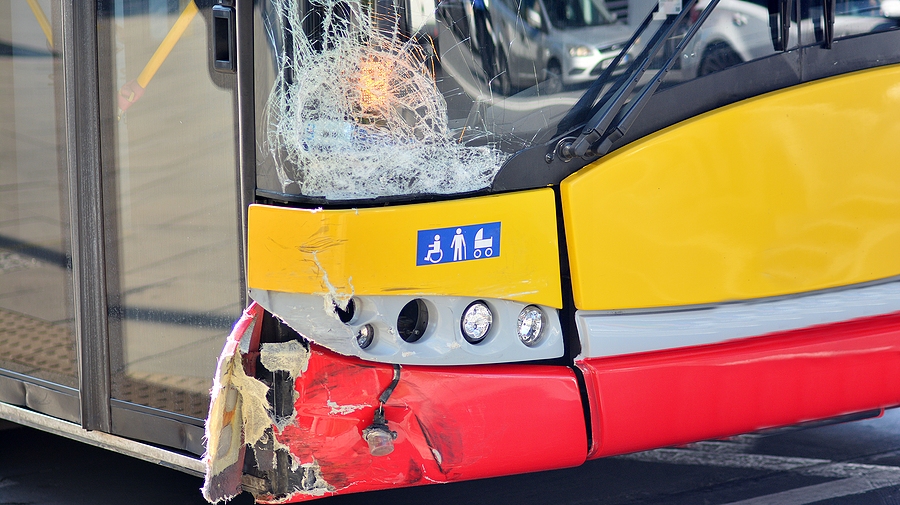
Legal Rights After a Bus Accident in Indiana

Being involved in a bus accident can be a traumatic and life-altering experience, leaving victims with injuries, pain and suffering, lost wages, emotional distress, and unanswered questions. Understanding your legal rights in the aftermath of such an incident is crucial to protecting your well-being and securing the compensation you may deserve.

This guide aims to provide clear, authoritative insights into the legal steps you can take following a bus accident in Indiana, helping you make informed decisions during a challenging time. Whether you are a passenger, driver, or pedestrian, knowing your rights can empower you to seek justice and hold responsible parties accountable.

TL;DR: If you’ve been injured in a bus accident in Indiana, you have legal rights to pursue compensation. You must file your personal injury claim within two years, or 180 days if suing a city transit authority. Damages can include medical bills, lost wages, and pain and suffering. Understanding liability, comparative fault rules, and notice requirements is essential to protect your claim.

Key Takeaways:

  • Indiana law gives you two years to file a personal injury lawsuit after a bus accident
  • Claims against government-operated buses require written notice within 180 days
  • You can recover damages for medical expenses, lost income, and emotional distress
  • Indiana’s comparative fault rule bars recovery if you’re more than 50% at fault
  • Multiple parties may share liability, including drivers, transit agencies, and manufacturers

Table of Contents:

  1. Determining Liability in Bus Crashes
  2. Common Causes of Bus Accidents
  3. Available Compensation for Victims
  4. The Legal Process and Statutes of Limitations
  5. FAQ Section
  6. Blog Recap
  7. Legal Help for Indiana Accident Victims
Call 317-881-2700 to Speak With a Bus Accident Injury Lawyer in Indianapolis

Determining Liability in Bus Crashes

Bus accident liability often involves multiple parties, including the driver, drivers of other vehicles, transit authority, private bus company, vehicle manufacturer, or maintenance contractor.

Figuring out who’s responsible after a bus accident can be complicated. Unlike typical car crashes with two drivers, bus accidents may involve government entities, private companies, or third parties who share blame.

The bus driver and their employer bear responsibility if their negligence caused the crash. Common examples include distracted driving, speeding, running red lights, or driving under the influence. If the driver was performing their job duties at the time, their employer may also be liable under the legal principle of respondeat superior.

Transit authorities and bus companies can be held directly liable for their own negligence. This includes failing to properly train drivers, ignoring known safety issues, or putting unsafe buses on the road. For government-operated buses like IndyGo in Indianapolis, special rules under the Indiana Tort Claims Act apply.

Vehicle manufacturers may be liable if a defective part contributed to the accident. Brake failures, tire blowouts, or steering malfunctions could point to a product liability claim against the manufacturer.

Maintenance contractors who serviced the bus might share responsibility if improper repairs caused a mechanical failure. Third-party drivers can also contribute to bus accidents through reckless or negligent driving.

Common Causes of Bus Accidents

Driver fatigue, inadequate vehicle maintenance, and hazardous road conditions are among the leading causes of bus crashes in Indiana.

Driver fatigue is a serious concern for bus operators. Long shifts and demanding schedules can impair reaction times and decision-making. Federal regulations limit how many hours commercial drivers can work, but violations still occur.

Poor vehicle maintenance creates dangerous conditions. Buses require regular inspections and upkeep to function safely. Worn brake pads, bald tires, or faulty lighting systems can lead to catastrophic accidents. Transit companies that cut corners on maintenance put passengers and other road users at risk.

Distracted driving affects bus operators just like any other motorist. Texting, eating, or adjusting controls while driving diverts attention from the road. Even a momentary lapse can result in serious injuries.

Adverse weather conditions complicate bus operation. Rain, snow, ice, and fog reduce visibility and traction. Drivers must adjust their speed and following distance accordingly. Failure to account for weather can lead to rear-end collisions or rollovers.

Road hazards like potholes, construction zones, and inadequate signage contribute to accidents. While drivers should remain vigilant, government entities responsible for road maintenance may share liability if poor conditions played a role.

Available Compensation for Victims

Bus accident victims in Indiana can pursue compensation for medical expenses, lost wages, pain and suffering, and in fatal cases, wrongful death damages.

Medical expenses form the foundation of most injury claims. This includes emergency room visits, hospital stays, surgeries, physical therapy, prescription medications, and any future medical care related to your injuries. Keep detailed records of all treatment and associated costs.

Lost wages compensate you for income you couldn’t earn while recovering. If your injuries prevent you from returning to work at the same capacity, you may also recover lost earning potential. Documentation from your employer and medical providers supports these claims.

Pain and suffering damages address the physical discomfort and emotional distress caused by your injuries. While harder to quantify than economic losses, these damages recognize the real impact an accident has on your quality of life.

Property damage covers repair or replacement of personal belongings damaged in the crash, such as clothing, electronic devices, or mobility aids.

Wrongful death claims are available when a bus accident results in a fatality. Under Indiana Code § 34-23-1-1, the personal representative of the deceased can pursue damages within two years. Recoverable damages include funeral and burial expenses, medical bills from the final illness or injury, and compensation for surviving family members’ loss.

Important limitation: If you’re suing a government entity like a city transit authority, Indiana’s Tort Claims Act caps damages. Government entities are also immune from punitive damages.

The Legal Process and Statutes of Limitations

Indiana law requires you to file a personal injury lawsuit within two years of the accident, but claims against government entities have much shorter notice deadlines. The statute of limitations is the legal deadline for filing a lawsuit. For personal injury claims in Indiana, you generally have two years from the date of the accident under Indiana Code § 34-11-2-4. Missing this deadline typically means losing your right to sue in most situations.

Wrongful death claims also carry a two-year filing deadline under Indiana Code § 34-23-1-1. The clock starts running from the date of death, which may differ from the accident date if the victim survived for some time.

Special Rules for Government-Operated Buses

If your accident involved a government entity like IndyGo, a school district bus, or another public transit system, you must provide written notice of your claim within 180 days under Indiana Code § 34-13-3-8. For claims against the state itself, the deadline is 270 days.

This notice must include specific information: a description of what happened, when and where it occurred, the extent of your injuries, the damages you’re seeking, and your contact information. The notice must be delivered in person or by registered or certified mail to the transit authority’s governing body.

Failing to provide proper notice within 180 days will bar your claim entirely—you won’t be able to sue even if you’re still within the two-year statute of limitations.

Comparative Fault Analysis

Indiana follows a modified comparative fault rule under Indiana Code § 34-51-2-6. If you’re found more than 50% at fault for the accident, you cannot recover any damages. If you’re 50% or less at fault, your recovery is reduced by your percentage of fault. For example, if you’re awarded $100,000 but found 30% at fault, you’ll receive $70,000.

Get a free case review today. Understanding these complex deadlines and requirements can be overwhelming. Our bus accident attorneys offer free consultations to evaluate your claim. We can meet you over the phone, at your place of medical treatment, or at our Indianapolis office. Don’t wait—contact us today to protect your rights.

FAQ Section

How long do I have to file a bus accident claim in Indiana?

You have two years from the accident date to file a personal injury lawsuit under Indiana Code § 34-11-2-4. However, if the bus was operated by a government entity, you must provide written notice within 180 days of the accident to preserve your claim.

What if I was partially at fault for the bus accident?

Indiana uses a modified comparative fault system. If you’re more than 50% at fault, you cannot recover damages. If you’re 50% or less at fault, your compensation is reduced by your percentage of responsibility.

Can I sue the city if I was hurt on a public bus?

Yes, but special rules apply. You must file written notice with the city within 180 days describing your claim. Government entities are subject to damage caps of $700,000 per person and $5,000,000 per occurrence, and they cannot be held liable for punitive damages.

What types of damages can I recover?

You can pursue compensation for medical expenses, lost wages, future earning capacity, pain and suffering, and property damage. In wrongful death cases, damages include funeral costs, final medical bills, and losses to surviving family members.

Do I need a lawyer for a bus accident claim?

Yes. Bus accident cases often involve complex legal and insurance issues. It is highly recommended to seek the guidance of an experienced personal injury lawyer who can navigate these complexities and fight for your rights.

Quick Recap:

  • Prioritize Safety: Ensure all injuries are treated and report the accident to the authorities.
  • Document Evidence: Gather photos, videos, witness statements, and any other relevant details at the scene.
  • Notify Insurance Companies: Report the accident to your insurer but be cautious when speaking with adjusters. It is best to at least speak with an attorney before talking with any insurance company.
  • Understand Your Rights: Familiarize yourself with the compensation you may be entitled to, such as medical expenses, lost wages, and more.
  • Consult a Lawyer: Contact an experienced bus accident lawyer to help protect your legal rights and guide you through the claims process.

CONCLUSION

Bus accidents can be overwhelming, with victims facing numerous challenges, from physical injuries to financial strain. Seeking legal guidance can make all the difference in securing the compensation you deserve. At our firm, we are committed to helping bus accident victims in Indianapolis and beyond.

Take the first step toward resolving your case by reaching out for a free case review. Whether you prefer to meet in person or on-site, our dedicated team is ready to support you. Contact us today to discuss your situation and learn how we can help.

Place Your Call Now

Related Post: Indiana Bus Accident Victims: Your Rights & How to Get Fairly Compensated

Navigating Your Indiana Injury Compensation Journey

TL;DR: Securing personal injury compensation in Indiana involves proving negligence, understanding state specific fault laws, and filing within the two-year statute of limitations. Working with an experienced Indianapolis attorney can help you navigate these complex legal waters and maximize your settlement.

Key Takeaways:

  • Negligence is Key: You must prove the other party failed to act with reasonable care.
  • Shared Fault Matters: Indiana’s 51% rule means you can’t recover damages if you are more than 50% at fault.
  • Time is Limited: You generally have two years from the accident date to file a lawsuit.
  • Damages vary: Compensation includes medical bills, lost wages, and pain and suffering.

Table of Contents:

  1. What Is Personal Injury Compensation?
  2. Understanding Indiana’s Comparative Fault System
  3. Common Types of Personal Injury Damages
  4. The Timeline for Filing an Indiana Injury Claim
  5. Frequently Asked Questions
  6. Quick Recap
  7. Conclusion
  8. Personal Injury Legal Help in Indianapolis

An unexpected injury changes everything in an instant. One moment you are driving to work or shopping for groceries, and the next, you are facing mounting medical bills, time off work, and physical pain. The financial stress often rivals physical recovery, leaving many Hoosiers wondering how they will pay for it all.

The path to recovery involves more than just doctor visits; it often requires navigating the legal system to secure fair compensation. This process is designed to make you “whole” again financially, emotionally and physically, covering the losses you incurred due to someone else’s negligence. However, insurance companies and legal statutes can make this journey feel like an uphill battle.

Understanding your rights under Indiana law is the first step toward regaining control. Whether you were hurt in a car crash on I-465 or slipped in a local business, the basic principles of personal injury law remain the same. This guide breaks down exactly what you need to know to protect your future.

Call 317-881-2700 to Speak With an Injury Compensation Attorney in Indianapolis

What Is Personal Injury Compensation?

Personal injury compensation is a financial award intended to restore an injured person to the position they would have been in had the accident not occurred.

When you suffer harm because another person or entity was negligent, the law allows you to seek “damages.” This isn’t just about getting money; it is about accountability and covering the tangible and intangible costs forced upon you. In Indianapolis and throughout the state, this compensation typically comes from the at-fault party’s insurance carrier.

4 Elements to Prove Negligence

To secure this compensation, you and your legal team generally must prove four elements of negligence: duty of care, breach of duty, causation,and damages. You must show that the other party had a responsibility to act reasonably, failed to do so, and caused your injury and subsequent financial losses.

Understanding Indiana’s Comparative Fault System

Indiana uses a “modified comparative fault” system, which means your compensation is reduced by your percentage of fault, and you are barred from recovery if you are more than 50% at fault.

Unlike some states where you can recover damages even if you were 99% at fault, Indiana draws a strict line. Under the 51% bar rule, if a jury or judge determines you are 51% or more responsible for the accident, you receive zero compensation.

If your fault is 50% or less, your payout is simply reduced by that percentage. For example, if you have $100,000 in damages but are found to be 20% at fault for the accident, you will receive $80,000.

This system makes the investigation phase critical. Insurance adjusters and defense attorneys will try to argue your alleged fault is over that 50% mark, thus denying your claim entirely. This is just another reason why having an experienced personal injury attorney on your side is so critical to your claim’s success and so evidence is accumulated so that does not happen.

Common Types of Personal Injury Damages

Damages in personal injury cases are categorized into economic (tangible financial losses) and non-economic (subjective quality of life losses).

Economic Damages are fairly straightforward and calculated using receipts, invoices, and employment records. They include:

  • Medical Expenses: Emergency room visits, surgeries, physical therapy, and future medical care needs.
  • Lost Wages: Income lost while you were recovering.
  • Loss of Earning Capacity: Compensation if your injury prevents you from earning the same income in the future.
  • Property Damage: The cost to repair or replace your vehicle, rental costs or other personal items.

Non-Economic Damages cover the human cost of the injury. These are harder to quantify but often make up the most significant portion of a settlement. They include:

  • Pain and Suffering: Physical pain and emotional distress.
  • Loss of Consortium: The impact of the injury on your relationship with your spouse.
  • Mental Anguish: Anxiety, depression, or PTSD resulting from the trauma.
  • Loss of Quality of Life: Not being able to do what you wanted to do in life or being limited in living your life.
  • Scarring:  If you are left with scarring or some type of deformity.

The Timeline for Filing an Indiana Injury Claim

One of the most critical aspects of any personal injury case is the timeline. In Indiana, you generally have two years from the date of the injury to file a lawsuit. This is known as the statute of limitations. If you miss this deadline, you will likely lose your right to seek compensation forever. While there are a few exceptions, it’s crucial to act quickly to protect your legal rights.  You should at a minimum speak with an attorney as soon as possible after your injury to have a review of your possible case and determine if it would be in your best interests to obtain an attorney immediately.  In most cases, you should hire an attorney but the attorney can advise you on whether or not you should hire one.  In some cases, it may not be necessary but it some cases it will be.  The consult is free so you should take advantage of it.

FAQ Section

How much do personal injury lawyers charge?

Most personal injury lawyers in Indiana work on a contingency fee basis. This means they only get paid if you win your case. Their fee is typically a percentage of your final settlement or award. You won’t owe any upfront costs.

What kind of evidence do I need for my claim?

Strong evidence is key. This can include photos and videos of the accident scene, police reports, medical records, witness statements, and proof of lost income (like pay stubs). Your lawyer will help you gather and preserve all necessary documentation.

Should I talk to the insurance adjuster?

No. Insurance adjusters work for the insurance company, and their goal is to minimize the payout. It’s always wise to consult with an attorney before speaking with an adjuster or signing any documents.

Quick Recap:

  • Injury Occurs: Seek immediate medical attention.
  • Document Everything: Take photos, videos, call the police and have a report made, get witness contact information, and keep all records.
  • Contact a Lawyer: Get a legal professional on your side early on.  The attorney may advise you that you do not need to hire them or that you need to hire them right away.  Either way, the consultation is free so you should consult with an attorney before talking to any insurance adjuster.
  • Investigation Begins: Your lawyer will gather evidence and document your case.  It is vital you take photos or video at the scene though because your attorney cannot obtain that information later as it existed that day.  Your attorney will obtain the police officer’s body warn camera video if it exists though.
  • Negotiation: Your attorney will negotiate with the insurance company for a full and fair settlement.
  • Resolution: Your case is either settled or, if necessary, goes to court to secure the compensation you deserve.

Final Thoughts

Navigating the aftermath of an injury can be overwhelming, but you don’t have to and should not do it alone. Understanding the types of damages you can claim and adhering to legal timelines are the first steps toward justice. A skilled personal injury lawyer acts as your advocate, handling the legal complexities so you can focus on what truly matters—your recovery.

Ready to take the next step? Contact us today for a free, no-obligation case evaluation. Let our experienced Indianapolis personal injury litigators fight for the compensation you need to move forward.

Call Our Firm Directly

Related Post: Understanding Indiana Personal Injury Settlements and Compensation

Top 5 Evidence Types That Can Make or Break Your Personal Injury Case

The moments immediately following an accident are often a blur of confusion, adrenaline, and stress. However, once the dust settles, the reality of medical bills, pain and suffering and vehicle repairs sets in. To recover the compensation you deserve, you must be able to prove that someone else was at fault.

Evidence is the bridge that connects the accident to your compensation. It transforms a “he said, she said” argument into a verifiable claim. In a “he said, she said” case, credibility is the major factor as there is a lack of other evidence.

This is particularly important in Indiana, which follows a modified comparative fault system. Under Indiana law (IC 34-51-2), if you are found to be more than 50% responsible for the accident, you are barred from recovering any damages. Solid evidence is the only way to ensure liability is assigned correctly so you aren’t unfairly blamed.

TL;DR & Key Takeaways:

If you have been injured in an accident, the success of your claim often comes down to one thing: evidence. Without proof, it is simply your word against theirs. Here are the core concepts you will learn in this guide:

  • Photos and videos are non-negotiable: Visual and audio evidence freezes the scene in time before conditions change.
  • Police reports carry weight: Insurance adjusters rely heavily on the responding officer’s initial assessment and any facts set forth in the report.
  • Medical records link causation: You must prove the accident—not a pre-existing condition—caused your injury.
  • Witnesses: Neutral third parties provide clarity when drivers have conflicting stories.
  • Physical damage reveals physics: The metal and debris in the road and the damages to your vehicle tell the true story of speed and impact.

Table of Contents:

  1. Why Is Photographic and Video Evidence from the Scene So Critical?
  2. How Do Official Police Reports Influence Liability?
  3. Can Medical Records Prove the Extent of Your Damages?
  4. What Role Do Witness Statements Play in Your Recovery?
  5. How Does Physical Evidence Like Vehicle Damage Tell the Story?
  6. Frequently Asked Questions
  7. Quick Recap
  8. Free Indianapolis Case Evaluation
Call 317-881-2700 to Get Legal Help With Your Personal Injury Case in Indiana

1. Photographic and Video Evidence

Photographic evidence provides an objective, time-stamped visual record of the accident scene that memories simply cannot match. Human memory is notoriously unreliable, especially after a traumatic event. Road conditions change, weather clears up, and vehicles are moved to the shoulder. Photos and videos taken immediately after the crash preserve the scene exactly as it was.

When documenting the scene, quantity and quality both matter. You should aim to capture wide-angle shots that show the positioning of all vehicles relative to the road, traffic signs, and stoplights. These shots help accident reconstruction experts understand the mechanics of the crash.

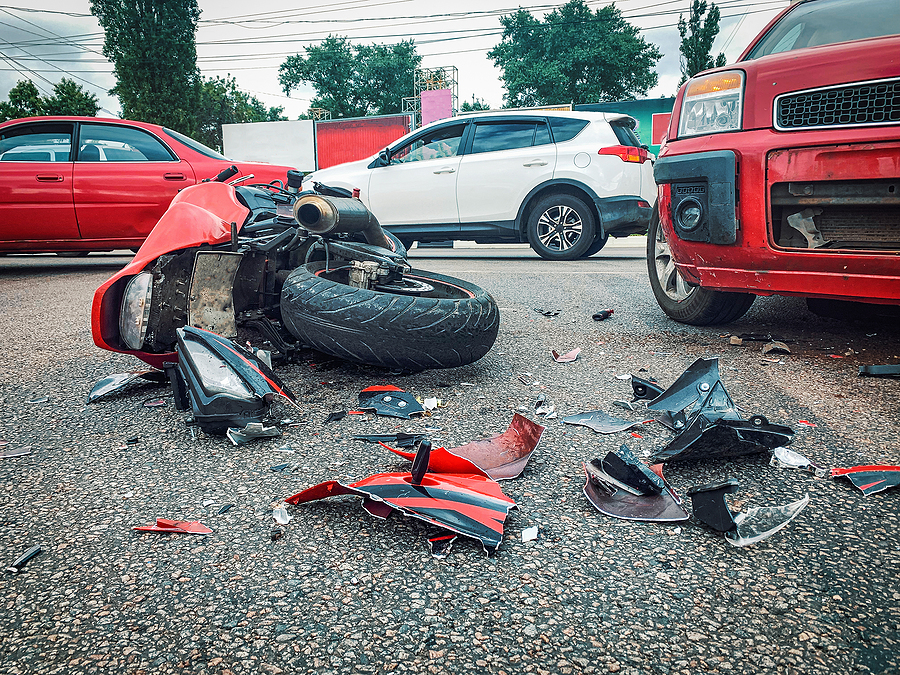
Don’t forget the details. Close-up photos of skid marks, shattered glass, and debris fields can indicate how fast a vehicle was traveling or where the point of impact occurred. Furthermore, photographing your own physical injuries—bruising, cuts, or swelling—immediately after the accident provides compelling proof of the physical toll the crash took on you.

Lastly, video and photographs of all persons and vehicles at the scene are extremely important.

2. Official Police Reports

Police reports serve as the authoritative, normally neutral account of the accident and are the first document insurance adjusters review to determine fault.

When law enforcement responds to a crash, they create an official record. In Indianapolis, officers from the IMPD will document the date, time, weather conditions, insurance and parties involved. Crucially, the officer may also issue citations for traffic violations or include a narrative of their opinion on who caused the crash as well as statements by involved persons.

While a police report is not the final verdict in a courtroom, it carries immense weight during settlement negotiations. If the report states the other driver ran a red light, the insurance company will find it difficult to argue otherwise, especially when there are facts and involved person statements supporting such a determination.

If you were involved in a crash in Indianapolis, you can generally obtain your report for a small fee (around $12). You can request this online via BuyCrash or in person at the Citizens’ Services Desk at 50 N. Alabama St. ensuring you have this document is a vital early step in documenting your case.

3. Medical Records

Yes, medical records create the necessary legal link between the accident and your injuries, proving that your pain is a direct result of the crash. In personal injury law, documentation is everything. If you claim to have a back injury but never visited a doctor, an insurance adjuster will argue that your injury isn’t serious—or that it didn’t happen during the accident at all.

Your medical records should detail your examination, diagnosis, your treatment plan, and your prognosis for recovery. This includes emergency room notes, X-rays, MRI results, and records from follow-up visits with specialists.

It is important to know your rights regarding these documents. Under HIPAA regulations (45 CFR 164.524), you have the right to access and obtain copies of your health information. Healthcare providers generally must provide these records within 30 days of your request. Securing these records promptly prevents delays in your claim process.  Your attorney can obtain your medical records for you, but it is important for you to provide your attorney with a list of your medical providers.

4. Witness Statements

Witness statements act as a neutral tie-breaker when the drivers involved have conflicting versions of how the accident occurred. It is fairly common for two drivers to have completely different stories. One says the light was green; the other swears it was yellow. In these situations, an independent witness—someone with no relation to either driver—becomes the most valuable asset in your case.

A witness is considered credible because they have nothing to gain financially from the outcome of the case. Their only motivation is to tell the truth about what they saw.

If you are able to do so safely at the scene, approach bystanders or other drivers who stopped. Ask for their names and phone numbers. If you wait until later, they may leave the scene, and their perspective will be lost forever. Even a simple statement like, “I saw the blue car speeding,” can be enough to sway liability in your favor but you must obtain their contact data.

5. Physical Evidence Like Vehicle Damage

The physical damage to your vehicle reveals the physics of the crash, providing undeniable data about speed, angle of impact, and braking. Metal doesn’t lie. The way a car creates a “crumple zone” or where the paint transfer is located can prove exactly how a collision happened. For example, if a driver claims you merged into them, but the damage is squarely on your rear bumper, the physical evidence contradicts their story.

Modern vehicles also contain a powerful piece of evidence: the Event Data Recorder (EDR), often called the “black box.” Under federal regulation (49 CFR Part 563), these devices capture dynamic data just prior to a crash, such as vehicle speed, accelerator pedal position, and whether the brakes were applied.

Preserving this evidence is vital. In severe accidents, it is often necessary to store the vehicle in its damaged state until an expert can inspect it.

The Importance of Hiring a Lawyer

In addition to preserving evidence, it is crucial to hire a personal injury lawyer as soon as possible after an auto accident. While you may think that insurance will cover all damages and medical expenses, this is not always the case. Insurance companies often try to minimize their payout and may not offer enough to cover the full extent of your losses, especially if they know evidence has now disappeared.

Hiring a car accident attorney can help ensure that you receive fair compensation for your injuries, property damage, and other losses. They have experience obtaining the necessary evidence and negotiating with insurance companies and can advocate on your behalf to get the best possible outcome in your case.

Furthermore, a lawyer can also help navigate any legal complexities that may arise from a car accident. For example, if the at-fault driver is uninsured or underinsured, your lawyer can help you explore other options for compensation such as filing a claim through your own insurance policy or pursuing a lawsuit against the driver.

In addition to these practical benefits, retaining a lawyer can also provide emotional support and guidance during a difficult time. They can listen to your concerns and provide guidance on how to handle the aftermath of a car accident. This empathy and support can be crucial in helping you cope with any trauma or stress caused by the accident.

FAQs about Personal Injury Evidence

What if I didn’t take photos at the scene?

If you were unable to take photos because of your injuries, don’t panic. Your attorney can investigate other sources. This might include footage from traffic cameras, security cameras from nearby businesses, or dashcam footage from other drivers, as well as dashcam or body camera footage from investigating officers.

How does Indiana’s “51% Rule” affect my evidence?

Indiana follows a modified comparative fault rule. If evidence shows you are 51% or more at fault for the accident, you cannot recover any money. This makes evidence proving the other person or persons negligence absolutely vital to your financial recovery.

How long do I have to gather evidence?

You should gather evidence immediately. Physical evidence disappears, and memories fade. Furthermore, Indiana generally has a two-year statute of limitations for filing personal injury lawsuits. If you miss this deadline, you lose your right to sue.

Quick Recap: Documenting a Winning Case

To ensure you have the strongest possible claim, remember these five pillars of evidence:

  • Photos/Video: Capture the scene, weather, persons and vehicles involved and injuries immediately.
  • Police Reports: Obtain the official IMPD or state police report to establish a baseline of facts.
  • Medical Records: Seek treatment immediately to recover from your injuries and create a paper trail of your injuries.
  • Witness Info: Get contact details from neutral bystanders before they leave.
  • Physical Evidence: Preserve your vehicle until it can be inspected.

CONCLUSION

Navigating a personal injury claim can feel overwhelming, especially when you are trying to recover from injuries. You don’t have to collect and analyze this evidence alone.

If you or a loved one has been injured in an accident, we can help you build the strong case you need to secure fair compensation. Contact us today for a free personal injury case evaluation in Indianapolis. Let us handle the evidence so you can focus on healing.

Place Your Call Now

Related Post: Top 4 Pieces of Evidence That Will Help You Win Your Car Accident Claim

What Does a Motor Vehicle Accident Lawyer Do?

TL;DR and Key Takeaways:

Hiring a motor vehicle accident lawyer can feel overwhelming, but understanding the process upfront makes a significant difference. Here is what you need to know at a glance:

  • Case Management: Lawyers handle the heavy lifting—investigating, gathering medical records, and negotiating with insurers.
  • Costs: Most personal injury attorneys work on a contingency fee basis, meaning you only pay if you win.
  • Settlements vs. Trials: The vast majority of cases are settled out of court, but your lawyer prepares for trial just in case.
  • Timelines: Indiana has specific deadlines, including a two-year statute of limitations for most injury claims.

Table of Contents:

  1. What does a car accident lawyer actually do?
  2. How does the initial consultation work?
  3. Will my accident case go to trial?
  4. How much does a personal injury lawyer cost?
  5. Common Questions About Timelines
  6. Quick Recap
  7. Legal Help in Indianapolis

After the shock of a collision wears off, the reality of medical bills, insurance calls, and vehicle repairs sets in. You might be wondering if you need legal help, and if you do, what exactly that partnership looks like. A skilled attorney does more than just file paperwork. They act as your advocate, shielding you from aggressive insurance adjusters and ensuring your story is heard.

Whether you were rear-ended on I-465 or involved in a collision downtown, or anywhere else in Indiana, knowing what to expect can turn a chaotic experience into a manageable legal journey.

Call 317-881-2700 to Meet With a Car Accident Lawyer in Indianapolis Indiana
Call 317-881-2700 to Meet With a Car Accident Lawyer in Indianapolis Indiana for Free

What Does a Car Accident Lawyer Actually Do?

A car accident lawyer manages every aspect of your claim, from gathering evidence to negotiating with insurance companies, so you can focus on recovery.

The moment you hire an attorney, they take over the communication burden. Instead of fielding calls from adjusters trying to minimize your payout, your lawyer steps in as the primary point of contact. Their work typically begins with a thorough investigation. They will pull police reports, obtain police body camera video and photos, interview witnesses, and, if necessary, work with accident reconstruction experts to prove liability.

In Indiana, proving fault is critical because the state follows a “modified comparative fault” system. Under Indiana Code § 34-51-2-6, you are barred from recovering damages if you are more than 50% at fault for the accident. Your lawyer’s primary job is to obtain evidence that proves liability and maximizes your compensation.

Beyond proving who caused the crash, they also calculate the true value of your claim. This isn’t just about current medical bills; it includes future rehabilitation costs, lost wages, and non-economic damages like pain and suffering.

How Does the Initial Consultation Work?

The initial consultation is a free, no-obligation meeting where the lawyer reviews the details of your accident and explains your legal options.

You don’t need to sign anything immediately. The car accident attorney will ask you to recount the event in detail and provide any documentation you have, such as correspondence from any of the insurance companies, the crash report, photos of the scene or vehicles of injuries, and medical records or bills.  If you do not have certain items your attorney will obtain them for you.

During this session, they will assess the strength of your case. They will look for red flags that might make the claim difficult, such as relevant pre-existing injuries or unclear liability. They will also explain the fee structure clearly.

According to the American Bar Association (Model Rule 1.5), any contingency fee agreement must be in writing and signed by you. This agreement should clearly state how the fee is calculated—whether it comes off the top of the settlement or after expenses are deducted. This transparency ensures there are no financial surprises later.

Will My Accident Case Go to Trial?

Most likely not; the vast majority of personal injury cases are resolved through settlement negotiations rather than a courtroom trial.

Trials are expensive, time-consuming, and unpredictable for everyone involved. Consequently, both your attorney and the insurance company usually prefer to reach a fair settlement if possible. Your lawyer will prepare a “demand package”—a comprehensive document outlining your injuries, costs, and legal arguments, along with relevant exhibits—and send it to the insurer to start negotiations.

However, your lawyer must still prepare as if the case is going to trial. This preparation shows the insurance company that you are serious and willing to fight for fair compensation. If the insurer refuses to offer a reasonable amount, or if they dispute liability entirely, filing a lawsuit may be the next necessary step.

How Much Does a Personal Injury Lawyer Cost?

Most personal injury lawyers work on a contingency fee basis, meaning their payment is a percentage of your final settlement or court award.

You typically do not pay any upfront retainer fees or hourly rates. If your lawyer does not recover money for you, you generally do not owe them attorney’s fees. The standard industry percentage often hovers around 33% (one-third) of the settlement, though this can vary depending on the complexity of the case or if it proceeds to trial.

It is crucial to clarify how “costs” (separate from fees) are handled. Costs include expenses like filing fees, paying for medical records, and hiring expert witnesses. Some firms require you to pay these as they arise, while others deduct them from the final settlement. Our law firm deducts them from the final settlement in almost all cases.

Common Questions About Timelines

How long do I have to file a claim in Indiana?

For most personal injury and property damage cases, Indiana Code § 34-11-2-4 sets the statute of limitations at two years from the date of the accident. If you miss this deadline, the court will almost certainly dismiss your case, and you will lose your right to compensation.

Is the timeline different if I was hit by a government vehicle?

Yes, significantly. If your claim is against a government entity (like a city bus or a state maintenance vehicle), the timeline is much shorter. Under the Indiana Tort Claims Act, you typically must file a “tort claim notice” within 180 days for claims against political subdivisions (like cities or counties) or 270 days for claims against the State of Indiana.

How long does it take to get a settlement?

There is no single answer. Simple cases with clear liability might settle in a few months. However, cases involving severe injuries often take longer because your lawyer needs to wait until you reach “Maximum Medical Improvement” (MMI). This ensures that all your future medical needs are accounted for in the settlement.

Quick Recap:

  • Advocacy: Your lawyer handles all communication and investigation, shielding you from stress.
  • Fault Matters: Indiana’s 51% bar rule means proving liability is essential for recovery.
  • No Upfront Fees: Contingency agreements mean you pay only if you win.
  • Strict Deadlines: You generally have two years to file, but only 180–270 days for government claims.
  • Settlement Focus: Most cases end in a negotiated settlement, avoiding the courtroom.

Get Legal Help in Indianapolis

Navigating the aftermath of a crash is difficult, but you do not have to do it alone. If you have been injured in a collision, securing experienced legal representation is the best way to protect your future.

Need a motor vehicle accident lawyer in Indianapolis? Contact us today for a free consultation. Let us handle the legal heavy lifting so you can focus on what matters most—getting better.

Call Our Office Directly

Related Post: Injured in a Crash? How an Indiana Auto Accident Attorney Can Protect You

Grocery Store Slip and Fall Accidents: Call a Lawyer

A routine trip to the grocery store—whether you’re picking up milk or doing the weekly shop—should never end in an ambulance ride. Yet slip and fall accidents in supermarkets are surprisingly common and can lead to life-altering injuries. When a business fails to keep its aisles safe, they are responsible for the harm caused.

Understanding premises liability law is the first step toward protecting your future. This guide explains how legal representation can secure the compensation you need to recover.

TL;DR:

  • Serious Risks: Slip and fall accidents in grocery stores often result in severe physical and financial consequences.
  • Legal Support: A grocery store injury lawyer helps establish liability and navigates the complex claims process.
  • Full Recovery: Compensation can cover medical bills, rehabilitation costs, lost income, and emotional distress.

Key Takeaways:

  • Act Fast: Report the incident to store management and seek medical care immediately.
  • Get Advice: Consulting a lawyer early prevents you from making statements that insurance companies could use against you.
  • Build Your Case: Evidence like surveillance footage, photos of the hazard, and witness contacts are crucial for success.

Table of Contents:

  1. What are Common Causes of Grocery Store Accidents?
  2. What Types of Injuries Can Occur in a Grocery Store?
  3. How Can a Grocery Store Injury Lawyer Help?
  4. What Compensation Can I Recover?
  5. What Evidence is Needed for a Successful Claim?
  6. What are the Steps to Take After a Grocery Store Accident?
  7. FAQ
  8. Quick Recap
  9. Your Path to Recovery
Call 317-881-2700 to Speak With a Grocery Store Slip and Fall Lawyer in Indianapolis

What are Common Causes of Grocery Store Accidents?

Grocery stores are full of potential hazards. While we expect store owners to maintain a safe environment, negligence often leads to dangerous conditions.

  • Wet Floors: Spilled liquids, leaking freezers, or recently mopped areas without proper “Wet Floor” signage are the leading culprits.
  • Debris on the Floor: Fallen produce, such as grapes or lettuce, creates incredibly slippery surfaces.
  • Uneven Surfaces: Torn carpeting, bunched-up entry mats, or cracked flooring can easily cause a trip and fall.
  • Obstructed Aisles: Stocking carts left unattended or boxes protruding into walkways create tripping hazards.
  • Poor Lighting: Dimly lit parking lots or entryways make it difficult to see potential dangers like potholes or ice.

What Types of Injuries Can Occur in a Grocery Store?

The impact of falling on a hard supermarket floor—often concrete covered by thin tile—is unforgiving. The injuries sustained can range from minor bruising to broken bones and permanent disability.

  • Fractures and Broken Bones: Wrists, hips, and ankles are particularly vulnerable when a person instinctively tries to break their fall.
  • Head and Brain Injuries: Striking your head on the floor or a shelf can cause concussions or traumatic brain injuries (TBIs), which may have long-term cognitive effects.
  • Spinal Cord Injuries: A severe blow to the back can result in herniated discs, nerve damage, or even paralysis.
  • Soft Tissue Injuries: Sprains, strains, and torn ligaments can cause chronic pain and limit mobility for months or even permanently.

How Can a Grocery Store Injury Lawyer Help?

Navigating a liability claim against a major grocery chain is rarely simple. These corporations have powerful legal teams and insurance adjusters whose primary goal is to minimize payouts. An experienced attorney levels the playing field.

Establishing Liability

In Indiana, simply falling in a store does not automatically mean the store is liable. Your grocery store injury lawyer must prove negligence. This often involves the legal concept of constructive knowledge. Your attorney will work to prove that the store owner knew or should have known about the hazard if they were exercising reasonable care—for example, if a spill had been left on the floor for an hour before you slipped.

Navigating Comparative Fault

Indiana follows a modified comparative fault rule (Ind. Code § 34-51-2-6). This means that if you are found to be more than 50% responsible for your own fall, you cannot recover damages. A lawyer fights to ensure the blame is placed where it belongs—on the negligent store.  The attorneys for the store’s insurance company will try to place the blame for the fall on you or anyone else not the store.

Handling Insurance Negotiations

Insurance adjusters often offer quick, lowball settlements before the full extent of your injuries is known. An attorney handles all communication, ensuring you don’t accept an offer that fails to cover your full damages, including future medical needs and future pain and suffering if your injuries are permanent in nature.

What Compensation Can I Recover in a Grocery Store Slip and Fall Settlement?

The financial burden of an injury extends beyond the initial emergency room visit. A comprehensive claim seeks to make you “whole” again.

  • Medical Expenses: This includes ambulance fees, hospital stays, surgeries, medication, and future physical therapy.
  • Lost Wages: If your recovery forces you to miss work, you are entitled to compensation for lost income and lost earning capacity.
  • Pain and Suffering: These are non-economic damages for the physical pain and emotional distress caused by the accident, both past and future.
  • Incidental Costs: Expenses for crutches, travel to medical appointments, or hiring help for household chores while you recover.

What Evidence is Needed for a Successful Claim?

Documenting a strong case requires proof. A lawyer helps gather and preserve this evidence before it disappears.

  • Surveillance Footage: This is often the most critical piece of evidence. However, stores typically overwrite footage quickly. A lawyer can send a preservation letter to ensure the video of your fall is saved.
  • Incident Reports: The official report filed with the store at the time of the accident documents that the event occurred and how it occurred.
  • Witness Statements: Accounts from other shoppers or employees who saw the hazard and your fall can corroborate your story.
  • Medical Records: Thorough documentation linking your injuries directly to the fall is essential.

What are the Steps to Take After a Grocery Store Accident?

Your actions in the minutes and days following an accident can significantly impact your legal case.

  1. Report the Accident: Notify a manager immediately. Ensure they create a written report and ask for a copy.
  2. Document the Scene: Use your phone, or have someone else, to take photos and video of the hazard (spill, torn carpet) and your surroundings.
  3. Seek Medical Attention: Visit a doctor right away, even if you feel okay. Adrenaline can mask pain, and documenting injuries early is vital.
  4. Contact an Attorney: Before speaking to the store’s insurance company, consult with a personal injury law firm.

Frequently Asked Questions (FAQ)

What should I do immediately after the accident?

Prioritize your health. Call for medical help if necessary. Report the incident to the store manager and take photos and video of the exact cause of your fall. Do not leave the store without ensuring the incident has been formally noted. Ask the store, in writing, to save all     surveillance video of the area of your fall from 6 hours before your fall until 6 hours after your fall.

How long do I have to file a claim?

In Indiana, the general Statute of Limitations for personal injury claims is two (2) years from the date of the accident (Indiana Code § 34-11-2-4). However, if your fall occurred on government property (like a city-owned sidewalk outside a market), the Indiana Tort Claims Act requires you to file a formal notice much sooner—within 180 days for political subdivisions (like cities) or 270 days for the state. Missing these deadlines can bar you from recovery forever.

How much does it cost to hire a grocery store injury lawyer?

Most personal injury attorneys operate on a contingency fee basis. This means you pay nothing upfront. Your lawyer only gets paid a percentage of the settlement or verdict if they successfully win your case. If you don’t get paid, they don’t get paid.

Quick Recap:

  • Document: Photos, videos and witness details are your best defense to allegations you simply fell for no reason.
  • Seek Care: See a doctor immediately to create a medical paper trail.
  • Consult: Speak to a lawyer as soon as possible to navigate Indiana’s specific liability laws and so evidence is obtained and not lost.

YOUR PATH TO RECOVERY

Recovering from a grocery store injury is about more than just healing broken bones; it’s about securing your financial future and holding negligent parties accountable. You don’t have to face the insurance giants alone.

If you or a loved one has been injured, don’t wait. Contact us today for a free personal injury case review with a slip and fall attorney in Indianapolis, Indiana.

Call Now

Related Post: Slip & Fall at an Indy Big Box Store? Here’s What’s Next

Questions to Ask a Personal Injury Lawyer

Meeting with a personal injury lawyer for the first time can feel overwhelming, especially when you’re already dealing with the stress of an injury. However, that initial consultation is your best opportunity to determine if an attorney is the right fit for you and your case. Asking the right questions upfront can save you time, confusion, and frustration down the road.

This guide outlines the critical questions you should ask during your first meeting to ensure you hire an advocate who is experienced, transparent, and aligned with your goals.

Key Takeaways:

  1. Verify Experience: Ensure the attorney has specific experience with your type of injury claim in Indiana courts.
  2. Clarify Costs: Understand the difference between contingency fees (attorney waits on payment until your case settles) and case costs (expenses like filing fees).
  3. Set Expectations: ask about communication styles and realistic timelines for your case.
  4. Know Your Role: Be clear on what documentation and evidence you need to preserve and provide to your attorney and what evidence they will obtain on your behalf.

Table of Contents:

  1. What Experience Do You Have with Cases Like Mine?
  2. What Are Your Fees and How Do You Handle Costs?
  3. How Will You Communicate with Me During My Case?
  4. What Are the Possible Outcomes of My Case?
  5. What are my responsibilities as the client and your responsibilities as the attorney?
  6. FAQs About Personal Injury Claims
  7. Quick Recap
  8. Conclusion
  9. Free Personal Injury Case Review
Call 317-881-2700 for Help With Your Personal Injury Questions in Indiana

Questions You Should Ask Your Personal Injury Lawyer

What Experience Do You Have with Cases Like Mine?

Experience isn’t just about how long a lawyer has been practicing; it’s about whether they have handled cases similar to yours. A lawyer who primarily handles slip-and-fall cases might not be the best fit for a complex medical malpractice suit involving Indiana’s specific damage caps.

Ask specifically about their track record with your type of accident. If you were injured in a car crash, ask how many auto accident claims they take to trial versus how many they settle. While most civil cases settle, you want an attorney who isn’t afraid to go to court if the insurance company’s offer is unfair.

Additionally, ask about their familiarity with local Indiana laws. For example, Indiana follows a modified comparative fault rule (Indiana Code § 34-51-2-6). This means if you are found to be more than 50% at fault for the accident, you cannot recover any damages. An experienced local attorney will know how to gather evidence to prove your liability is below that 50% threshold.

What Are Your Fees and How Do You Handle Costs?

Most personal injury lawyers work on a contingency fee basis, meaning they only get paid if you win or settle your case. However, the details can vary, so you need to ask for specifics.

How much is the contingency fee?

The industry standard is often around 33% (one-third) of the settlement amount, but this can increase to 40% or more if the case goes to trial or appeal. Make sure you understand what percentage the lawyer will take at different stages of the case.

Who pays for case costs?

“Fees” and “costs” are different. Fees pay for the lawyer’s time; costs cover expenses like filing fees, expert witness payments, and obtaining medical records. Ask if you are responsible for these costs if you lose the case. Some firms waive costs if there is no recovery, while others may still bill you for expenses incurred.

How Will You Communicate with Me During My Case?

Poor communication is the number one complaint clients have about lawyers. You don’t want to be left in the dark about your own life-changing event.

Ask these questions to set clear expectations:

  • Who is my main point of contact? Will you be speaking directly with the attorney, or will a paralegal or case manager handle most updates?
  • How often will I get updates? Will you receive weekly status reports, or only when there is a significant development?
  • What is the best way to reach you? Do they prefer email or phone calls? What is their policy on returning messages?

What Are the Possible Outcomes of My Case?

No ethical lawyer can guarantee a specific dollar amount or outcome. However, an experienced attorney should be able to give you a realistic range based on similar cases they have handled.

Ask them to explain the potential value of your claim, considering:

  • Economic damages: Medical bills, lost wages, and property damage.
  • Non-economic damages: Pain and suffering, emotional distress, and loss of quality of life.
  • Permanency:  Obviously, your claim has more value if you are permanently inured as opposed to being injured for a set time period and fully recovering from your injuries.

Be sure to ask about any caps on damages that might apply. For instance, in medical malpractice cases, Indiana law (Indiana Code § 34-18-14-3) places a cap on the total amount recoverable. As of 2024, for acts of malpractice occurring after June 30, 2019, the total cap is generally $1.8 million. Knowing these statutory limits upfront helps manage expectations.

What Are My Responsibilities as the Client?

A personal injury case is a partnership. Your lawyer handles the legal strategy and obtaining some of the evidence, but they need your help to succeed.

Ask what they need from you immediately. This typically includes:

  • Medical Treatment: You must follow your doctor’s orders. Gaps in treatment can be used by insurance companies to argue that you aren’t really hurt.
  • Documentation: You may need to provide police reports, insurance correspondence, and photos of your injuries or the accident scene if you have them.  If you do not have your police report, your attorney can obtain it.  Your attorney can also request 911 tapes and body camera video.
  • Silence is Golden: Most lawyers will advise you to stay off social media. Posting about your case or your injuries provides information to a defendant’s insurance company which can and will be twisted if at all possible.  It is best to avoid posting anything altogether.

FAQs About Personal Injury Claims

How much time do I have to file a lawsuit?

In Indiana, the statute of limitations for personal injury cases is generally two years from the date of the accident (Indiana Code § 34-11-2-4). If you fail to file a lawsuit within this window, you will likely be barred from recovering any compensation.

What if my claim is against the government?

Deadlines are much shorter if a government entity is involved (like a city bus or a public school). For claims against a political subdivision (like a city or county), you must file a tort claim notice within 180 days of the loss (Indiana Code § 34-13-3-8). Missing this deadline can kill your case before it even starts.

Do I really need a lawyer if the insurance company offered me a check?

Insurance adjusters are trained to settle claims for as little as possible. Their initial offer rarely covers future medical needs or the full extent of your pain and suffering. Moreover, most people do not know that they have to normally pay back any health insurance carrier, Medicare, Medicaid, Tri-Care, etc… out of their settlement monies.  A lawyer can evaluate the offer to ensure you aren’t signing away your rights to fair compensation.

Quick Recap:

  • Experience: Choose a lawyer with a proven track record in your specific injury type and local laws like comparative fault.
  • Fees: Clarify the contingency percentage and who pays for case costs if you lose.
  • Communication: Establish who your contact is and how often you will hear from them.
  • Timelines: Be aware of strict deadlines like the 2-year statute of limitations and the 180-day notice for government claims.

Conclusion

Choosing the right personal injury lawyer is a critical step toward protecting your rights and securing the compensation you deserve. By focusing on experience, transparency in fees, clear communication, and strict adherence to legal deadlines, you can pave the way for a more efficient and less stressful legal process.

Remember, an informed decision now can significantly impact the outcome of your case and your future. Take the time to do your research, trust your instincts, and ensure you work with someone who prioritizes your best interests.

Navigating a personal injury claim alone is risky, especially when dealing with complex statutes and aggressive insurance companies. If you or a loved one has been injured in Indianapolis, you don’t have to face it alone. Contact us today to schedule your free consultation. We’ll answer your questions, evaluate your case, and help you understand your legal options with no obligation.

Call Our Firm Now

Related Post: Essential Tips For Your First Consultation with a Personal Injury Attorney

File an Injury Claim for a Broken Bone in Indianapolis

TL;DR: If you’ve suffered a broken bone due to someone else’s negligence in Indiana, you may be entitled to compensation. This post covers how to file a personal injury claim, including gathering evidence, understanding legal options, and seeking a free case review.

Key Takeaways:

  • Seek immediate medical attention and document all treatments.
  • Gather evidence, including accident reports, medical records, and witness statements.
  • Understand Indiana’s statute of limitations for personal injury claims.
  • Consult with an Indianapolis personal injury attorney for a free case review.

Table of Contents:

  1. What to Do Immediately After a Broken Bone Injury?
  2. How to Gather Evidence for a Broken Bone Injury Claim?
  3. What Types of Compensation Can You Claim in Indiana?
  4. What Is Indiana’s Statute of Limitations for Personal Injury Claims?
  5. Why Should You Consult an Indianapolis Personal Injury Attorney?
  6. FAQ
  7. Quick Recap
  8. Conclusion
  9. Personal Injury Case Review in Indianapolis

The sound of a bone snapping is something you never forget. Whether it happened during a car accident, a slip on an icy sidewalk, or a fall at a construction site, the immediate physical pain is often overwhelming. But once the initial shock wears off and the cast is on, a new reality sets in. You are facing medical bills, missed time at work, and a painful recovery process that could take months.

If your injury was caused by someone else’s negligence, you shouldn’t have to shoulder that financial burden alone. Indiana law provides a pathway for victims to seek compensation for their losses. However, navigating the legal system while trying to heal can feel like a full-time job.

This guide breaks down exactly what you need to do to file a personal injury claim for a broken bone in Indiana. From gathering the right evidence to understanding the strict deadlines set by state law, we will walk you through the process so you can focus on what matters most—your recovery.

Call 317-881-2700 to File a Broken Bone Injury Claim in Indiana

What to Do Immediately After a Broken Bone Injury?

The actions you take in the minutes and days following your injury can significantly impact the success of your claim.

1. Seek medical attention

Your health is the priority. Even if you think you just have a bad bruise, you must see a doctor immediately. Adrenaline can mask pain, and walking on a fracture can cause permanent damage. Furthermore, seeing a doctor creates an official medical record linking your injury directly to the accident. Without this documentation, insurance companies often argue that the injury happened later or wasn’t serious.

2. Document everything

Start a file immediately. Keep every discharge paper, prescription receipt, and instruction sheet you receive from healthcare providers. Write down how the injury affects your daily life—can you drive? Can you sleep? Can you pick up your children? These details help establish the “pain and suffering” portion of your claim.

How to Gather Evidence for a Broken Bone Injury Claim?

To win a personal injury claim, you must prove that another party was negligent. This requires solid evidence.

Accident reports

If police arrived at the scene of a vehicle crash, obtain paperwork showing what the police report number will be.  Your attorney can then obtain a copy of the official police report once it is finalized . If you slipped in a store or business, ensure the manager files an incident report and ask for a copy. These reports provide an objective timeline of the event and oftentimes list contact data for witnesses.

Medical records

Your medical records are the backbone of your case. For broken bones, diagnostic imaging is undeniable proof. Ensure you have copies of:

  • X-rays, MRIs, and CT scans.
  • Emergency room admission notes.
  • Surgical reports if pins, plates, or screws were required.
  • Physical therapy plans and progress notes.

Witness statements

Independent witnesses are incredibly valuable because they have no stake in the outcome of your claim. If anyone saw the accident, get their names and phone numbers immediately. Your personal injury attorney can contact them later to obtain a formal statement.

Photos and videos

Visual evidence is compelling. Take photos and videos of the hazard that caused your injury (like a wet floor or a crumpled car bumper). Also, document your physical injuries. Photographs of bruising, swelling, casts, and surgical scars help a jury or insurance adjuster understand the severity of your trauma.

What Types of Compensation Can You Claim in Indiana?

A broken bone can cost thousands of dollars to treat, but the financial impact often goes beyond the hospital bill. Indiana law allows you to seek damages for various losses.

Medical expenses

This includes past and future costs. You can claim compensation for the ambulance ride, emergency room visit, surgery, anesthesia, and medication. Crucially, if your injury requires future surgeries (such as hardware removal) or long-term physical therapy, those projected costs should also be included in your settlement.

Lost wages

If you cannot work while your bone heals, you are entitled to compensation for lost income. This applies to hourly wages, salaries, and used sick days or vacation time. If the injury results in a permanent disability that limits your ability to perform your job in the future, you may also claim “loss of earning capacity.”

Pain and suffering

These are “non-economic” damages. They compensate you for the physical pain and emotional distress caused by the injury. Factors influencing this amount include the severity of the break (e.g., a compound fracture vs. a hairline fracture), the length of recovery, and whether the injury led to depression or anxiety.

What Is Indiana’s Statute of Limitations for Personal Injury Claims?

Time is a critical factor in legal claims. Under Indiana Code § 34-11-2-4, you generally have two years from the date of the accident to file a personal injury lawsuit. If you miss this deadline, the court will likely dismiss your case, and you will be barred from recovering compensation.

Important Exception: Government Claims

If your injury was caused by a government entity—for example, a city bus hit you, or you tripped on a broken sidewalk maintained by the city—the timeline is much shorter.

  • Political Subdivisions (Cities/Counties): You must file a Tort Claim Notice within 180 days (Ind. Code § 34-13-3-8).
  • State of Indiana: You must file a Tort Claim Notice within 270 days (Ind. Code § 34-13-3-6).

Failure to file this specific notice on time will destroy your claim, even if the two-year statute of limitations hasn’t passed.

Why Should You Consult an Indianapolis Personal Injury Attorney?

Having legal representation results in a better outcome, especially when dealing with aggressive insurance adjusters.

Understand your rights

Indiana laws regarding fault and damages are complex. An attorney ensures you don’t accidentally accept a settlement that is far lower than what you are entitled to by law.

Negotiate with insurance companies

Insurance companies are businesses aiming to minimize payouts. They may offer a quick “lowball” settlement before you even know the full extent of your medical needs. An attorney handles all communication with the insurer, preventing them from pressuring you into a bad deal.

Maximize your compensation

Attorneys work with medical experts and economists to calculate the true value of your claim. They ensure that future medical needs and long-term impacts on your quality of life are factored into the final demand.

Free Case Review

Most reputable personal injury firms in Indianapolis operate on a contingency fee basis. This means they offer a free case review and only get paid if they win your case. There is no financial risk to you for seeking professional advice.

FAQs

What if the accident was partly my fault?

Indiana follows a “modified comparative fault” rule (Ind. Code § 34-51-2-6). This means you can still recover damages as long as you are not more than 50% at fault. However, your compensation will be reduced by your percentage of fault.

  • Example: If your damages are $100,000 but you were 20% at fault, you would receive $80,000.
  • Warning: If you are found to be 51% or more at fault, you are barred from recovering anything.

How much is my claim worth?

There is no universal calculator, but settlement values depend on:

  • The type of fracture (simple vs. comminuted).
  • The amount of medical bills.
  • Whether surgery was required.
  • Whether you made a full recovery or have permanent limitations.
  • How the injury negatively affected your life and to what degree.

What if the insurance company denies my claim?

A denial is not the end of the road. Insurance companies often deny claims hoping you will give up. An attorney can review the denial letter, gather additional evidence to prove liability, and file a lawsuit if necessary to force the insurer to the negotiating table.  A jury determines liability, not a defendant’s insurance company.

Quick Recap:

  • Seek Medical Attention: Prioritize your health and create a paper trail.
  • Gather Evidence: Collect reports, records, photos and witness info.
  • Know the Deadlines: You have two years generally, but only 180 days for city/county claims.
  • Consult with and Hire an Attorney: Protect your rights and ensure fair compensation.  You should get an honest opinion on whether or not you have a good claim.

Moving Forward After an Injury

Suffering a broken bone due to someone else’s negligence acts as a major interruption to your life. The physical pain is difficult enough without the added stress of mounting bills and legal confusion. Understanding your rights and taking the necessary steps to file a personal injury claim is crucial for your long-term well-being.

If you or a loved one has suffered a fracture in Indianapolis, you do not have to navigate this complex legal landscape alone. Contact our team today to Book a Free Case Review to ensure you receive the full compensation you deserve.

Call Our Firm Now

Related Post: Orthopedic Injury Lawsuits in Indiana: What You Need to Know

Navigating Indiana Motorbike Injury Claims: Why You Need an Experienced Attorney

There is nothing quite like the freedom of riding a motorcycle across the Hoosier State. From the winding hills of Brown County to the bustling streets of downtown Indianapolis, riding offers a unique connection to the road. However, that freedom comes with vulnerability. When an accident happens, the physical and emotional toll can be overwhelming, leaving you with mounting medical bills and a long road to recovery.

Beyond the physical pain, the legal aftermath of a motorbike accident is often complex and confusing. Insurance companies may try to minimize your payout, and navigating Indiana’s specific traffic laws without guidance can jeopardize your ability to recover damages.

Understanding your rights is the first step toward protecting your future, but having a knowledgeable ally by your side can make all the difference. This guide explores how legal experts help victims navigate the intricacies of motorcycle injury claims in Indiana.

Call 317-881-2700 to Speak With a Motorbike Injury Lawyer in Indiana

The Role of a Legal Expert in a Motorbike Injury Claim

After a crash, you may feel pressured to settle quickly just to put the ordeal behind you. However, a legal expert serves as your advocate, ensuring you do not accept an offer that falls short of covering your long-term needs.

Your attorney acts as a buffer between you and the insurance companies. They handle the paperwork, phone calls, and legal filings, allowing you to focus entirely on healing. More importantly, they bring a strategic mindset to your case. They understand how to quantify non-economic damages, such as pain and suffering, which are often overlooked or undervalued by victims handling claims on their own.

Assessing Your Claim: Key Indiana Considerations

Indiana personal injury law has specific statutes that directly impact how a motorbike accident claim is handled. A legal expert will evaluate your case based on these critical factors.

Understanding Comparative Fault

Indiana operates under a “modified comparative fault” system (Indiana Code § 34-51-2-6). This is perhaps the most critical concept for riders to understand. Under this rule, you can only recover damages if you are 50% or less at fault for the accident.

If the jury finds that you were 51% or more responsible for the crash, you are barred from recovering any compensation. Furthermore, if you are found to be partially at fault (but 50% or less), your compensation will be reduced by your percentage of fault. For example, if you have $100,000 in damages but are found 20% at fault, you would only receive $80,000. Insurance adjusters are well-versed in this law and often try to shift blame onto the motorcyclist to hit that 51% threshold.

The Statute of Limitations

Time is not on your side in legal matters. In Indiana, the statute of limitations for filing a personal injury lawsuit is generally two years from the date of the accident (Indiana Code § 34-11-2-4). If you fail to file a claim within this window, you likely lose your right to seek compensation forever. A personal injury law firm ensures all deadlines are met, preserving your right to justice.

Helmet Laws and Liability

Indiana law requires anyone under the age of 18 or anyone holding a learner’s permit to wear a helmet and protective eyewear. For adults over 18, helmets are optional. However, defense attorneys may still argue that the failure to wear a helmet contributed to the severity of your injuries, potentially complicating settlement negotiations. An experienced personal injury lawyer knows how to counter these arguments and keep the focus on the negligence of the other driver, where it belongs.

Request a Free Case Review in Indianapolis Today

Evidence Gathering: Documenting a Strong Case

A successful claim relies on strong evidence. While you recover, your legal team goes to work “reconstructing” the accident.

Police Reports and Citations

In Indiana, you are required to report an accident immediately if it results in injury, death, or entrapment (Indiana Code § 9-26-1-1.1). The resulting police report is a foundational piece of evidence. It often contains the responding officer’s initial determination of fault and notes on any citations issued to the other driver.

Medical Documentation

Proving the extent of your injuries is vital. Your motorbike accident attorney will gather comprehensive medical records, from emergency room admission to physical therapy notes. They may also consult with medical experts to project future medical costs, ensuring your settlement covers care you might need years down the road.

Crash Scene Reconstruction

For complex cases, attorneys can employ accident reconstruction specialists. These experts analyze skid marks, vehicle damage, and road conditions to scientifically determine how the collision occurred, providing a factual counter-narrative to the insurance company’s version of events.

Negotiating with Insurance Companies

Insurance companies are businesses first. Their goal is to protect their bottom line, which often means devaluing claims. They might offer a quick settlement effectively “lowballing” you before you fully understand the extent of your injuries.

Legal experts understand the tactics insurers use. They know that Indiana requires drivers to carry minimum liability insurance of $25,000 for bodily injury per person and $50,000 per accident. However, in severe motorbike accidents, these limits are often insufficient. A skilled lawyer will look for other avenues of compensation, such as underinsured motorist coverage or umbrella policies, to ensure you are fully compensated.

When to Consider Litigation

Most personal injury cases are resolved through settlements outside of court. However, if the insurance company refuses to offer a fair amount or unjustly denies liability, litigation becomes necessary.

Filing a lawsuit shows the defense that you are serious. During the discovery phase of litigation, your attorney can demand evidence from the other party that might otherwise remain hidden. While a trial can be lengthy, having a legal expert prepared to fight for you in an Indiana courtroom often motivates insurers to offer a fairer settlement to avoid the risk of a trial verdict.

Choosing the Right Motorbike Accident Attorney

Not all personal injury lawyers are equipped to handle motorbike accidents. The dynamics of a motorcycle crash differ from a standard car accident. Riders face biases and unique risks that generalists might not appreciate.

When selecting a motorbike accident attorney, look for someone with specific experience in motorcycle litigation in Indiana. They should be familiar with local courts, judges, and the specific tactics insurance companies use against riders in the state. Ask prospective attorneys about their track record with cases involving comparative fault arguments and catastrophic injuries.

MOVING FORWARD

Recovering from a motorbike accident is a physical and emotional marathon. Attempting to learn the nuances of Indiana law while managing doctor’s appointments and rehabilitation is a burden no one should have to carry alone.

By partnering with an experienced personal injury attorney, you level the playing field. You gain a knowledgeable advocate who understands the “51% bar,” knows how to gather compelling evidence, and isn’t afraid to stand up to aggressive insurance adjusters. This partnership offers you the best chance to secure the compensation you need to rebuild your life and get back on the road.

If you or a loved one has been injured in a motorbike accident, do not leave your future to chance. Contact our team in Indianapolis today to Schedule a Free Case Evaluation. Let us handle the legal heavy lifting so you can focus on what matters most—your recovery.

Call Us Directly

Related Post: Legal Advice After a Motorcycle Accident: What to Know