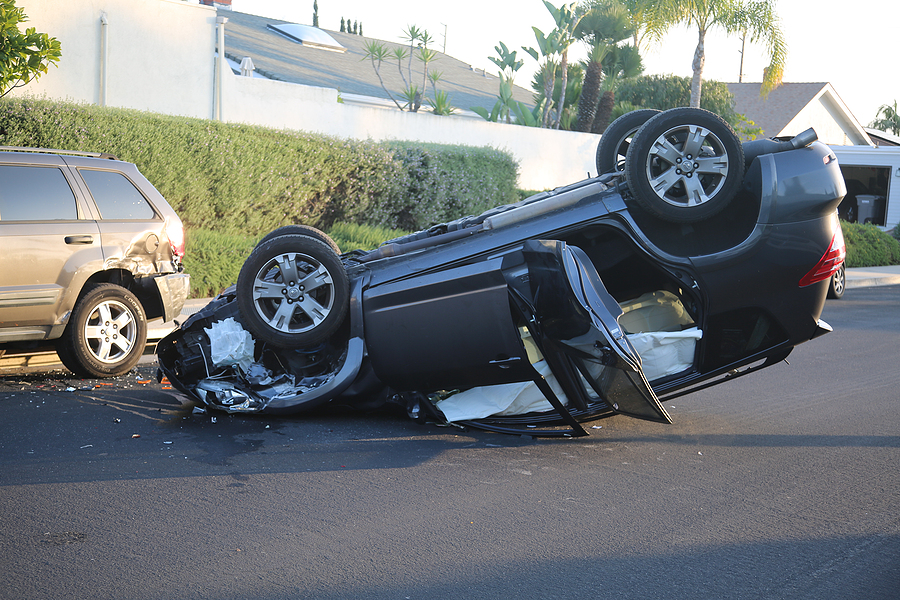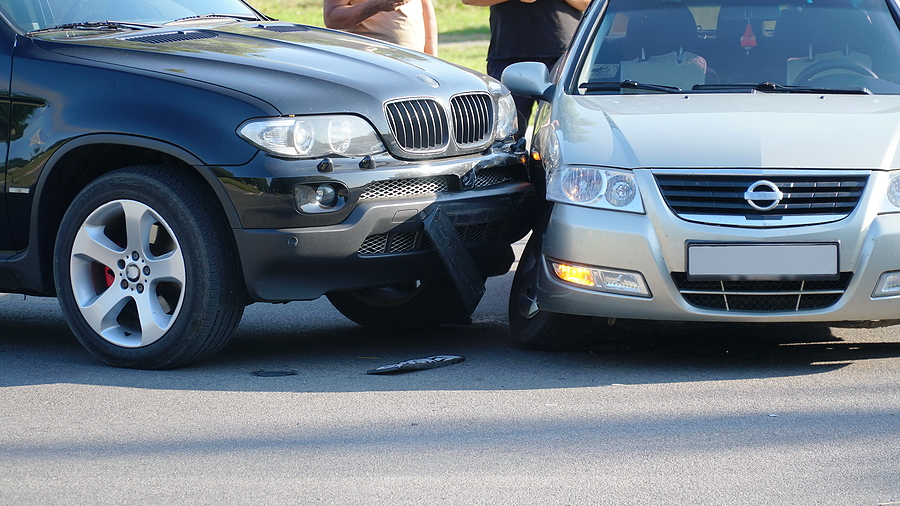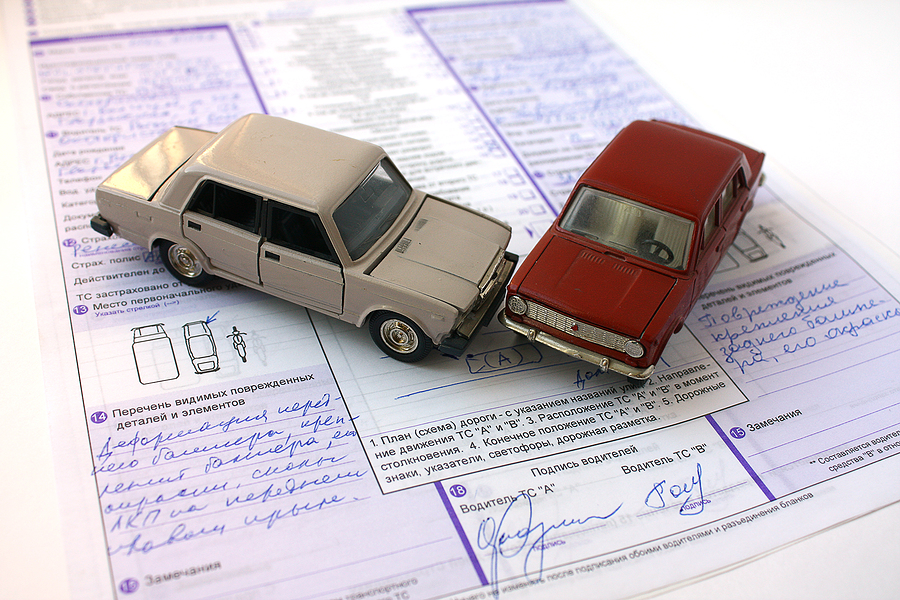
Each year, the lives of thousands are irrevocably altered by a choice of other drivers to multitask behind the wheel. Distracted driving has become a pervasive issue, and Distracted Driving Awareness Month reminds us of its grim realities and our collective responsibility to pave the road to safety. Here’s a comprehensive look at the dangers, impacts, and ways to prevent distracted driving, ensuring we all reach our destinations safely.
April is National Distracted Driving Awareness Month
Distracted Driving Awareness Month was launched to shine a spotlight on the perils of losing focus while driving. It’s a national observance that underlines the critical need for undivided attention when behind the wheel. What began as an initiative in a few states has now become an annual call-to-action across the United States.
A History of Recognition
Initially proposed by the National Safety Council (NSC) in 2010, Distracted Driving Awareness Month has gained widespread recognition. Policymakers, community leaders, and safety advocates join forces to educate the public about the dangers of driving while distracted, and the month serves as a reminder to take a deliberate stance against this preventable cause of car accidents.
The Stark Reality of Distracted Driving
The statistics paint a chilling image. According to the National Sheriff’s Association, approximately 9 people in the United States are killed each day in crashes reported to involve a distracted driver, while more than 1000 people per day are injured. So, in addition to fatalities, there are thousands of injuries annually from accidents that could have been avoided and these are conservative estimates.
Common Types of Distractions in the Driver’s Seat
What exactly is distracted driving, and what forms can it take? Distractions can be physical (taking your hands off the wheel), cognitive (taking your mind off driving), or visual (taking your eyes off the road). Here are some everyday examples of how these distractions can manifest.
Texting/Calling – The act of reading or sending a text message requires visual, cognitive, and physical attention—making it one of the most dangerous driving distractions. This seemingly simple task significantly increases the likelihood of a crash. The same goes for making and taking phone calls.
Eating – Munching on the move may seem harmless, but it imposes a significant cognitive load. Juggling a burger or soda can be as dangerous as any digital distraction.
Device Usage – GPS systems and smartphones have become indispensable tools, but their misuse can spell trouble on the road. Setting up directions while driving or looking at calls and texts diverts your attention away from what’s crucial.
Searching/Reaching – Reaching for something in the vehicle is another common cause of distraction. Whether it’s a tissue from the holder, lip balm in a purse, something for a child, or a dropped phone, these split-second distractions can be catastrophic.
The Consequences of Distracted Driving
The impacts of distracted driving extend far beyond the vehicle and the moment of a collision. Here’s a closer look at the ripple effects that reach out like shock waves from a point of force.
Accidents and Injuries – Car accidents due to distracted driving don’t just harm the people directly involved. They can affect pedestrians, cyclists, and other road users. Each incident spins a web of trauma and recovery that can last a lifetime.
Legal Matters – At a minimum, a distracted driving accident can result in a traffic violation. For more serious incidents, criminal charges may apply. Furthermore, civil suits often follow in the path of personal injury or wrongful death claims.
Financial Losses – From medical bills, vehicle repairs to legal fees, the financial repercussions can be considerable. The costs can be crippling for individuals and families, especially when they are not at fault.
Emotional Scars – The emotional toll is immeasurable. Survivors and those who have lost loved ones in car accidents due to distractions can endure mental anguish, post-traumatic stress disorder (PTSD), or survivor’s guilt.
Taking the Wheel Against Distractions
Tackling the pervasive problem of distracted driving calls for a multi-faceted approach that involves technology, policy, education, and stringent enforcement. Here’s what’s being done and what you can do to combat the issue.
New Technologies – Several companies have developed apps and devices designed to prevent smartphone use while driving. From passive-pairing systems in vehicles to cell phone apps that detect motion, tech is stepping in to keep us safe on the road.
Legislation – Laws vary by state, but many have banned handheld cellphone use. Some areas have implemented stricter penalties for distracted driving, acting as a deterrent. Advocates continue to lobby for more stringent regulations.
Marketing – Awareness campaigns use powerful messaging to inform the public about the dangers of distractions behind the wheel. These initiatives aim to ingrain safe driving practices through tailored content and community engagement.
How to Be a More Focused Driver
Personal responsibility is at the heart of combating distracted driving. Every driver has a role to play in ensuring safety on the road. Here are some steps you can take to maintain focus while driving.
Prioritize Your Attention – Allocate time for tasks like texting and eating before you put the car in drive. Planning a time and a place for these activities reduces the impulsive desire to engage in them while driving.
On the Lookout for Distractions – It’s not just your own habits you need to monitor. Be aware of other drivers on the road who may be preoccupied and adjust your driving accordingly to maintain a safe distance and react defensively.
Lead by Example – For parents and role models, being a good example plays a crucial role in shaping the habits of younger drivers. Show them the importance of focused driving by practicing it yourself.
Make a Personal Pledge – Pledge to drive distraction-free and encourage others to do the same. Share your commitment on social media to amplify the message and contribute to a cultural shift towards safer driving practices.
The Path to Justice for Car Accident Victims
In the unfortunate event of a car accident, understanding one’s legal rights and options is vital. Injured victims and their families struggle to come to terms with the emotional and financial aftermath, and seeking justice can provide a path to closure.
Navigating Legal Channels – Every state has its laws that can protect car accident victims. Understanding these laws is pivotal in ensuring fair treatment and compensation.
The Role of Legal Counsel – Retaining the services of an experienced car accident lawyer can provide crucial insights and advocacy. An auto accident attorney who is well-versed in personal injury law can help you pursue the full and fair compensation you deserve.
In Summary
Awareness months are more than just a bookmark in the calendar—they’re invitations to engage with important societal issues. Awareness is only as good as the action it inspires. Distracted Driving Awareness Month serves as a catalyst for change, but the responsibility for safe driving lies in each of our hands, every day, at every turn. Take this opportunity to drive the message home and make our roads a safer place for everyone.
If you have been injured by a distracted driver, don’t wait to explore your legal options. Speaking with a car accident lawyer can provide you with a roadmap for justice and compensation. By acting promptly, you can maximize the chances of a favorable outcome for your case.
If you or someone you know has been affected by a distracted driving accident, the time to act is now. Contact Craven, Hoover, and Blazek P.C. at 317-881-2700 to schedule a free initial consultation with a car accident lawyer in Indianapolis, Indiana. This is your opportunity to ask questions, understand the legal process, and determine the best course of action for your situation. Remember, time is critical!
Related Posts:
Understanding the Legal Consequences for Distracted Drivers
Information About Being Injured By a Driver Who Ran a Red Light
Can I Still Sue the Other Driver if My Car Accident Injuries Were Not Apparent at the Scene?