Are Schools Liable for Playground Injuries to Children?

Central Indiana weather has seemingly taken an early turn toward Spring this year, allowing students to enjoy recess outdoors more and more. If you have a child attending a public or private school, whether as a preschooler, kindergartner, or fifth-grader, it is very likely that they will be given access to a playground during recess time or after-school programs. With the rise in playground time, accidents and injuries are bound to happen. But what if your child is seriously injured on the playground? Is the school liable for the resulting damages? What if you signed a waiver?

Continue below to learn what you need to know about playground injuries to children and a school’s liability in the matter, plus which Indiana personal injury law firm to contact for further details regarding your unique case. 

Playground Accident Lawyers Indianapolis Indiana 317-881-2700

Playground Injuries at School

Although playground architecture and technology have come a long way since you were a kid, playground manufacturing defects and design errors are still a risk. Determining liability in these kinds of child injury accidents is more straightforward since it is generally the manufacturer or maker of the playground equipment that is responsible. But sometimes, child injury playground accidents occur as a result of a school’s negligence, not the playground manufacturer. In such cases, determining liability is a different process and largely varies from case to case.

A School’s Liability in Playground Accidents

Negligent supervision of a child can occur if teachers or appointed staff are not properly monitoring children who are playing on playground equipment. If the staff did not use reasonable care to ensure the students were protected and safe from foreseeable harm, they can be deemed negligent in a child injury case. For instance, if a teacher assigned to monitor children at recess leaves the students alone to take a bathroom break, and during that break a child is seriously injured because they were using the equipment incorrectly, this could be considered negligent supervision.  The school should almost always have more people supervising, especially since there are multiple students to supervise.

Aside from negligent supervision of children, a school’s negligence can cause playground injuries in other ways. One example would be poor or inadequate maintenance of playground equipment. For instance, if the school was aware or should have been aware that a bolt was loose, missing, or rusted out, but fails to correct the hazard, they can be deemed negligent conduct in a tort case if a child suffers injuries because of it. Or, if the school hires an unqualified contractor or company to repair the playground equipment, and an accident occurs due to improper repairs, the school can be considered negligent in the matter.

Playground Waivers

Virtually all schools, especially those with playgrounds on the premises, require parents and guardians to sign waivers for all registered students. Some schools even require the students to sign or initial these waivers. Such waivers are designed protect a school from any type of legal liability in the case of an accident that happens on school grounds or under the school’s supervision. Although these waivers have legal merit, they are not impenetrable. In similar cases throughout recent history, courts have given such waivers enforceability, but only to a certain extent and if they meet specific criteria.

School waivers might be found not legally binding by a court if they are not clear and explicit in language. If the terms of the waiver are faintly printed, in confusing legal jargon, or hidden in a small paragraph within a massive document, they might also be thrown out by the court. Oppositely, a school waiver might be enforced in the event of a child injury accident if the accident occurred as a result of ordinary negligence, rather than gross negligence.

It is important to consult with a licensed Indianapolis personal injury lawyer about your rights to pursuing legal action after your child was seriously injured at school. They have the knowledge and experience to explain your legal matters in a language you can clearly understand.

Not sure which Indiana law firm to trust with your child injury case? Contact the Law Office of Craven, Hoover, and Blazek P.C. at 317-881-2700 to schedule a free initial case evaluation with a skilled civil litigator about your child injury accident lawsuit in Indianapolis, Indiana. We represent injured persons throughout the state of Indiana.

Related Posts:

Can a Property Owner Be Held Liable for Injuries to a Trespassing Child?
Important Safety Concerns for Children’s Bounce Houses
Was Your Child Seriously Injured On a Trampoline?

Local Indianapolis Personal Injury Law Firm 317-881-2700
Schedule a Free Consultation!

Who Takes the Blame for a Chain Reaction Car Accident?

One of the most fundamental elements of an auto accident claim is determining liability. In most car accident cases, the at-fault party is fairly easy to point out. In such cases, the driver to blame for an accident would be responsible for the other driver’s resulting damages, such as auto repairs, medical expenses and pain and suffering. The at-fault driver’s insurance carrier would have to pay for the damages the at-fault driver caused.

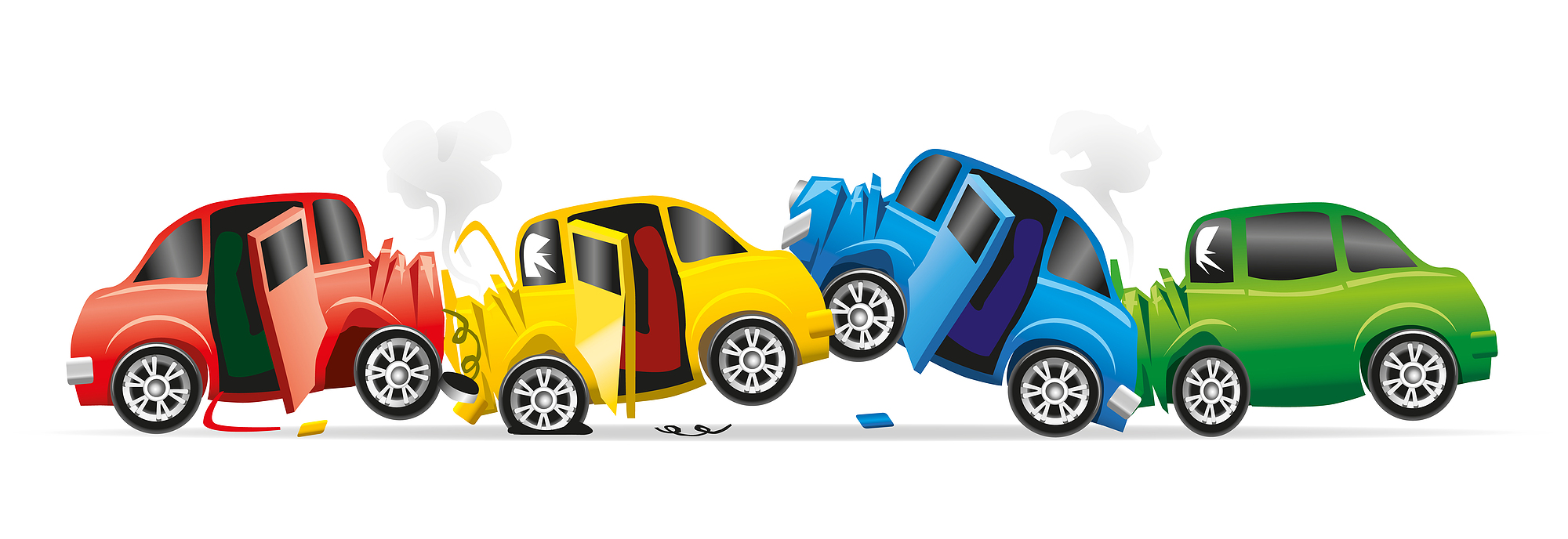
But when a car accident starts with one driver and continues down a line of other drivers in a chain reaction, who would be liable then? Would each driver that comes into contact with the vehicle in front of them be held liable? What if the driver in the back started the damaging domino effect?

Well, there is no straight answer really. These kinds of auto accidents can become complex, and therefore, require the guidance of a seasoned accident attorney. In the meantime, continue below to review some basic facts about chain reaction car accidents and liability, plus information on how to move forward with an Indiana auto accident injury claim.

Auto Accident Lawyers Indianapolis Indiana 317-881-2700

Chain Reaction Auto Collisions

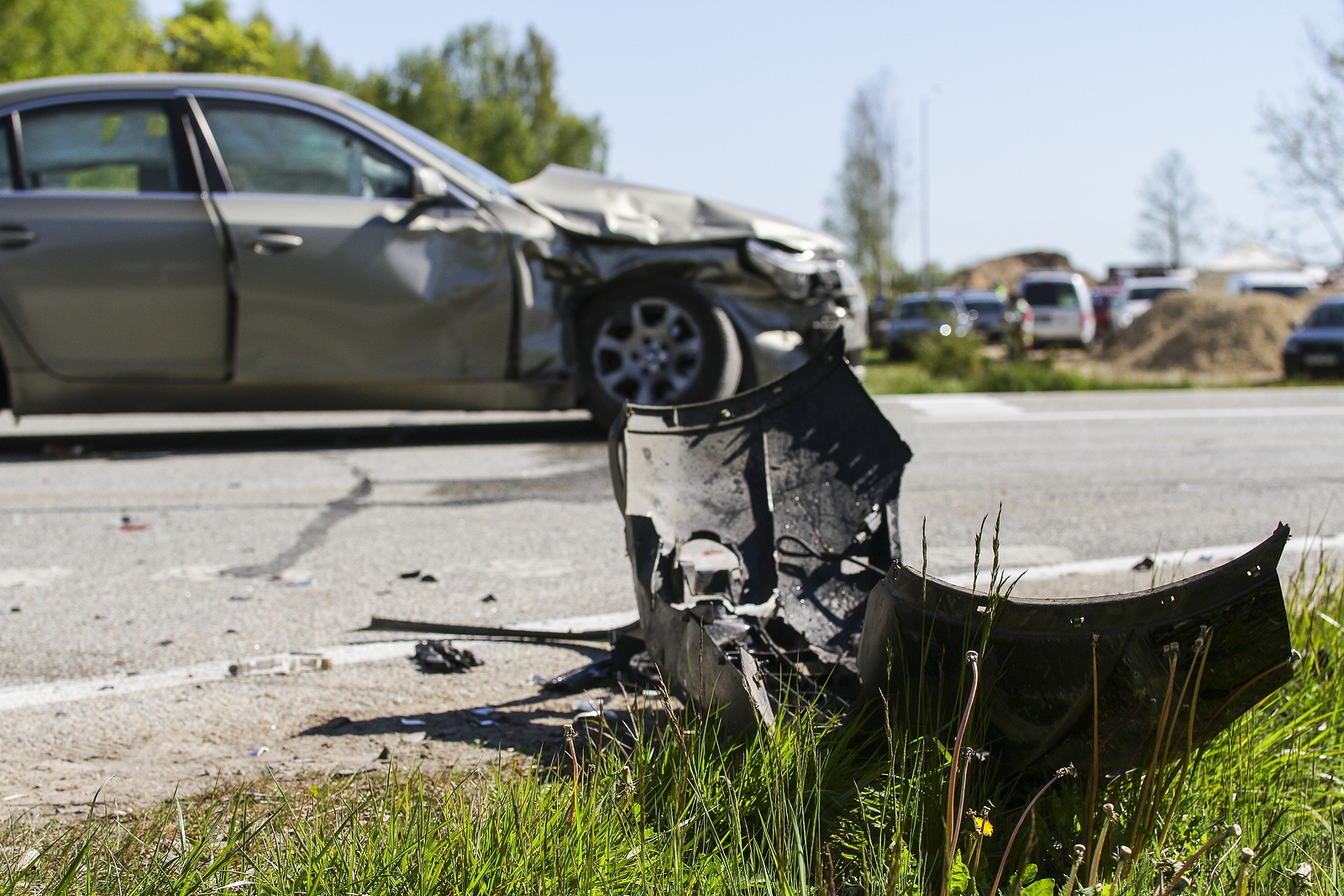
Domino-effect car collisions usually happen from the back and impact cars in the front. Imagine two cars are parked at a stop light and a drunk driver or inattentive driver approaching the light does not stop, or is unable to stop in time, thus colliding into the back of the second car in line, which causes that driver’s car to rear end the first car in line.

When the sudden and unexpected impact coming from the rear of a vehicle is so strong that it causes the vehicle to jerk forward and hit the vehicle in front of them, bodily injury sometimes occurs to everyone involved, including passengers. The most common types of injuries that result from chain reaction car accidents include whiplash, neck injuries, back injuries, hip injuries, spinal injuries, child injuries, concussions, and orthopedic injuries.

Assigning Liability in a Domino Effect Car Accident

When a person is wrongfully injured in a chain reaction car accident, they deserve justice in the form of compensation regardless of how many drivers were involved. Although such cases are sometimes challenging, it is possible for injured victims to recover damages with the help of a seasoned auto accident lawyer in Indiana.

As for assigning liability in a chain reaction car accident or pileup, Indiana uses a lengthy investigatory process to examine the details of the accident and each driver’s contribution. Here in Indiana, the most common causes for domino effect car collisions are impaired driving, speeding, and following too closely to the car in front. If you can avoid these behaviors, you can reduce your chances of being involved in a car accident of any fashion.

If you were recently hurt in a car accident that involved other drivers, seek out professional advice on your rights to pursing full and fair compensation through a personal injury claim. Contact the Law Office of Craven, Hoover, and Blazek P.C. at 317-881-2700 to schedule a free case evaluation with an experienced and compassionate auto accident lawyers in Indianapolis, Indiana. We represent clients throughout the state of Indiana, and can meet over phone, video, or in-person at our Indy-based office.

Related Posts:

Which Driver is Liable for a Rear End Accident in Indiana?
Who is Liable for Driveway Backup Accidents?
Types of Legal Liability for Driving Another’s Vehicle
Who is Liable When a Driver Hits a Pedestrian?

Local Indianapolis Personal Injury Law Firm 317-881-2700
Schedule a Free Consultation!

Is a Personal Injury Claim the Same as a Workers’ Compensation Claim? Claiming both?

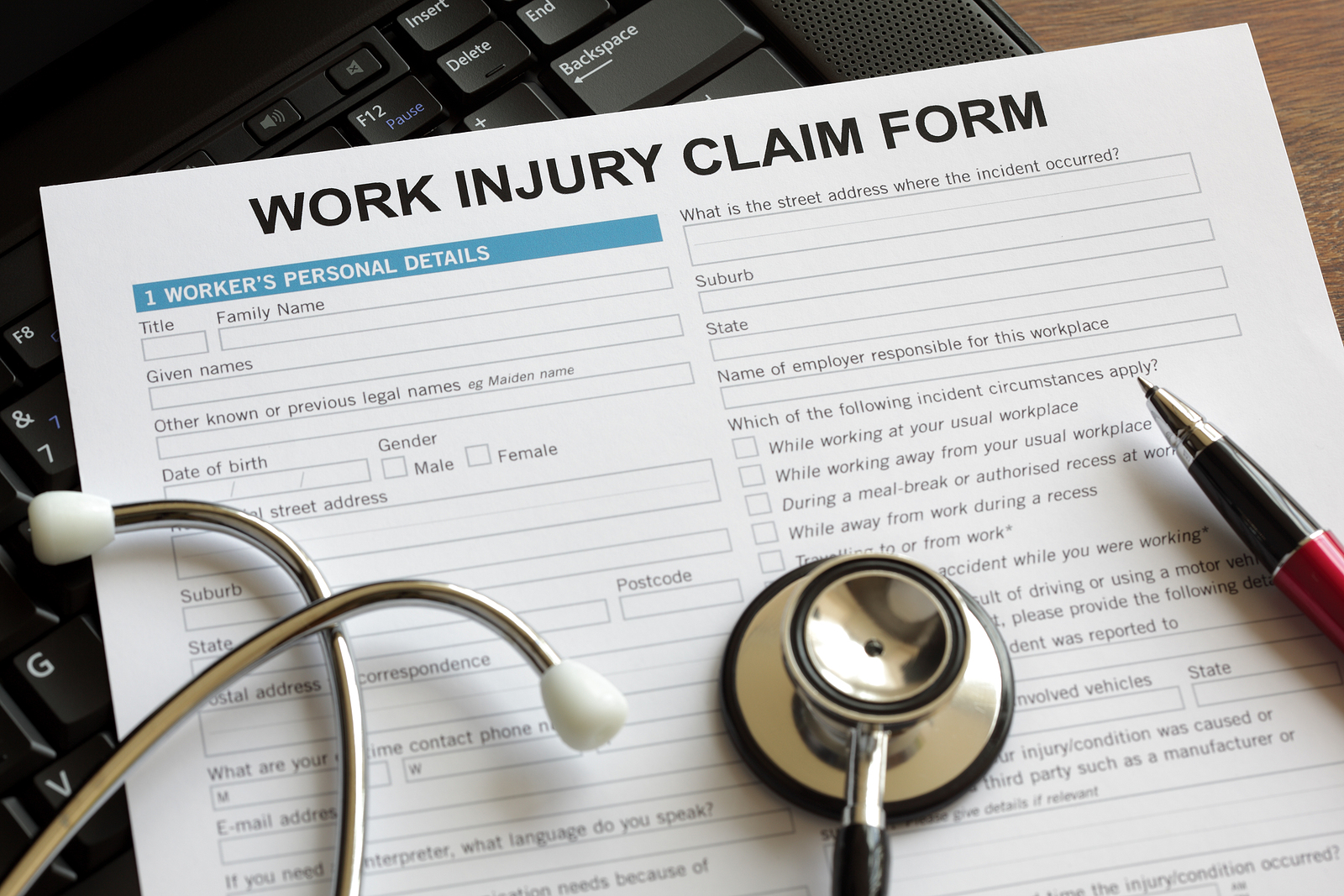
After suffering injuries and subsequent losses following a workplace accident, you may be wondering if you should file a personal injury claim or take advantage of your workers’ compensation benefits through a workers’ comp claim, or both. It is important to understand the difference between a personal injury claim and a workers’ compensation claim if you want to recover the full and fair settlement for your specific damages and losses.

Continue reading to learn the primary differences between the two types of injury claims, when you can claim both, plus where you can get trusted information and guidance regarding your recent accident in Indiana.

Workers' Compensation Lawyers Indianapolis IN 317-881-2700
Workers’ Compensation Lawyers Indianapolis IN 317-881-2700

The Requirement of Fault in a Tort Claim

One of the most fundamental elements of a tort case is fault. An entity (person, corporation, company, government agency, etc.) that is to blame for a civil wrongdoing can be held responsible, and thus their insurance carrier would be responsible for paying out any settlement or judgment, for paying out damages to the surviving victim or family of victims under Tort Law. However, the question of fault is one of the most important and primary differences between a personal injury claim and a workplace injury claim.

Personal Injury Claims Must Prove Fault

To recover damages in a personal injury case, the claimant party (the victim or family of victim) holds the burden of proving fault, meaning they must demonstrate that the opposing party was negligent or wrong in some way, which directly caused them harm. General damages awarded in personal injury cases include medical expenses (past, current, and future), hospital bills, lost wages from time off work, and similar calculable losses related to the victim’s accident and/or injuries.

However, special damages may also be awarded in a personal injury case for pain and suffering, mental anguish, permanent scarring or disfigurement, loss of earning capacity, loss of enjoyment of life, and similar losses that cannot be added up on a calculator.

Workers’ Compensation Claims Do Not Require Fault

A workers’ compensation claim does not require the injured party to prove fault. In fact, no fault needs to be established whatsoever, even in respect to OSHA violations and negligent or reckless management. Regardless of fault, injured workers can be entitled to workers’ compensation benefits, so long as they file a workers’ comp claim.

General workers’ compensation benefits include coverage strictly for quantifiable losses, like weekly earnings, hospital bills, medical expenses, permanent impairment benefits (if applicable), and vocational rehabilitation. Injured workers cannot generally sue their employer or employees for pain and suffering damages. There are exceptions to the rule, such as in the case of egregious or intentional torts.

Making Claims for Both

There are also situations where an injured party can make both a worker compensation claim and a tort claim at the same time.  For example, if a pizza delivery driver is delivering a pizza when he or she is rear-ended by another vehicle.  The injured driver could make a worker compensation claim through his employer and their insurance carrier since he was injured while on the job.  The injured worker could also seek a recovery under tort claims law from the defendant driver who rear-ended his vehicle and that person’s insurance carrier since he was injured as a result of tortious conduct by a person he was not employed by.

Talk to a Licensed Accident Lawyer in Indiana

When it comes to pursuing compensation after an accident or injury, it is best to consult with a seasoned Indiana personal injury lawyer who can explain your rights to recovering damages in a language you can clearly understand. It is also important to act fast because there are statutes of limitations on personal injury claims and evidence needs to be obtained before it disappears.

Would you like to speak with a trusted and experienced personal injury lawyer without any financial obligation? Contact the Law Office of Craven, Hoover, and Blazek P.C. at 317-881-2700 to schedule a free initial case evaluation for your personal injury claim in Indianapolis, Indiana. We represent clients throughout Indiana and Indiana citizens injured anywhere and can meet over the phone, via the internet, or in person at our Indy-based office.

Related Posts:

When is an Injured Employee Ineligible for Workers’ Compensation Benefits?
Can I Quit My Job if I Am on Workers’ Compensation?
Reasons Why Some Personal Injury Claims Take Longer to Settle than Others

Local Indianapolis Personal Injury Law Firm 317-881-2700
Schedule a Free Consultation!

The Difference Between Special and General Damages in an Accident Settlement

When it comes to personal injury settlements, there are two primary categories of financial payment (damages) awarded to victims or survivors of victims: general damages and special damages. Such damages are awarded based on the specific losses incurred by the claimant or claimants.

Continue below for a brief description of general and special damages, including how they compare to one another and where you can find more information pertaining to your recent, wrongful accident in Indiana.

Accident Law Firm Indianapolis Indiana 317-881-2700

The Purpose of Personal Injury Damages

Under tort law, when a person is a victim of negligence, which a is a failure to use reasonable care, a judge or jury may award damages to compensate them for their injuries and losses. Such damages can range from lost paychecks and medical bills to pain, suffering, and more. To measure the value of damages, a court must consider the losses and injuries of an accident victim’s body, mind, property, and overall quality of life. Personal injury settlements are designed to help accident victims or surviving family get back to the same state of life they were in before the accident and to fairly compensate the victim for what they experienced and will experience in the future.

Although there are several types of personal injury damages that may be awarded in a settlement, the two main categories are general damages and special damages.

Special Damages

Also referred to as compensatory or economic damages, special damages are the calculable to a large extent, losses suffered by a personal injury victim. They include hospital bills, medical expenses, lost wages from missing work, mileage to and from doctor’s appointments, property damages (in some cases), and similar precise values that can be added up with a calculator.

General Damages

General damages are also referred to as non-economic damages. These are damages that cannot be measured by a calculator, such as pain, suffering, metal anguish, PTSD, prolonged physical therapy or medical treatment, permanent disfigurement or scarring, and other conditions that cause a personal injury victim to lose overall enjoyment of life.

It is common for a personal injury victim to be entitled to both kinds of damages. Additional categories of damages that may be awarded in a personal injury lawsuit include punitive damages and future damages.

How to Determine Your Damages and Losses After an Accident

If you are wondering which damages you or your family are entitled to after being seriously injured in a wrongful accident, it is necessary to consult with an experienced Indiana personal injury lawyer. Accident attorneys can provide a free case evaluation that will allow you to discuss your questions and concerns with a licensed professional.

There are many ways a personal injury lawyer can prove your damages.  You should save all medical bills, receipts, and any other type of documentation that shows the effects of your injuries. You should also save records showing when you missed work.  You attorney will also help in obtaining the information for your claim.

Not sure which personal injury attorney in Indiana to choose for help you with your case? Contact the Law Office of Craven, Hoover, and Blazek P.C. at 317-881-2700 to schedule a free case evaluation with a seasoned Indianapolis Indiana accident attorney you can trust to recover the settlement or verdict you deserve. We represent victims all throughout the state of Indiana and Indiana residents injured in other states.

Related Posts:

Can I Receive Personal Injury Compensation Without Filing a Lawsuit?
The Difference Between General Damages and Punitive Damages
Legal Facts About Pain and Suffering Damages in Indiana

Local Indianapolis Personal Injury Law Firm 317-881-2700
Schedule a Free Consultation!

Top 4 Questions to Ask a Personal Injury Attorney After a Serious Accident

Following a serious and wrongful accident, walking into a first consultation with a personal injury lawyer can feel overwhelming. To help ease any concerns or anxiety you might have about meeting with an attorney to discuss all your legal options for recompense, it is helpful to have some critical questions prepared ahead of time.

Continue below to review the top 4 questions to ask a Indiana personal injury lawyer at your initial case evaluation. These questions will help streamline your consultation, placing you on the right track toward success.

Personal Injury Lawyers Near Me Indiana 317-881-2700

What to Ask a Personal Injury Lawyer at Your Case Evaluation

Do I Have a Personal Injury Case?

Asking a lawyer about the validity or strength of your case is one of the basic and most essential inquiries to ask at a personal injury case evaluation. No one wants to waste anytime beating around the bush. Ask your injury attorney if the incident was most likely caused by another’s negligence, if you or your family are entitled to compensation for your damages, and how to file a claim. Which leads us to the next important question.

If a personal injury claim is valid, you should be entitled to remuneration for your economic damages, including lost wages, medical expenses, hospital bills, at-home nursing, long-term hospitalization, pain and suffering and much more. More specifically, you should be asking your lawyer how much compensation you are entitled to, and perhaps even what similar cases have paid out in the past.  Obviously, the value of a case will largely be dependent upon the strength of the evidence and how long a person does or does not need on-going medical treatment and how long the injuries last.

How Much is My Case Worth?

The settlement you may collect largely depends on your total compensatory damages and losses, including lost wages, lost wages, hospital bills, medical expenses, mileage to and from doctors’ appointments, partial or permanent disability, and more. Settlements may also include non-economic or punitive damages as well, like pain and suffering, mental anguish, partial or permanent disability, permanent disfiguration, prolonged rehabilitation, loss of companionship, diminished quality of life, pain medication dependencies, reduced quality of life, and more. In order to truly know how much your case is worth, you must consult with a licensed Indianapolis IN personal injury attorney.

Will My Case Go to Trial?

There are various factors that influence the outcome of a settlement. Whether a claim gets settled out of court or goes to trial depends on many details of a particular case. For most plaintiffs, a personal injury lawyer in Indianapolis assists with this part of the process. They are prepared to go to court for their clients but do everything in their power to avoid it and settle out of court instead. In most cases, personal injury claims are settled out of court.

How Much Will Lawyer and Legal Fees Cost Me?

Although not all, most personal injury law firms get paid on contingency. This means that clients do not have to pay the law firm for their services if the lawyers are unsuccessful at recovering a settlement or verdict for them. When clients do receive a settlement, lawyers will be paid a percentage of that settlement as defined in the lawyer-client agreement. This can range anywhere from 33 and 1/3% to 40%, depending on various factors.

In addition to paying the lawyers, personal injury clients will owe additional expenses and court costs. For these expenses, the attorney will front them and will just reimburse themselves out of any settlement or verdict if the case is won.  Expenses would include things like copies, postage, filing fees, costs to obtain copies of medical records, and doctor reports and depositions if necessary.  

Are you looking for a motivated Indiana personal injury law firm to represent you or a loved one? Contact the Law Office of Craven, Hoover, and Blazek P.C. at 317-881-2700 to schedule a free personal injury case evaluation. We represent clients throughout the state of Indiana.

Related Posts:

Tips for Your First Meeting With a Personal Injury Lawyer
How Much Does a Personal Injury Lawsuit Cost?
How Does a Personal Injury Lawyer Decide to Take a Case?

Local Indianapolis Personal Injury Law Firm 317-881-2700
Schedule a Free Consultation!

Is it Affordable to Hire a Personal Injury Attorney?

When a person is wrongfully injured in an accident, life can abruptly change for them and their loved ones. Being wrongfully and seriously hurt by another’s negligence is traumatic, overwhelming, painful, challenging, frustrating, and even depressing. When tragedies like this strike, victims need a reputable personal injury attorney on their side who will fight for their rights to a full and fair accident settlement check. Unfortunately, many people choose to not pursue a lawsuit or claim against negligent parties because they believe they cannot afford proper legal counsel. This is not the case.

Continue reading to learn what you need to know about the costs associated with hiring a personal injury lawyer, plus where to find compassionate and great legal representation in Indiana.

Indiana Personal Injury Law Firm 317-881-2700

Personal Injury Legal Services are Affordable For Everyone

When someone is seriously hurt in an accident because of another person or entity’s negligence, they are entitled to compensation for their damages. When a victim has less fault in an accident they were injured in than the party who caused the accident and acted negligently, an Indianapolis personal injury law firm can prove in a court of law that the victim is owed fair remuneration for the damages. When it comes to paying for an attorney to represent you in a personal injury claim, you don’t have to worry about upfront fees or costs.

Accident Lawyer Fees are Contingent

Most personal injury firms do not collect attorney fees unless they recover a settlement or verdict for you in your case. So, their payment is contingent on whether they are successful with your case. Such lawyer fees are referred to as contingency fees. Firms that use this payment model generally offer free initial consultations, allowing them to discuss a victim’s case without obligating the potential client to pay out of pocket.

Upon consulting, a personal injury lawyer will assess a victim’s claim and determine if they are eligible to pursue legal action and recover compensation through a settlement or verdict. If they believe their client is entitled to recompense, they will take on their case and represent them for free until they can win them full and fair compensation for their damages.

Common Personal Injury Claim Damages

Damages to be recovered in a personal injury case can vary depending on the nature of the accident, type of injury, extent of injury, and many other factors. However, common personal injury damages awarded to victims and survivors of wrongfully killed victims include lost wages, medical expenses, hospital bills, pain, suffering, mental anguish, prolonged rehabilitation, loss of consortium, and much more. An Indiana personal injury attorney can make it simple for victims to pursue an accident claim or lawsuit, without the injured client risking thousands of their own dollars in pursuing and proving the case.  We at Craven, Hoover & Blazek, P.C. will pay for the investigation of the case, pay for medical records, photos, videos, doctor reports, depositions, etc… and then when the case is resolved, we simply get reimbursed for those expenses. 

How to Get Started

If you have asked yourself if you can afford an Indianapolis IN accident lawyer, the answer is, “yes!” Anyone, no matter their level of income, cash availability, or savings, can afford a personal injury attorney if they have a valid claim and case. They can even have their claim examined by a licensed attorney for free, to determine if they have a valid claim. All you must do is find a trusted Indiana law firm concentrating on personal injury cases and contact them for a free case evaluation.

Are you looking for a skilled and qualified personal injury lawyer to represent you in your Indiana-based accident claim? Contact the Law Office of Craven, Hoover, and Blazek P.C. at 317-881-2700 to schedule your free case review with a licensed accident attorney in Indianapolis, Indiana. We represent clients throughout the State of Indiana. Our personal injury attorneys can hold consultations over phone or video, or in person at our office.  We represent injured persons and the survivors of those wrongfully killed throughout the state of Indiana.

Related Posts:

Do I Need to Hire a Personal Injury Lawyer for My Accident Claim?
The Best Advice for Interviewing a Personal Injury Lawyer
How Much Does a Personal Injury Lawyer Cost?

Local Indianapolis Personal Injury Law Firm 317-881-2700
Schedule a Free Consultation!

Can I Quit My Job if I Am on Workers’ Compensation?

Are you currently receiving workers’ compensation benefits from a recent workplace or work-related injury? If so, it might be in your best interest to maintain your employment for the time being. Wanting to quit your job after suffering injuries in a workplace accident is understandable, but when you are on workers’ comp, it is not always the wisest choice.

Continue reading to learn more about workers’ compensation benefits, and how quitting your job could cause issues. 

Worker Disability Lawyer Indianapolis Indiana 317-881-2700

Employment and Workers’ Compensation

Whether you can quit a job you are receiving workers’ compensation benefits at depends on a wide range of factors, from the state you live in and the status of your recovery to the benefits you are eligible for, why you wish to leave your position, and much more. For this reason, and because the matter of maintaining employment while on workers’ compensation is not a cut-or-dry matter, it is strongly encouraged to seek advice from a licensed and qualified Indiana workplace injury lawyer.

Medical Expenses and Hospital Bills are Covered Under Workers’ Comp Benefits

If you are injured on the job or while performing work-related duties, all of your medical expenses and hospital bills will be covered under your workers compensation benefits. Even if you quit your job, these benefits are still available to you. After all, your injuries from your work-related accident do not suddenly heal themselves if you decide to terminate your position at your place of employment.

COMMON MEDICAL EXPENSES:

▶ Medical Treatments
▶ Hospitalization
▶ Surgery
▶ Rehabilitation
▶ Physical Therapy
▶ Medications
▶ Mileage to Doctor’s Appointments
▶ Medical Devices (Wheelchairs, Crutches, Braces, Etc.)

Once the worker compensation judge that you have reached maximum medical improvement (MMI), which means your condition cannot be improved by further treatment, your workers’ compensation benefits for medical expenses and hospital bills will at least partially end. The judge makes his or her decision based upon the opinion of the doctor chosen by the worker compensation carrier, your own physician and sometimes a physician chosen by the judge. However, this does not mean that all workers compensation benefits have been extinguished. As a result of your workplace accident and injuries, you could require compensation for future medical care, medications, medical devices, and other future losses, such as partial or permanent disability and loss of inability to return to full employment.

Coverage for Lost Wages

When an injured worker is recovering from a workplace accident, they are unable to earn wages in the same way they were able to before the accident. Workers’ compensation benefits are designed to cover such losses, thus bridging the financial gap between leaving work and returning to work. However, the essential term here is worker. If a worker quits their job, there is no returning to their job, which can cause them to lose their worker’s compensation benefits.

Temporary and Permanent Disability

There are different types of categories an injured worker can be placed in depending on the degree of their impairment. These categories include Temporary Total Disability (TTD), Temporary Partial Disability (TPD), Permanent Partial Disability (PPD), and Permanent Total Disability (PTD). With temporary disability benefits, an injured worker generally receives 2/3rds of their average weekly pay. Injured workers who have suffered permanent disabilities will generally receive a lump-sum settlement, but in other cases may receive continued worker’s compensation payments. 

ADDITIONAL FACTS TO CONSIDER:

☑ Quitting a job while on workers’ compensation may have a negative effect on your settlement.

☑ Never quit your job before making a workers’ compensation claim.

☑ If you are classified as TTD, but your employer does not have light duty work available, you can still receive workers’ comp benefits.

☑ If you quit while receiving workers’ compensation benefits, this can cause issues.

You have the right to quit your job on workers’ compensation, and no one will stop you, but understand that there is a risk when it comes to receiving the full and fair benefits you deserve. Talk to a workplace injury lawyer first, before making any decisions about your employment.

Are you having trouble understanding your workers compensation benefits in Indiana? Contact the Law Office of Craven, Hoover, and Blazek P.C. at 317-881-2700 to speak with a licensed and experienced workers’ compensation attorney in Indianapolis, Indiana. We offer free initial consultations, over the phone, via online video conference, or in person at our Indy office. Our accident lawyers represent injured persons all throughout the state of Indiana.

Related Posts:

General Workers’ Compensation Benefits and How to Claim Them
Were You Involved in an Accident While Driving Your Company Car?
Common Warehouse Accidents Covered By Workers’ Compensation

Local Indianapolis Personal Injury Law Firm 317-881-2700
Schedule a Free Consultation!

Most Common Auto Accident Injuries and What Causes Them

In 2019 alone, statistics revealed that there were an estimated 230 million licensed drivers in our country. With so many people driving a wide array of motor vehicles on the road, car crashes are bound to happen, and some of them are very serious and deadly.

According to the Environmental Protection Agency (EPA), a 2020 report suggests that the average motor vehicle weighs 4,156 pounds. Larger-than-average vehicles are even heavier, and when coupled with high speeds, are essentially the equivalent of a deadly weapon. As a result, car accidents tend to cause a lot of damage, both property damage and bodily injury, and in worst-case scenarios, fatalities.

Continue reading to learn the common kinds of auto accident injuries, what causes them, and how to verify your eligibility to pursue legal action against a wrongful driver or automaker.

Traffic Accident Lawyer Indianapolis Indiana 317-881-2700

Typical Causes of Traffic Accidents and Fatalities

The National Highway Traffic Safety Administration (NHTSA) reports that in the year 2018, more than 2.7 million car crashes occurred, 36,000 of which resulted in a fatality. This devastating statistic shows how real the risks are when it comes to accidents involving motor vehicles. The most common causes of car accidents include reckless driving, distracted driving, intoxicated driving, and speeding.

Distracted Driving

Distracted driving is a serious cause of motor vehicle accidents and car crashes in the United States, and even all across the world. Common examples include texting, making phone calls, changing the GPS settings, applying makeup, looking through briefcases/purses, grabbing items from the backseat, and similar behaviors that take drivers’ eyes off the road for more than a second. Fatigued driving is another common type of distracted driving but may also be categorized as reckless driving depending on the circumstances.

Reckless Driving

Reckless driving is considered a more serious offense because it is typically a conscious choice. Those who drive recklessly are generally aware that their behavior is reckless or negligent. Common examples of reckless driving include speeding, running red lights, changing lanes abruptly without using signals, cutting off other drivers, driving with no hands on the steering wheel, driving at night without headlights on, tailing other cars, driving over sidewalks, ignoring traffic signs and signals, and similar careless behaviors.

Intoxicated Driving

Intoxicated driving is illegal and can lead to both criminal and civil penalties. Furthermore, intoxicated driving refers to driving under the influence of alcohol, illicit drugs, or controlled substances. Drunk drivers have a blood alcohol level (BAC) of 0.08 or higher. Driving under the influence of drugs like marijuana, methamphetamines, opiates, and hallucinogens is also considered intoxicated driving. Controlled substances are OTC and prescribed medications like prescription pain killers, sleeping pills, anxiety medications, and similar medicines that cause drowsiness and/or inebriation.

Speeding

Speeding can also be considered a form of reckless driving. It is a top cause of serious car accidents and fatalities. In fact, the National Safety Council reports that 26% of the total traffic fatalities occurring in 2018 involved speeding. Speed limits are set because they are the safest speed to operate a vehicle while remaining in full control. At higher speeds, driver control is significantly reduced, which can lead to serious auto collisions.

Common Auto Accident Injuries

Although every motor vehicle collision is different, most car crashes tend to result in the similar of injuries. The most common auto accident injuries include whiplash, as well as injuries to the head, chest, arms, and legs.

Whiplash is by far the most common resulting car accident injury. Collisions tend to cause the neck and head to whip forward and backward and side to side very quickly. The severity of whiplash can vary on a spectrum from minor injuries, like stiffness or soreness of the neck and headache, to more serious and concerning injuries, like significant neck pain, permanent neck pain, dizziness, tinnitus, migraines, loss of vision, back pain, and neck injuries.

Head injuries are unfortunately common when it comes to serious car accidents. Head injuries can range from minor to major. Minor head injuries caused by car accidents may include headaches, dizziness, nausea, vomiting, and light sensitivities, although these can be more serious depending on how long the symptoms last. More serious car accident head injuries include concussion, loss of consciousness, traumatic brain injuries, impaired thinking, loss of movement control, and loss of sensations.

Injuries to the chest, arms, and legs are another common result of auto accidents. Chests are often impacted by air bag deployment, which can lead to minor injuries like burns, bruises, or soreness, again, depending on how long the symptoms last. Chests of drivers and passengers can also be injured by blunt force trauma from an impact with another vehicle or structure. More serious chest injuries include broken ribs, lung punctures, organ ruptures, and other internal injuries or bleeding. Arms and legs can be severely burned, maimed, disfigured, or severed in serious car crashes. Orthopedic injuries, like shoulder and pelvic injuries, are also common in car accidents.

Are you a victim of a reckless or negligent car accident in Indiana? Contact the Law Office of Craven, Hoover, and Blazek P.C. at 317-881-2700 to schedule a no-risk, no-fee personal injury consultation with an experienced car accident attorney in Indianapolis, Indiana. We also represent injured persons throughout the state of Indiana and Indiana residents injured in other states.

Related Posts:

How to Make an Injury Claim Against a Drunk Driver
Can I Receive Personal Injury Compensation Without Filing a Lawsuit?
Top 5 Tips for Safe Driving in Indianapolis

Local Indianapolis Personal Injury Law Firm 317-881-2700
Schedule a Free Consultation!

When Can a Slip and Fall Accident Lead to a Lawsuit?

Whether you fell at your apartment complex due to landlord negligence or at a local retail store because of a slippery surface hazard that was not properly maintained by the store owner or tenant, a slip and fall accident can be quite serious and lead to severe, long-lasting injuries. In such cases, an accident lawsuit may ensue.

Continue below to learn some basic facts about slip and fall accident cases, including when a lawsuit might be necessary.

Slip Fall Lawyers Indianapolis Indiana 317-881-2700

Personal Injury Slip and Fall Accident Claims

A slip and fall accident in Indiana can turn into a personal injury case if in the situation, a hazard of some sort was on the property and was neglected by the property owner or tenant. As a result, this hazard caused harm to another person by causing them to slip and fall. A slip and fall situation can result in serious injuries, and sometimes, not right away. After a slip and fall accident, many people get right back up and go on with their day, only to notice days or weeks and sometimes even months later that they are having severe back pains or other injury related issues. 

Slip and fall accidents are categorized under Tort Law, meaning the injury was caused by someone else’s negligence, or someone else can be held accountable for your injuries. If a property owner knows or should know through routine inspections about a potential danger lurking on their premises, or a hazard of some sort, they are obligated by law to take responsibility for the danger immediately. If the hazard is never tended to or never discovered due to a lack of inspections, and it subsequently causes another person harm or loss, then the owner can face legal damages which the owner’s insurance carrier would be responsible for paying.   

Common Slip, Trip, and Fall Injuries

Slipping and falling can cause a number of injuries to a person, ranging from minor to major. Some minor personal injuries include sprained ankles, broken toes, lesions and bruising, scrapes, burns, and scratches. Some major injuries are broken backs, hips, or necks, shattered pelvis, knocked unconscious and brain injuries, and worse.

Hire a Personal Injury Lawyer After a Slip and Fall Accident

If you have been involved in a slip and fall accident, it is recommended you hire an Indiana personal injury attorney to represent your rights.  A victim can recover damages for lost wages, medical bills, legal fees, pain and suffering, and more.  The law is tricky and hard to understand unless you are trained in the industry.  An experienced personal injury law firm in Indianapolis can help with most types of slip and fall cases.  To further understand your rights as a victim of a wrongful accident or injury, you want to consult with a knowledgeable accident attorney that can speak to you in a language you can understand.

Don’t let a serious accident stop you from collecting what you are legally entitled to. Get compensation for pain, suffering, lost wages, and more with the help of a licensed accident lawyer.  With many stores and other locations having surveillance cameras set up everywhere, it is vital to obtain legal representation immediately after a fall as negligent parties can and will destroy the video evidence of not only the fall itself but video of when the product got on the floor and when and by whom the last inspection was supposedly performed, even though they know a person fell and was injured on their property.

Not sure how to get started with a personal injury slip and fall accident claim in Indiana? Contact the Law Office of Craven, Hoover, and Blazek P.C. at 317-881-2700 to schedule a free personal injury case evaluation with a seasoned slip and fall accident attorney in Indianapolis, Indiana.  We have also successfully represented premises liability cases for big box stores like Walmart, Lowes, and Menards. We can meet with you over the phone or computer, or in-person at our Indianapolis law office.

Related Posts:

Common Slip and Fall Code Violations
Facts About Premise Liability Policy For Small Business Owners
What Causes the Most Slip and Fall Accidents?

Local Indianapolis Personal Injury Law Firm 317-881-2700
Schedule a Free Consultation!

General Workers’ Compensation Benefits and How to Claim Them

An employer’s workers’ compensation coverage provides certain payments for those injured on the job. Continue reading to learn some of the most common workers’ compensation benefits, how to claim them after a workplace injury, and what you can do if they are not adequate to cover your damages and losses.

Worker Accident Claims Indianapolis Indiana 317-881-2700
Legal Assistance With Worker Accident Claims – Indianapolis Indiana 317-881-2700

Workplace Injuries and Damages

It is common for people who are injured on the job to collect workers’ compensation benefits. The amount of compensation and degree of benefits received by injured workers largely depends on what state the employer is located in and the extent of the injuries or damages. Damages can include but are not limited to lost wages, medical expenses, hospital bills, permanent partial impairment rating (PPI ratings) and sometimes other damages.

Workers’ compensation should cover damages caused by a workplace accident or injury It is wise to hire an Indianapolis personal injury attorney who concentrates on workers’ compensation cases to recover the full and fair recompense deserved.

Most Common Types of Workers’ Compensation Benefits

Not all workers’ compensation claims are for physical injuries. Although most involve some sort of bodily harm, mental anguish or trauma can be just as damaging. Sometimes, personal injury cases can involve assault/battery, contracting a work-related illness or disease, experiencing an armed robbery or other gun related attack, and more. Either way, the common coverages and benefits received from workers’ compensation claims are as follows:

☑ Paid Hospital Bills, Medical Expenses, Physical Therapy, Medical and Vocational Rehabilitation, Doctor Visits, Counseling, Prescriptions, Etc.

☑ Paid Weekly Earnings for Time Off Work Longer than One Week (2/3 of Average Weekly Pay-400 Week Maximum)

☑ Benefits for Dependents in the Case of a Wrongful Death at Work 

☑ Travel Expenses (If Applicable)

A Workplace Injury Lawyer Can Help You Recover the Most Benefits

There are sometimes other types of benefits available to those injured on the job, however, they vary depending on the company’s policies, insurance coverage, the extent of injury, and much more. If you wish to recover the full and fair remuneration you and your family deserve after your workplace accident or injury, your best course of action is to hire a personal injury lawyer in Indianapolis who is well-versed and experienced in workers’ compensation cases.

A certified and skilled Indianapolis workers’ compensation lawyer can provide comprehensive case support from start to finish. They retain the proper resources, experience, and knowledge to navigate your workers’ compensation claim so that your focus can be placed solely on your recovery. Just be sure the Indiana personal injury law firm you select employs attorneys with extensive trial and litigation experience in workers’ compensation cases. This effort will further ensure you are choosing a lawyer that can successfully navigate your claim and have a better chance of recovering for your damages and losses.

Not sure which personal injury law firm to choose for your workplace injury case? Contact the Law Office of Craven, Hoover, and Blazek P.C. at 317-881-2700 to schedule a free personal injury case evaluation with a seasoned workers’ compensation lawyer in Indianapolis, Indiana. We represent clients throughout the state of Indiana.

Related Posts:

Common Warehouse Accidents Covered By Workers’ Compensation
Were You Involved in an Accident While Driving Your Company Car?
Facts About Electrocution and Electric Shock Accident Lawsuits

Local Indianapolis Personal Injury Law Firm 317-881-2700
Schedule a Free Consultation!