How a Personal Injury Lawsuit Can Help Drunk Driving Accident Victims in Indiana

The moment an accident with a drunk driver shatters the peace, the life of the victim changes irreversibly. The consequences of such a catastrophic event ripple through every aspect of the victim’s life – health, finances, and emotional well-being. In the state of Indiana, these victims are often left wondering where to turn, how to seek justice, and what recourse they have against the driver who so recklessly endangered them.

This blog post will explore how personal injury lawyers in Indiana play a crucial role in helping victims of drunk driving accidents rebuild their lives, secure rightful compensation, and hold the negligent parties accountable for their actions.

Call 317-881-2700 For Help With Your Drunk Driver Injury Claim in Indianapolis Indiana

Local Drunk Driving Statistics are Alarming

In recent years, drunk driving has become a major concern in Indiana. According to the National Highway Traffic Safety Administration (NHTSA), Indiana ranks among the top 10 states with the highest number of alcohol-impaired driving fatalities. In 2019 alone, there were 109 alcohol-related fatalities on Indiana roads. This accounts for almost a quarter of all traffic fatalities in the state. Drunk driving not only puts the lives of those who choose to drink and drive at risk, but it also endangers innocent individuals who are sharing the road.

Common Damages Suffered By Drunk Driving Accident Victims

Drunk driving is a serious offense that can result in severe injuries and death. While the immediate consequences of drunk driving are well-known, there are also long-term effects that accident victims may suffer from.

Physical Trauma – One of the most common damages suffered by accident victims injured by a drunk driver is physical trauma. Collisions involving drunk drivers often result in serious injuries such as broken bones, spinal cord injuries, and traumatic brain injuries. These injuries can have long-lasting effects on the victim’s physical health, potentially leading to permanent disabilities or chronic pain.

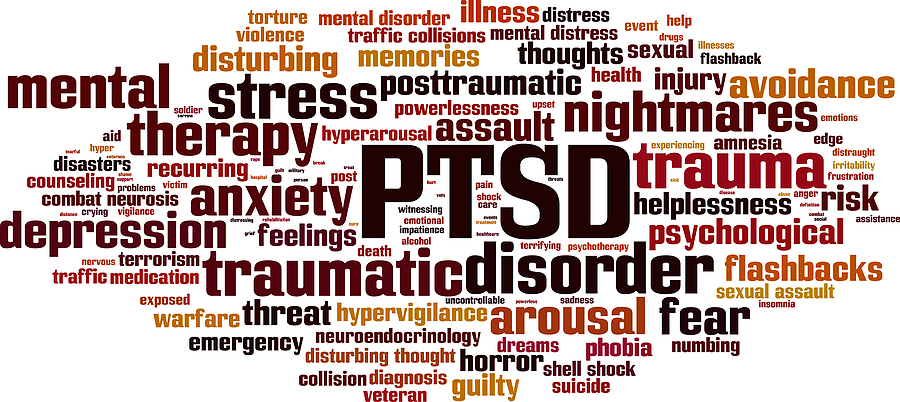
Emotional Trauma  – In addition to physical trauma, accident victims may also suffer from emotional and psychological damages. Being involved in a drunk driving accident can be a traumatic experience that leaves victims with anxiety, depression, and post-traumatic stress disorder. These emotional damages can greatly impact a victim’s quality of life and may require ongoing therapy or treatment.

Financial Losses  – Financial damages are also common among accident victims injured by a drunk driver. In addition to medical expenses, victims may also face lost wages due to being unable to work while recovering from their injuries. They also incur property damages for their vehicle. In severe cases, the victim may be unable to return to their previous job or may require ongoing medical care, resulting in long-term or permanent financial consequences.

Social Challenges – Drunk driving accidents can also have a significant impact on personal relationships. Victims may struggle with feelings of isolation and changes in their behavior due to physical or emotional trauma. This can strain relationships with family and friends, leading to further emotional and psychological damages.

Reduced Quality of Life – Accident victims may also suffer from a loss of enjoyment for life. The injuries and trauma caused by a drunk driving accident can limit a victim’s ability to participate in activities they once enjoyed or have long-lasting effects on their overall quality of life. This loss of enjoyment can be difficult for victims to come to terms with and may require additional support and therapy.

Being injured by a drunk driver can have far-reaching consequences for accident victims. It is important for these individuals to seek proper medical and emotional support to fully recover from the damages they have suffered. Additionally, seeking legal assistance will help victims receive compensation for their physical, emotional, and financial damages caused by the irresponsible actions of a drunk driver.

The Legal Landscape for Drunk Driving Accidents

When alcohol leads to an accident, the at-fault driver faces not only criminal charges, but also civil liability for any injuries sustained. In Indiana, the legal Blood Alcohol Content (BAC) limit for drivers is 0.08. However, even lower BAC’s are considered when determining liability and the degree of punishment.

Indiana DUI Bodily Injury Laws

Indiana has very clear laws regarding DUI related injuries. Not only are there criminal consequences for the drunk driver, but they are also subject to civil suits seeking damages for injuries caused. For the injured party, navigating these laws is complex without the guidance of legal counsel.

The Role of a Personal Injury Lawyer

Legal Expertise in Navigating Complex DUI Cases

Personal injury attorneys who concentrate on drunk driving accidents have a deep understanding of the legal framework that governs these incidents. From collecting evidence to documenting a compelling case and representing the victim in court, their expertise is invaluable.

Advocacy for the Rights of Injury Victims

In situations where victims may feel powerless and voiceless, a car accident injury lawyer is their strongest advocate. They ensure that the rights of the injured party are protected and zealously guard their interests throughout the legal process.

Negotiating with Insurance Companies

Insurance companies often seek to settle DUI-related claims quickly and for as little as possible. A skilled car accident attorney knows how to negotiate with these companies to ensure that the victim receives full and fair compensation for their injuries and losses.

Ensuring Full and Fair Compensation for Damages

The damages of a drunk driving accident can be severe and extend into the future. Alongside medical bills and lost wages, there are also considerations for ongoing medical treatment, rehabilitation, and emotional distress. An auto accident attorney has the experience to evaluate the full extent of damages and fight for a just resolution.

IN SUMMARY

The aftermath of an accident with a drunk driver is a trying and traumatic experience for the victim. Seeking legal counsel is often the most effective way to ensure that rightful compensation is sought and that the guilty party is held accountable. The personal injury litigator becomes not only a legal representative but a partner in the fight for justice.

In Indiana, with the right lawyer by your side, you can find solace in the fact that the law is on your side, and there is a path toward recovery. If you or a loved one has fallen victim to a drunk driving accident, do not hesitate to reach out for legal guidance. The battle against the consequences of such gross negligence can be daunting, but with the legal expertise of a personal injury attorney, there is hope for a brighter and just future.

Are you or a loved one currently dealing with the aftermath of a drunk driving accident? Contact the law firm of Craven, Hoover, and Blazek P.C. at 317-881-2700 to schedule a time with our drunk driving accident lawyers in Indianapolis. We provide free initial consultations and never collect lawyer fees unless we recover a settlement or verdict for you.

Related Posts:

How to Make an Injury Claim Against a Drunk Driver
Shocking Facts About Alcohol-Impaired Driving and Accidents
Information About Being Injured By a Driver Who Ran a Red Light
Clarifying Social Host Liability: Legal Implications for Indiana Residents

Indiana Product Liability Claims: Key Points to Know

Suffering an injury from a product that you trust to be safe can be a harrowing experience. Whether it’s a malfunctioning vehicle part, a hazardous household appliance, or a harmful pharmaceutical drug, dealing with the aftermath of a defective product can be overwhelming.

For residents of Indiana facing such a situation, understanding their rights and the legal process is a crucial step towards seeking justice and recovery. This comprehensive guide is designed to empower consumers and injured individuals with the knowledge necessary to pursue a product liability claim in Indiana.

Call 317-881-2700 When You Need a Defective Product Attorney in Indianapolis Indiana

The Scope of Product Liability in Indiana

Product liability refers to the legal responsibility of manufacturers, distributors, suppliers, and retailers for the products they make available to consumers. In Indiana, product liability law is grounded in the principle that those involved in bringing a product to market are responsible for ensuring it is reasonably safe for its intended use.

Types of Product Defects

The law recognizes three primary types of product defects:

  1. Design Defects: These occur when the product’s initial design is flawed, making the product inherently unsafe.
  2. Manufacturing Defects: This type of defect happens during production. It means that the product deviates from its intended design, making it more dangerous than intended.
  3. Marketing Defects: Also known as “information defects,” these occur when the product lacks proper instructions or warnings, or when the marketing fails to inform consumers of potential hazards appropriately.

Legal Framework in Indiana

Indiana’s legal framework for product liability claims is primarily found in two sources:

  1. Indiana Code Title 34: The section pertaining to product liability governs lawsuits for injuries caused by dangerous or defective products. It outlines the procedures for filing a claim and potential damages.
  2. Court Decisions: In Indiana, court decisions can also establish and clarify the law, especially where statutes are silent or ambiguous on specific issues.

Filing a Product Liability Claim in Indiana

Filing a product defect claim involves a series of steps, each with particular requirements and considerations.

Requirements and Procedures

To have a successful product liability claim in Indiana, you must demonstrate the following:

  1. You were injured or suffered losses.
  2. The product had a defect that caused your injury or loss.
  3. The defect existed at the time the product left the control of the manufacturer.
  4. You were using the product as intended at the time of the injury.

The legal procedures for filing a claim are complex and will require significant evidence and legal justification. This often involves working closely with an experienced attorney who can guide you through the process.

Statute of Limitations

In Indiana, the statute of limitations for defective product claims is generally two years from the date of the injury. It’s essential to be aware of this time frame, as the court will likely dismiss any claim brought after this period has expired.

Types of Compensation Available

A successful product liability claim can result in several forms of compensation, also known as “damages.”

Damages for Injuries and Losses

Compensatory damages are awarded to make the injured party whole by covering:

  1. Medical expenses related to the injury, pain and suffering
  2. Lost wages, if the injury causes the claimant to miss work
  3. Property damage resulting from a defective product
  4. Any other economic losses incurred due to the injury

Punitive Damages

In cases where the defendant’s conduct is exceptionally reckless or egregious, punitive damages may be awarded. The purpose of punitive damages is to punish the defendant and deter similar conduct in the future.

Hiring an Attorney for Your Product Liability Claim

Navigating the legal system with a product liability claim can be daunting, especially given the complexities involved. It is highly recommended to seek the expertise of a qualified attorney.

Importance of Legal Representation

An attorney experienced in product liability claims can:

  1. Provide a clear understanding of your rights and legal options
  2. Defend your interests against the legal teams of potentially large and well-funded companies
  3. Manage the complex legal process, including filing paperwork and negotiating with insurers
  4. Gather and present necessary evidence to support your claim

How to Choose the Right Attorney

When selecting a lawyer for your product liability claim, consider the following:

  1. Experience with product liability cases
  2. A record of successful cases with substantial settlements or jury awards
  3. Clear and transparent communication about your case
  4. A contingency fee structure, where you only pay legal fees if you win your case

By selecting the right lawyer, you significantly increase your chances of a favorable outcome in your claim.

Wrapping Up

Remember, you have legal rights as a consumer, and the law is on your side when it comes to holding negligent parties accountable for the products they have placed into the market. Don’t hesitate to explore your options and take action towards seeking the compensation you deserve.

With this comprehensive guide in hand, you are now equipped to approach the process of filing a product liability claim with confidence and clarity. Don’t bear the burden of a product manufacturer’s mistake alone—reach out to a trusted attorney, and take the first step towards justice and recovery.

If you or a loved one has been injured by a defective product in Indiana, it’s important to act swiftly and decisively. Contact the Law Office of Craven, Hoover & Blazek, P.C. at 317-881-2700 to schedule a free case evaluation with a seasoned product liability lawyer in Indianapolis, Indiana. We represent victims all throughout the state, plus Indiana residents injured in other states and residents of other states injured in Indiana.

Related Posts:

How to Take Legal Action if You Are Injured by a Defective Product
Who Do I Sue For a Defective Product That Injured Me?
Christmas Toy Safety Alert: Expert Tips to Prevent Child Injuries

Compensation Options for Burn Injury Victims in Indiana

Navigating the complex maze of personal injury compensation can be a daunting task, especially for those who have endured the trauma of severe burn injuries. In the state of Indiana, victims of burn accidents may be entitled to financial compensation, but understanding the intricacies of the legal system and the various factors that influence the amount of compensation can spell the difference between a just resolution and a severely underestimated recovery support.

This guide will enlighten burn injury survivors and their families about the available avenues for financial redress and the steps necessary to secure the just compensation they deserve.

Call 317-881-2700 to Speak With a Burn Injury Attorney in Indianapolis Indiana

The Devastating Impact of Burn Injuries

A burn injury is one of the most devastating types of traumas a person can experience. It not only inflicts severe physical pain but also leaves lasting emotional and psychological scars. Injuries are categorized in degrees, each with its own set of characteristics and potential for recovery.

Types of Burn Injuries

First-Degree Burns: These affect the top layer of skin and typically heal without scarring.

Second-Degree Burns: They extend deeper, causing blistering and severe pain.

Third-Degree Burns: The most severe, these destroy two full layers of skin and often require skin grafting.

These injuries can occur from a number of sources including flames, chemicals, electrical malfunction, and scalding liquids, each imposing its unique set of challenges and potential lifelong disabilities.

Immediate and Long-Term Impacts

The immediate impact of a burn injury is excruciating pain and the necessity for immediate medical care. The long-term impacts can range from disfigurement and disability to psychological trauma, such as post-traumatic stress disorder (PTSD). Survivors often require extensive medical treatment, including reconstructive surgeries, and may face prolonged periods of rehabilitation.

Laws Governing Compensation for Burn Injuries

Our legal system provides a framework for burn injury victims to seek and potentially obtain compensation for their pain and suffering. Understanding this legal framework is crucial for documenting a strong case and securing financial recovery. In Indiana, the law permits victims to seek compensation under the principle of ‘comparative negligence.’

This means that if the victim is found partially responsible for the accident, their compensation may be reduced accordingly. Another important legal aspect is the statute of limitations, which is the time limit for filing a claim. In Indiana, the statute of limitations for personal injury claims, including burn injuries, is generally two years from the date of the incident, excluding claims against governmental entities.

Key Considerations for Victims Seeking Compensation

Victims and their families should be aware of the legal requirement to prove negligence on the part of the responsible party. Negligence may involve failing to provide a safe environment, not taking appropriate safety precautions, or acting negligently or recklessly. Proving negligence requires thorough investigation, collected evidence, and expert testimony.

General Factors Influencing Compensation

Determining the amount of compensation for burn injuries is a multifaceted process that takes into account various factors, all of which need to be carefully documented and presented as part of the overall claim.

Severity of the Burn Injury

The degree of burns sustained, the percentage of body surface area affected, and the presence of inhalation injuries if any all play a role in assessing the severity of burn injuries. This severity will influence the overall value of the claim.

Medical Expenses and Ongoing Care

Victims of burn injuries often face extensive medical treatment, including emergency care, hospital stays, surgeries, and rehabilitation. Ongoing care, such as physical therapy or psychological counseling, must be considered when calculating the economic damages sustained by the victim.

Emotional and Psychological Trauma

The emotional and psychological suffering endured by burn victims can be profound. Compensation for pain and suffering, including the loss of enjoyment of life, can significantly increase the value of a claim. This type of damage, while difficult to quantify, is an essential component in achieving a fair and just settlement.

Navigating the Legal Process

The process of seeking compensation for burn injuries is intricate and involves various steps that must be undertaken with precision and care to achieve the optimal outcome for the victim. The most important step in the legal process is hiring a competent burn injury attorney in Indianapolis.

How to File a Burn Injury Claim

The first step is to notify the responsible party or their insurer of the intent to file a claim. Then, gather all the relevant documentation, such as medical records, photos of the injury, video of the incident and witness statements. These pieces of evidence will be vital in demonstrating the extent of the harm and the liability of the at-fault party.

Role of Burn Injury Attorneys

Securing the services of an experienced burn injury lawyer can be invaluable. Personal injury lawyers concentrate on navigating the accident claim legal process, negotiating with insurers, and, if necessary, litigating in court. They can ensure that the victim’s legal rights are protected and that the full scope of their losses is made apparent to the responsible party and the court.

CONCLUSION

The potential for severe burn injuries to disrupt a person’s life, both immediately and in the long term, cannot be overstated. Financial compensation is one way to alleviate the burdens associated with these types of injuries, providing the resources necessary to move forward with recovery. It is vital for Indiana burn injury victims and their families to understand the legal avenues through which they can seek compensation, as well as the myriad factors that influence the amount of recovery they are entitled to. By arming themselves with knowledge and enlisting the assistance of qualified legal professionals, burn injury survivors can take the first steps toward rebuilding their lives and ensuring justice is served.

If you or a loved one has suffered from a burn injury in Indiana, it’s essential to protect your rights and explore your options for compensation. Contact Craven, Hoover, and Blazek P.C. at 317-881-2700 to schedule a free, no-obligation consultation with a dedicated Indianapolis burn injury lawyer, today. This is your opportunity to ask questions, understand the legal process, and determine the best course of action for your situation. Remember, time is of the essence!

Related Posts:

The Financial Impact of Dealing with a Severe Burn Injury
What You Need to Know About Being a Burn Injury Victim
Facts About Electrocution and Electric Shock Accident Lawsuits

Can I Sue if I Trip and Fall in a Store?

Every year, thousands of Americans experience the sudden jolt of pain and fear that comes with tripping and falling in a retail store. The aftermath, however, is often filled with uncertainty. If you find yourself injured due to a slip or trip in an Indiana store, it’s natural to wonder about your rights and whether legal action is an option. This comprehensive guide will walk you through the intricate world of store liability, giving you the knowledge you need to handle these situations with confidence.

Call 317-881-2700 to Speak With a Premises Liability Litigator in Indianapolis

Understanding Liability in Slip, Trip and Fall Cases

When a person trips and falls in a store, the question of who is legally responsible for the injury can be complex. Indiana law follows premises liability doctrine, which holds property owners—or the party in control of the premises—accountable for maintaining a safe environment for visitors.

The Duty of Care

Prioritizing the safety of visitors should be paramount for store owners in Indiana. They have a legal ‘duty of care’ under this state’s premises liability law. This duty includes:

▷ Regular safety inspections of the premises
▷ Knowledge of, and action on, hazardous conditions
▷ Posting warnings for known hazards that are not immediately rectifiable

Proving Negligence

To succeed in a claim, you must prove that the store or its employees were negligent. This requires proving:

▷The store was aware or reasonably should have been aware of the hazardous condition.
▷The hazardous condition led to the fall and subsequent injury.
▷The store’s negligence was a significant factor in causing the injury.

Steps to Take After a Slip and Fall Accident

The first moments after a fall are crucial for your safety and any potential claim. Here are the steps you should follow:

Seek Immediate Assistance – Do not hesitate to ask for help. Call out to someone nearby or activate a store’s emergency assistance system if available.

Notify the Store of the Incident – It is important to report the incident immediately to the store manager. A written report should be filed, and you are entitled to a copy for your own records.

Ask the Store to Hold and Store all Video:  Numerous stores now have several video cameras on the property.  Write down an request on the written report for the store to hold onto the video evidence of you fall and how ling the hazardous condition existed before your fall.

Document the Scene – Take photographs or video of the area where you fell, including the hazardous condition or object. Record the names and contact information of any witnesses.  If you cannot do these things, please have another family member or store patron accumulate this evidence.

Seek Medical Attention – Even if you feel okay initially, some injuries may become apparent only after the adrenaline wears off. Seeking medical attention promptly can also provide a record of injuries caused by the fall.  It is very common for a person who falls to start feeling the injury later that day or even days or weeks later.  It is important to seek medical attention as soon as you feel something.

Retain All Records – Keep records of all costs associated with the fall, including medical bills, lost wages, and any out-of-pocket expenses.

Legal Considerations for Pursuing a Claim

Understanding the legal framework for your claim is essential. Here are the considerations you should bear in mind:

Statute of Limitations – In Indiana, the statute of limitations for filing a personal injury lawsuit, including slip and falls, is generally two years from the date of the injury. Failing to file within this window may mean losing the right to compensation altogether.

Determining Fault – Establishing liability can be challenging. However, with strong evidence and legal support, proving the store’s negligence is possible.

Consulting a Lawyer – An experienced personal injury attorney is an invaluable asset. They assess the merits of your case, guide you through the claims process, and represent you in negotiations or in court if necessary.

Potential Compensation and Settlement

In successful cases, compensation, also known as damages, can cover various aspects of the accident:

Medical Expenses: This includes all costs related to treatment for your injuries.

Lost Wages: If you’re unable to work due to an injury, you might be eligible for compensation to cover lost earnings.

Pain and Suffering: Damages that consider the physical discomfort and emotional distress caused by the accident, both temporary and permanent in some situations.

Negotiating a Settlement vs. Going to Trial

Personal injury claims are often resolved outside of court through negotiations. Yet, if an agreement cannot be met, proceeding to trial may become necessary.

Conclusion

After a slip and fall in a store, the path to justice may seem fraught with uncertainty. But with the right knowledge and support, you can stand up for your rights. Remember to take decisive action in the immediate aftermath, understand the legal principles at play, and seek professional legal advice to ensure that you receive the just compensation you deserve.

Navigating a slip and fall claim is complex, and each case is unique. We urge you to seek the assistance of a qualified attorney who can offer personalized guidance tailored to your circumstances. Don’t allow the complexities of the legal system to deter you from seeking the justice you deserve. Your comfort and well-being should be the highest priority, and pursuing a claim might lead you to a swift recovery and necessary adjustments to the store’s safety standards and policies.

If you or a loved one has suffered an injury from a slip and fall accident in a store, don’t face the legal battle alone. Contact the Law Office of Craven, Hoover, and Blazek P.C. at 317-881-2700 to get the support and expertise you need. Our experienced Indianapolis slip and fall accident lawyers are well-versed in Indiana premises liability law and are dedicated to fighting for the justice and compensation you deserve.  We have also successfully represented premises liability cases for big box stores like Walmart, Lowes, and Menards. Schedule a free consultation now, before time runs out on your claim.

Related Posts:

Slip and Fall Accidents in Indiana: What You Need to Know
Facts About Premise Liability Policy For Small Business Owners
How to Get the Most Out of Your Slip and Fall Injury Claim

Legal Guidance for Indiana Auto Accident Victims: Claiming Compensation and More

Indiana’s thoroughfares and highways see thousands of auto accidents every year, leaving victims grappling with physical, emotional, and financial distress. Understanding the legal landscape and knowing your rights is crucial in seeking appropriate compensation for the aftermath of a motor vehicle collision.

In this comprehensive guide, we’ll walk through the critical legal steps Indiana residents should take in the event of a car or truck accident, demystify the personal injury claim process for compensation, and shed light on the vital role of legal representation to ensure you receive the justice you deserve.

Call 317-881-2700 to Speak With an Auto Accident Lawyer in Indianapolis

Brief Overview of Indiana Auto Accident Laws

Before the frantic moments of motor vehicle accident, most drivers have little time to consider Indiana’s laws regarding auto accidents. Familiarizing yourself with these laws after the fact is essential as they often dictate the compensation and liability claims process. Indiana follows a ‘fault’ system for car wrecks, meaning the person to blame (or at fault) for the accident is the one responsible for resulting damages.  The at-fault person’s insurance carrier is the entity that pays for damages caused by their at-fault insured.

Comparative Fault Law

Indiana employs a modified comparative fault law, which can affect your claim if you were also partially at fault for the incident. According to USLEGAL.com, Comparative Fault Analysis is defined as, “…a doctrine of tort law which permits plaintiff and defendant to compare their liability for the accident. It allows proportionate recovery if both the plaintiff and defendant were negligent and thereby contributed to the cause of an injury.”

Under this law, your recovery may be reduced by a percentage equivalent to your degree of fault. However, if you are found to be more than 50% at fault, you may not be entitled to any compensation.

Claim Filing Deadlines

In Indiana, the statute of limitations for filing a personal injury lawsuit is generally two years, starting from the date of the accident. This deadline is critical to claim compensation through the legal system, so acting swiftly is paramount.  If the at-fault party is a governmental employee you have as little as 6 months to file a tort claim notice or you cannot pursue your case.

Steps to Take After a Car Accident

The moments and days following a car accident can be chaotic, but understanding the proper course of action can significantly impact the trajectory of your compensation claim.

Immediate Actions – Immediately after a motor vehicle collision, prioritize safety by moving to a safe location and seeking medical help if needed. Then, call the police to the accident scene, which is required by law if there are any injuries or considerable property damage.

Documenting the Scene – Collect as much information as possible, including the other driver’s contact and insurance details, eyewitness accounts and their contact data, and photographs or video of the accident scene. This documentation will serve as crucial evidence when filing for compensation.

Legal Process for Claiming Compensation

Navigating the legal intricacies of filing a compensation claim can be overwhelming for an accident victim. Understanding the process and having the right legal team by your side is instrumental.

Filing an Accident Claim with Insurance Companies

While Indiana motorists are required to carry insurance, dealing with insurance companies can be challenging. You’ll need to file a claim with the at-fault party’s insurance, or your own if the other driver is uninsured or underinsured.

Seeking Legal Representation for Personal Injury Claims

For all claims it is advisable to seek legal representation. A skilled car accident attorney can guide you through the legal process, negotiate with insurers, and advocate for the maximum compensation you deserve.

Understanding the Statute of Limitations in Indiana

Indiana’s statute of limitations for filing a personal injury claim is two years, so it’s important to initiate the legal process within this time frame to preserve your right to compensation.  As stated above, if the at-fault party is a governmental employee you have as little as 6 months to file a tort claim notice or you cannot pursue your case.  It is best to hire an attorney as soon as possible after an automobile collision so vital evidence can be obtained and kept before it disappears.

Factors Affecting Auto Accident Compensation

The compensation you can potentially receive after an auto accident is influenced by various factors, ranging from the severity of injuries to the clarity and strength of the evidence presented.

Types of Damages Available

In Indiana, victims of auto accidents can typically claim three types of damages:

Economic Damages: These include present and future medical bills, property damage, and lost wages due to injury.

Non-Economic Damages: These are more subjective and cover pain and suffering, emotional distress, and loss of enjoyment of life.

Punitive Damages: These are granted in cases of egregious misconduct and are aimed at punishing the at-fault party and as a deterrent to others who might engage in the same egregious conduct.

Assessment of Damages

To seek compensation, an assessment of your damages, particularly medical expenses, is necessary. A qualified attorney can help assemble evidence to support your claim, including medical records and expert testimony if required.

Seeking Legal Assistance for Your Injury Claim

Given the complexities of the legal system and insurance claims, consulting with a reputable personal injury attorney is a prudent step for any automotive accident victim. Your auto accident attorney’s role is multi-faceted — from ensuring you meet filing deadlines to advocating for your rights in court. An experienced car accident lawyer can provide invaluable insights into your case, evaluate your claim’s strength, and outline the potential compensation. They can also handle the legal legwork, including evidence gathering, negotiation and litigation, on your behalf. Their representation can significantly enhance your chances of receiving fair and just compensation for your injuries and losses.

CONCLUSION

For Indiana car accident victims, claiming compensation involves navigating a complex web of legal and insurance-related challenges. By understanding the state’s auto accident laws, taking the right actions after the incident, and enlisting the support of a knowledgeable personal injury attorney, you can protect your rights and pursue the compensation you deserve.

Don’t shoulder the burden alone; seek the guidance of experienced civil litigators who concentrate on auto accident injury claims and put their expertise to work in your favor. Whether you’re dealing with minor fender-benders or catastrophic collisions, the road to recovery starts with informed and strategic legal action.

Are you an Indiana resident who is a recent victim of a wrongful car or truck accident? Was your loved one killed by a negligent driver? Contact Craven, Hoover, and Blazek P.C. at 317-881-2700 to schedule a no-fee initial consultation with an experienced auto accident injury lawyer in Indianapolis, Indiana. If you are unable to travel, we can hold meetings over the phone or via video conference. We can also make trips to your place of in-patient medical care or your home if needed.

Related Posts:

Indiana’s Minimum Liability Limits for Auto Accidents
Should I Settle My Auto Accident Claim Out of Court?
Auto Insurance Terms You Need to Know as a Car Accident Victim

Understanding Indiana’s Personal Injury Laws: A Comprehensive Guide

Navigating the complex terrain of personal injury laws can often be a daunting task, especially when you’re already overwhelmed with an injury. However, understanding these laws is crucial to ensure you receive the compensation you rightfully deserve. This blog post strives to provide a fairly comprehensive guide to Indiana’s personal injury laws, shedding light on key aspects such as the intricacies of tort law, the process of filing a personal injury lawsuit, and the specifics that are unique to Indiana.

Whether you’re a professional seeking a refresher or someone embarking on a personal journey for justice, this guide aims to assist you in comprehending the nuances of Indiana’s personal injury laws.

Call 317-881-2700 to Speak With Our Indianapolis Personal Injury Attorneys

What are Personal Injury Laws in Indiana?

Personal injury laws are a set of legal statutes that cover any harm or damage caused to an individual due to the negligent, reckless, or intentional actions of another person or entity. These laws fall under the umbrella of tort law, which deals with civil wrongdoings and provides remedies for those who have suffered harm or losses as a result. In Indiana, such laws are designed to protect individuals from physical, emotional, and financial harm caused by the actions of others. Understanding these laws can help you seek justice and obtain compensation for any injuries or losses incurred due to someone else’s negligence.

Types of Personal Injury Cases

Personal injury cases in Indiana can range from slip and fall accidents to medical malpractice, with each case having its unique set of legal requirements and complexities. Some common types of personal injury cases in Indiana include:

Car and Semi-Truck Accidents: Auto accidents are one of the most common types of personal injury cases in Indiana, with thousands of accidents occurring every year due to negligent driving.

Premises Liability: If you’ve suffered an injury on someone else’s property due to their negligence, you may have a premises liability case.

Medical Malpractice: Medical malpractice claims involve injury or harm caused by medical professionals due to negligence, errors, or omissions in their treatment.

Product Liability: If you’ve been injured by a defective product, you can hold the manufacturer or seller responsible for any damages under Indiana’s product liability laws.

Dog Bites: Indiana has strict laws regarding dog owner liability, and if you’ve been bitten by a dog, you may be entitled to compensation.

Wrongful Death: In the unfortunate event of someone’s death due to another person’s negligence, their loved ones can file a wrongful death lawsuit.

Head and Brain Injuries: Head and brain injuries can occur due to various accidents, and they often have long-term consequences that require extensive medical treatment.

Filing an Accident Claim or Lawsuit

If you’ve suffered an injury due to someone else’s actions, you have the right to file a personal injury claim. However, it’s essential to understand the process and requirements before initiating legal action. In Indiana, personal injury lawsuits must be filed within two years from the date of the injury under the state’s statute of limitations.  If the defendant is a governmental entity or agency, you must file a tort claims notice before being able to file a lawsuit and the time requirements to file are as little as 6 months.

The first step is to retain counsel. It is vital to hire a qualified personal injury lawyer to represent your case. They will assist you in gathering evidence, negotiating with the other party’s insurance company, and presenting your case in court if necessary. They will notify the person or entity you intend to sue by sending them written notice of your claim. If they refuse to settle, you can then file a legal complaint with the court and begin the litigation process.

Unique Aspects of Indiana’s Personal Injury Laws

Indiana has specific laws that may differ from other states when it comes to personal injury cases. One such aspect is the comparative fault rule, which states that if an injured person is partially at fault for their injury, their compensation will be reduced by a percentage equal to their share of fault.

Conclusion

Injuries caused by someone else’s negligence can lead to physical, emotional, and financial hardships. However, personal injury laws provide a way for individuals to seek justice and receive compensation for their losses. This guide has aimed to provide a comprehensive understanding of these laws, but it’s always best to consult with a qualified Indiana personal injury attorney for specific legal advice. With this knowledge in hand, you can confidently navigate the legal system and fight for your rights in the event of a serious accident or injury. Remember, justice may take time, but understanding Indiana tort law is the first step toward achieving it. 

Are you ready to move forward with a personal injury complaint in Indiana? Contact the Law Office of Craven, Hoover, and Blazek P.C. at 317-881-2700 to schedule a free initial consultation with our personal injury attorneys in Indianapolis, Indiana. We represent injured victims all across the state, Indiana residents injured in other states and residents of other states injured in Indiana. In addition, we offer the option to hold meetings either by phone, at your residence, online, or at the hospital if necessary.

Related Posts:

Indiana Laws Regarding Car Accident Compensation
The Difference Between Civil Law and Criminal Law
Does the Law Protect Kids From Negligent Accidents?

Unlocking Personal Injury Compensation: The Vital Role of Medical Professionals

Suffering an injury as the result of an accident can be a harrowing experience. Not only are you dealing with physical and emotional trauma but also the daunting prospect of navigating the world of personal injury claims. That’s where medical professionals come in, not only as healers but as crucial witnesses in your quest for just compensation. Understanding their significance and how to work effectively with them can be the difference between a fair settlement and added distress. Continue reading to learn more about the important role of medical experts in obtaining full and fair compensation for your personal injury claim.

Call 317-881-2700 When You Need an Indiana Personal Injury Attorney Near You

The Lifesaving Documents: Medical Reports

In the intricate dance of personal injury claims, medical reports and opinions are the foundation. They serve as the firsthand account of your injuries, providing details that profoundly influence the compensation you’re entitled to. These documents are more than just a witness statement; they are the voice of your injuries in the courtroom.

> Accuracy of Diagnosis

An incorrect or incomplete diagnosis can lead to a skewed compensation amount. Ensuring the legitimacy and thoroughness of your medical report is paramount. It guarantees that all injuries, from the visible to the seemingly minor, are not only diagnosed but documented and treated properly.

> Treatment Plans and Prognosis

Beyond listing injuries, reports should include comprehensive treatment plans and a clear prognosis. This is crucial in outlining the financial and medical needs brought about by the accident. Whether it’s immediate surgeries or long-standing therapies, these records demand deliberation and detail.

> Daily Impact and Workability

A good report doesn’t just focus on the clinical assessment but highlights the practical aspects. Can you walk without pain? Are you able to lift heavy objects without risk? These detailed descriptions of how your daily life and work capability are now altered create a realistic picture that demands consideration.

Expert Witnesses in the Courtroom

In almost all personal injury cases, expert witness testimony is required. Medical experts, in this role, act as neutral witnesses whose testimony can powerfully sway the scales in your favor.

> Providing Impartial Expert Opinions

Expert witnesses are expected to provide an entirely impartial perspective on your injuries. Their allegiance is to the truth, and their insights can significantly back your claim with factual, medical information.

> Making Complex Medical Info Accessible

Most jurors are not medically versed, making their interpretations of reports or testimony difficult. Expert witnesses simplify and clarify this information, ensuring everyone in the room understands the full extent and implications of your injuries.

Influence on Compensation Amount

The medical professionals’ reports and expert testimony directly tie into the compensation amount you’re seeking. They map out the why, what, and how much—crucial components that can’t be overlooked or undervalued.

> Linking Injuries to the Incident

Medical professionals ensure a direct medical link is established between your injuries and the accident. Their reports set the scene of the incident in a clinical light, affirming the connection necessary for compensation.

> Assessing Short and Long-Term Effects

The ripple effect of an injury is just as critical as the injury itself. Reports should never skip over the potential long-term effects, ensuring that compensation accurately reflects the ongoing challenges you may face.

> Defining Necessary Care and Rehabilitation

Your medical team not only diagnoses and reports but also prescribes the path to recovery. Their recommendations on necessary care and rehabilitation weighs significantly in the compensation calculation, aligning the financial remedy with your recovery plan.

The Controversies and Challenges

Despite their noble duty, medical professionals are fallible, and the process is not without its controversies or challenges. Mistakes get made in medical records. Disagreements and conflicts can arise, adding layers of complexity to your compensation calculation.

> Interpreting Subjective Pain and Suffering

Pain and suffering, though significant, are subjective—resisting easy medical categorizations. This interpretation is not a straightforward line item in reports and often a subject of debate.  In the end, it the jurors that decide how to value pain and suffering from injuries.

> Disputes Over Injury Severity

Disputes emerge over the severity of injuries. What one professional might deem severe, another might regard as moderate. Resolving these discrepancies requires clarity and often secondary opinions.

> Navigating Conflicts of Interest

In the realm of medical assessments, conflicts of interest can cast a shadow of doubt. Transparency and vigilance in these matters are vital, ensuring that all perspectives are unbiased and in service of your case.

Empowering Yourself in the Process

Your role in this intricate process is not passive. Empower yourself with the knowledge and strategies to ensure your medical professionals are not just working for you, but working effectively. Here are some tips to get you on the right path:

> Seek Other Medical Opinions if Necessary

The gravity of your injuries might merit not just one, but several medical opinions. Diverse perspectives can bolster the collective understanding of your condition and the best paths forward.  Moreover, if one doctor tells you no other treatments will fix you it is okay to get a second opinion because the obvious goal is to get you back to where you were physically the day before the injury.

> Maintain Detailed Records

Transparency is a powerful tool. Maintain your detailed medical records, ensuring that no pertinent detail is lost or overlooked. These records can serve as a narrative of your recovery, reaffirming the need for rightful compensation.  Your attorney will obtain your medical records for you but it is important to tell your attorney of all medical providers.

> Communication is Key

Your communication with healthcare providers should be clear, concise, and comprehensive. Articulate how the accident has affected you in your own words, providing another layer to your medical story that reports might not convey.

> Legal Counsel—Your Beacon in the Process

A personal injury lawyer is not just another piece to the puzzle but a beacon, guiding you through the intricacies of your claim. They champion your rights and advocate for the compensation commensurate with your damages.

Partnering with Professionalism for Your Fair Claim

The road to personal injury compensation isn’t easy, but understanding the roles at play makes the process more navigable. Collaborating with medical professionals who are dedicated and thorough and pairing that with legal representation that is knowledgeable and passionate, strengthens your position significantly.

CONCLUSION

The medical professionals involved in your personal injury claim are pivotal. Their reports and expertise are the threads that weave through the fabric of your compensation claim, giving it both structure and truth. By recognizing their significance, effectively partnering with them, and securing competent legal counsel, you enhance your chances of securing the compensation you deserve. Your voice in the courtroom might be intimidated, but the combined strength of your medical reports and legal representatives should not. Your path to recompense has a guide, and that’s a step toward healing that no injury can diminish.

Start Your Journey to Justice with Craven, Hoover, and Blazek P.C.

In the complex tapestry of personal injury law, navigating your path to fair compensation requires not just knowledge, but a compassionate ally. At Craven, Hoover, and Blazek P.C., our blend of professionalism, empathy, and expertise is dedicated to ensuring your voice is heard and your rights are respected. We understand the physical, emotional, and financial toll an injury can impose on you and your loved ones. That’s why we commit to standing by your side, guiding you through every step of the legal process with understanding and unwavering support. Reach out to us today at 317-881-2700 for a free consultation, and together, we’ll take the first step towards healing and justice.

Related Posts:

Medical Insights: The Difference Maker in Personal Injury Cases
What Type of Doctor Do I See After a Personal Injury?
The Impact of Testimonials in Personal Injury Lawsuits

Indiana’s Dog Bite Laws: Everything You Need to Know

Welcoming you to a guide through Indiana’s legislation on perhaps one of the most heartwarming yet legally complex pet-owners’ conundrums – dog bite laws. To our fellow Hoosiers, diligent pet lovers, and those navigating the maze of personal injury claims after an unfortunate canine incident, we’re here to be your trusty guides through Indiana’s unique legal landscape. Let’s dive in.

Call 317-881-2700 to Speak With a Dog Bite Accident Lawyer in Indianapolis

General Dog Bite Legalities in Indiana

For many, a dog is a cherished companion and an adored member of the family. However, even the most well-loved dogs have off days. Understanding Indiana’s dog bite laws is not just about legal compliance; it’s about ensuring the safety of our loved ones, neighbors, and furry friends.

A single bite can lead to a myriad of consequences, raising questions about legal culpability, victim rights, and the overall safety of communities. As we unpack the intricacies of dog bite laws in Indiana, we aim to arm you with the knowledge needed to approach this delicate subject responsibly and with a mind to foster a secure community for all.

Overview Of Indiana Dog Bite Laws

Strict Liability

Under Indiana’s strict liability law, dog owners are held legally responsible for any injuries or damages caused by their dogs, regardless of the dog’s past behavior or the owner’s awareness of such behavior. In essence, the dog owner is “strictly liable” for the harm caused.  Some Indiana Codes are located at Indiana Code 15-20-1 et seq. and apply to the following persons:

(1) who is acting peaceably; and
(2) who is in a location where the person may be required to be in order to discharge a duty imposed upon the person by:

(A) the laws of Indiana;
(B) the laws of the United States; or
(C) the postal regulations of the United States;

Indiana’s “One-Bite” Rule

While the only Indiana statute on dog liability pertains to government and postal workers, Indiana courts allow dog bite victims who are not government and postal workers to pursue common law claims against dog owners.

However, to succeed in such a claim, a victim must prove that the animal’s owner was negligent.

Typically, to prove negligence, you must show that the owner knew or should have known that their dog was dangerous.

In most situations, this involves showing that the owner was aware that their dog bit someone in the past or had dangerous tendencies.

Exceptions and Defenses

It’s not an open-and-shut case of guilt. Indiana’s dog bite laws recognize certain exceptions and defenses that can be raised by dog owners. These typically revolve around trespassing victims, acts of provocation, or claims of defensive action by the dog at the time of the incident. It’s important for both dog owners and victims to be aware of these legal caveats.

Implications For Dog Owners

Responsibilities and Obligations

Dog ownership in Indiana mandates a series of responsibilities, especially when it comes to managing and controlling a dog that may, in certain circumstances, be a legal hazard. These include:

☑ Keeping the dog leashed or appropriately confined
☑ Ensuring the dog is properly vaccinated and licensed
☑ Preventing the dog from becoming a public nuisance

Prevention and Compliance

Understanding the law is only the beginning. Proactive measures are critical in preventing dog bites. Owners should focus on proper training and socialization for their pets, identifying and mitigating potential triggers, and always adopting responsible pet parenting practices.

Legal Consequences

Ignorance is not a valid plea in the eyes of the law. A neglectful or disobedient dog owner can face not only civil but also criminal charges in severe cases. Consistent obedience to leash laws and display of “no trespassing” signs can help reduce one’s legal exposure in the unfortunate event of a dog bite incident.

Legal Recourse For Victims

Rights of Dog Bite Victims in Indiana

Dog bite victims in Indiana have the right to seek compensation for their injuries. This right is fortified through civil action, which typically involves proving the owner’s negligence and the dog’s vicious or dangerous propensity.

Filing a Dog Bite Personal Injury Claim

Navigating the legal system can be daunting, especially when recovering from a traumatic injury. It is crucial for victims to act swiftly, documenting evidence, seeking medical attention, and preferably, consulting with a personal injury lawyer who is experienced in dog bite claims to articulate the strongest case possible.

Compensation Available

In Indiana, compensatory damages can cover a wide array of costs associated with a dog bite injury, including medical expenses, lost income, physical rehabilitation, and pain and suffering. Understanding the full spectrum of available compensation enables victims to claim a full and fair recompense for their losses.

In Summary

Dog ownership and dog bite incidents are multifaceted issues that demand a balanced consideration of legal, ethical, and community well-being. Advocating for greater awareness and adherence to dog bite laws not only strengthens our legal system but also contributes to a culture of shared responsibility and safety. Whether it’s through responsible ownership, prudent legal actions, or adopting a mindful approach to pet interactions, we can all play a role in preventing dog bites.

In Indiana, your duty as a dog owner extends beyond the welfare of your pet—it’s to the welfare of your neighbors, your family, and the harmony of your community. When every Hoosier is well-informed and well-prepared, we take significant steps towards fostering a state that is both legally sound and empathetically grounded in the face of dog bite accidents.

We hope this blog post has provided helpful information about canine attack accidents in Indiana. Contact Craven, Hoover & Blazek, P.C. at 317-881-2700 to schedule a free initial personal injury case evaluation with a seasoned dog bite accident lawyer in Indianapolis, today. Meet with us over the phone, video conference, or in person at our Indy office.

Related Posts:

Navigating the Legal Terrain: Dog Bite Claims in Indiana
Are Dog Bite Claims Covered Under Homeowners’ Insurance?
Am I Liable if My Dog Bites Someone?

Understanding Pedestrian Accidents in Indiana: What Victims Should Know

Pedestrian accidents are a somber reality, a testament to the vulnerability of human beings on the roadways. In a state like Indiana, where the car is king and pedestrian-friendly infrastructure is still burgeoning, the risks for those on foot can be quite pronounced. With this guide, we delve deep into the statistics, the crucial legal landscape, and the preventative strategies one should be aware of to attempt to navigate Indiana’s roadways safely.  Of course however, there will always be inattentive and non-safe drivers out on the roads.

Call 317-881-2700 to Speak With a Pedestrian Accident Lawyer in Indianapolis Indiana

Pedestrian Accidents in Indiana: More Than Just Numbers

The picture that statistics paint is often stark and bleak – such is the case with pedestrian accidents in Indiana. A notable increase in the number of pedestrian accidents has been recorded over the past decade, making it an issue that demands attention and action. The trend is concerning, hinting at a complex interplay of various factors, from the state’s weather to changing driving habits, new onboard technologies, and substance use.

> Current Data and Trends

Indiana’s pedestrian accidents have risen by a significant percentage, a jump that far eclipses national averages. From the rural back roads to urban thoroughfares, the uptick in these incidents paints a worrying trend, one that begs the question – what’s causing this surge?

> Top Causes

Distracted driving, a scourge of the modern era, is a significant contributor. The compulsion to glance at screens or multitask doesn’t wane behind the wheel, often with disastrous consequences. Similarly, impaired driving, exacerbated by an alcohol culture, contributes to the grim statistics. Additionally, speeding, itself a manifestation of the need for speed and impatience, further compounds these issues.

The Impact on Pedestrian Accident Victims

Beyond mere data, there’s a human element – the impact on the victims. Pedestrian accidents inflict not just physical injury, but a psychological and financial burden that can be just as crippling.

> Physical Injuries and Emotional Trauma

The injuries sustained in pedestrian accidents can be catastrophic or deadly, often leading to life-changing adjustments. And it’s not just the physical scars; the emotional trauma, especially when the victim is a child, can linger long after the casts and bandages are gone.

> Financial Losses

The financial implications are multifaceted. From medical bills to loss of income, the costs spiral rapidly. In this context, understanding the rights and legal avenues available to victims becomes integral to navigating the recovery process.

Legal Rights and Recourse

When the unthinkable happens, knowing where the law stands can provide a semblance of control and a path forward. The legal terrain for pedestrian accidents is complex, but essential knowledge for anyone navigating this territory.

> Hiring a Personal Injury Lawyer

Personal injury lawyers are the beacon in the legal labyrinth, guiding victims through the nuances of pedestrian accident claims. Understanding that there’s a voice willing to advocate for the wronged can be a source of comfort and empowerment.

> Filing a Pedestrian Accident Claim

For those contemplating a claim, understanding the process and the key considerations is vital. Gathering evidence, establishing liability, and pursuing just compensation are steps that require insight and persistence – qualities an experienced personal injury lawyer can offer.

Tips for Preventing Pedestrian Accidents

In the realm of pedestrian safety, it transcends beyond the realm of legislators or law enforcers; it stands as a shared objective. Urban planners and vehicle manufacturers, among others, each have a role to play. Yet, at its core, individual choices and persistent endeavors are paramount.

Cities and urban landscapes serve as the primary battleground for pedestrian safety. Investments in infrastructure and the execution of adaptive policies act as pivotal forces that can tip the balance in favor of safety. Additionally, simple, practical advice for pedestrians and motorists can notably diminish accident risks. For pedestrians, visibility and alertness are fundamental; for drivers, patience, visibility, alertness and a gentle touch on the accelerator can be lifesaving.

IN SUMMARY

Safety represents a shared mission, a cause that demands the involvement of every citizen. Join this cause – champion improved pedestrian rights, endorse safety-centric policies, and most crucially, embody the individual who opts for caution and mindfulness on the streets. The narrative of pedestrian incidents in Indiana isn’t a tale of despair, but a testament to resilience and determination. It tells of individuals and communities uniting to uphold the value of human life, where every step and every turn of the wheel is made with a conscious effort to reduce risks. Let these insights and instructions guide the way to a safer, more compassionate Indiana, where every journey – whether on foot or by vehicle – is approached with care and accountability.

If the unfortunate does transpire, don’t face it alone. Seeking legal counsel isn’t just a right; it’s a wise decision that can expedite the recovery process and ensure that the responsible parties are held accountable. Contact the Law Office of Craven, Hoover, and Blazek P.C. at 317-881-2700 to schedule a free, one-on-one meeting with an experienced pedestrian accident lawyer in Indianapolis, Indiana. We represent victims all throughout the state, including Indiana residents injured in other states.

Related Posts:

Understanding Who is Liable in a Pedestrian Accident Case
A Brief Overview of Indiana Pedestrian Laws
The Benefits of Hiring an Attorney for Your Pedestrian Accident Claim

Win Your Accident Case: A Closer Look at Personal Injury Claims in Indiana

Personal injury claims are not just about seeking financial compensation; they are about regaining control amidst the chaos of an accident, and they are a means to hold those responsible for your suffering accountable. However, navigating the legal landscape of personal injury cases can be labyrinthine, particularly when specific state laws and regulations come into play. For Indiana residents facing the aftermath of an accident, understanding the intricacies of the personal injury claim process is critical to achieving a favorable outcome.

In this guide, we delve into the key components of personal injury claims, the pivotal steps to take, and the nuances of Indiana’s legal framework. Whether you’re a victim of a car accident, slip and fall incident, trucking accident or medical malpractice, this resource will equip you with the knowledge you need to pursue just compensation for your injuries.

Call 317-881-2700 to Speak With a Personal Injury Claims Lawyer in Indianapolis

The Perils of Personal Injuries in Indiana

Indiana’s bustling cities, interconnected roadways, and vibrant communities mean that accidents, unfortunately, are a part of life. A personal injury can strike suddenly and disrupt every facet of your life. You may face physical pain, emotional trauma, financial distress, and the daunting task of dealing with the aftermath. Understanding the full extent of the difficulties you face as an injury victim forms the foundation for a proactive approach to your recovery, both personal and legal.

Types of Damages Suffered by Injury Victims

Personal injury cases typically involve a spectrum of damages, which can be categorized into economic and non-economic losses. Economic losses include medical expenses, wage loss, property damage, and any other financial detriment resulting from the accident. Non-economic damages encompass pain and suffering, emotional distress, and loss of enjoyment of life. Recognizing these various losses is crucial for later quantifying them in a claim.

Understanding Personal Injury Claims: The Why’s, How’s and Who’s

When is the right time to file a personal injury claim? Why should I file a claim? These are some of the first questions that often arise for injury victims. In Indiana, the reasons to file a claim are numerous, particularly when losses are significant and have a lasting effect. Whether you are the direct victim of an injury or a related party, the ability to file a claim is generally broad but defined within certain parameters.

Reasons to Pursue an Injury Claim

Filing a personal injury claim serves several purposes, including reimbursement for medical bills, lost wages, and property damage. Furthermore, it is a legal recourse to address the pain and suffering inflicted by the negligent party. In extreme cases, punitive damages may also apply, providing a measure of punishment and a deterrent affect for particularly egregious conduct.

Indiana Statutes of Limitations

Each state imposes statutes of limitations, which dictate the time-frame within which a claim must be filed. In Indiana, the statute of limitations for personal injury cases is generally two years from the date of the injury. Failure to file within this period can result in an absolute bar to recovery, making prompt action imperative for any potential claimant.  If your claim is against a governmental entity, your time for filing a tort claims notice which is a prerequisite to filing a lawsuit is much shorter than 2 years.

How to File a Personal Injury Claim in Indiana

In Indiana, the injured person themselves is typically the primary claimant. However, in the event of severe injuries or fatalities, or if the injured person is a minor or dependent, a family member or guardian may seek compensation on their behalf. Additionally, certain situations may lead to third-party claims, expanding the scope of recovery options for victims. It is important to hire an experienced accident attorney to navigate the claim filling process with you. Generally, this process includes steps such as:

► Gathering Evidence and Documentation

The strength of your claim often hinges on the evidence collected at the scene and documented in the aftermath. Photographs, witness statements, dash and body camera and medical records can be pivotal in proving the cause and effect of your injuries. A comprehensive record is the cornerstone of any successful claim.

► Hiring an Attorney and Filing the Lawsuit

Navigating personal injury law can be daunting, particularly when you are contending with the complexities of a claim. Hiring an experienced accident attorney immediately is your best defense against the tactics of insurance companies and the legal maneuverings of opposing counsel. Your injury lawyer will guide you through the process of filing a lawsuit, ensuring that all legal formalities are met.

► Negotiating a Settlement or Going to Trial

The vast majority of personal injury claims are resolved through settlement negotiations. These discussions aim to reach a satisfactory agreement between the injured party and the at-fault party’s insurance company without going to trial. However, if a mutually acceptable resolution cannot be achieved, the case will proceed to trial where a judge or jury will determine the outcome.

Factors That May Affect Your Personal Injury Claim

Navigating the circumstances that can affect the outcome of a personal injury claim requires awareness and foresight. In Indiana, several key factors can significantly influence the trajectory of your case, such as:

Comparative Negligence Laws – Indiana follows a modified comparative negligence standard, whereby the injured party can still recover compensation even if they are partially at fault for the incident. However, their recovery is reduced by their percentage of fault. Understanding this concept is crucial, as it may impact the ultimate award.  If you are more than 50% as the injured party you do not win your case in Indiana.  If your claim is against a governmental agency or in medical malpractice cases, different laws apply.

Impact of Insurance Coverage – Insurance policies often play a significant role in personal injury cases. Understanding the relevant insurance coverage, policy limits, and potential for recovery from different sources is a critical aspect of claim evaluation and negotiation.

Social Media Activity – In the digital age, social media can become a double-edged sword in personal injury cases. Posts, comments, and photos shared online can be used as evidence, affecting the credibility of your claim. Maintaining discretion on social platforms can protect the integrity of your case and leave less chances of a defense attorney twisting or leaving context out of such evidence.

Tips for Maximizing Your Personal Injury Claim

Achieving the full potential of your personal injury claim necessitates a proactive and diligent approach. Here are essential tips to help you navigate your claim and maximize your recovery:

— Seeking Immediate Medical Attention

Prompt medical attention not only prioritizes your health, which is always paramount, but also creates a contemporaneous record of your injuries. This documentation is persuasive evidence in support of your claim.

— Documenting Injuries and Damages

A meticulous record of all injuries suffered, treatment received, and ongoing symptoms is indispensable. Establishing a documented chain of evidence paints a detailed picture of your losses and the subsequent impact on your life.

— Keeping a Record of Expenses and Losses

Maintaining a ledger of all related expenses, such as medical bills, property damage, and other financial outlays, is imperative for a comprehensive demand for compensation.

— Hiring a Reputable Personal Injury Attorney

An attorney with a robust track record in personal injury cases can be the most crucial asset in your journey to securing fair compensation. With their expertise, they can ensure that your rights are protected and that you receive the best legal advocacy possible.

Final Thoughts

Seeking a just resolution to a personal injury claim is more than a legal process; it is a personal journey to reclaiming your life. With the insights and knowledge provided in this guide, injury victims in Indiana are empowered to take the necessary steps towards recovery and the pursuit of deserved compensation. Remember, the key to winning your case is to act decisively and align yourself with the right legal representation from the outset.

If you or a loved one has been injured in Indiana, do not hesitate to seek legal advice tailored to your specific situation. The road to recovery may be long, but with the right approach, just compensation can be within reach. Contact Craven, Hoover & Blazek, P.C. at 317-881-2700 to schedule a free initial consultation with a personal injury lawyer in Indianapolis, Indiana. Call now before time runs out on your claim.

Related Posts:

Is My Personal Injury Case Criminal or Civil?
Top Reasons Why You Need a Personal Injury Lawyer to Help Win Your Accident Case
How to Win Your Personal Injury Case: Tips from a Pro