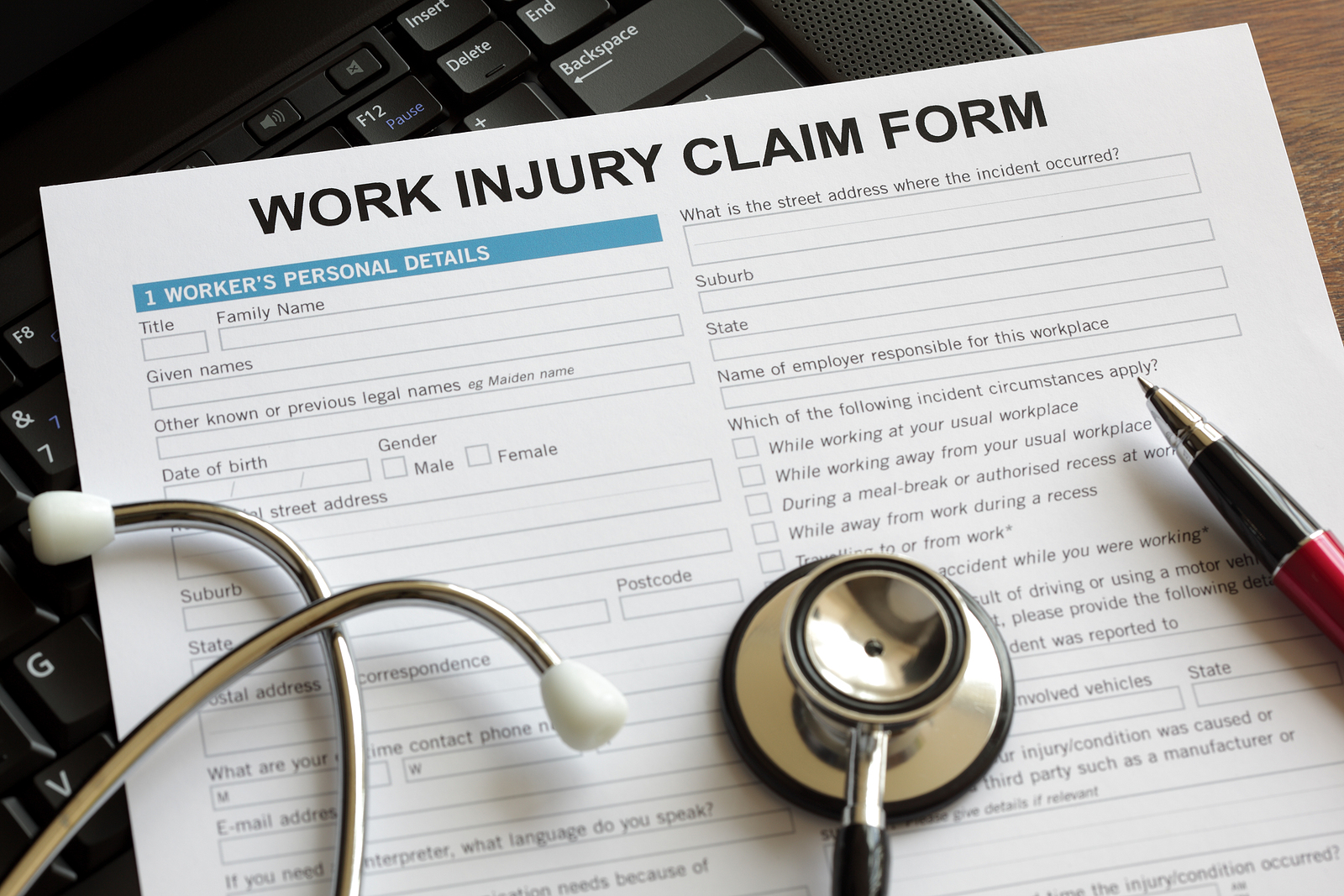
4 Reasons Why You Should Not Represent Yourself in a Personal Injury Case

There is an old English proverb that is particularly relevant to this topic:  “A man who is his own lawyer has a fool for a client.”

Although you certainly have the law-given right to represent yourself in a personal injury lawsuit, it is not the encouraged option for claimants. Continue below to learn 4 critical reasons why, plus what legal recourse you should take to ensure you are awarded the maximum settlement for your damages and losses.

Personal Injury Lawyers Indianapolis Indiana 317-881-2700

Personal Injury Self-Representation is Not a Good Idea

It is understandable that some accident victims ponder the idea of self-representation since civil litigants do not have a constitutional right to legal representation like criminal defendants do. But most personal injury law firms work on contingency, which means accident victims needn’t worry about affording a lawyer. Under a contingency-fee arrangement, clients do not pay any upfront costs or fees. They only pay after the law firm has obtained a settlement or verdict for them. If the law firm is unable to obtain a settlement for a client, the client owes nothing.

Some people consider representing themselves because they think they can be successful. However, there are many elements and aspects of a personal injury case that require astute and knowledgeable understanding of the law in order to maximize an accident settlement. In fact, this is the first reason why you should not choose to represent yourself in a personal injury lawsuit.

4 Risks You Take When You Choose to Represent Yourself

Complexities of the Legal System

If you plan to represent yourself, understand that the courts will strictly hold you to all related duties. You will be expected to know and understand all rules regarding evidence and civil procedures, plus identify the principal legal matter and raise all arguments. They will also expect you to know about and file all necessary paperwork within their differentiating deadlines. Failure to do so can end a case.

These legal processes are complicated, even for someone with a basic understanding of the court system. A personal injury lawyer is the best resource for obtaining the most money possible for your damages because they are seasoned in tort law and have an acute knowledge of the law and courts.

Instant Legal Expenses

As soon as you begin on your personal injury case, the legal expenses will immediately begin to accrue. Clients of personal injury lawyers who operate on contingency are often covered by the law firm in terms of any required upfront legal costs. Clients pay for all legal expenses when their attorneys obtain a settlement for them. Oppositely, anyone representing themselves will be forced to pay their own legal costs from start to finish, which may include court costs, filing fees, copying fees, serving pleadings, depositions, hearing transcribing, expert testimony costs, investigatory costs, and more.

Less Compensation

It is very difficult for the average personal injury claimant to gain the full value of their case when representing themselves. Attempting to do so would certainly pose all sorts of challenges. Not only do personal injury lawyers know how to negotiate with insurance companies, especially since they are acutely trained to dodge the common tactics used by insurance companies to lower the value of a claimant’s case, but they know how to accurately evaluate your claim’s full worth.

Complicated Lien Resolution

For most personal injury cases, an awarded settlement means that at least one healthcare lien must be resolved with a government healthcare program or private insurer, typically Medicaid or Medicare, but sometimes the Veterans’ Administration. This process of lien resolution for personal injury settlements requires seasoned legal knowledge and training. Self-representing personal injury claimants often find themselves stuck in regulatory traps and red-tape mazes. 

Do you still need more convincing that a personal injury law firm is the right choice for your accident case in Indiana? Contact the Law Office of Craven, Hoover, and Blazek P.C. at 317-881-2700 to schedule a free personal injury case evaluation. You can speak directly with a trusted and experienced Indianapolis IN accident attorney over the phone, via online video, or in person at our office. We represent clients throughout the state of Indiana.

Related Posts:

How Much Does a Personal Injury Lawsuit Cost?
Reasons Why Some Personal Injury Claims Take Longer to Settle than Others
Top 4 Questions to Ask a Personal Injury Attorney After a Serious Accident


Top 4 Pieces of Evidence That Will Help You Win Your Car Accident Claim

A car accident renders more consequences than just shock and fear. It tends to come with significant financial, physical, and emotional repercussions for victims. If you were hurt in a car accident that was caused by another’s negligence, you deserve to be compensated for these damages. The best way to be successful in a car accident injury claim is to back your case up with evidence. With the guidance and management of a seasoned personal injury lawyer, you have the best chance at winning your car accident claim.

Continue reading to learn the top 4 pieces of evidence that are the most important when fighting for your rights to a full and fair settlement after being seriously injured in a car accident.

Auto Accident Lawyers Indianapolis IN 317-881-2700

Case Evidence to Collect After a Car Accident

Car accident claim evidence is extremely important to the outcome of a claimant’s injury case. Such evidence goes a long way to prove your damages that resulted from the accident, including how the other party was negligent in causing the accident, how much the accident cost you in terms of property damages, medical expenses, and lost wages, as well as how the injuries have affected your quality of life, such as pain, suffering, prolonged therapy, disabilities, and more.

If you want the court system and opposing party to see the accident from your point of view, these pieces of evidence are key:

Pictures

Not just pictures, but video evidence too, if possible. Taking photographs of all elements relevant to the accident will help prove your case. Take pictures and videos of vehicle positioning, property damages (both vehicles), skid marks, bodily injuries, nearby street signs and traffic lights, environmental conditions, and more. The more media you provide, the better you attorney or in more complicated cases, an accident reconstructionist, can demonstrate the fault of the opposing party.

Police Report

Many people ask if they have to make a police report after a car accident, or if they can choose to just deal with the situation themselves. ALWAYS MAKE A POLICE REPORT. The police report provides evidence taken at the scene by a neutral, third-party in writing of the accident.  People are less apt tot change their story about what happened with their insurance carrier if they are confronted with what the officer wrote down they said at the scene to them.

Witness Statements

There is no better way to back up your stance on a car accident that was not your fault other than having the word of an unbiased onlooker support your story. Witness statements are very effective and useful for car accident victims. Although it is not always possible for the victim themselves, gathering the contact information for any witnesses to the accident is a key step in preparing to file a claim. Name, email, phone number, and if they don’t mind, their address, are the best contact data to ask for.

Medical Documents

After a car accident, it is critical to see a doctor regarding your injuries. By keeping all medical records, you can prove the seriousness of your injuries and the resulting consequences they have brought on. Keep and secure all medical records that stem from emergency room visits, doctors’ appointments, physical therapy sessions, counseling, medical device purchases, medications, and more.

Are you looking for skilled and experienced personal injury representation for your car accident claim in Indiana? Contact the Law Office of Craven, Hoover, and Blazek P.C. at 317-881-2700 to schedule a free personal injury case evaluation for your Indiana car accident claim. We represent clients throughout the state of Indiana.

Related Posts:

FAQS About Work Related Car Accidents
Are Police Reports Important to an Auto Accident Claim?
Can I Still Sue the Other Driver if My Car Accident Injuries Were Not Apparent at the Scene?

Indiana Slip and Fall Accident Claim Guide for Victims

Slip and fall accidents can come with some serious and prolonged or permanent bodily injuries. Those harmed in such accidents due to another’s careless should not be held responsible for their economic losses, like hospital bills and medical expenses.  They are also entitled, by law, to recover for their pain and suffering caused by the negligence of another. If you have just suffered serious injuries because of a slip, trip, or fall accident that was not your fault, it is important to talk to an Indiana personal injury lawyer right away. In the meantime, be sure to follow the recommended Indiana slip and fall accident claim guide for victims like yourself.

Continue reading to learn how to protect your legal rights after a slip and fall accident in Indiana, including which law firm to trust for skilled and compassionate representation.

Slip Fall Attorney Indianapolis Indiana 317-881-2700

WHAT TO DO AFTER A SLIP AND FALL ACCIDENT IN INDIANA

Report the Incident to the Property Authority

The first step to take after being injured in a slip, trip, and fall accident is to notify the owners or persons in charge. For commercial properties like retail stores, gyms, or restaurants, ask for the staff member who holds the most authority or highest ranking. Be sure to tell them you want a written report of the incident made and ask for a copy.

Report the accident. Be brief by simply stating where you fell, which obstruction caused the fall (torn carpet, poor lighting, uneven floorboard, wire or cordage, puddle of water, spilled drink etc.), and where you feel hurt.

For public grounds like parks, notify the town or city the same day, both via phone call and written notification. If the injury is too severe, notify the city or town as soon as your health allows. This is especially important for accidents that take place without any witnesses, which brings us to our next step.

Ask for Witness Information

The next step, depending on the severity of your injury, is to collect contact information from anyone who may have witnessed the accident and/or witnessed what caused you to fall.  If you cannot do so, hopefully a good Samaritan, police officer, friend, family member, etc… will be able to assist you with that.  Do not trust that the needed witness information is being obtained by the persons writing the report for the owner of the property.

Be sure to record their full names, phone numbers, and email addresses. If they are willing to give additional contact information, like a copy of their drivers’ license, date of birth or place of employment, take those as well. Keep in mind that witness testimony can play a huge part in obtaining a full and fair personal injury settlement or verdict.

Gather Evidence

Immediately take photos and video recordings of the scene of the accident, what caused you to fall and your injuries. Sometimes, injuries appear days, weeks and even months after a fall and doctors call this delayed onset. Do not assume that you are not hurt if you do not feel any pain immediately after slipping and falling. Gathering digital evidence may have to be obtained by a friend or family member depending on the severity of your injuries. If photos and videos cannot be taken at the moment of the accident, have them taken as soon as possible after your fall.  

These pictures should be taken at a few different angles, and should capture the hazardous environment or obstruction, the condition of the victim, the victim’s injury, and the condition of the injury in the days following the accident. All these photos and videos have to be done BEFORE any changes are made and evidence is lost (i.e. melting snow or ice, garbage spills, flooding, etc.) if at all possible. The more evidence you have to offer, the higher your chances of recovering fair compensation.  Sometimes, a property owner will fix a dangerous condition, but only after someone gets hurt, so it is important to obtain that evidence as soon as humanly possible.

Seek Medical Care

A person should seek medical treatment the same day, or as soon as they are experiencing pain or symptoms from the accident. As mentioned earlier, injuries do not always present themselves right away, especially with slip and fall accidents. Injuries can show up days, weeks and even months following an accident. This is very common among neck, spinal, back, knee, elbow and shoulder injuries.

Insurance companies for the property owners will argue that a claimant wasn’t seriously injured enough to receive compensation if they didn’t require and seek professional medical care. Medical treatment not only validates that a slip and fall victim is injured, the doctor’s diagnosis and victim’s medical records are evidence for a case.  Hopefully, with the appropriate care and treatment, you can get your life back to where it was before your fall as soon as possible, which is what any injured persons wants.

Hire a Skilled Indiana Personal Injury Law Firm Immediately

Before talking to any insurance companies, it is critical to hire a seasoned personal injury lawyer in Indiana. The process of speaking with insurance adjusters is delicate and complex. One seemingly harmless or innocent statement can be manipulated and used in an attempt to place fault on a victim in an attempt to evade or eliminate liability. It is vital to the outcome of your case to have a licensed slip and fall lawyer on your side, walking you through the process from start to finish.

Looking for a personal injury law firm that is fully qualified and equipped to meet your legal needs after a slip and fall accident? Contact the Law Office of Craven, Hoover, and Blazek P.C. at 317-881-2700 to schedule a no-risk, no-fee personal injury consultation with an experienced slip and fall attorney in Indianapolis, Indiana.  We have also successfully represented premises liability cases for big box stores like Walmart, Lowes, and Menards. Although our office is located in Indianapolis, we represent injured persons throughout the state of Indiana, as well as Hoosiers injured in other states.

Related Posts:

The Key Liability Questions in Slip and Fall Lawsuit
What Accident Victims Must Prove to Win a Slip and Fall Case
When Can a Slip and Fall Accident Lead to a Lawsuit?

Does My Accident Give Me a Civil Cause of Action?

After being hurt in a wrongful accident, you may be wondering if you can recover compensation in the form of an injury-based insurance claim or lawsuit against the negligent party responsible. Continue reading to learn when a personal injury accident might give cause to a civil action, plus how to determine your own eligibility for bringing about a claim or complaint against an at-fault party in Indiana.

Personal Injury Civil Litigation Indianapolis Indiana 317-881-2700

Wrongfully Injured Victims Deserve Financial Justice

If you are wrongly injured in an accident that was caused by another person, entity, or product, there is no doubt that you deserve to be financially compensated for your damages and losses. Damages include things like medical expenses and hospital bills, as well as lost wages from missing work, fuel used to travel to and from doctors’ appointments, prolonged physical therapy, partial or permanent disability, pain, suffering, reduced quality of life, and much more.

However, there are a few factors to consider as a personal injury accident victim before making the decision to move forward with legal action against an at-fault party.

Ask yourself about the severity of your injuries. Are you severely injured? Are you moderately injured? Are your injuries proving to be long-lasting or impactful to the quality of your life?

You also want to ask if some of your damages and losses have already been paid for. Did insurance or someone else already cover the past, current, and future expenses incurred as personal injury victim?  Are you required to reimburse your insurance carrier out of any settlement or judgment with the at-fault party’s insurance carrier.

Lastly, you must ask yourself how strong your case is. Are you the victim of a wrongful accident? Can you provide proof and evidence that you have incurred compensatory losses as a direct result of the accident?

An experienced personal injury lawyer in Indiana can help you answer and evaluate these questions and many more.

Do You Have a Personal Injury Case?

Confirming personal injury case eligibility is not so cut and dry. Although the accident might not have been your fault, there are different requirements and stipulations that may impact your case’s strength. For instance, most accident victims have two years under Indiana statutes of limitations to bring about a claim or lawsuit against an at-fault party. If you have waited longer than the state statute of limitations, which may be shorter or longer than two years depending on the type of accident you are in, you may have forfeited your right to do so.

For these reasons and more, it is critical to consult with a licensed Indiana personal injury lawyer as soon as possible following your accident so that you may learn exactly which damages and losses you have incurred as an accident victim, plus whether or not you have a valid or strong case for civil action.

Are you looking for a qualified Indiana personal injury law firm to represent you in your recent accident? Contact the Law Office of Craven, Hoover, and Blazek P.C. at 317-881-2700 to schedule a no-risk, no-fee personal injury evaluation to explore your eligibility, today. We represent clients all throughout the state of Indiana.

Related Posts:

Can I Settle a Personal Injury Claim if I Cannot Prove Fault?
Can I Receive Personal Injury Compensation Without Filing a Lawsuit?
The Basics of Personal Injury Fault and Negligence

Types of Income Covered By Lost Wages Benefits

When a victim is wrongly hurt in an accident, it is common for them to miss weeks and months of work while recovering from their injuries. Sometimes, victims cannot go back to work at all if the injury is permanent and severe. While out of work, injured victims lose out on their regular earnings. These missed earnings are referred to as lost wages in a personal injury claim. Lost wages are one of the more common types of personal injury damages available for injured victims to recover.

Continue reading to learn which types of income are generally covered by lost wages benefits, plus where to schedule a free personal injury case evaluation in Indianapolis, Indiana.

Indianapolis Indiana Injury Lawyers 317-881-2700

Personal Injury Coverage for Lost Wages

Lost wages refer to the missed earnings that are involuntarily forfeited by an employee who was injured in a negligent accident. After being injured in an accident that was not their fault, an injured victim is legally entitled to a financial recovery for their resulting damages and losses, including missed pay from missing work.

Most people assume that lost wages only cover missed paychecks, when in fact, they can cover a lot more. Lost wages can include all sorts of income and benefits, from salary and hourly pay to tips, bonuses, job perks, and more. The extent of compensation awarded for lost wages in a personal injury case depends on how long the injured victim is forced to miss work due to their injuries.

Once an injured victim reaches maximum medical improvement (MMI), they can usually go back to work to the best of their ability. In the case of an injured victim suffering temporary, partial, or permanent disabilities that prevent them from performing the same duties as before, there are benefits that are available under Indiana worker compensation laws and third-party laws for this type of loss as well.

Examples of Lost Wages That May Be Awarded in a Personal Injury Case:

Hourly Pay
Salary
Commission
Tips
Overtime
Sick Leave
Vacation Days
Bonuses
Promotions
Job Perks

Returning to Work at a Lower Pay

Sometimes an injured victim can return to work after an accident, but not in their full capacity. In such cases, an employee comes back to work, but in a different role and at a lower pay. This type of earning loss may also be covered by personal injury lost wage benefits. In other cases, an injured victim cannot return to work to the same capacity ever again. In personal injury cases, this circumstance is known as loss of earnings potential. Those who qualify may be awarded future lost wages.

Evidence of Wage Related Losses

In a personal injury case, the claimant and their legal team holds the burden of proving lost wages. Fortunately, this is not usually a challenge, especially for particularly skilled and experienced Indiana civil litigators. Common types of evidence used to prove lost wages in a personal injury case include recent pay stubs, W2’s, bank records, medical records, tax return statements, expert testimony, a letter from the doctor stating a patient cannot return to work, and even a simple wage verification letter from the employer.

Are you wondering how you can recover damages for missing work after being wrongfully injured in Indiana? Contact the Law Office of Craven, Hoover, and Blazek P.C. at 317-881-2700 to schedule a free initial case evaluation with a skilled Indianapolis IN personal injury lawyer. We represent injured persons throughout the state.

Related Posts:

The Most Common Types of Damages Awarded in Personal Injury Lawsuits
Can I Recover Compensation for Lost Wages After My Personal Injury Accident?
Factors for Calculating a Personal Injury Settlement

Facts About Wrongful Death Statutes in Indiana

Years ago, there was no legal recourse for those who lost a loved one in a wrongful accident. Back then, when a personal injury victim died, the right to claim damages for any resulting losses suffered by the family was lost as well. Widows, children, dependents, and next of kin were finally given justice in such cases when Indiana passed its first Wrongful Death Statute. Since passing the Indiana Wrongful Death Statute, two more relevant statutes have been passed that give wrongful death survivors additional rights to a personal injury settlement, the Indiana Adult Wrongful Death Act and Indiana Child Wrongful Death Act.

Continue reading to learn facts about all three Wrongful Death Statutes in Indiana, plus how to verify your rights to pursuing a claim after the loss of a loved one.

Wrongful Death Litigator Indianapolis Indiana 317-881-2700

Indiana Wrongful Death Claims

If a person or business is negligent in a way that directly causes another person’s death, it is considered a wrongful death accident. Wrongful death accidents are caused by many types of negligence, such as recklessness, inaction, product or manufacturing defects, medical malpractice and even intentional torts like assault. When a person loses a loved one in a wrongful death accident, certain persons have a right to bring about a negligence suit for the purpose of obtaining compensation for their damages and losses. Although it varies from state to state, here in Indiana, the law specifically defines eligible wrongful death claimants to be spouses, children, and dependents.

Examples of damages and losses suffered by those who have lost a loved one to a wrongful death accident generally include pre-death hospital bills and medical expenses, funeral and burial costs, loss of financial support, loss of future earnings, loss of employment benefits, loss of consortium, loss of emotional support or care, and similar expected economic losses.

Wrongful Death Statutes of Indiana:

The Indiana Wrongful Death Statute

Indiana Code § 34-23-1 is the basic wrongful death statute of Indiana. Under this act, a “personal representative of the estate” is the party permitted to file a wrongful death lawsuit. Such representatives include spouses, children, and dependents. Additionally, there is an established statute of limitations for filing a wrongful death suit that gives claimants two years from the date of the accident that resulted in the loss of their loved one. A unique element of the Indiana Wrongful Death Statute is that there is no cap on damages. A judge or jury can award whatever settlement they deem fit without limitations.

The Indiana Adult Wrongful Death Act

This wrongful death statute is reserved for adults, which the state defines as anyone over the age of 20, or anyone over the age of 23 but still in college, and who is also unmarried and has no dependents. Under this statute, a personal representative must also be the one to file suit, and they have two years from the date of the accident that caused the death to do so. In contrast to the general wrongful death statute of Indiana, the Indiana Adult Wrongful Death Act sets a maximum recovery cap of $300,000.00 on such cases. Additionally, there are some damages that are excluded, such as lost earnings, pain and suffering, mental anguish, and punitive damages. The judge and jury also specify how much each person gets in damages if the lawsuit involves more than one child or parent.

The Indiana Child Wrongful Death Act

Indiana Code § 34-23-2-1 wrongful death act is reserved for children who have lost their lives to a negligent accident caused by another. The state defines a child as someone not married and without dependents, plus younger than 20; or younger than 23 and enrolled in a post-secondary educational institution; or younger than 23 and attending a career and technical educational program. Parents and guardians are permitted to file a wrongful death lawsuit under this statute, and they have 2 years to do so from the date of the accident. As for damage caps, the limit is not set by a monetary amount, but rather, how long the child had before they crossed over into adulthood. There are also limitation to the types of damages that can be awarded in child wrongful death cases.

Have you recently lost a loved one to a wrongful death accident in Indiana? Contact the Law Office of Craven, Hoover, and Blazek P.C. at 317-881-2700 to schedule a free case evaluation with an experienced Indianapolis IN wrongful death attorney you can trust. Wrongful death cases are complicated so you should obtain representation immediately. We represent clients throughout the State of Indiana.

Related Posts:

Can a Personal Injury Statute of Limitations Be Extended?
What are Future Damages in a Wrongful Death Case?
Can You Sue a Jail for the Death of an Inmate?

Are Schools Liable for Playground Injuries to Children?

Central Indiana weather has seemingly taken an early turn toward Spring this year, allowing students to enjoy recess outdoors more and more. If you have a child attending a public or private school, whether as a preschooler, kindergartner, or fifth-grader, it is very likely that they will be given access to a playground during recess time or after-school programs. With the rise in playground time, accidents and injuries are bound to happen. But what if your child is seriously injured on the playground? Is the school liable for the resulting damages? What if you signed a waiver?

Continue below to learn what you need to know about playground injuries to children and a school’s liability in the matter, plus which Indiana personal injury law firm to contact for further details regarding your unique case. 

Playground Accident Lawyers Indianapolis Indiana 317-881-2700

Playground Injuries at School

Although playground architecture and technology have come a long way since you were a kid, playground manufacturing defects and design errors are still a risk. Determining liability in these kinds of child injury accidents is more straightforward since it is generally the manufacturer or maker of the playground equipment that is responsible. But sometimes, child injury playground accidents occur as a result of a school’s negligence, not the playground manufacturer. In such cases, determining liability is a different process and largely varies from case to case.

A School’s Liability in Playground Accidents

Negligent supervision of a child can occur if teachers or appointed staff are not properly monitoring children who are playing on playground equipment. If the staff did not use reasonable care to ensure the students were protected and safe from foreseeable harm, they can be deemed negligent in a child injury case. For instance, if a teacher assigned to monitor children at recess leaves the students alone to take a bathroom break, and during that break a child is seriously injured because they were using the equipment incorrectly, this could be considered negligent supervision.  The school should almost always have more people supervising, especially since there are multiple students to supervise.

Aside from negligent supervision of children, a school’s negligence can cause playground injuries in other ways. One example would be poor or inadequate maintenance of playground equipment. For instance, if the school was aware or should have been aware that a bolt was loose, missing, or rusted out, but fails to correct the hazard, they can be deemed negligent conduct in a tort case if a child suffers injuries because of it. Or, if the school hires an unqualified contractor or company to repair the playground equipment, and an accident occurs due to improper repairs, the school can be considered negligent in the matter.

Playground Waivers

Virtually all schools, especially those with playgrounds on the premises, require parents and guardians to sign waivers for all registered students. Some schools even require the students to sign or initial these waivers. Such waivers are designed protect a school from any type of legal liability in the case of an accident that happens on school grounds or under the school’s supervision. Although these waivers have legal merit, they are not impenetrable. In similar cases throughout recent history, courts have given such waivers enforceability, but only to a certain extent and if they meet specific criteria.

School waivers might be found not legally binding by a court if they are not clear and explicit in language. If the terms of the waiver are faintly printed, in confusing legal jargon, or hidden in a small paragraph within a massive document, they might also be thrown out by the court. Oppositely, a school waiver might be enforced in the event of a child injury accident if the accident occurred as a result of ordinary negligence, rather than gross negligence.

It is important to consult with a licensed Indianapolis personal injury lawyer about your rights to pursuing legal action after your child was seriously injured at school. They have the knowledge and experience to explain your legal matters in a language you can clearly understand.

Not sure which Indiana law firm to trust with your child injury case? Contact the Law Office of Craven, Hoover, and Blazek P.C. at 317-881-2700 to schedule a free initial case evaluation with a skilled civil litigator about your child injury accident lawsuit in Indianapolis, Indiana. We represent injured persons throughout the state of Indiana.

Related Posts:

Can a Property Owner Be Held Liable for Injuries to a Trespassing Child?
Important Safety Concerns for Children’s Bounce Houses
Was Your Child Seriously Injured On a Trampoline?

Local Indianapolis Personal Injury Law Firm 317-881-2700
Schedule a Free Consultation!

Who Takes the Blame for a Chain Reaction Car Accident?

One of the most fundamental elements of an auto accident claim is determining liability. In most car accident cases, the at-fault party is fairly easy to point out. In such cases, the driver to blame for an accident would be responsible for the other driver’s resulting damages, such as auto repairs, medical expenses and pain and suffering. The at-fault driver’s insurance carrier would have to pay for the damages the at-fault driver caused.

But when a car accident starts with one driver and continues down a line of other drivers in a chain reaction, who would be liable then? Would each driver that comes into contact with the vehicle in front of them be held liable? What if the driver in the back started the damaging domino effect?

Well, there is no straight answer really. These kinds of auto accidents can become complex, and therefore, require the guidance of a seasoned accident attorney. In the meantime, continue below to review some basic facts about chain reaction car accidents and liability, plus information on how to move forward with an Indiana auto accident injury claim.

Auto Accident Lawyers Indianapolis Indiana 317-881-2700

Chain Reaction Auto Collisions

Domino-effect car collisions usually happen from the back and impact cars in the front. Imagine two cars are parked at a stop light and a drunk driver or inattentive driver approaching the light does not stop, or is unable to stop in time, thus colliding into the back of the second car in line, which causes that driver’s car to rear end the first car in line.

When the sudden and unexpected impact coming from the rear of a vehicle is so strong that it causes the vehicle to jerk forward and hit the vehicle in front of them, bodily injury sometimes occurs to everyone involved, including passengers. The most common types of injuries that result from chain reaction car accidents include whiplash, neck injuries, back injuries, hip injuries, spinal injuries, child injuries, concussions, and orthopedic injuries.

Assigning Liability in a Domino Effect Car Accident

When a person is wrongfully injured in a chain reaction car accident, they deserve justice in the form of compensation regardless of how many drivers were involved. Although such cases are sometimes challenging, it is possible for injured victims to recover damages with the help of a seasoned auto accident lawyer in Indiana.

As for assigning liability in a chain reaction car accident or pileup, Indiana uses a lengthy investigatory process to examine the details of the accident and each driver’s contribution. Here in Indiana, the most common causes for domino effect car collisions are impaired driving, speeding, and following too closely to the car in front. If you can avoid these behaviors, you can reduce your chances of being involved in a car accident of any fashion.

If you were recently hurt in a car accident that involved other drivers, seek out professional advice on your rights to pursing full and fair compensation through a personal injury claim. Contact the Law Office of Craven, Hoover, and Blazek P.C. at 317-881-2700 to schedule a free case evaluation with an experienced and compassionate auto accident lawyers in Indianapolis, Indiana. We represent clients throughout the state of Indiana, and can meet over phone, video, or in-person at our Indy-based office.

Related Posts:

Which Driver is Liable for a Rear End Accident in Indiana?
Who is Liable for Driveway Backup Accidents?
Types of Legal Liability for Driving Another’s Vehicle
Who is Liable When a Driver Hits a Pedestrian?

Local Indianapolis Personal Injury Law Firm 317-881-2700
Schedule a Free Consultation!

Is a Personal Injury Claim the Same as a Workers’ Compensation Claim? Claiming both?

After suffering injuries and subsequent losses following a workplace accident, you may be wondering if you should file a personal injury claim or take advantage of your workers’ compensation benefits through a workers’ comp claim, or both. It is important to understand the difference between a personal injury claim and a workers’ compensation claim if you want to recover the full and fair settlement for your specific damages and losses.

Continue reading to learn the primary differences between the two types of injury claims, when you can claim both, plus where you can get trusted information and guidance regarding your recent accident in Indiana.

Workers' Compensation Lawyers Indianapolis IN 317-881-2700
Workers’ Compensation Lawyers Indianapolis IN 317-881-2700

The Requirement of Fault in a Tort Claim

One of the most fundamental elements of a tort case is fault. An entity (person, corporation, company, government agency, etc.) that is to blame for a civil wrongdoing can be held responsible, and thus their insurance carrier would be responsible for paying out any settlement or judgment, for paying out damages to the surviving victim or family of victims under Tort Law. However, the question of fault is one of the most important and primary differences between a personal injury claim and a workplace injury claim.

Personal Injury Claims Must Prove Fault

To recover damages in a personal injury case, the claimant party (the victim or family of victim) holds the burden of proving fault, meaning they must demonstrate that the opposing party was negligent or wrong in some way, which directly caused them harm. General damages awarded in personal injury cases include medical expenses (past, current, and future), hospital bills, lost wages from time off work, and similar calculable losses related to the victim’s accident and/or injuries.

However, special damages may also be awarded in a personal injury case for pain and suffering, mental anguish, permanent scarring or disfigurement, loss of earning capacity, loss of enjoyment of life, and similar losses that cannot be added up on a calculator.

Workers’ Compensation Claims Do Not Require Fault

A workers’ compensation claim does not require the injured party to prove fault. In fact, no fault needs to be established whatsoever, even in respect to OSHA violations and negligent or reckless management. Regardless of fault, injured workers can be entitled to workers’ compensation benefits, so long as they file a workers’ comp claim.

General workers’ compensation benefits include coverage strictly for quantifiable losses, like weekly earnings, hospital bills, medical expenses, permanent impairment benefits (if applicable), and vocational rehabilitation. Injured workers cannot generally sue their employer or employees for pain and suffering damages. There are exceptions to the rule, such as in the case of egregious or intentional torts.

Making Claims for Both

There are also situations where an injured party can make both a worker compensation claim and a tort claim at the same time.  For example, if a pizza delivery driver is delivering a pizza when he or she is rear-ended by another vehicle.  The injured driver could make a worker compensation claim through his employer and their insurance carrier since he was injured while on the job.  The injured worker could also seek a recovery under tort claims law from the defendant driver who rear-ended his vehicle and that person’s insurance carrier since he was injured as a result of tortious conduct by a person he was not employed by.

Talk to a Licensed Accident Lawyer in Indiana

When it comes to pursuing compensation after an accident or injury, it is best to consult with a seasoned Indiana personal injury lawyer who can explain your rights to recovering damages in a language you can clearly understand. It is also important to act fast because there are statutes of limitations on personal injury claims and evidence needs to be obtained before it disappears.

Would you like to speak with a trusted and experienced personal injury lawyer without any financial obligation? Contact the Law Office of Craven, Hoover, and Blazek P.C. at 317-881-2700 to schedule a free initial case evaluation for your personal injury claim in Indianapolis, Indiana. We represent clients throughout Indiana and Indiana citizens injured anywhere and can meet over the phone, via the internet, or in person at our Indy-based office.

Related Posts:

When is an Injured Employee Ineligible for Workers’ Compensation Benefits?
Can I Quit My Job if I Am on Workers’ Compensation?
Reasons Why Some Personal Injury Claims Take Longer to Settle than Others

Local Indianapolis Personal Injury Law Firm 317-881-2700
Schedule a Free Consultation!

The Difference Between Special and General Damages in an Accident Settlement

When it comes to personal injury settlements, there are two primary categories of financial payment (damages) awarded to victims or survivors of victims: general damages and special damages. Such damages are awarded based on the specific losses incurred by the claimant or claimants.

Continue below for a brief description of general and special damages, including how they compare to one another and where you can find more information pertaining to your recent, wrongful accident in Indiana.

Accident Law Firm Indianapolis Indiana 317-881-2700

The Purpose of Personal Injury Damages

Under tort law, when a person is a victim of negligence, which a is a failure to use reasonable care, a judge or jury may award damages to compensate them for their injuries and losses. Such damages can range from lost paychecks and medical bills to pain, suffering, and more. To measure the value of damages, a court must consider the losses and injuries of an accident victim’s body, mind, property, and overall quality of life. Personal injury settlements are designed to help accident victims or surviving family get back to the same state of life they were in before the accident and to fairly compensate the victim for what they experienced and will experience in the future.

Although there are several types of personal injury damages that may be awarded in a settlement, the two main categories are general damages and special damages.

Special Damages

Also referred to as compensatory or economic damages, special damages are the calculable to a large extent, losses suffered by a personal injury victim. They include hospital bills, medical expenses, lost wages from missing work, mileage to and from doctor’s appointments, property damages (in some cases), and similar precise values that can be added up with a calculator.

General Damages

General damages are also referred to as non-economic damages. These are damages that cannot be measured by a calculator, such as pain, suffering, metal anguish, PTSD, prolonged physical therapy or medical treatment, permanent disfigurement or scarring, and other conditions that cause a personal injury victim to lose overall enjoyment of life.

It is common for a personal injury victim to be entitled to both kinds of damages. Additional categories of damages that may be awarded in a personal injury lawsuit include punitive damages and future damages.

How to Determine Your Damages and Losses After an Accident

If you are wondering which damages you or your family are entitled to after being seriously injured in a wrongful accident, it is necessary to consult with an experienced Indiana personal injury lawyer. Accident attorneys can provide a free case evaluation that will allow you to discuss your questions and concerns with a licensed professional.

There are many ways a personal injury lawyer can prove your damages.  You should save all medical bills, receipts, and any other type of documentation that shows the effects of your injuries. You should also save records showing when you missed work.  You attorney will also help in obtaining the information for your claim.

Not sure which personal injury attorney in Indiana to choose for help you with your case? Contact the Law Office of Craven, Hoover, and Blazek P.C. at 317-881-2700 to schedule a free case evaluation with a seasoned Indianapolis Indiana accident attorney you can trust to recover the settlement or verdict you deserve. We represent victims all throughout the state of Indiana and Indiana residents injured in other states.

Related Posts:

Can I Receive Personal Injury Compensation Without Filing a Lawsuit?
The Difference Between General Damages and Punitive Damages
Legal Facts About Pain and Suffering Damages in Indiana

Local Indianapolis Personal Injury Law Firm 317-881-2700
Schedule a Free Consultation!