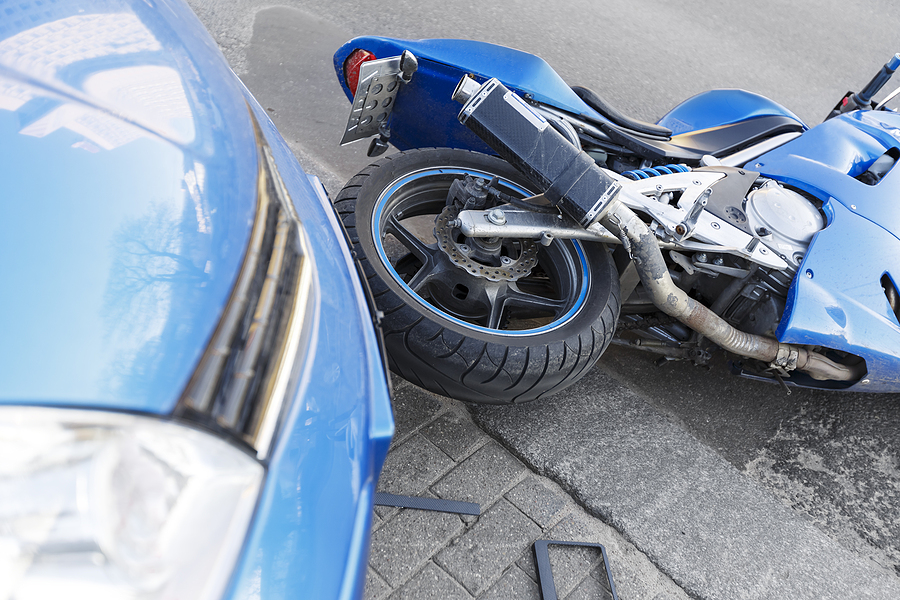
Seeking Justice: Suing for Damages After an Indiana Motor Vehicle Accident

Auto accidents are an unfortunate reality on roads everywhere, including Indiana. Every year, thousands of Hoosiers find themselves grappling with the aftermath of motor vehicle collisions. Amidst the emotional and physical turmoil, victims must navigate the complex landscape of personal injury claims to seek justice and compensation for their losses. This blog post aims to shed light on the process of suing for damages after a motor vehicle accident in Indiana, offering valuable insights and practical advice for those wrongly injured.

Call 317-881-2700 When You Need a Motor Vehicle Accident Lawyer in Indianapolis

The Role of Comparative Fault in Indiana Motor Vehicle Accident Claims

Indiana operates under a comparative fault system, interchangeably known as contributory fault, which can significantly impact the outcome of personal injury claims. Under this rule, each party involved in an accident is assigned a percentage of fault, which influences the amount of compensation they can receive.

How It Works:

Shared Responsibility – If multiple parties are responsible for an accident, each party’s level of fault is determined. For example, if you are deemed 20% at fault for an accident, your compensation will be reduced by 20%.

Threshold for Recovery – In Indiana, you can only recover damages if you are less than 51% at fault. If your fault exceeds this threshold, you may be barred from receiving any compensation.

Understanding how comparative fault analysis works is crucial, as it influences both settlement negotiations and courtroom verdicts. Legal representation becomes even more essential to navigate these waters effectively.

Steps to Take After an Auto Accident:

  1. Ensure Safety – Check for injuries and move to a safe location if possible. Call 911 to report the accident and seek medical attention.
  2. Document the Scene – Use your phone to take photos or video of the accident scene, vehicle damages, and any visible injuries. Collect contact information from witnesses.
  3. Exchange Information – Exchange insurance and contact details with the other driver(s) involved.
  4. File a Police Report – A police report serves as an official record of the accident and can be critical evidence in your claim.
  5. Seek Medical Attention – Even if injuries seem minor, get a medical evaluation. Some injuries may not manifest immediately.
  6. Notify Your Insurance Company – Report the accident to your insurer but avoid giving detailed statements until you consult with an attorney.

Taking the right steps immediately following an accident can make a significant difference in the outcome of your personal injury claim. Benefits include helping preserve evidence, establishing a clear record of events, and protecting your rights.

The Importance of Seeking Legal Counsel

Navigating a motor vehicle injury claim without legal guidance can be overwhelming. Consulting with an experienced car accident injury attorney can significantly increase the likelihood of a successful claim. They can provide invaluable assistance in such ways as:

  1. Understanding Legal Rights: An auto accident lawyer will explain your rights and options, ensuring you are fully informed throughout the process.
  2. Gathering Evidence: Legal counsel can help gather and preserve crucial evidence, such as witness statements, medical records, and expert testimony.
  3. Negotiating with Insurers: Car accident lawyers are skilled negotiators who can handle discussions with insurance companies to seek fair settlements.
  4. Representation in Court: If a fair settlement cannot be reached, an attorney will represent you in court to pursue the compensation you deserve.

The Process of Suing for Damages in Indiana

Types of Damages

When it comes to suing for damages after a car accident in Indiana, understanding the legal process is essential. Victims of car accidents can seek various types of damages, including:

  1. Economic Damages: These cover quantifiable financial losses such as medical expenses, lost wages, and property damage.
  2. Non-Economic Damages: These include compensation for pain and suffering, emotional distress, and loss of enjoyment of life.

Statute of Limitations

In Indiana, the statute of limitations for filing a personal injury lawsuit after a motor vehicle accident is typically two years from the date of the accident, excluding some governmental defendants which require a tort claims notice to be mailed and can have a time limitation of as little as 6 months. Failing to file within this time frame can result in losing your right to seek compensation.

Lawsuit Filing Process

  1. Consult with an Auto Accident Injury Attorney: Discuss your case with a qualified car accident lawyer to evaluate your claim and determine the best course of action.
  2. Commence an Investigation: Your personal injury lawyer will conduct a thorough investigation, gathering evidence to document a strong case.
  3. Filing the Complaint: Your personal injury lawyer will file a formal complaint with the court, presenting the details of your claim and the damages sought.
  4. Discovery Process: Both parties exchange information and evidence through depositions, interrogatories, and document requests.
  5. Negotiation/Settlement: Most cases are resolved through negotiated settlements before reaching trial.
  6. Trial: If a settlement cannot be reached, your case will proceed to trial, where a judge or jury will determine the outcome.

Final Thoughts

Motor vehicle accidents can lead to devastating consequences, but understanding your rights and the legal process can empower you to seek justice and compensation. By taking the appropriate steps after an accident, seeking legal counsel, and comprehending the intricacies of suing for damages in Indiana, you can navigate this challenging journey with confidence.

If you or a loved one has been injured in a car accident, don’t hesitate to seek legal advice. Consult with an experienced car accident attorney to explore your options and secure the compensation you deserve. Remember, taking timely action is crucial to protecting your rights and achieving a favorable outcome.

Are you a motor vehicle accident victim or claimant? Take the first step towards justice and recovery, today. Contact The Law Office of Craven, Hoover, and Blazek P.C. at 317-881-2700 to schedule a free, no-obligation consultation. During this meeting, our experienced Indianapolis car accident attorneys will discuss the specifics of your auto accident case, answer your questions, and outline the best course of action for your claim.

Related Posts:

What You Need to Know Before Filing an Injury Claim for a Car Accident
What are the Essential Steps to Take After a Motorcycle Accident?
Who Do I Sue After Being Injured By a Semi-Truck?

Maximize Your Auto Accident Compensation: A Roadmap for Injured Victims

Picture this. You’re cruising down the highway, the Radio playing your favorite tune, warm coffee in your cup holder. Then, screeeech! Tires wail, the world tilts, and in a heartbeat, you’re involved in an auto accident. It’s a startling event for most anyone, and if you’re left injured, there are immediate concerns about your health and safety. But what about the financial aftermath?

This guide is tailored to empower car accident victims in Indiana with the knowledge they need to seek compensation for medical bills, lost wages, pain-and-suffering, property damage, and many other financial losses. Whether you’re dealing with a rear-ender on the bustling streets of Downtown Indianapolis or a T-bone in rural Indiana, the post-accident road to recovery involves cashing in on the compensation you’re rightfully owed.

Call 317-881-2700 to Speak With an Auto Accident Injury Lawyer in Indianapolis

Seeking Auto Accident Compensation in Indiana

When a motor vehicle accident isn’t your fault, understanding the aftermath is more than just a nicety—it’s a crucial advantage. Indiana tort laws provide specific pathways for automotive accident victims to seek compensation for their losses, but navigating these can be complex. From knowing who’s at fault, to deciphering the types of compensation available, to the claims process, to legal representation, there’s a maze of regulations, decisions, and negotiations.

Who is at Fault in an Indiana Car Accident?

In Indiana, the law follows a modified comparative fault system, which means the amount of compensation you’re eligible to receive is reduced by your percentage of fault for the accident. Here’s a simple breakdown:

If you find yourself with 30% of the blame for the accident, and you’re entitled to $100,000 in damages, your award is reduced to $70,000 (the original $100,000 minus your 30% of fault).

This is a crucial starting point because it can impact your strategy for claiming compensation. The state’s focus on fault in awarding compensation also makes it essential to gather as much evidence and documentation as possible to support your claim.

Types of Compensation Available

The main goal of seeking compensation is to ‘make you whole’, meaning to put you back in the financial position you were in before the accident. Here are the main categories of compensation:

Medical Expenses – The costs for ambulance rides, emergency room visits, surgeries, hospital stays, and rehabilitative care can be astronomical. Additionally, you might require ongoing medical treatment, such as physical therapy, which should be included in your claim.

Lost Wages – Your injury might have kept you away from work, and that means lost income. It’s important to calculate the wages you lost from the time of the accident until you returned to work, or beyond, if your injury has a lasting impact on your earning capacity.

Pain and Suffering – This category represents the physical pain and discomfort from your injuries, as well as the emotional distress. It’s a more nebulous area but an important element in your overall compensation.

Property Damage – Your vehicle was likely damaged in the accident. The costs of repair or replacement are also compensable under Indiana law.

The Auto Accident Claims Process

Navigating a personal injury claim in Indiana can feel like learning a new language. Here are the universal steps you’ll likely encounter:

  1. Begin by Filing a Police Report – Contact law enforcement to document the accident. The police report will become a fundamental piece of evidence in your claim.
  2. Notify Your Insurance Company – Indiana is an ‘at-fault’ state, which means your insurance company can pursue the at-fault party’s insurance carrier for repayment. Your coverage, however, supplements what you claim from them.
  3. Gather and Organize Documentation – This might include your medical records, accident reports, the contact information of witnesses, and any correspondence with insurers.
  4. Start the Claim Process – File a claim with the at-fault driver’s insurance. Be prepared for an adjuster to investigate the claim and offer a settlement.
  5. Negotiate Your Claim – Don’t just accept the first offer. If the initial settlement does not cover your expenses, be prepared to negotiate or seek legal advice.
  6. Reach a Settlement or Take Legal Action – Hopefully, a fair settlement is reached. If not, taking legal action may be necessary.

The Importance of Personal Injury Legal Representation

The injury claims process is complex, which is why all car accident victims should hire a lawyer to represent their case. After a car accident, seeking a personal injury attorney isn’t just about knowing the law—it’s about familiarization with negotiation strategy, understanding medical terms, and medical experts. Here’s what an attorney can do for you:

  • Assess the strengths and weaknesses of your case
  • Advise you on the next steps
  • Handle the complex paperwork and legal procedures
  • Build your case by gathering evidence and consulting with experts
  • Negotiate with insurance adjusters
  • Represent you in court if a lawsuit becomes necessary

Tips for Maximizing Compensation

Here are some practical steps to make sure you’re not short-changed in the claims process:

Be Diligent with Medical Treatment – Attend all medical appointments and follow your healthcare provider’s recommendations, as this shows the seriousness of your injuries.

Keep Detailed Records – Document all expenses related to the accident and injuries, including medical bills, repair estimates, and travel costs for treatments.

Don’t Provide a Recorded Statement – This is not required and can sometimes be used against you. Instead, give a written account of the accident.

Don’t Settle Too Quickly – Your injuries may take time to fully manifest. An early settlement will not account for future medical expenses or lost wages.

Be Mindful on Social Media – What you share can be used to undermine your claim. Avoid posting about the accident or your injuries.

Consult with a Personal Injury Attorney – Even if you don’t think you need one, a consultation can offer valuable insights into your case and your rights.

Key Takeaways

Being informed is your best defense after an auto accident. This guide serves as a comprehensive resource to assist you in understanding the complex process of seeking financial recovery after a motor vehicle accident. Remember, the path to full compensation includes a clear understanding of Indiana’s laws, a strategic approach to the claims process, and, when necessary, the advocacy of a skilled personal injury attorney.

If you’ve been injured in a car accident in Indiana, don’t face the insurance companies alone. Contact Craven, Hoover, and Blazek P.C. at 317-881-2700 to schedule a no-fee consultation with a skilled auto accident lawyer in Indianapolis, Indiana. Our services come at no expense and zero risk to you since we operate on a contingency-fee basis. This means that we only receive payment if we succeed in securing a settlement or winning an award for you.

Related Posts:

Ten Essential Questions to Ask Your Lawyer After a Car Accident
The Indiana Statute of Limitations For Car Accident Lawsuits
Indiana’s Minimum Liability Limits for Auto Accidents

Hit-and-Run Survival Guide: Essential Steps and Legal Insight

Every year, thousands of individuals become victims of hit-and-run accidents, leaving them not only with physical injuries but also with a sense of injustice and frustration. From drivers and passengers to pedestrians, cyclists, bikers, and more, these incidents can have severe implications, affecting victims physically, emotionally, and financially. Understanding the correct steps to take immediately after a hit-and-run accident is crucial for your safety, recovery, and the pursuit of justice.

Call 317-881-2700 When You Need a Hit and Run Accident Lawyer in Indiana

The Severe Impact of Hit-and-Run Accidents

Hit and run accidents are traumatic events that can leave lasting scars. The sudden shock, confusion, and anger can be overwhelming, making it difficult to know what to do in the aftermath. However, the actions you take immediately following the incident are critical in ensuring your well-being and securing your legal rights.

Immediate Steps to Take After the Accident

❶ Secure Your Safety and the Scene

Your first priority should be your safety and the safety of any passengers. Move to a safe location if possible and turn on your hazard lights to alert other drivers. Assess yourself and others for injuries, remembering that some injuries may not be immediately apparent due to adrenaline.

❷ Call Emergency Services and Report the Accident

Even if there are no visible injuries, it’s crucial to call 911. Reporting the accident is not only a legal requirement in many areas but also ensures that you have official documentation of the event, which is vital for insurance and legal processes.

❸ Gather Evidence

If you can, take photos of the scene, including your vehicle, any property damage, and the surrounding area. Look for any possible witnesses and ask for their contact information. Note down anything you remember about the hit-and-run driver, such as their race, hair color, sex, etc… or their vehicle, such as color, make, model, or any part of the license plate number.

❹ Notify Your Insurance Company

Inform your insurance provider about the accident as soon as possible. Be prepared to provide them with all the collected evidence and the police report once it’s available. This step is crucial for starting the claims process.

Legal and Financial Implications for Hit-and-Run Victims

Uninsured Motorist Coverage

Most insurance policies include uninsured motorist coverage, which can be invaluable in hit and run situations. This coverage can help pay for your medical expenses and repairs to your vehicle, even if the at-fault driver is never identified.

Legal Recourse Against the At-Fault Driver

If the negligent driver is located, you have the right to pursue legal action against them. A skilled car accident lawyer can guide you through the process of filing a personal injury claim to seek compensation for damages and injuries.

Compensation for Damages

Compensation in hit and run auto accident cases may cover medical expenses, hospital bills, lost wages, vehicle repairs, and in some cases, pain and suffering. While the process can be complex, securing compensation is crucial for your recovery and financial stability.

Long-Term Recovery and Support for Hit-and-Run Victims

Physical and Emotional Recovery

Recovering from a hit-and-run accident involves more than just healing physical injuries. The emotional impact can be significant, and seeking support from professionals, such as counselors or support groups, can be beneficial.

Community and Legal Support

Remember, you’re not alone. Numerous resources and communities are available to support hit-and-run victims. Legal professionals who concentrate on auto accidents can offer guidance and help you navigate the complexities of insurance claims and legal proceedings.

Conclusion: The Importance of Taking Immediate Action

The aftermath of a hit and run accident can feel daunting, but taking immediate and correct actions can significantly impact your recovery and the outcome of your case. Securing your safety, gathering evidence, and seeking professional legal advice are crucial steps in protecting your rights and interests.

If you’re a victim of a hit-and-run accident, don’t hesitate to seek the support and compensation you deserve. Remember, justice may be a complex road, but with the right guidance, recovery and resolution are within reach. For more information and support, you should consult a car accident lawyer who can provide you with personalized advice tailored to your situation.

For an expert personal injury auto accident attorney, contact Craven, Hoover, and Blazek P.C. at 317-881-2700 today. Our Indianapolis car accident lawyers provide contingency-fee representation, so you don’t pay anything unless we successfully secure a settlement or verdict on your behalf. We offer the option to hold meetings either by phone, at your residence, online, or at the hospital if necessary.

Related Posts:

Who is At Fault in a 3 Way Car Accident?
Common Distractions That Lead to Intersection Car Crashes
Information About Being Injured By a Driver Who Ran a Red Light
How to Make an Injury Claim Against a Drunk Driver

Motorcycle Safety Awareness Month: Staying Safe in May and Beyond

With the continuous warmth of spring unfolding each day, the gentle hum of revving engines becomes part of the local soundscape, signifying the official beginning of motorcycle season across many parts of the world. For riders here in Indiana, this time of year isn’t just about the joy of hitting the roads—it’s also a vital opportunity to reinforce safety practices, for themselves and others, as May marks Motorcycle Safety Awareness Month.

This guide explores the latest advancements in motorcycle safety technology, and what to do in case of a motorcycle accident. Whether you’re a seasoned biker, a first-time rider, a safety advocate, or a driver who shares the road, this blog is designed to emphasize the collective responsibility we all have in keeping the roads safe. Let’s get started!

April is Motorcycle Safety Awareness Month. Ride Smart!

How Drivers Can Better Share the Road with Riders

For motorists, understanding and respecting motorcyclists is paramount in avoiding accidents. Here’s how you can safely share the road:

Awareness and Visibility

Many motorcycle accidents occur when drivers fail to see riders in their blind spots. Always give motorcycles a full lane to maneuver, be vigilant at intersections, and use your mirrors and signals effectively. Remember, when you’re in a car, a quick glance for traffic isn’t enough. Take the time to look twice, especially for motorcycles, which can be harder to spot.

Proper Distances and Speed Control

Maintain a safe following distance behind motorcycles. Their smaller size and the fact they can stop or slow down more quickly than a car means you need to give them extra space. Avoid tailgating and be mindful of your speed, particularly in urban areas where motorcycles are more common.

Staying Alert and Predictable

Avoid distractions like cell phones and avoid sudden lane changes or erratic movements. Consistent, predictable driving is crucial when sharing the road with motorcycles, as it gives riders the ability to anticipate traffic flow.

Advancements in Biker Safety Technology

Motorcycle manufacturers have been prioritizing safety as much as performance, introducing innovative technologies that can enhance the biker’s experience. Here are some key motorcycle safety technologies and advancements you should be aware of:

Antilock Braking Systems (ABS) – Being able to stop quickly and safely is essential for a rider’s survival. ABS can help prevent the wheels from locking up during braking, giving the rider more control in emergency situations.

Traction Control Systems – Traction control can prevent wheel spin on slippery surfaces, a common cause of motorcycle accidents. By monitoring wheel speed and adjusting power delivery, riders are less likely to encounter a loss of traction that can result in a fall.

Adaptive Headlights – These headlights turn with the motorcycle, providing better visibility on curves. This can be a lifesaver in situations where conventional headlights may not be able to illuminate the road ahead effectively.

What To Do in Case of a Motorcycle Accident

Despite precautions, accidents can happen due to negligence. It’s important to know what to do and who to turn for legal help if you’re involved in a motorcycle accident.

Seek Immediate Medical Attention – Your health is the top priority. If you’re able, call emergency services and get treatment right away. Keep detailed records of your medical treatment, as they may be crucial for any potential legal claims.

Gather Evidence and Information – To protect your rights, gather as much information as possible at the scene. Call the police, take photos or video, exchange information with all parties, and get contact details from any witnesses or have someone else do these things if you are unable to due to your injuries.

Contact a Motorcycle Accident Lawyer – Navigating the aftermath of a motorcycle accident is complex. A lawyer experienced in this area can guide you through the process of filing a claim and pursuing full and fair compensation for your injuries and losses.

CLOSING THOUGHTS

Motorcycle Safety Awareness Month serves as a poignant reminder of the vital importance of safety for all road users. Whether you’re a rider or a driver, it’s essential to stay informed, vigilant, and committed to safe practices year-round. By respecting each other’s space and following the rules of the road, we can all contribute to safer, more enjoyable travel experiences for everyone.

This May, make a commitment to review your safety practices and look for ways to improve. Attend a refresher course, try out some of the new safety technology, or simply pledge to be a more attentive motorist. Each small effort adds up, and together, we can make a significant impact on reducing motorcycle accidents and fatalities. Happy travels, and may the road ahead always be safe.

Were you recently injured on a motorcycle by a careless driver or due to another’s negligence? Contact the Law Office of Craven, Hoover, and Blazek P.C. at 317-881-2700 to schedule a free, one-on-one meeting with an experienced motorcycle accident attorney in Indianapolis, Indiana. We represent victims all throughout the state, including Indiana residents injured in other states and residents of other states injured in Indiana.

Related Posts:

From Asphalt to Advocacy: Your Guide to Indiana Motorcycle Accident Claims
10 Crucial Tips for Dealing with a Motorcycle Accident Claim Process
Possible Damages Awarded in a Motorcycle Accident Lawsuit

Navigating the Highways: A Review of Indiana’s Commercial Trucking Laws

Indiana, a pivotal node in the U.S. transportation network, has long been a crossroads for commerce. Its commercial trucking industry is integral not just to the state’s economy, but also to the movement of goods throughout the country. This significant role necessitates stringent regulations to ensure the safety of both truck drivers and the public they share the road with. In this comprehensive review, we’ll explore the ins and outs of Indiana’s commercial trucking laws, the recent changes that have been implemented, and offer strategies for staying compliant.

Call 317-881-2700 When You Need a Commercial Truck Accident Lawyer in Indiana

Why Complying with Indiana Trucking Laws is Vital

In the web of commercial truck operations, adhering to Indiana’s trucking laws is not just a ‘best practice’, it’s essential. Compliance isn’t only about avoiding fines and penalties; it’s about safeguarding public safety and protecting the industry from the fallout caused by accidents or incidents due to non-compliance.

Violations lead to hefty fines, but the true cost may be measured in loss of life, personal injuries, legal damages, and damage to a company’s reputation, all of which can have long-lasting repercussions. Indiana’s truck driver laws aim to manage the variables involved in truck transportation, from driver health and qualifications to vehicle maintenance and load standards.

Indiana’s Trucking Regulations

Indiana’s Commercial Driver’s License (CDL) and Motor Carrier Safety Regulations (MCSRs) align with the federal requirements set by the U.S. Department of Transportation. These regulations cover almost all aspects of the trucker industry, but two of the most critical are the hours of service (HOS) and weight limits.

Hours of Service (HOS)

HOS regulations are in place to prevent the operation of commercial motor vehicles by fatigued drivers, the leading cause of many truck accidents. Intrastate drivers in Indiana have to adhere to the state-adopted federal regulations, which include an 11-hour driving limit and a mandatory 30-minute break after eight hours of driving.

Weight Limits

Indiana has specific weight limits for commercial trucks, depending on the number of axles and the distances between them. Weight limits are carefully calculated to help ensure that the truck’s cargo is distributed safely and will not cause undue damage to state-maintained roads and structures and to help limit stopping distances.

The Ever-Changing Landscape of Indiana Commercial Truck Laws

As the commercial trucker industry evolves, so do the laws and regulations that govern it. Recent updates to Indiana’s trucking regulations include changes in HOS exemption rules for utility service vehicles and the introduction of electronic logging devices (ELDs).

These changes reflect a broader trend across the nation in digitalization within the truck driving industry. ELDs are now mandatory in most situations, replacing paper logs, and not only enhance efficiency but also enforce stricter adherence to HOS limits.

Legal Ramifications and Truck Accident Liability

Trucking accidents have complex liability determinations due to the multitude of potential parties involved. Liability could fall on the driver, the trucking company, the owner of the truck and trailer, the shipper or loader of the cargo, or the manufacturer of the vehicle or other parts involved.

Navigating truck accident liability cases in Indiana requires a deep understanding of local and state laws, federal regulations, and the unique legal precedents that have been set in Indiana courts. Legal representation with expertise in trucking laws is indispensable for both plaintiffs and defendants. Talk to a truck accident attorney if you have been injured in a commercial trucking accident.

Staying on Course with Indiana Truck Driver Laws

To avoid the pitfalls of non-compliance, it’s crucial for truck companies and drivers to stay informed of the latest changes to Indiana truck driver laws. Regular training and professional development for drivers, clear communication of new regulations within companies, and the utilization of industry-specific resources are all part of an effective strategy.

It’s also vital for such professionals to establish a robust monitoring and reporting system to ensure that compliance is maintained, and records are kept meticulously. Partnering with legal advisors who concentrate on commercial truck operations can provide companies with the guidance and support needed to stay current.

IN SUMMARY

The future of commercial trucking in Indiana is likely to be shaped by advancements in technology, changes in consumer expectations, and a continued focus on safety and environmental concerns. The state’s laws will undoubtedly evolve in response to these shifts, and industry stakeholders must remain agile and prepared to adapt.

Navigating Indiana’s commercial truck laws isn’t just a duty; it’s a shared commitment to safety and excellence. It’s about ensuring that the goods continue to flow without disrupting the lives they sustain and keeping all persons safe on the roads. Compliance and understanding aren’t just legal mandates—they’re the bedrock of an industry that keeps America moving.

For those who have been the victims of large truck accidents, it’s important to understand the legal options available. If a negligent or non-compliant trucker or their employer has caused you harm, it’s time to seek justice. Consulting with a truck accident lawyer experienced in Indiana’s specific laws can be the first step towards recovery and compensatory action.

Were you or a loved one recently injured in a trucking accident due to another’s negligence? Contact the Law Office of Craven, Hoover, and Blazek P.C. at 317-881-2700 to schedule a free case evaluation with a seasoned commercial truck accident lawyer in Indianapolis, Indiana. Meet with us over the phone or online video conference, or in person at our Indy office. We can also meet at your place of inpatient medical treatment. We do not require any upfront lawyer fees, and only get paid if we recover a settlement or an award for you.

Related Posts:

Critical Steps to Take Immediately After a Big Truck Accident
What You Need to Know About Your Rights After a Semi Truck Collision
Should I Hire a Truck Accident Lawyer in Indiana?

Steering Towards Safety: A Guide to Distracted Driving Awareness Month

Each year, the lives of thousands are irrevocably altered by a choice of other drivers to multitask behind the wheel. Distracted driving has become a pervasive issue, and Distracted Driving Awareness Month reminds us of its grim realities and our collective responsibility to pave the road to safety. Here’s a comprehensive look at the dangers, impacts, and ways to prevent distracted driving, ensuring we all reach our destinations safely.

Call 317-881-2700 to Speak With a Car Accident Lawyer in Indianapolis
April is Distracted Driving Awareness Month. Drive Safely!

April is National Distracted Driving Awareness Month

Distracted Driving Awareness Month was launched to shine a spotlight on the perils of losing focus while driving. It’s a national observance that underlines the critical need for undivided attention when behind the wheel. What began as an initiative in a few states has now become an annual call-to-action across the United States.

A History of Recognition

Initially proposed by the National Safety Council (NSC) in 2010, Distracted Driving Awareness Month has gained widespread recognition. Policymakers, community leaders, and safety advocates join forces to educate the public about the dangers of driving while distracted, and the month serves as a reminder to take a deliberate stance against this preventable cause of car accidents.

The Stark Reality of Distracted Driving

The statistics paint a chilling image. According to the National Sheriff’s Association, approximately 9 people in the United States are killed each day in crashes reported to involve a distracted driver, while more than 1000 people per day are injured. So, in addition to fatalities, there are thousands of injuries annually from accidents that could have been avoided and these are conservative estimates.

Common Types of Distractions in the Driver’s Seat

What exactly is distracted driving, and what forms can it take? Distractions can be physical (taking your hands off the wheel), cognitive (taking your mind off driving), or visual (taking your eyes off the road). Here are some everyday examples of how these distractions can manifest.

Texting/Calling – The act of reading or sending a text message requires visual, cognitive, and physical attention—making it one of the most dangerous driving distractions. This seemingly simple task significantly increases the likelihood of a crash. The same goes for making and taking phone calls.

Eating – Munching on the move may seem harmless, but it imposes a significant cognitive load. Juggling a burger or soda can be as dangerous as any digital distraction.

Device Usage – GPS systems and smartphones have become indispensable tools, but their misuse can spell trouble on the road. Setting up directions while driving or looking at calls and texts diverts your attention away from what’s crucial.

Searching/Reaching – Reaching for something in the vehicle is another common cause of distraction. Whether it’s a tissue from the holder, lip balm in a purse, something for a child, or a dropped phone, these split-second distractions can be catastrophic.

The Consequences of Distracted Driving

The impacts of distracted driving extend far beyond the vehicle and the moment of a collision. Here’s a closer look at the ripple effects that reach out like shock waves from a point of force.

Accidents and Injuries – Car accidents due to distracted driving don’t just harm the people directly involved. They can affect pedestrians, cyclists, and other road users. Each incident spins a web of trauma and recovery that can last a lifetime.

Legal Matters – At a minimum, a distracted driving accident can result in a traffic violation. For more serious incidents, criminal charges may apply. Furthermore, civil suits often follow in the path of personal injury or wrongful death claims.

Financial Losses – From medical bills, vehicle repairs to legal fees, the financial repercussions can be considerable. The costs can be crippling for individuals and families, especially when they are not at fault.

Emotional Scars – The emotional toll is immeasurable. Survivors and those who have lost loved ones in car accidents due to distractions can endure mental anguish, post-traumatic stress disorder (PTSD), or survivor’s guilt.

Taking the Wheel Against Distractions

Tackling the pervasive problem of distracted driving calls for a multi-faceted approach that involves technology, policy, education, and stringent enforcement. Here’s what’s being done and what you can do to combat the issue.

New Technologies – Several companies have developed apps and devices designed to prevent smartphone use while driving. From passive-pairing systems in vehicles to cell phone apps that detect motion, tech is stepping in to keep us safe on the road.

Legislation – Laws vary by state, but many have banned handheld cellphone use. Some areas have implemented stricter penalties for distracted driving, acting as a deterrent. Advocates continue to lobby for more stringent regulations.

Marketing – Awareness campaigns use powerful messaging to inform the public about the dangers of distractions behind the wheel. These initiatives aim to ingrain safe driving practices through tailored content and community engagement.

How to Be a More Focused Driver

Personal responsibility is at the heart of combating distracted driving. Every driver has a role to play in ensuring safety on the road. Here are some steps you can take to maintain focus while driving.

Prioritize Your Attention – Allocate time for tasks like texting and eating before you put the car in drive. Planning a time and a place for these activities reduces the impulsive desire to engage in them while driving.

On the Lookout for Distractions – It’s not just your own habits you need to monitor. Be aware of other drivers on the road who may be preoccupied and adjust your driving accordingly to maintain a safe distance and react defensively.

Lead by Example – For parents and role models, being a good example plays a crucial role in shaping the habits of younger drivers. Show them the importance of focused driving by practicing it yourself.

Make a Personal Pledge – Pledge to drive distraction-free and encourage others to do the same. Share your commitment on social media to amplify the message and contribute to a cultural shift towards safer driving practices.

The Path to Justice for Car Accident Victims

In the unfortunate event of a car accident, understanding one’s legal rights and options is vital. Injured victims and their families struggle to come to terms with the emotional and financial aftermath, and seeking justice can provide a path to closure.

Navigating Legal Channels – Every state has its laws that can protect car accident victims. Understanding these laws is pivotal in ensuring fair treatment and compensation.

The Role of Legal Counsel – Retaining the services of an experienced car accident lawyer can provide crucial insights and advocacy. An auto accident attorney who is well-versed in personal injury law can help you pursue the full and fair compensation you deserve.

In Summary

Awareness months are more than just a bookmark in the calendar—they’re invitations to engage with important societal issues. Awareness is only as good as the action it inspires. Distracted Driving Awareness Month serves as a catalyst for change, but the responsibility for safe driving lies in each of our hands, every day, at every turn. Take this opportunity to drive the message home and make our roads a safer place for everyone.

If you have been injured by a distracted driver, don’t wait to explore your legal options. Speaking with a car accident lawyer can provide you with a roadmap for justice and compensation. By acting promptly, you can maximize the chances of a favorable outcome for your case.

If you or someone you know has been affected by a distracted driving accident, the time to act is now. Contact Craven, Hoover, and Blazek P.C. at 317-881-2700 to schedule a free initial consultation with a car accident lawyer in Indianapolis, Indiana. This is your opportunity to ask questions, understand the legal process, and determine the best course of action for your situation. Remember, time is critical!

Related Posts:

Understanding the Legal Consequences for Distracted Drivers
Information About Being Injured By a Driver Who Ran a Red Light
Can I Still Sue the Other Driver if My Car Accident Injuries Were Not Apparent at the Scene?

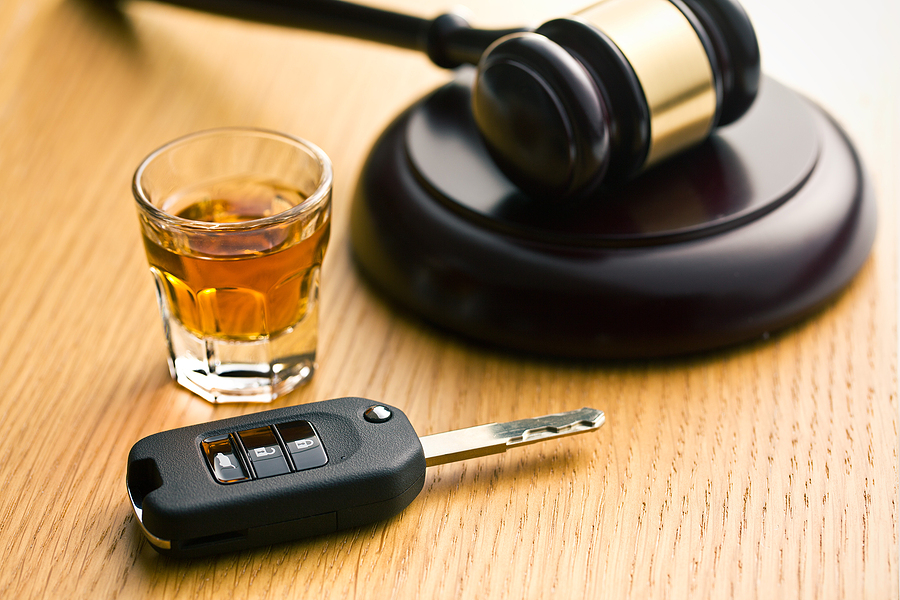
How a Personal Injury Lawsuit Can Help Drunk Driving Accident Victims in Indiana

The moment an accident with a drunk driver shatters the peace, the life of the victim changes irreversibly. The consequences of such a catastrophic event ripple through every aspect of the victim’s life – health, finances, and emotional well-being. In the state of Indiana, these victims are often left wondering where to turn, how to seek justice, and what recourse they have against the driver who so recklessly endangered them.

This blog post will explore how personal injury lawyers in Indiana play a crucial role in helping victims of drunk driving accidents rebuild their lives, secure rightful compensation, and hold the negligent parties accountable for their actions.

Call 317-881-2700 For Help With Your Drunk Driver Injury Claim in Indianapolis Indiana

Local Drunk Driving Statistics are Alarming

In recent years, drunk driving has become a major concern in Indiana. According to the National Highway Traffic Safety Administration (NHTSA), Indiana ranks among the top 10 states with the highest number of alcohol-impaired driving fatalities. In 2019 alone, there were 109 alcohol-related fatalities on Indiana roads. This accounts for almost a quarter of all traffic fatalities in the state. Drunk driving not only puts the lives of those who choose to drink and drive at risk, but it also endangers innocent individuals who are sharing the road.

Common Damages Suffered By Drunk Driving Accident Victims

Drunk driving is a serious offense that can result in severe injuries and death. While the immediate consequences of drunk driving are well-known, there are also long-term effects that accident victims may suffer from.

Physical Trauma – One of the most common damages suffered by accident victims injured by a drunk driver is physical trauma. Collisions involving drunk drivers often result in serious injuries such as broken bones, spinal cord injuries, and traumatic brain injuries. These injuries can have long-lasting effects on the victim’s physical health, potentially leading to permanent disabilities or chronic pain.

Emotional Trauma  – In addition to physical trauma, accident victims may also suffer from emotional and psychological damages. Being involved in a drunk driving accident can be a traumatic experience that leaves victims with anxiety, depression, and post-traumatic stress disorder. These emotional damages can greatly impact a victim’s quality of life and may require ongoing therapy or treatment.

Financial Losses  – Financial damages are also common among accident victims injured by a drunk driver. In addition to medical expenses, victims may also face lost wages due to being unable to work while recovering from their injuries. They also incur property damages for their vehicle. In severe cases, the victim may be unable to return to their previous job or may require ongoing medical care, resulting in long-term or permanent financial consequences.

Social Challenges – Drunk driving accidents can also have a significant impact on personal relationships. Victims may struggle with feelings of isolation and changes in their behavior due to physical or emotional trauma. This can strain relationships with family and friends, leading to further emotional and psychological damages.

Reduced Quality of Life – Accident victims may also suffer from a loss of enjoyment for life. The injuries and trauma caused by a drunk driving accident can limit a victim’s ability to participate in activities they once enjoyed or have long-lasting effects on their overall quality of life. This loss of enjoyment can be difficult for victims to come to terms with and may require additional support and therapy.

Being injured by a drunk driver can have far-reaching consequences for accident victims. It is important for these individuals to seek proper medical and emotional support to fully recover from the damages they have suffered. Additionally, seeking legal assistance will help victims receive compensation for their physical, emotional, and financial damages caused by the irresponsible actions of a drunk driver.

The Legal Landscape for Drunk Driving Accidents

When alcohol leads to an accident, the at-fault driver faces not only criminal charges, but also civil liability for any injuries sustained. In Indiana, the legal Blood Alcohol Content (BAC) limit for drivers is 0.08. However, even lower BAC’s are considered when determining liability and the degree of punishment.

Indiana DUI Bodily Injury Laws

Indiana has very clear laws regarding DUI related injuries. Not only are there criminal consequences for the drunk driver, but they are also subject to civil suits seeking damages for injuries caused. For the injured party, navigating these laws is complex without the guidance of legal counsel.

The Role of a Personal Injury Lawyer

Legal Expertise in Navigating Complex DUI Cases

Personal injury attorneys who concentrate on drunk driving accidents have a deep understanding of the legal framework that governs these incidents. From collecting evidence to documenting a compelling case and representing the victim in court, their expertise is invaluable.

Advocacy for the Rights of Injury Victims

In situations where victims may feel powerless and voiceless, a car accident injury lawyer is their strongest advocate. They ensure that the rights of the injured party are protected and zealously guard their interests throughout the legal process.

Negotiating with Insurance Companies

Insurance companies often seek to settle DUI-related claims quickly and for as little as possible. A skilled car accident attorney knows how to negotiate with these companies to ensure that the victim receives full and fair compensation for their injuries and losses.

Ensuring Full and Fair Compensation for Damages

The damages of a drunk driving accident can be severe and extend into the future. Alongside medical bills and lost wages, there are also considerations for ongoing medical treatment, rehabilitation, and emotional distress. An auto accident attorney has the experience to evaluate the full extent of damages and fight for a just resolution.

IN SUMMARY

The aftermath of an accident with a drunk driver is a trying and traumatic experience for the victim. Seeking legal counsel is often the most effective way to ensure that rightful compensation is sought and that the guilty party is held accountable. The personal injury litigator becomes not only a legal representative but a partner in the fight for justice.

In Indiana, with the right lawyer by your side, you can find solace in the fact that the law is on your side, and there is a path toward recovery. If you or a loved one has fallen victim to a drunk driving accident, do not hesitate to reach out for legal guidance. The battle against the consequences of such gross negligence can be daunting, but with the legal expertise of a personal injury attorney, there is hope for a brighter and just future.

Are you or a loved one currently dealing with the aftermath of a drunk driving accident? Contact the law firm of Craven, Hoover, and Blazek P.C. at 317-881-2700 to schedule a time with our drunk driving accident lawyers in Indianapolis. We provide free initial consultations and never collect lawyer fees unless we recover a settlement or verdict for you.

Related Posts:

How to Make an Injury Claim Against a Drunk Driver
Shocking Facts About Alcohol-Impaired Driving and Accidents
Information About Being Injured By a Driver Who Ran a Red Light
Clarifying Social Host Liability: Legal Implications for Indiana Residents

Legal Guidance for Indiana Auto Accident Victims: Claiming Compensation and More

Indiana’s thoroughfares and highways see thousands of auto accidents every year, leaving victims grappling with physical, emotional, and financial distress. Understanding the legal landscape and knowing your rights is crucial in seeking appropriate compensation for the aftermath of a motor vehicle collision.

In this comprehensive guide, we’ll walk through the critical legal steps Indiana residents should take in the event of a car or truck accident, demystify the personal injury claim process for compensation, and shed light on the vital role of legal representation to ensure you receive the justice you deserve.

Call 317-881-2700 to Speak With an Auto Accident Lawyer in Indianapolis

Brief Overview of Indiana Auto Accident Laws

Before the frantic moments of motor vehicle accident, most drivers have little time to consider Indiana’s laws regarding auto accidents. Familiarizing yourself with these laws after the fact is essential as they often dictate the compensation and liability claims process. Indiana follows a ‘fault’ system for car wrecks, meaning the person to blame (or at fault) for the accident is the one responsible for resulting damages.  The at-fault person’s insurance carrier is the entity that pays for damages caused by their at-fault insured.

Comparative Fault Law

Indiana employs a modified comparative fault law, which can affect your claim if you were also partially at fault for the incident. According to USLEGAL.com, Comparative Fault Analysis is defined as, “…a doctrine of tort law which permits plaintiff and defendant to compare their liability for the accident. It allows proportionate recovery if both the plaintiff and defendant were negligent and thereby contributed to the cause of an injury.”

Under this law, your recovery may be reduced by a percentage equivalent to your degree of fault. However, if you are found to be more than 50% at fault, you may not be entitled to any compensation.

Claim Filing Deadlines

In Indiana, the statute of limitations for filing a personal injury lawsuit is generally two years, starting from the date of the accident. This deadline is critical to claim compensation through the legal system, so acting swiftly is paramount.  If the at-fault party is a governmental employee you have as little as 6 months to file a tort claim notice or you cannot pursue your case.

Steps to Take After a Car Accident

The moments and days following a car accident can be chaotic, but understanding the proper course of action can significantly impact the trajectory of your compensation claim.

Immediate Actions – Immediately after a motor vehicle collision, prioritize safety by moving to a safe location and seeking medical help if needed. Then, call the police to the accident scene, which is required by law if there are any injuries or considerable property damage.

Documenting the Scene – Collect as much information as possible, including the other driver’s contact and insurance details, eyewitness accounts and their contact data, and photographs or video of the accident scene. This documentation will serve as crucial evidence when filing for compensation.

Legal Process for Claiming Compensation

Navigating the legal intricacies of filing a compensation claim can be overwhelming for an accident victim. Understanding the process and having the right legal team by your side is instrumental.

Filing an Accident Claim with Insurance Companies

While Indiana motorists are required to carry insurance, dealing with insurance companies can be challenging. You’ll need to file a claim with the at-fault party’s insurance, or your own if the other driver is uninsured or underinsured.

Seeking Legal Representation for Personal Injury Claims

For all claims it is advisable to seek legal representation. A skilled car accident attorney can guide you through the legal process, negotiate with insurers, and advocate for the maximum compensation you deserve.

Understanding the Statute of Limitations in Indiana

Indiana’s statute of limitations for filing a personal injury claim is two years, so it’s important to initiate the legal process within this time frame to preserve your right to compensation.  As stated above, if the at-fault party is a governmental employee you have as little as 6 months to file a tort claim notice or you cannot pursue your case.  It is best to hire an attorney as soon as possible after an automobile collision so vital evidence can be obtained and kept before it disappears.

Factors Affecting Auto Accident Compensation

The compensation you can potentially receive after an auto accident is influenced by various factors, ranging from the severity of injuries to the clarity and strength of the evidence presented.

Types of Damages Available

In Indiana, victims of auto accidents can typically claim three types of damages:

Economic Damages: These include present and future medical bills, property damage, and lost wages due to injury.

Non-Economic Damages: These are more subjective and cover pain and suffering, emotional distress, and loss of enjoyment of life.

Punitive Damages: These are granted in cases of egregious misconduct and are aimed at punishing the at-fault party and as a deterrent to others who might engage in the same egregious conduct.

Assessment of Damages

To seek compensation, an assessment of your damages, particularly medical expenses, is necessary. A qualified attorney can help assemble evidence to support your claim, including medical records and expert testimony if required.

Seeking Legal Assistance for Your Injury Claim

Given the complexities of the legal system and insurance claims, consulting with a reputable personal injury attorney is a prudent step for any automotive accident victim. Your auto accident attorney’s role is multi-faceted — from ensuring you meet filing deadlines to advocating for your rights in court. An experienced car accident lawyer can provide invaluable insights into your case, evaluate your claim’s strength, and outline the potential compensation. They can also handle the legal legwork, including evidence gathering, negotiation and litigation, on your behalf. Their representation can significantly enhance your chances of receiving fair and just compensation for your injuries and losses.

CONCLUSION

For Indiana car accident victims, claiming compensation involves navigating a complex web of legal and insurance-related challenges. By understanding the state’s auto accident laws, taking the right actions after the incident, and enlisting the support of a knowledgeable personal injury attorney, you can protect your rights and pursue the compensation you deserve.

Don’t shoulder the burden alone; seek the guidance of experienced civil litigators who concentrate on auto accident injury claims and put their expertise to work in your favor. Whether you’re dealing with minor fender-benders or catastrophic collisions, the road to recovery starts with informed and strategic legal action.

Are you an Indiana resident who is a recent victim of a wrongful car or truck accident? Was your loved one killed by a negligent driver? Contact Craven, Hoover, and Blazek P.C. at 317-881-2700 to schedule a no-fee initial consultation with an experienced auto accident injury lawyer in Indianapolis, Indiana. If you are unable to travel, we can hold meetings over the phone or via video conference. We can also make trips to your place of in-patient medical care or your home if needed.

Related Posts:

Indiana’s Minimum Liability Limits for Auto Accidents
Should I Settle My Auto Accident Claim Out of Court?
Auto Insurance Terms You Need to Know as a Car Accident Victim

Understanding Pedestrian Accidents in Indiana: What Victims Should Know

Pedestrian accidents are a somber reality, a testament to the vulnerability of human beings on the roadways. In a state like Indiana, where the car is king and pedestrian-friendly infrastructure is still burgeoning, the risks for those on foot can be quite pronounced. With this guide, we delve deep into the statistics, the crucial legal landscape, and the preventative strategies one should be aware of to attempt to navigate Indiana’s roadways safely.  Of course however, there will always be inattentive and non-safe drivers out on the roads.

Call 317-881-2700 to Speak With a Pedestrian Accident Lawyer in Indianapolis Indiana

Pedestrian Accidents in Indiana: More Than Just Numbers

The picture that statistics paint is often stark and bleak – such is the case with pedestrian accidents in Indiana. A notable increase in the number of pedestrian accidents has been recorded over the past decade, making it an issue that demands attention and action. The trend is concerning, hinting at a complex interplay of various factors, from the state’s weather to changing driving habits, new onboard technologies, and substance use.

> Current Data and Trends

Indiana’s pedestrian accidents have risen by a significant percentage, a jump that far eclipses national averages. From the rural back roads to urban thoroughfares, the uptick in these incidents paints a worrying trend, one that begs the question – what’s causing this surge?

> Top Causes

Distracted driving, a scourge of the modern era, is a significant contributor. The compulsion to glance at screens or multitask doesn’t wane behind the wheel, often with disastrous consequences. Similarly, impaired driving, exacerbated by an alcohol culture, contributes to the grim statistics. Additionally, speeding, itself a manifestation of the need for speed and impatience, further compounds these issues.

The Impact on Pedestrian Accident Victims

Beyond mere data, there’s a human element – the impact on the victims. Pedestrian accidents inflict not just physical injury, but a psychological and financial burden that can be just as crippling.

> Physical Injuries and Emotional Trauma

The injuries sustained in pedestrian accidents can be catastrophic or deadly, often leading to life-changing adjustments. And it’s not just the physical scars; the emotional trauma, especially when the victim is a child, can linger long after the casts and bandages are gone.

> Financial Losses

The financial implications are multifaceted. From medical bills to loss of income, the costs spiral rapidly. In this context, understanding the rights and legal avenues available to victims becomes integral to navigating the recovery process.

Legal Rights and Recourse

When the unthinkable happens, knowing where the law stands can provide a semblance of control and a path forward. The legal terrain for pedestrian accidents is complex, but essential knowledge for anyone navigating this territory.

> Hiring a Personal Injury Lawyer

Personal injury lawyers are the beacon in the legal labyrinth, guiding victims through the nuances of pedestrian accident claims. Understanding that there’s a voice willing to advocate for the wronged can be a source of comfort and empowerment.

> Filing a Pedestrian Accident Claim

For those contemplating a claim, understanding the process and the key considerations is vital. Gathering evidence, establishing liability, and pursuing just compensation are steps that require insight and persistence – qualities an experienced personal injury lawyer can offer.

Tips for Preventing Pedestrian Accidents

In the realm of pedestrian safety, it transcends beyond the realm of legislators or law enforcers; it stands as a shared objective. Urban planners and vehicle manufacturers, among others, each have a role to play. Yet, at its core, individual choices and persistent endeavors are paramount.

Cities and urban landscapes serve as the primary battleground for pedestrian safety. Investments in infrastructure and the execution of adaptive policies act as pivotal forces that can tip the balance in favor of safety. Additionally, simple, practical advice for pedestrians and motorists can notably diminish accident risks. For pedestrians, visibility and alertness are fundamental; for drivers, patience, visibility, alertness and a gentle touch on the accelerator can be lifesaving.

IN SUMMARY

Safety represents a shared mission, a cause that demands the involvement of every citizen. Join this cause – champion improved pedestrian rights, endorse safety-centric policies, and most crucially, embody the individual who opts for caution and mindfulness on the streets. The narrative of pedestrian incidents in Indiana isn’t a tale of despair, but a testament to resilience and determination. It tells of individuals and communities uniting to uphold the value of human life, where every step and every turn of the wheel is made with a conscious effort to reduce risks. Let these insights and instructions guide the way to a safer, more compassionate Indiana, where every journey – whether on foot or by vehicle – is approached with care and accountability.

If the unfortunate does transpire, don’t face it alone. Seeking legal counsel isn’t just a right; it’s a wise decision that can expedite the recovery process and ensure that the responsible parties are held accountable. Contact the Law Office of Craven, Hoover, and Blazek P.C. at 317-881-2700 to schedule a free, one-on-one meeting with an experienced pedestrian accident lawyer in Indianapolis, Indiana. We represent victims all throughout the state, including Indiana residents injured in other states.

Related Posts:

Understanding Who is Liable in a Pedestrian Accident Case
A Brief Overview of Indiana Pedestrian Laws
The Benefits of Hiring an Attorney for Your Pedestrian Accident Claim

From Asphalt to Advocacy: Your Guide to Indiana Motorcycle Accident Claims

Motorcycle accidents are not just high-impact incidents that end with the crack of the helmet against the pavement; they often lead to a long and arduous aftermath for those involved. As a motorcyclist, you embody the thrill of the open road, but you also face higher risks when accidents occur.

This guide aims to shed light on the comprehensive steps necessary to navigate the complex world of motorcycle accident claims in Indiana. Whether you’re a seasoned biker or a personal injury victim seeking justice, this deep dive into the legal process will act as a roadmap, offering clarity and direction during a tumultuous time in your life.

Call 317-881-2700 to Speak With a Motorcycle Accident Claim Lawyer in Indianapolis

The Fundamentals of Motorcycle Accident Claims

The first step in any personal injury case is to understand the intricacies of the legal process. A motorcycle accident claim is like any other personal injury claim but has its nuances. Motorcyclists are significantly more vulnerable on the road, and the injuries they suffer can be devastating. The legal process begins with the determination of fault, which is a crucial aspect of your claim. Unlike car accidents, motorcycling is often a single-incident liability, which means that identifying fault is even more pivotal for motorcyclists. Multiple parties might be held liable, from the other driver to the manufacturer of a defective helmet.

Unique Considerations for Motorcycle Accident Victims

Motorcycle accident claims are distinctive in the type and severity of injuries that often result. From road rash and broken bones to traumatic brain injuries and spinal cord damage or death, the extensive list of potential injuries requires a keen understanding of the medical and legal ramifications. Furthermore, there’s often a bias regarding motorcyclists, which can make determining fault and navigating the legal system more arduous. This bias isn’t insurmountable, but it does underline the need for a well-constructed strategy to handle claims successfully.

Gathering Evidence

Evidence forms the backbone of any strong claim, and in a motorcycle accident, proving fault and the extent of injuries is paramount. The adage “time is of the essence” couldn’t ring truer. In the immediate aftermath of an accident, adrenaline is high, and emotions are visceral. However, your first instinct should be to gather as much evidence as possible to bolster your claim. Assuming you’re physically able, here’s what you should aim to collect:

AT THE SCENE…

Take Photos: Document the scene, your bike, the other driver, the other vehicle, and any visible injuries.

Obtain Witness Statements or Contact Data: Speak to anyone who might have seen the accident. Eyewitness accounts can be invaluable.

Secure Police Reports: The police report is a crucial piece of evidence. Ensure that responding officers thoroughly document the accident.

IN THE DAYS FOLLOWING…

Preserve Physical Evidence: Don’t repair or dispose of your motorcycle or damaged gear. These items may serve as vital proof.

Gather Medical Records: Ensure all of your medical treatment and diagnoses are well-documented. This will help substantiate your injuries and medical expenses.

Dealing with Insurance Companies

Navigating the labyrinth of insurance can be bewildering. Motorcycle insurance typically covers damages and medical expenses, but the statutory minimums might not be enough to compensate a severely injured rider. Moreover, insurance companies often employ strategies to devalue claims, especially for motorcyclists.

Consider the following tactics used by insurance adjusters to lower the value of personal injury claims:

Quick Settlement Offers: These offers may seem attractive, but they rarely reflect the true value of your claim and do not consider long term damages sustained.

Delaying Tactics: Insurers may slow the processing of your claim to pressure you into an unfavorable settlement.

Blame Shifting: Expect the other party’s insurer to try to shift some, if not all, of the blame onto you. This is where your prepared evidence and legal counsel are vital.

Seeking Legal Representation

Hiring a personal injury attorney experienced in motorcycle accident claims is arguably the most critical decision you’ll make. The right lawyer becomes your advocate, your voice, and your warrior in the legal arena. A good attorney understands the complexities of motorcycle claims and how to combat the bias potentially working against you.

An Indiana motorcycle accident lawyer is essential for several reasons:

Case Preparation: A well-prepared case is often the key to a successful claim. Lawyers know what evidence to gather and how to present it.

Knowledge of the Law: The legal system is complex, and personal injury laws vary by state. A lawyer will navigate these intricacies for you.

Negotiating Skills: Attorneys are skilled negotiators and can secure better settlements than individuals can on their own.

Trial Experience: If your case goes to trial, you want someone with trial experience in your corner.

When selecting a lawyer, consider the following:

Experience in Motorcycle Accidents: Look for a lawyer with a track record of successful motorcycle accident cases.

Clear Communication: Your lawyer should be able to explain the legal process and your options in a clear, understandable manner.

Resources: Cases, particularly those involving severe injuries, can be costly. Choose a lawyer with the resources to see your case through.

Client Testimonials: Read what others have to say about the lawyer.

Negotiating Motorcycle Injury Settlements

Settling a claim often avoids the stress and uncertainty of going to trial. However, it’s crucial that any settlement offer fully compensates you. Your attorney will first calculate the economic damages, including medical expenses, lost wages, and repair costs. Then, they’ll assess non-economic damages, such as pain and suffering. Successful personal injury claim negotiation is an art, which is why you need professional legal representation to obtain the best possible outcome in the case.

Taking Your Case to Trial

Sometimes, a fair settlement isn’t possible, or trial is the most advantageous route from the outset. The trial process can be intimidating, but with the right preparation, you’ll be ready for the courtroom.

The Typical Trial Process:

Discovery: This phase allows all parties to collect relevant information and depose witnesses under oath.

Pre-Trial Motions: Your attorney may file motions to limit evidence that can be presented, or in anticipation of a summary judgment.

The Trial Itself: This is your chance to present your case. Your attorney will present evidence, call witnesses, and offer a closing argument.

The Verdict: The judge or jury will render a verdict, which determines if and how much you’re awarded.

How to Prepare for Trial:

Work Closely with Your Attorney: Your role in preparing your case is crucial. Work closely with your attorney to understand what’s expected during the trial.

Manage Your Expectations: Trials can be unpredictable, and the outcome is uncertain. It’s essential to manage your expectations while maintaining a hopeful outlook.

Conclusion

Navigating a motorcycle accident claim is a formidable task. From dealing with initial injuries to the complexities of the legal system, it can be overwhelming. However, understanding the process and having the right support can make all the difference. It’s vital to seek legal advice early to protect your rights and ensure you receive the financial justice you deserve.

If you’ve been involved in a motorcycle accident, take heed of the guidance presented here. Know your rights, understand the process, and be proactive in seeking the assistance you need to move forward with confidence and security. After all, the pursuit of a claim isn’t just about financial compensation; it’s about ensuring accountability and safety for riders across the nation.

Should you find yourself the victim of a motorcycle injury, remember that the road from asphalt to advocacy is one best traveled with the guiding presence of an experienced personal injury attorney. Contact the Law Office of Craven, Hoover & Blazek, P.C. at 317-881-2700 to schedule a free case evaluation with a seasoned motorcycle accident lawyer in Indianapolis, Indiana. We represent victims all throughout the state, plus Indiana residents injured in other states.

Related Posts:

Motorcycle Accidents: The Impact and How to Recover
What are the Essential Steps to Take After a Motorcycle Accident?
Facts About Confirming Fault in a Motorcycle Accident