Reasons Why Some Personal Injury Claims Take Longer to Settle than Others

Every personal injury case is different, especially when it comes to timelines. The length of time an injury case takes to settle will depend on several factors, including the lawyer’s professional ability, congestion in the courts, the at-fault party’s insurance carrier’s reasonableness, the claimant’s reasonableness in deciding to accept or reject a fair offer, and much more.  If you are currently involved in a personal injury case, you are likely eager to settle, but you should only settle your case if you are getting full and fair compensation, based upon all the facts of the case.

Continue reading to learn the top three reasons why personal injury claims take time to settle or go to trial, plus who to consult for more answers to your accident case questions.

Indianapolis IN Personal Injury Law
Indianapolis IN Personal Injury Law Firm 317-881-2700

Top 3 Causes of Accident Claim Delays

Do you feel as if your personal injury claim is taking longer than usual to reach a settlement? Well, before you place the blame on your lawyer or surrender too quickly to a low-ball offer, look at these 3 common reasons that contribute to accident claim delays:

1) Challenging Legal Matters and Disputes

The basis of virtually all personal injury claims comes down to two elements: first, establishing fault by proving negligence, and second, proving the full value of a victim’s damages and losses. If your personal injury case poses convoluted or challenging legal issues, such problems can make a case take longer to resolve. This is typically due to the argument of proving liability.

In a negligence lawsuit, the claimant, or plaintiff party, carries the burden of proving their case. In order to do so, they must provide evidence to establish that the opposing party had a duty of care, breached that duty of care, and as a result, caused an accident that led to serious losses and damages of the victim or to their surviving family.

2) High Settlement Case

If your personal-injury claim is one that involves a significant amount of money in terms of damages and demanded compensation, it can cause the case to drag out a bit longer. When such quantities of money are involved, more negotiations are likely to occur because insurance companies simply won’t payout more than they have to unless they have done their due diligence. An insurance company will investigate a big money case longer for a few reasons, but mostly if they don’t already have a good defense on the claim, or they believe that a claimant’s injuries and damages are not as severe as they have alleged them to be.

3) Maximum Medical Improvement (MMI)

If you are still receiving medical treatment for the injuries you suffered as a result of your wrongful accident, you have not yet reached maximum medical improvement (MMI), the point in which your injuries can no longer be improved. It is important to have patience while receiving medical treatments for the injuries caused by your accident because you could be entitled to further damages, such as permanent disability, loss of consortium, loss of companionship, loss of ability to work, future pain and suffering and more. You never want to settle a personal injury claim until you have reached maximum medical improvement. This way, you can ensure that you are given a settlement that covers all your losses and damages, both past and future.

Our law firm does not get paid until we obtain a settlement or verdict for you.  That being the case, we strive to obtain a settlement or verdict as quickly as possible for our clients, but with the understanding that the settlement must be full and fair, based upon all the evidence for the case.  Contact the Law Office of Craven, Hoover, and Blazek P.C. at 317-881-2700 to schedule a free initial case evaluation with a skilled civil litigator and discuss your pending personal injury lawsuit in Indianapolis, Indiana. We represent injured persons throughout the state of Indiana.

Related Posts:

Can I Receive Personal Injury Compensation Without Filing a Lawsuit?
How Much Does a Personal Injury Lawsuit Cost?
Does Personal Injury Compensation Cover Mental Health Treatment?


Local Indianapolis Personal Injury Law Firm 317-881-2700
Schedule a Free Consultation!

Important Information About Settling an Accident Case

Surviving victims injured in a wrongful accident caused by another person’s negligence can recover compensation for their damages and losses one of two ways:  out of court mutual negotiations or trial.  Although many personal injury settlements are negotiated and settled outside of court, it is critical to a victim’s financial future and overall quality of life to retain experienced personal injury representation for their claim.

A seasoned Indiana accident attorney will aim to settle without a trial if a reasonable settlement can be reached but will remain ready and prepared to take a client’s case to court if necessary. If you are a recent victim of a wrongful accident and suffered injuries as a result, the settlement process will impact the outcome of your claim.

Continue reading to learn what you can expect during the process of settling a personal injury claim, plus how to ensure you obtain the maximum compensation for your case.

Accident Claim Legal Services Indianapolis Indiana 317-881-2700

Personal Injury Settlements

A settlement takes place when a defendant’s insurance carrier and sometimes the defendant themself make an offer for compensation, and the victim or plaintiff accepts the offer. This often happens outside of court. In fact, some agreements are made before a lawsuit is even filed. If the victim has trouble receiving a fair offer, their lawyer may suggest taking the case to civil court.

Settlements can also be made after a case goes to trial, but before a final award or verdict is made. Other times, parties might become anxious during jury deliberations, and decide to settle before their verdict comes back. This is because some defendants would rather agree to a set settlement, rather than allowing a jury to decide the case.

Full Liability Releases

Once a settlement is agreed upon between both parties, the plaintiff must sign a full liability release form. This form lawfully relinquishes all potential claims against the defendant arising out of the accident or incident. This way, the plaintiff cannot file any further lawsuits for more compensation against the defendant later. For instance, in a slip and fall case, a store’s insurance company may offer a victim $25,000 to settle a case made against their insured, but to receive the payment, the victim must agree to not sue the store or to dismiss any lawsuit that has already been filed against the store.

Most Accident Cases Settle in the End

The reason why most personal injury cases settle is because both the plaintiff and the defendant want to mitigate and control their risks and avoid the significant legal costs that come with actually going to trial. Almost all personal injury cases involve insurance companies, who have the finances to pay out claims quickly.

If a claim goes to trial, the insurance company loses some control over how much they pay in recompense to a wrongfully injured victim, as well as court costs, attorney fees, and other legal expenses. Also, many insurance companies settle claims because they want to avoid the public eye for themselves and the defendant they insure. With so many social media platforms these days, it is easy for one incident to result in a company being publicly criticized for their negligence.

Are you a recent accident victim who was wrongly injured as a result of another person or company’s negligence? Contact the Law Office of Craven, Hoover, and Blazek P.C. at 317-881-2700 to learn your rights to pursuing a personal injury claim in Indianapolis, Indiana. Our seasoned accident attorneys offer free initial consultations and never collect lawyer fees unless we prevail for you.  We represent injured persons and the family survivors in wrongful death cases throughout the state of Indiana.

Related Posts:

How Long Does it Take to Settle an Accident Claim?
Can I Settle My Own Personal Injury Claim?
How Social Media Posts Can Reduce Your Accident Lawsuit Settlement
FAQS Regarding Personal Injury Settlements

Local Indianapolis Personal Injury Law Firm 317-881-2700
Schedule a Free Consultation!

Were You Involved in an Accident While Driving Your Company Car?

When it comes to work, there are okay workdays, good workdays, and even great workdays, but then there are those occasional bad ones, like being involved in a company car accident. Below you will find a guide on what you need to do if you are ever in an accident while driving your company car.

Company Car Accident Lawyer Indianapolis Indiana 317-881-2700

Company Car Auto Accident Help

Driving from location to location for work poses the risk of being in an auto accident. If you are involved in a car accident in your company vehicle, there are some important steps you need to take. Before reviewing the guide to company car accidents, it is necessary to note that you should always have your updated car insurance documents in your vehicle at all times.

What to Do After a Company Vehicle Accident:

First, ensure that yourself and all other parties involved in the accident are not injured or still in harm’s way. Even if no one seems injured, contact 911 and request law enforcement to the scene. Try to get to a safer location, out of the way of traffic.

While waiting to police and medical technicians to arrive, use your cell phone to take pictures of the scene of the accident, including all property damages, intersections, road signs, and injuries. If you are too injured to do this, you can ask an officer, paramedic, or bystander to help.

When authorities arrive, accept medical examination and treatment from the paramedics, if necessary, then make a police report. Ask for a copy of the police report.

If you are capable, begin asking the other parties involved for their insurance and contact information. Take a photo of their insurance card to ensure accuracy. Do not talk about the accident to the other drivers or involved parties as everyone is not having a good day after a collision so tempers may exist.  It is better just to talk to the investigating officer and tell them what happened.

Next, notify your employer of the accident. Do this as soon as possible. Because your company likely has their own procedures, insurance, and legal teams for these matters, you will need to communicate with them at the scene and see what they want you to do. If the car can be driven, they may have you return it right away. If it is not drivable, your employer will probably arrange a tow truck to collect the company car.

Your employer may require you to hand over all related documents and evidence, like photos, videos, police reports, witness statements, and more. Cooperate with these requests but try to keep copies for yourself.

Were You Injured and the Accident Was Not Your Fault?

If you were injured in a company car accident, seek medical treatment right away. See a licensed medical practitioner for your injuries and retain all documents supporting your medical diagnoses and treatment.

Your company may offer workers’ compensation benefits. If they do, explore these benefits. If they take too long to complete your claim, reduce the value of your claim, refuse to cover additional medical treatments ordered by your doctor, you have suffered permanent disabilities, or deny you benefits altogether, it is important to hire a licensed workplace injury lawyer in Indiana. They can ensure that your rights to being fully compensated for your damages and losses are preserved. You are entitled to reimbursement for medical bills, hospital bills, lost wages, and more.

Are you ready to protect your rights to being fully compensated after being injured in a company vehicle accident in Indiana? Contact the Law Office of Craven, Hoover, and Blazek P.C. at 317-881-2700 to speak with a seasoned workplace injury attorney in Indianapolis. We represent a wide range of cases for clients all across the state.

Related Posts:

Is My Job-Related Injury Covered By Workers’ Compensation?
Are Police Reports Important to an Auto Accident Claim?
Who is Liable After an Uber or Lyft Accident?

Local Indianapolis Personal Injury Law Firm 317-881-2700
Schedule a Free Consultation!

What Accident Victims Must Prove to Win a Slip and Fall Case

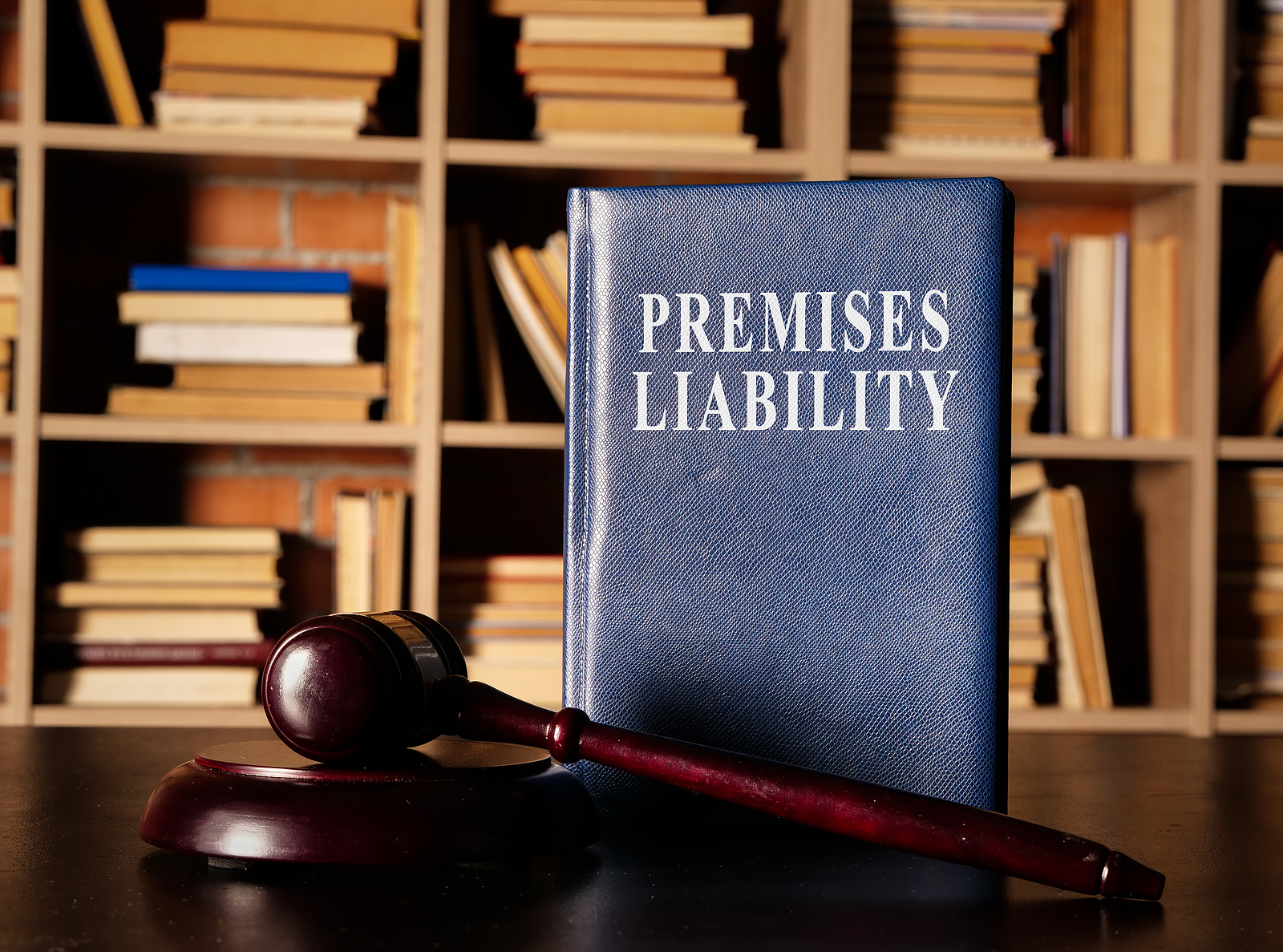
In many cases, a personal injury slip and fall accident occurs as a result of property owner, property occupant and/or property manager’s negligence. From spills and puddles to lax grounds maintenance, building code violations, deteriorating pavement, and more, slip and fall accidents can be a permanent condition or something temporary. Either way, if you are injured in a slip, trip, or fall accident, it is important to educate yourself on your rights as a victim of a personal injury. This applies to both visitors and staff of commercial businesses, as well as guests, tenants and occupants in residential settings.

Continue reading to learn what a slip and fall accident victim must prove in a personal injury lawsuit in order to win their case.

Slip and Fall Lawyers  Indianapolis Indiana 317-881-2700
Slip and Fall Lawyers Indianapolis Indiana 317-881-2700

A Property Owner’s Duty of Care

Property owners have a legal liability referred to as duty of care, which requires them to maintain a safe and secure premises, free of any foreseeable hazards or dangers. The law will hold property owners responsible for a victim’s damages if said victim is seriously injured or suffers permanent consequences after slipping and falling on their premises as a result of violating this duty of care.

However, in order for an accident victim to win their slip and fall lawsuit, they must prove certain facts of their claim. This claimant obligation is known as burden of proof, and it is a central element in every personal injury case.

Burden of Proof in a Slip and Fall Accident

A slip and fall accident victim and their legal team of personal injury attorneys are responsible for proving their case. They must factually demonstrate that the negligent party’s carelessness caused unsafe conditions that led to the victim’s accident, and that the accident caused serious injuries that required hospitalization or medical treatment.

As a wrongfully injured victim of a slip and fall accident, it is important to ask yourself:

What caused me to slip and/or fall?

Should someone have known about the thing that caused my fall?

Was the cause of my accident foreseeable and preventable if proper precautions and inspections were performed?

These three questions will help you gain a basic understanding of your chance of success in pursing a slip and fall claim against a property owner or other negligent party.

If you are injured in a Slip and Fall:

If you are hurt in a commercial or business setting, even at work or school, or injured anywhere else, it is important to take pictures and video of the area of your accident, what caused your fall and retrieve all witness contact information. These two initiatives can help you prove your slip and fall case faster to the insurance carrier for the defendant. 

You should always make a written report if possible as well.  Following medical treatment, contact an Indianapolis personal injury lawyer as soon as possible before evidence is lost to support your claim or time runs out on the statute of limitations for your claim.

Not sure which personal injury law firm can help you recover the maximum settlement for your slip and fall case in Indiana? Contact the Law Office of Craven, Hoover, and Blazek P.C. at 317-881-2700 to speak with us about scheduling a free consultation with a licensed and experienced slip and fall injury lawyer in Indianapolis, Indiana.  We have also successfully represented premises liability cases for big box stores like Walmart, Lowes, and Menards.

Related Posts:

Is the Landlord Responsible for an Apartment Slip and Fall Accident?
Can I Make an Injury Claim With My Gym’s Insurance Company for a Slip and Fall Accident?
The Key Liability Questions in Slip and Fall Lawsuit

Local Indianapolis Personal Injury Law Firm 317-881-2700
Schedule a Free Consultation!

Do I Have to File a Personal Injury Claim if I Am Hurt in an Accident?

Merriam-Webster Legal Dictionary defines a personal injury as, “harm to one’s body, mind, or emotions broadly.” A personal injury typically results in a wide range of damages and losses, like medical bills, hospital bills, lost wages, pain, suffering, and more. Although it is not required by state or federal law to file a personal injury claim after being injured physically, mentally, or emotionally, there are many cases in which a victim should do so.

Continue below to learn under which circumstances an accident victim might want to make a personal injury claim, and how to get started on your own in Indiana.

Indiana Personal Injury Legal Assistance 317-881-2700

Personal Injury Claims are Not for Property Damages

Merriam-Webster Legal Dictionary further defines a personal injury as, “an injury that is not to one’s property.” This is important to note. Personal injury claims do not include property damages, such as automotive repair or damaged personal belongings after a car accident. Personal injury claims are solely meant to recover compensation for physical, mental, or emotional damages. However, a person who suffers a personal injury may also make a claim for property damages if need be.

Additionally, personal injury claims are reserved for those who are wrongly injured or killed by another liable party, either as a result of a negligent action or inaction, or an intentional act. Those who lost a family member due to the negligence of another may recover damages in a personal injury wrongful death claim. In such cases, a personal injury claim would be beneficial to a victim’s quality of life, now and in the future.

The most common types of personal injury cases are auto accidents, drunk driving accidents, motorcycle accidents, large truck accidents, slip and fall accidents, medical malpractice, construction accidents, workplace accidents, child injuries, defective products, and wrongful deaths.

When to Pursue a Personal Injury Claim

Why is it a good idea to file a personal injury claim after being injured in a wrongful accident? Personal injury survivors experience a wide range of stressors after their accident, including an influx of insurance claims, financial obligations, pain-and-suffering, and much more. This level of stress is heightened even more so for personal injury victims who are the primary wage earners or sole caretakers of their family. During this time, one’s sole focus as an injured victim should be to heal; not deal with these pressures and concerns.

Under these common circumstances, it would be considerably advantageous to file a personal injury claim. You can focus solely on your recovery, plus obtain compensation for your damages and losses caused by another person’s failure to use reasonable care. The first step in the legal process is to contact a trusted and experienced Indiana personal injury law firm. They have the knowledge, skills, resources, and drive to obtain the best possible outcome for your case.

Hiring an Attorney for Your Personal Injury Case

Many accident victims wonder if they need to hire an attorney to represent their case or if they can just represent themselves. Hiring a personal injury lawyer to represent your accident case is vital. You never want to represent yourself because insurance companies and large corporations will use every resource in their power to diminish the value of an accident claim. Such parties are extensively outfitted, and therefore, successful at doing so against those representing themselves.

A seasoned Indiana personal injury attorney will know how to combat all of the questionable strategies used by insurance adjusters and corporations, and ultimately ensure that you recover the maximum settlement or verdict for your claim.

Were you or your loved one wrongfully injured in an accident in Indiana? Contact the Law Office of Craven, Hoover, and Blazek P.C. at 317-881-2700 to schedule a free case evaluation with a seasoned Indianapolis Indiana accident attorney you can trust to recover the settlement you deserve. We represent victims all throughout the state of Indiana and Indiana residents injured in other states.

Related Posts:

Is My Job-Related Injury Covered By Workers’ Compensation?
The First Questions You Should Be Asking After a Personal Injury
Can I Still Sue the Other Driver if My Car Accident Injuries Were Not Apparent at the Scene?

Local Indianapolis Personal Injury Law Firm 317-881-2700
Schedule a Free Consultation!

Where to Get Legal Help After Being Injured in an Indiana Trucking Accident

Were you or your loved one wrongfully injured in an Indiana trucking accident within the last two years? If so, you likely still have time to take legal action against the negligent party who caused your subsequent injuries and losses. With the right legal counsel by your side, you could recover a settlement for your hospital bills, medical expenses, lost wages, lost benefits, pain and suffering and more.

Not sure where to begin? Not to worry; these times are challenging enough for you. Enlist the help of seasoned professionals to protect your best interests and overall quality of life after a serious loss or traumatic experience.

Continue below to learn exactly which personal injury law firm you can trust to obtain the maximum amount of compensation for your damages and losses after a serious large truck accident in Indiana.

Large Trucking Accident Lawyer Indiana 317-881-2700

Large Trucking Accidents in Indiana

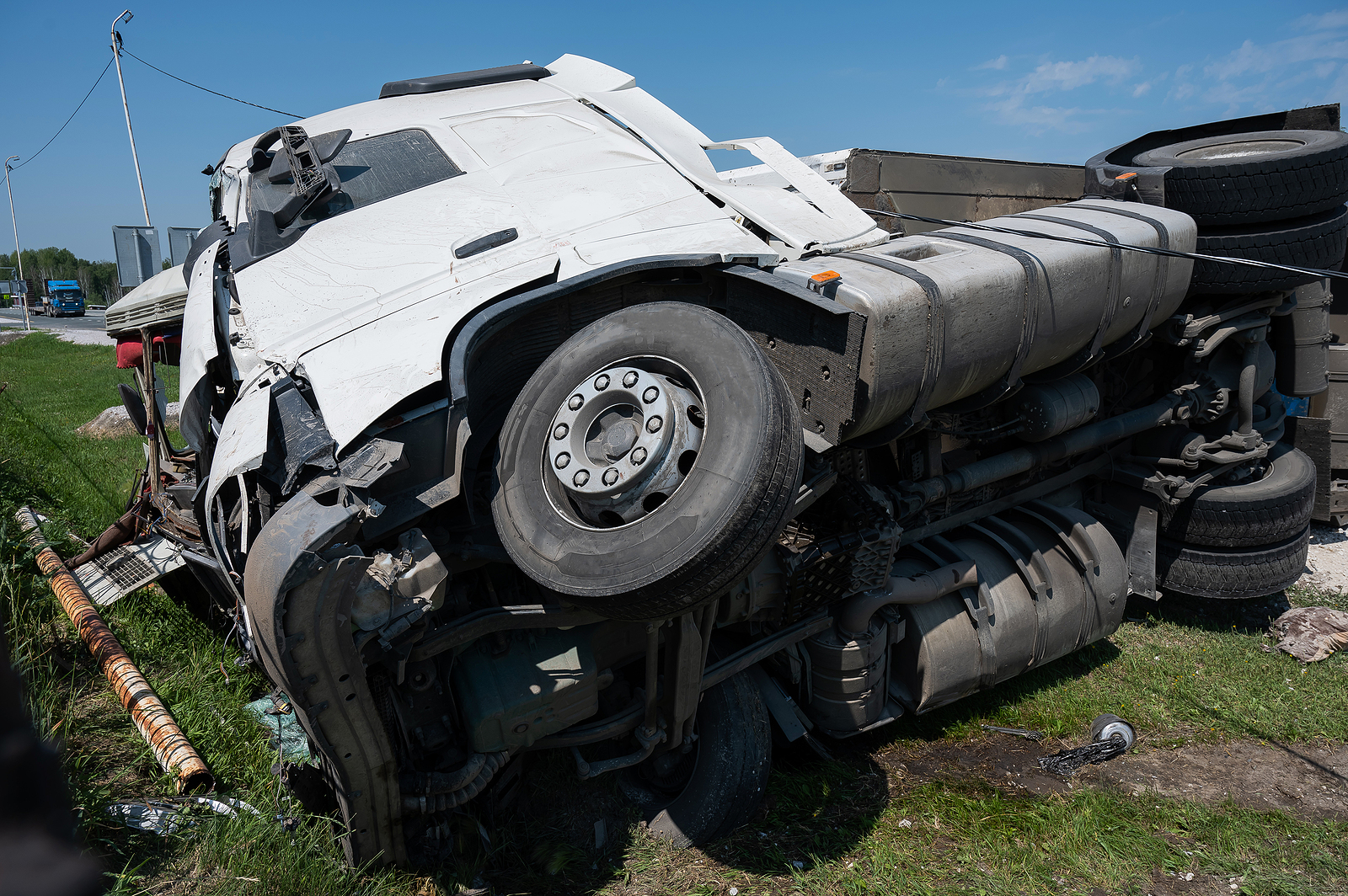
Trucking accidents that cause injuries to other drivers on the road are not so rare. Here in Indiana, more than 100 people have died in a motor vehicle accident involving a large truck for the past 7 years. In 2019, 125 Hoosiers were laid to rest after a trucking accident. The National Highway Traffic Safety Administration (NHTSA) reports that in Indiana that same year, 2,210 vehicles were in a fatal collision. Of those vehicles, 149 of them were large trucks.

Because large trucks are significantly heavier and bigger in size compared to other vehicles on the road, the amount of damage they can do in an accident can be extreme. Most fatalities in large truck accidents occur to other drivers involved, not the truckers or truck passengers. According to the National Highway Traffic Safety Administration (NHTSA), recently, in a period of 12 months, there were 3,964 large truck accident victims who died, nationwide. Out of those 3,964 victims, only 17% were the driver or occupant of the large truck.

How an Indiana Injury Lawyer Can Help Truck Accident Victims

Common causes for large truck accidents include speeding, improper cargo loading, distracted driving, poor truck maintenance, truck malfunctions as a result of negligent maintenance, inadequate training, unqualified truckers, drug use, illegal driving maneuvers, and roadway problems. A seasoned personal injury lawyer well-versed in large truck accidents can demonstrate a trucker or trucking company’s negligence, prove your damages, and recover the maximum settlement or verdict for your case.

Indianapolis Truck Accident Lawyers You Can Trust

Here at the Law Office of Craven, Hoover, and Blazek P.C., we have worked with numerous trucking accident victims, including accident survivors themselves and the bereaved of those who lost their lives in a truck accident. We can prove and substantiate your trucking accident case in Indiana based on empirical evidence and cold, hard facts.

Our Indianapolis truck accident lawyers have the proven legal strategies to ensure you are protected against financial liability. Whether you are a seriously-injured survivor or the surviving family of a truck accident victim, you deserve justice in the form of full and fair compensation. The most important priority right now is to act fast.

Schedule a case evaluation with our office as soon as possible before time runs out and evidence is lost to support your claim. We can hold meetings and consultations over the phone, via online video conference (Skype, Zoom, etc.), or in person at our Indianapolis-based office. All first consultations are free and we never charge anyone unless we win a verdict or settlement.

Are you ready to get started on your financial justice after being victimized in a serious trucking accident in Indiana? Contact the Law Office of Craven, Hoover, and Blazek P.C. at 317-881-2700 to schedule a free case evaluation with an experienced truck accident attorney in Indianapolis, Indiana. We represent clients throughout the State of Indiana.

Related Posts:

Who Do I Sue After Being Injured By a Semi-Truck?
FAQS About Commercial Truck Accident Claims
What to Do After Being Injured By a Garbage Truck in Your Neighborhood

Local Indianapolis Personal Injury Law Firm 317-881-2700
Schedule a Free Consultation!

Evidence That Can Be Used in a Personal Injury Car Accident Claim

Serious car accidents generate serious damages and losses for wrongfully injured victims. Factors like hospital bills, medical expenses, and missed work can leave a car accident survivor drowning in out-of-pocket costs and payment responsibilities. Managing post-accident debt or financial struggles while physically and emotionally suffering and recovering from injuries makes the legal process even more stressful and confusing for car accident victims.

Sadly, car accident victims must fight for their rights to being fully compensated by the at-fault driver’s insurance company, especially since insurance companies always fight to pay out as little as possible. In order to do so, they will have to prove their losses by providing evidence to support their claim.

Continue reading to learn some examples of evidence that can be used in a personal injury car accident claim, plus how to ensure your case is successful.

Car Accident Law Firm Indianapolis Indiana 317-881-2700

Personal Injury Evidence for Car Accidents

When it comes to recovering a settlement for your damages and losses after being injured in a car accident that was not your fault, it is important to understand that you, the claimant, hold the burden of proof. This means you are responsible for proving the extent of your damages and losses, including your medical bills, related medical expenses, missed paychecks at work, and so forth.

Although some of these are evidence in and of themselves, there are other types of evidence you will need to gather and have available for your Indiana car accident lawyer in order to prove your personal injuries and recover a settlement that is appropriate for your claim. It is vital to hire a skilled and qualified personal injury law firm to represent your case. They will have the knowledge and resources to gather all available kinds of evidence relevant to your case and recover the full and fair settlement you deserve for your damages and losses.

Approved Forms of Car Accident Evidence

Personal injury evidence that works well to support a victim’s claim are tangible, certified, quantifiable, and official. These can be things like records, documents, videos, photos, witness statements, interrogatories, depositions, and more.

Police Reports

In a recent blog, we discussed the importance of always making a police report after car accident. A police report is one of the most useful types of personal injury evidence because it is written objectively by a trusted and qualified authority. It helps to prove fault in a car accident, plus confirm other details of an accident that are pertinent to an injured victim’s personal injury claim. Police reports and car accident reports are important records to have in a personal injury case, regardless of which side you are on.

Medical Records and Payment Receipts

Along with police and car accident reports, more critically important types of personal injury evidence to organize and gather for your case are medical records and medical payment receipts. Not only do you need to prove that your injuries are legitimate, and you’ve been taking the responsible actions to have your injuries treated by certified medical professionals, but you also want to demonstrate that you been paying out-of-pocket for your medical expenses and hospital bills. Your medical payment receipts will be a quantifiable catalog of evidence that you can apply to your case to prove your damages.

Videos and Photographs

Scene of the accident evidence is also important in a personal injury car accident case. Videos and photographs of the surrounding road and landscaping, street signs, property damages, vehicular damage, physical and visible injuries, and anything else related can be useful for proving an injured victim’s car accident claim. Another type of video evidence commonly used in personal injury car accident cases is surveillance video. Local gas stations, retail stores, shopping centers, and office buildings that are equipped with 24 hour surveillance can catch accidents in live action.

Injury and Property Damage Documentation

As just described, documentation of the scene of the accident is important evidence to have a personal injury car accident case. Injury documentation can include pictures and videos of your physical injuries or related struggles, as well as your medical records and hospital bills. Property damage documentation will include police report, pictures of vehicular damage, and appraisals for repair or replacement of the damaged vehicle.

Eyewitness Testimonies

Another type of personal injury car accident evidence is eyewitness testimony. Therefore, it’s important to gather contact information from onlookers who saw your car accident. This includes their name, address, phone number, email address, and if willing, even their place of employment. Witnesses can provide testimony to support your damages and losses following a wrongful car accident.  Expert witnesses, like accident reconstruction specialists, engineers, physicians, and similar professionals, may also be asked for their testimonies. Your lawyer will determine if expert witnesses are necessary for your claim.

Interrogatories and Depositions

Personal injury witness testimony does not always stop at eyewitnesses and reconstruction specialists. In some car accident cases, lawyers will use interrogatories to get information, truthful information under oath, from the other driver in the accident. This is considered a type of witness testimony used as evidence in a personal injury car accident case. Depositions are another form of out-of-court testimony approved as reliable evidence in an accident case. They are given under oath, plus recorded by a court transcriber.

Talk to a Personal Injury Lawyer in Indiana

Keep in mind that every personal injury case is different, and not all forms of car accident evidence will be approved as proof of a claimant’s damages. Again, this is why it’s important to have a seasoned Indiana car accident lawyer working your case; they know exactly how to identify the best types of personal injury evidence for a victim’s claim and apply it to the best of their benefit.

Are you an injured victim of a wrongful car accident in Indiana? Contact the Law Office of Craven, Hoover, and Blazek P.C. at 317-881-2700 to schedule a no-risk, no-fee personal injury consultation with a skilled car accident attorney and discuss your rights to pursue legal action against the at-fault driver. We represent clients all throughout the state, and there is no need to travel. We can hold consults over the phone or via online video conference.

Related Posts:

What To Do and Not To Do After a Car Accident
What Do I Say to Insurance Adjusters After Being Injured in a Car Accident?
Can I Still Sue the Other Driver if My Car Accident Injuries Were Not Apparent at the Scene?

Local Indianapolis Personal Injury Law Firm 317-881-2700
Schedule a Free Consultation!

Examples of Vicarious Liability in a Personal Injury Claim

In simplest terms, vicarious liability is when one party is held legally accountable for another party’s negligent or unlawful actions.

Although the first party is legally responsible, the law holds the secondary party accountable as well. Vicarious liability, also referred to as principle’s liability or imputed negligence, comes to play in situations where a person or corporation is supposed to be responsible for another person or thing but acts negligently instead.

Continue reading for more examples of this type of legal liability, plus who to contact in Indiana for skilled car accident or personal injury representation that will protect your rights to being fully compensated.

Vicarious Liability Lawyers Indianapolis Indiana 317-881-2700

Vicarious Liability  

To best understand how vicarious obligation works, it is good to review some generic cases in which it would come into play. For example, if an employer retains a staff of employees that act negligently while working for the company (i.e. sexual harassment, discrimination, driving a company vehicle, etc.), the employer can be held accountable for the resulting damages in a court of law.

Victims of this negligent behavior can file a lawsuit to pursue compensation for pain, suffering, and more from the employer, as well as the individual guilty employees. Employers in this situation are considered responsible because they have the duty to prevent and be aware of negligence in the workplace. By law, they should have stopped or prevented harmful behavior on the job.  In addition, employers are generally liable under law for any negligent acts performed by their employees anywhere while they are in the course and scope of their employment.

Car Accident Vicarious Liability and Negligent Entrustment

Driving another person’s car can also involve vicarious liability. A child that drives and wrecks their parent’s vehicle, causing serious injury or death to another driver, may put their parents in legal tribulation. Parents, or guardians, have the responsibility to properly instruct their adolescent how to drive safely, and only loan their vehicle during appropriate times. So, if a parent entrusts their minor to drive their vehicle, and an accident occurs, the parent (or person) who signed the minor’s driving application, is held responsible for the damages. In such cases, the insurance carrier for the parents would also be involved.

The law deems a parent or guardian, also known as an entruster, negligent if they allow their teen to drive a vehicle in their name knowing that their child is reckless, untrustworthy, inadequate at driving, or unlicensed. If a child falls under any of these descriptions, and subsequently causes a serious accident, the guardians or guardians can be held accountable for the damages under the principle of negligent entrustment.

Are you looking for skilled personal injury law firm to represent you in your negligence case in Indiana? Contact the Law Office of Craven, Hoover, and Blazek P.C. at 317-881-2700 to schedule a free consultation with our personal injury attorneys in Indianapolis, Indiana. We also represent injured victims all across the state.

Related Posts:

Are Personal Injury Lawyers Expensive?
The Most Common Types of Damages Awarded in Personal Injury Lawsuits
Top 3 Things You Can Do to Maximize Your Accident Settlement

Who is Liable After an Uber or Lyft Accident?

There are many reasons why ridesharing has become such a popular asset within our communities. Last week, New Year’s Eve celebrations increased Uber and Lyft requests significantly because responsible drinkers wanted to avoid intoxicated driving and subsequent penalties like DUIs or drunk driving accidents. In addition to opting for a sober ride, people use Uber and Lyft services to avoid rental car costs when visiting a new city, to avoid the hassle of airport parking, and more.

Overall, ridesharing services have proven to be highly advantageous and cost-effective. In fact, Uber currently has more than 160,000 active drivers. But, with the increase of popularity in Uber and Lyft services, there has also been an increase in car accidents.

When a passenger is injured in rideshare car accident, who is liable for their damages and losses? Injured passengers in rideshare car accidents can suffer hospital bills, medical expenses, lost wages from time off work, pain-and-suffering, prolonged physical therapy, disability, and much more. Who is responsible for compensating an injured rideshare passenger for these compensatory losses?

Continue reading to learn more about Uber and Lyft car accident insurance coverage, accident claims, and compensation recovery following a wrongful rideshare accident.

Rideshare Accident Lawyers Indianapolis IN 317-881-2700

Rideshare Car Accident Liability

Because of the Uber and Lyft business models, there can be multiple insurance parties liable after a rideshare accident. At-fault parties may include the rideshare driver, the rideshare company, a third-party driver, or even a government agency.

Rideshare companies attempt to evade liability for accidents by classifying drivers as independent contractors rather than employees. Fortunately, many courts are not motivated to protect rideshare companies from car accident liability. Still, in most cases, it is the rideshare driver who is deemed liable after a wrongful or negligent car accident.

Uber and Lyft Auto Insurance Coverage

Rideshare companies, including Lyft and Uber, make it mandatory for their drivers to maintain their own personal auto insurance liability coverage that meets the state minimum requirement. In addition to requiring their drivers to have their own personal liability insurance coverage at the state minimum, Uber provides a $1 million commercial insurance policy to cover drivers and passengers in motor vehicle collisions. But this coverage only applies if the accident occurs while the Uber app is active and turned on.

Although rideshare companies like Uber and Lyft require their drivers to maintain the state-mandated minimum car insurance coverage, it is possible for a rideshare driver to have insufficient coverage, and therefore, not be able to compensate victims for their damages and losses. Furthermore, many private insurance companies are unwilling to pay out victims for their damages and losses that occur as a result of a rideshare accident. For this reason, the most common liable party in rideshare car accident is the commercial insurance policy coverage.

Additional Scenarios That Might Change Liability Coverage in a Rideshare Car Accident

In the case that a rideshare driver is on duty but has no customers in their car, then causes an accident that harms someone, it is generally their own personal car insurance policy that will pay out damages to an injured victim. Companies like Uber may offer a small portion of contingent coverage, but only up to $50,000 per injured person, and up to $100,000 total per accident.

If a rideshare driver has their app on, has accepted a ride, and is on their way to go pick up a passenger (or already has a passenger in the vehicle), then a car accident occurs, the rideshare company’s full insurance coverage policy may apply.

The legalities surrounding liability and injury claims are complex, making it critical to consult an Indiana accident attorney for expert legal advice after being wrongly injured in a rideshare accident.

Are you looking for personal injury law firm in Indiana that can help you recover the full and fair compensation you deserve after suffering damages caused by an Uber or Lyft rideshare car accident? Contact the Law Office of Craven, Hoover, and Blazek P.C. at 317-881-2700 to schedule a no-risk, no-fee personal injury consultation with an experienced car accident attorney in Indianapolis, Indiana. We also represent injured persons throughout the state of Indiana and Indiana residents injured in other states.

Related Posts:

Steps to Take After Being Injured in a Ride Share Accident
Can I File a Personal Injury Claim if I Was Hurt in an Uber Accident?
Can I Sue Lyft or Uber for Getting into a Car Accident?
Common Carrier Accidents and Liability

Information You May Be Required to Give in a Personal Injury Deposition

Personal injury depositions can feel intimidating, to say the least. But with responsible planning, you can face your personal injury deposition with poise and confidence. Always consult with your trusted attorney for deposition advice and guidance. They have the knowledge and resources to ensure you are ready for whatever questions you might be asked.

In fact, continue below to learn some common topics discussed in personal injury depositions to better prepare for the interview process. By knowing what information might be expected of you, you can ease your anxiety and put your best foot forward.

Deposition Accident Lawyer Indianapolis Indiana 317-881-2700

Personal Injury Depositions

Putting in the groundwork for being deposed involves reviewing the common questions asked during a deposition and preparing your answers accordingly. Not only should you practice and review your answers for your personal injury deposition, but you should also review your answers to any accident reports filed, medical bills, recorded statements, interrogatories, adjuster interviews, and any other legal documents or filings you made with the court.

Common Deposition Questions for Accident Cases

There are various topics that might be discussed at a personal injury deposition. Common questions tend to range from general data like background information and contact information to more specific questions, such as one regarding your accident and injuries.

General Background Information

The initial part of a personal injury deposition is used to cover general information from the person being deposed. Such questions will generally involve topics like employment, employment history, place of residence, residence history, marital status, number of dependents, previous legal matters, insurance claim history, criminal history, medical history, health status, and more.

Accident and Injury Information

A personal injury deposition will eventually switch gears and dive into more specific topics of discussion, namely focusing on the accident and injuries. While being deposed, you can expect questions about the details of the accident, including your involvement, the accident site, police reports, car accident reports, mental state, health condition, and so forth. In the case of a motor vehicle accident, they will want to know the condition of your car prior to and following the accident, as well as the conversions you had with the other parties involved at the scene.

You will also face questions regarding your injuries, including the extent of your injuries, your physical limitations as a result of being injured, how your injuries are affecting your daily life, which doctors you’ve seen, how many appointments you’ve had, who referred you to each doctor, the types of treatments you’ve received, the status of your medical bills, and similar questions.

Are you looking for qualified and trustworthy personal injury guidance in Indiana? Contact the Law Office of Craven, Hoover, and Blazek P.C. at 317-881-2700 to schedule a free personal injury case evaluation. Our seasoned attorneys can meet with you over the phone or computer, or in-person at our Indianapolis law office.

Related Posts:

Deponent Tips for Personal Injury Depositions
Is My Personal Injury Case Criminal or Civil?
How Can I Tell Whether or Not I Have an Injury Case?

Indianapolis Personal Injury Lawyers 317-881-2700
Schedule a Free Consultation!