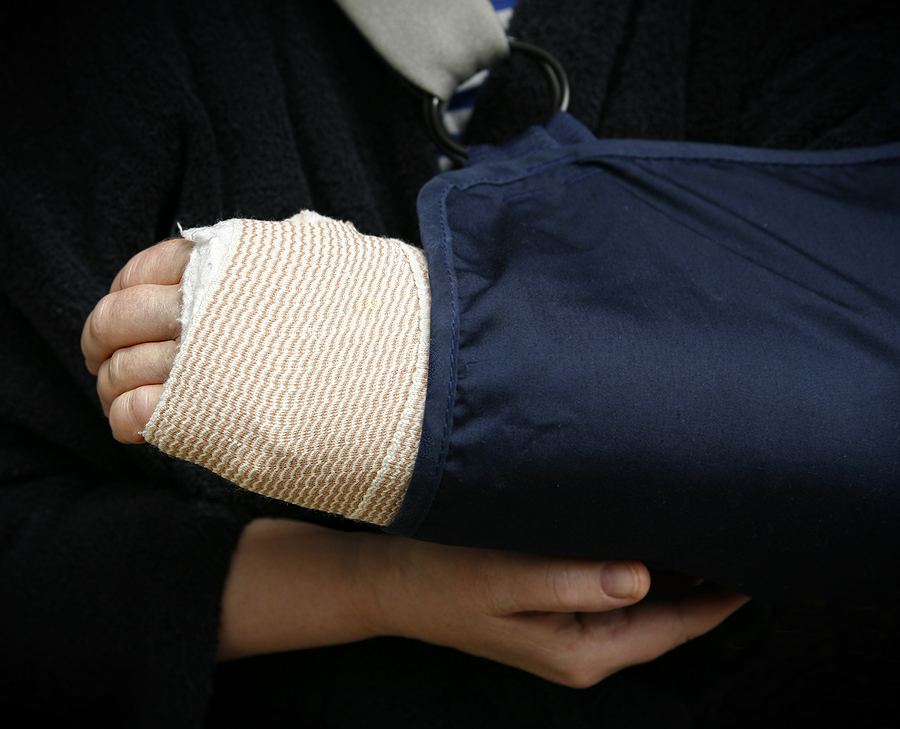
Orthopedic Injury Lawsuits in Indiana: What You Need to Know

Orthopedic injuries are more than just broken bones or strained muscles; they disrupt your life. From simple daily tasks like walking the dog to professional responsibilities, an injury to your musculoskeletal system can bring everything to a halt. When that injury happens because someone else was careless, the frustration is compounded by a sense of injustice.

In Indiana, the law provides a pathway for victims of negligence to seek compensation for a broken bone injury. While no amount of money can undo physical trauma, a successful personal injury claim can alleviate the financial burden of medical bills and lost time at work, allowing you to focus on what matters most: your recovery. Understanding the legal landscape of negligence and orthopedic injuries is the first step toward reclaiming control of your situation.

Call 317-881-2700 to Get Legal Help With an Orthopedic Injury Lawsuit in Indiana

Understanding Negligence in Indiana Personal Injury Cases

“Negligence” is a legal term that forms the backbone of most personal injury lawsuits. It isn’t just about an accident happening; it’s about an accident happening because someone failed to act responsibly. In the context of Indiana law, establishing negligence requires proving four specific elements.

First, you must show a duty of care. This means the other party had a legal obligation to act reasonably to prevent harm. For example, a driver has a duty to follow traffic laws, doctors and other medical care providers must follow recognized standards and a property owner has a duty to keep their premises relatively safe for visitors.

Second, there must be a breach of that duty. This occurs when the person’s actions (or lack of action) fall below the expected standard of care. Running a red light or ignoring a spill in a grocery store aisle are classic examples of a breach.

Third, you must prove causation. You have to draw a direct line between the breach of duty and your injury. It’s not enough that the other person was careless; their carelessness must be at least one of the reasons you were hurt.

Finally, there must be damages. You must have suffered actual harm—whether physical, emotional, or financial—that the court can compensate.

Common Orthopedic Injuries Caused by Negligence

Orthopedic injuries affect the musculoskeletal system—bones, joints, ligaments, tendons, and muscles. These injuries often require specialized medical attention, surgery, and lengthy physical therapy. Some of the most common injuries seen in Indiana personal injury cases include:

Fractures and Breaks

Broken bones are frequent outcomes of car accidents and slip-and-falls. While a simple fracture might heal in a cast over six weeks, compound or comminuted fractures often require surgical intervention, utilizing pins, plates, or screws to stabilize the bone. These severe breaks can lead to chronic pain or arthritis later in life.

Ligament Tears (ACL, MCL, PCL)

Ligament tears frequently occur in trip-and-fall incidents or car crashes where the knee is twisted or struck violently. An ACL tear, for instance, destabilizes the knee and usually requires surgical reconstruction followed by months of rehabilitation to regain full range of motion.

Rotator Cuff Injuries

The shoulder is a complex joint, and the group of muscles and tendons known as the rotator cuff is susceptible to injury during trauma. A tear here can severely limit your ability to lift your arm or perform basic tasks, often necessitating surgery and extensive therapy.

Herniated Discs and Spinal Injuries

The impact of a collision can cause the rubbery cushions (discs) between your vertebrae to slip, herniate or rupture. This can press on nerves, causing debilitating pain, numbness, or weakness in the limbs. These injuries are notoriously difficult to treat and can result in permanent changes to a person’s quality of life.

Book a Free Personal Injury Case Review Now

Establishing Liability: Proving Fault

Proving that another party is liable for your orthopedic injury is rarely straightforward. Insurance companies often attempt to downplay the severity of the injury or argue that the victim was partially at fault. This is where evidence becomes crucial.

To document a strong case in Indiana, you need comprehensive documentation. This includes:

  1. Medical Records: These help to link your injury directly to the accident. Immediate medical attention is vital not just for health, but for documenting when, where and how your injury occurred and what the injury is.
  2. Scene Evidence: Photos or videos of the accident scene, surveillance footage, and police reports help reconstruct the event.
  3. Witness Statements: Independent accounts of what happened can corroborate your version of events.
  4. Expert Testimony: In complex cases, orthopedic surgeons or accident reconstruction specialists may be needed to explain the mechanics of the injury or the accident to a jury.  In almost all cases, a doctor must testify as to the injuries sustained.

Indiana follows a modified comparative fault system. This means you can still recover damages even if you were partially to blame for the accident, provided your fault is not greater than 50%. However, your compensation will be reduced by your percentage of fault. If you are found to be 51% or more at fault, you are barred from recovering any damages.

Types of Compensation Available

The goal of a personal injury claim is to make the victim “whole” again, at least financially and to fully and fairly compensate the victim for what they have gone through and what they will go through in the future. In Indiana, compensation typically falls into two categories: economic and non-economic damages.

Economic damages cover quantifiable financial losses. This includes:

  1. Medical Expenses: Current bills for emergency room visits, surgery, and hospitalization, as well as estimated future costs for physical therapy and medication and other medical care.
  2. Lost Wages: Reimbursement for the income you lost while recovering.
  3. Loss of Earning Capacity: If your orthopedic injury results in a permanent disability that prevents you from returning to your previous job, you can seek compensation for the difference in your future earning potential and lost time.

Non-economic damages are more subjective and compensate for the intangible impact of the injury. This includes:

  • Pain and Suffering: Compensation for the physical pain and emotional distress caused by the injury.
  • Loss of Enjoyment of Life: If you can no longer participate in hobbies or activities you once loved, such as running, bowling or playing with your children.
  • Mental Anguish: Damages for anxiety, depression, or PTSD resulting from the trauma.

The Legal Process: What to Expect

Filing a lawsuit might seem daunting, but understanding the roadmap can ease anxiety. The process generally begins with a consultation with an orthopedic injury attorney who evaluates the merits of your case. If you proceed, your attorney will file a complaint with the court, officially starting the lawsuit.  Lawsuits are only filed if the case does not settle for a mutually agreed upon reasonable figure.

Next comes the discovery phase, where both sides exchange information, take depositions, and gather evidence. Many orthopedic injury cases are settled during this phase through negotiation or mediation, avoiding the need for a trial. Settlements provide a guaranteed payout and avoid the unpredictability of a jury.

However, if a full and fair agreement cannot be reached, the case goes to trial. Here, both sides present their arguments, and a judge or jury determines liability and the amount of compensation. It is important to note that Indiana has a statute of limitations—generally two years from the date of the accident—to file a personal injury lawsuit. Missing this deadline usually means forfeiting your right to sue.

CONCLUSION

Suffering an orthopedic injury due to someone else’s negligence is a physical and emotional trial. The road to recovery can be long, filled with doctor’s appointments, rehabilitation, and financial stress. However, you do not have to navigate this path alone. The law provides mechanisms to ensure that the burden of medical costs and lost income falls on the responsible party and their insurance carrier, not the victim.

If you or a loved one has suffered an orthopedic injury in Indianapolis due to negligence, understanding your rights is the most powerful tool you have. Don’t let medical bills pile up while you wonder about your options.

Contact our office today for a free personal injury case evaluation. Let us review the details of your accident and help you determine the best course of action to secure the compensation you deserve.

Call Now to Get Started

Related Post: Understanding Your Legal Options After an Orthopedic Injury

Making a Spinal Cord Injury Claim in Indiana: Your Legal Rights

A spinal cord injury can transform your life in an instant, leaving you facing not only physical challenges but also overwhelming medical expenses and lost income. When someone else’s negligence causes such a devastating injury, understanding your legal options becomes crucial for securing the compensation you need to move forward.

Indiana law provides pathways for spinal cord injury victims to seek justice and financial recovery, but navigating the legal system requires knowledge of specific state regulations and procedures. Whether your injury resulted from a car accident, trucking accident, workplace incident, medical malpractice, or premises liability situation, you have rights that deserve protection.

This guide will walk you through the essential aspects of filing a spinal cord injury claim in Indiana, helping you understand what compensation may be available and the steps necessary to build a strong case for your recovery.

Call 317-881-2700 to Speak With a Spinal Cord Injury Claim Lawyer in Indiana

Understanding Your Legal Options After a Spinal Cord Injury

When facing a spinal cord injury in Indiana, you have several legal avenues to pursue compensation depending on how your injury occurred. Navigating these claims can be complex, but understanding your rights and the options available is a crucial first step toward securing the compensation you need to cover medical bills, rehabilitation, lost wages, and other damages. Consulting with an experienced Indiana personal injury law firm like Craven, Hoover, & Blazek, P.C. can help you determine the best course of action for your situation.

Determining Liability in Indiana Spinal Cord Injury Cases

Establishing liability requires proving that another party’s negligence directly caused your spinal cord injury. Under Indiana law, negligence occurs when someone fails to exercise reasonable care, resulting in harm to others. The duty of care varies depending on the situation but generally requires individuals and entities to act as a reasonable person would under similar circumstances.

In traffic accident cases, liability might involve proving violations of Indiana’s traffic laws, such as speeding, distracted driving, or failure to yield. Indiana’s traffic regulations establish clear standards of conduct, and violations that cause spinal injuries can serve as evidence of negligence.

For premises liability cases, property owners must maintain reasonably safe conditions and warn visitors of known dangers. This duty extends to regular inspections, proper maintenance, and addressing hazardous conditions that could cause serious injuries like spinal cord damage.

Indiana follows a modified comparative fault rule, which significantly impacts your ability to recover damages. Under this system, you can still receive compensation even if you bear some responsibility for the accident, as long as your fault doesn’t exceed 50%. However, your compensation will be reduced by your percentage of fault. For example, if you’re found 20% at fault and awarded $100,000, you’ll receive $80,000.

Types of Damages Available in Indiana Personal Injury Cases

Indiana personal injury law allows spinal cord injury victims to seek both economic and non-economic damages to address the full scope of their losses. Understanding these damage categories helps you recognize the potential value of your personal injury settlement.

Economic Damages

Such damages cover your quantifiable financial losses, including medical expenses, rehabilitation costs, lost wages, and future earning capacity. Spinal cord injuries often require extensive medical treatment, including surgery, hospitalization, physical therapy, and long-term care. These costs can easily reach hundreds of thousands or even millions of dollars over a lifetime.

Lost income represents another significant economic impact. Many spinal injury victims cannot return to their previous employment or may have reduced earning capacity. Indiana law allows recovery for both past lost wages and future income losses, calculated based on your age, career trajectory, and injury severity.

Non-Economic Damages

Non-economic damages compensate for intangible losses such as pain and suffering, emotional distress, loss of enjoyment of life, and permanent disability. While these damages don’t have specific dollar amounts attached, they often represent the largest portion of a personal injury settlement for catastrophic injuries.

Indiana generally doesn’t impose caps on personal injury damages in most cases, allowing juries to award compensation based on the evidence presented. However, medical malpractice cases have specific damage limitations that may affect certain types of claims.

Free Consultation for Injured Victims

Essential Steps After Suffering a Spinal Cord Injury

Taking the right actions immediately after a spinal cord injury can significantly impact your legal case and recovery prospects.

1. Seek Medical Help

Your first priority should always be seeking immediate medical attention, even if you don’t initially realize the severity of your injuries. Some spinal injuries may not present obvious symptoms right away, and early treatment can prevent additional complications.

2. Document It All

Document everything related to your injury and the incident that caused it. Take photographs and videos of the accident scene, your injuries, and any property damage. Collect contact information from witnesses and request copies of police reports or incident reports filed by authorities or property owners.

3. Maintain Detailed Records

Keep detailed records of all medical treatment, including doctor visits, diagnostic tests, treatments received, and medications prescribed. These records serve as crucial evidence for both your medical recovery and your legal claim. Additionally, maintain documentation of how your injury affects your daily life, work capacity, and overall quality of life.

4. Make an Official Report

Report your injury to relevant parties, such as your employer for workplace injuries or your insurance company for motor vehicle accidents. However, be cautious about providing detailed statements to insurance companies representing other parties before consulting with an attorney.

5. Act Fast and Hire a Lawyer

Indiana’s statute of limitations for personal injury claims requires filing your lawsuit within two years of the injury date, in most cases and there is a 6 month window for filing a claim in some governmental cases. While this may seem like plenty of time, documenting a strong spinal cord injury case requires extensive investigation where evidence can disappear and expert testimony, making early action essential for protecting your rights.

The Critical Importance of Legal Representation

Spinal cord injury cases involve complex medical and legal issues that require specialized knowledge to navigate successfully. Insurance companies employ experienced adjusters and attorneys whose primary goal is minimizing payouts, making professional legal representation crucial for protecting your interests.

An experienced Indianapolis personal injury lawyer like Dan Craven can investigate your case thoroughly, including hiring accident investigators, reconstruction experts, medical professionals, and economists to establish liability and quantify your damages. They understand how to present evidence effectively and negotiate with insurance companies to secure full and fair compensation.

Your attorney will also help you understand the true value of your claim, considering both immediate costs and long-term expenses associated with your injury. Many spinal cord injury victims initially underestimate their damages, particularly regarding future medical needs and earning capacity losses.

Legal representation becomes even more critical when dealing with insurance company tactics designed to reduce settlements. Insurance adjusters may pressure you to accept quick settlements before the full extent of your injuries becomes apparent, or they will argue that your injury isn’t as severe as claimed.

Securing Justice and Recovery for Your Spinal Cord Injury

Spinal cord injuries represent some of the most life-altering injuries a person can experience, often requiring lifetime medical care and significant lifestyle adjustments. Indiana’s legal system provides mechanisms for injury victims to seek compensation from those responsible for causing these devastating injuries.

Understanding your rights under Indiana personal injury laws, including the modified comparative fault rule and statute of limitations requirements, helps you make informed decisions about pursuing legal action. The types of damages available can provide comprehensive compensation for both economic losses and the profound personal impact of spinal injuries.

Success in spinal cord injury claims requires prompt action, thorough documentation, and skilled legal advocacy. The complexity of these cases and the tactics employed by insurance companies make professional legal representation essential for achieving fair outcomes.

If you or a loved one has suffered a spinal cord injury due to someone else’s negligence, don’t let financial concerns prevent you from seeking the compensation you deserve. The path to recovery begins with understanding your legal options and taking action to protect your rights.

Ready to learn more about your Indiana spinal cord injury claim? Get a free case evaluation today to discuss your specific situation with our experienced personal injury lawyers who understand Indiana law and can help you pursue maximum compensation for your injuries.

Contact Us for Legal Assistance

Related Post: General Types of Spinal Cord Injuries

Understanding Your Legal Options After an Orthopedic Injury

Orthopedic injuries can disrupt your life in an instant. Whether it’s a fractured bone, a dislocated joint, or a spinal injury, the physical and emotional toll of these injuries is immense. Beyond the immediate pain, however, there’s also the burden of navigating the legal and financial challenges that often follow.

Understanding your legal options is crucial to ensuring you receive the care, support, and compensation you need to heal and move forward. This guide will walk you through common orthopedic injuries, their causes, and the legal pathways available to protect your rights and secure your future.

Call 317-881-2700 to Speak With an Orthopedic Injury Attorney in Indianapolis Indiana

Common Orthopedic Injuries 

Orthopedic injuries refer to any damage or trauma to the musculoskeletal system, which includes bones, joints, ligaments, tendons, and muscles. These injuries can range from mild to severe. Here are some of the most common types:

1. Fractures

Fractures, or broken bones, are among the most frequent orthopedic injuries. They include:

  • Simple fractures (clean breaks) 
  • Compound fractures (where the bone pierces the skin) 
  • Stress fractures (tiny cracks caused by repetitive force)

2. Sprains and Strains

  • Sprains involve stretched or torn ligaments, often affecting areas like the wrist or ankle. 
  • Strains involve overstretched or torn muscles or tendons.

3. Joint Dislocations 

  • A dislocation occurs when a joint is forced out of its normal position, commonly in shoulders, elbows, and knees.

4. Spinal Injuries

  • Trauma to the spine, including a broken neck or back, can lead to devastating consequences, such as limited mobility or paralysis.

5. Knee Injuries

Knee injuries, like a torn ACL or a broken knee cap, are particularly common in workplace accidents and sports.

All these injuries require not only medical attention but, in many cases, legal assistance to ensure proper compensation if another party’s negligence contributed to the injury.

Common Causes of Orthopaedical Injuries 

Orthopaedical injuries can occur in a variety of settings. Here are some common causes:

Accidents 

Motor vehicle crashes, slips, trips, and falls are leading contributors to orthopedical injuries in Indiana and elsewhere. For instance, a broken back, neck, or knee cap injury can often result from these kinds of high-impact accidents.

Sports Injuries 

Physical activities, especially high-impact sports, can lead to fractures, dislocations, and ligament tears. Indiana University Health Orthopedics & Sports Medicine specializes in treating these injuries, reflecting their prevalence across Indiana sports culture.

Workplace Incidents 

Jobs with physical labor, such as construction, present high risks of orthopedic injuries. Under the Indiana Workers’ Compensation Act, employees injured on the job are entitled to workers’ compensation benefits, regardless of fault.

Medical Negligence and Defective Products 

Orthopedical injuries may also result from medical negligence or defective products, such as malfunctioning orthopedic implants. Indiana’s Medical Malpractice Law and Product Liability Law allow injured parties to seek compensation in such cases.

Contact Our Experienced Legal Team

Legal Options After Wrongly Suffering an Orthopedic Injury 

After sustaining an orthopedic injury as a result of another’s carelessness or negligence, understanding your legal rights within Indiana law is key. Here are the primary legal pathways to consider as a personal injury victim:

Personal Injury Claims 

If your injury was caused by another party’s negligence (e.g., a reckless driver or property owner), you may be eligible to file a personal injury claim. Compensation could cover past, present, and future losses such as:

  • Medical expenses (hospital visits, physical therapy, surgeries)
  • Lost wages (during recovery)
  • Pain and suffering

Indiana follows a Comparative Fault Law, meaning your compensation may be adjusted based on the percentage of fault attributed to you.

Workers’ Compensation 

For injuries sustained at work, Indiana law ensures most employees are entitled to workers’ compensation benefits, including:

  • Coverage for medical treatment
  • Wage replacement during time off work
  • Permanent disability benefits, if applicable

Disability Benefits 

If your orthopedic injury leaves you unable to work long-term, you may qualify for certain disability benefits, such as Social Security Disability Insurance (SSDI) or Supplemental Security Income (SSI).

Orthopedic Malpractice Lawsuits 

If improper medical care caused or worsened your orthopedic injury, filing a malpractice lawsuit can help recover damages. Indiana’s Medical Malpractice Law governs these claims and sets limits on potential compensation.

Product Liability Claims 

If a defective product, such as an orthopedic implant or crutch, caused your injury or worsened your condition, you may have grounds for a product liability claim under Indiana law.

Common Mistakes to Avoid in an Orthopedic Injury Claim

After an orthopedic injury, certain missteps can harm your legal options. Be sure to avoid the following:

  • Failing to seek medical attention promptly
  • Not documenting the accident scene or injury
  • Providing recorded statements to insurance companies before consulting a lawyer
  • Missing filing deadlines under Indiana’s statute of limitations, which is generally 2 years for personal injury claims
  • Ignoring doctor’s orders, which can weaken your case

By being proactive and informed right from the start, you can maximize your chances of a successful outcome.

Seeking Legal Help is Critical

Navigating the complexities of Indiana’s personal injury and workers’ compensation laws can be overwhelming, especially when you’re focused on recovering. Consulting an experienced Indiana orthopedic injury lawyer is crucial for ensuring your rights are protected.

An attorney can:

  • Help prove negligence and secure maximum compensation
  • Handle communications with insurance companies
  • Ensure you meet filing deadlines
  • Advocate for your best interests in court, if needed
  • Get the best possible outcome to your claim

Local Indiana Resources 

Indiana boasts several reputable organizations committed to supporting orthopedic injury victims:

  • Indiana Orthopedic Center: Comprehensive care for fractures, joint injuries, and more.
  • Indiana University Health Orthopedics & Sports Medicine: Specialized programs for sports injuries. 

TAKE CHARGE OF YOUR RIGHTS AND RECOVERY 

An orthopedic injury can feel like an uphill battle, but you don’t have to face it alone. By understanding your legal rights and seeking the right support, you can focus on healing while protecting your financial and emotional well-being.

If you or a loved one has experienced an orthopedic injury, contact our experienced team of personal injury attorneys at Craven, Hoover & Blazek, P.C. for a free consultation. We’ll help you evaluate your case and guide you every step of the way. Get in touch today to secure the compensation and care you deserve.

Get a Free Case Evaluation

Related Post: 8 Tips to Win Your Orthopedic Injury Lawsuit

What You Need to Know About Filing Whiplash Injury Claims in Indiana

Navigating through the process of filing a whiplash claim in Indiana can be complex and daunting. This post is designed to guide you through each step and shed some light on the key factors you should be aware of. Whether you’ve suffered a neck injury in a car accident, workplace accident, or due to some other incident, understanding your legal rights and the intricacies of an Indiana whiplash lawsuit is crucial.

Continue reading to learn explore the nuances of filing a neck injury claim in Indiana, including how to ensure that you are fairly compensated for your damages and losses.

Call 317-881-2700 to Speak With a Whiplash Attorney in Indianapolis Indiana

What is Whiplash?

Whiplash is a type of neck injury that can result from a sudden, forceful movement of the head, such as in a car crash or an unexpected blow to the head. The violent displacement of the neck can cause soft tissue damage and sometimes even injure vertebrae in your spine. Common symptoms of whiplash may include neck pain, shoulder discomfort, back pain, headaches, and memory problems. Whiplash injuries often prove troublesome to treat.

Whiplash Treatment

Depending on the extent of the injury, physical therapy or massage can be used to relieve pain and improve mobility in mild cases. In more serious scenarios, steroid injections alleviate swelling if surgery is not needed. Other treatments that have found to be beneficial are chiropractic care or aqua therapy. Hypnotherapy may be a successful choice for managing stress and anxiety which will help reduce the sensation of pain as inflammation heals naturally. Additionally, CBT (cognitive behavioral therapy) can assist with retraining the brain not to think about pain for the body to relax quicker and lessen discomfort. It is important to seek medical attention as soon as possible if you suspect that you have whiplash, as prompt treatment can help to alleviate pain and prevent long-term complications.

Filing a Whiplash Claim in Indiana

If you’ve sustained a neck or back injury due to another person’s negligence or recklessness, your first priority should be to seek legal assistance from an experienced personal injury lawyer. An attorney concentrating on neck injury cases like whiplash and auto accidents can help you document a strong plan to ensure that you’re adequately compensated for damages, including medical expenses and lost wages. The process of filing a whiplash lawsuit in Indiana begins with gathering evidence. This could include medical documents, police or accident reports, witness statements, media or photos of the scene, and more. Your neck injury attorney will help you understand the relevant Indiana personal injury laws while documenting a strategic plan for obtaining just compensation.

Dealing with Insurance Companies

It’s important to understand that insurance companies are not on your side— they exist to make a profit. In most cases, insurance companies will try to offer a lower settlement amount than what a victim deserves. That’s why it’s important to have an experienced personal injury attorney by your side. They will help evaluate the offer and negotiate for an appropriate amount of compensation that covers your medical bills, lost wages, pain and suffering, future expenses, and more. On the whole, your whiplash accident lawyer will be able to deal with the insurance company and ensure that you get the best possible outcome for your neck injury claim.

Proving Negligence in Indiana Courts

For a whiplash claim in Indiana to be successful, a claimant must prove that the other party was negligent in some way. This could include failing to apply brakes while driving, failing to keep a proper lookout, not following traffic laws, or neglecting to exercise caution when handling dangerous equipment. To prove negligence in an Indiana court of law, three elements must be satisfied: duty of care (the accused had a legal obligation to act responsibly), breach of duty (the accused violated the legal obligation), and causation (the breach of duty resulted in an injury). However, proving negligence can be a complex and challenging process. This is where a personal injury attorney comes in. They have the knowledge and resources to investigate your whiplash case thoroughly and determine who is at fault for your neck or back injury. So, if you’ve been injured, don’t hesitate to contact a lawyer to learn more about your legal options.

Seek Professional Help to Get Fair Compensation

Whether you suffered a neck injury in a motor accident or due to some other incident, it’s best to reach out to an experienced Indianapolis neck injury lawyer who can guide you through the process of filing a whiplash claim in Indiana. At the end of the day, consulting with a whiplash injury attorney is essential in order to get the maximum compensation available for your whiplash injury claim.

Whether you’ve been involved in a motor accident or experienced a different type of neck injury, understanding your rights and the intricacies of filing a whiplash lawsuit is essential. Contact the Law Office of Craven, Hoover, and Blazek P.C. at 317-881-2700 to schedule a free initial consultation with an experienced whiplash and neck injury lawyer in Indianapolis, Indiana. Our neck injury attorneys represent Indiana residents injured in Indiana throughout the state, Indiana residents injured in other states and residents of other states injured in Indiana.

Related Posts:

What You Should Know About Whiplash Personal Injury Claims
Understanding Onset of Injuries After a Car Accident
What You Need to Know Before Filing a Neck Injury Claim

Living with Paralysis: Tips for Adapting to Life After Injury

Living with paralysis can be a difficult and overwhelming experience. Whether it’s caused by an accident, illness, or other condition, the effects of paralysis can be life-changing in many ways. Even if you have partial paralysis or are temporarily paralyzed, the impact on your daily routine is undeniable. Adapting to life after injury requires patience and courage as you adjust to changes in your body and lifestyle.

The good news is that there are many resources available to help make living with paralysis easier. In this blog post, we’ll provide tips for adapting to life after injury so that you can live a fuller and more meaningful life despite your disability. We’ll discuss how to manage physical limitations, how to stay connected with family and friends through social media platforms such as Zoom or Skype, strategies for dealing with emotional challenges like depression or anxiety related to being disabled, and more.

By following these tips for successfully adapting to life after injury due to permanent or partial paralysis, you will find yourself able enjoy living again. Continue scrolling to get started.

Call 317-881-2700 to Speak With a Paralysis Injury Lawyer in Indianapolis Indiana

Coping Methods for Adapting to Life With a Paralysis Injury

Acceptance and Acknowledgement

The first step in adapting to life with paralysis is to accept and acknowledge the change. This includes identifying your physical limitations and understanding what you can or cannot do. It’s important to focus on what you can do, rather than dwell on what you can’t control or accomplish. Acknowledge that it may take some time for you to adjust and give yourself permission to grieve the loss of abilities that your injury caused.

Communication With Loved Ones

Next, find ways to stay connected with family, friends, and other people who are living with similar disabilities. Reach out through online support groups where members can offer advice and understanding as you go through this transition period. You may also wish to set up virtual meetings with friends or family using video conferencing services such as Zoom or Skype so that you can still see each other, even if it’s not in person.

Physical Therapy and Health

It’s also important to focus on maintaining your physical health. This may involve regular exercise, such as aquatic therapy or wheelchair basketball depending on the severity of your disabilities. If you have difficulty getting around due to partial paralysis, consider hiring a personal care assistant to help with daily tasks such as dressing and cooking. Finally, be sure to eat a balanced diet and take any medications prescribed by your doctor.

Mental Health Care

Finally, it is essential for those living with paralysis to address their mental health needs. Dealing with depression or anxiety related to being paralyzed can be daunting, but there are resources available that can provide support and guidance. Seeking counseling from a mental health professional and engaging in activities that bring joy can help to offset some of the negative emotions that come with living with paralysis.

Do Not Hesitate to Reach Out for Help After Paralysis

These are just a few tips for adapting to life after injury due to paralysis, but they provide an excellent starting point for paralyzed individuals. Remember that there are resources available for those in need of emotional, physical, and mental support during this transition period. If you’re living with paralysis don’t hesitate to reach out for help. Living with paralysis can be difficult, but it does not have to define you. With patience and dedication, you can learn how to live your best life while living with paralysis. 

Were you or a loved one wrongfully injured and paralyzed in an accident? Contact the Law Office of Craven, Hoover, and Blazek P.C. at 317-881-2700 to schedule a free consultation with a skilled and experienced personal injury lawyer in Indianapolis, Indiana. We represent injured victims all across the state, including Indiana residents injured in other states. We can hold meetings over the phone, at your home, online, or at the hospital if necessary.

Related Posts:

What You Need to Know Before Filing a Neck Injury Claim
General Types of Spinal Cord Injuries
How to Identify the Signs of a Valid Back Injury Claim

What You Need to Know Before Filing a Neck Injury Claim

If you have suffered from a neck injury due to an accident, you may be entitled to compensation for your losses. Filing a neck injury claim can seem intimidating at first, but it doesn’t need to be. To ensure that you are getting the best outcome possible, there are certain steps and pieces of information that should be taken into consideration before filing a claim.

Having knowledge of the process can help make the entire experience much smoother. Additionally, having an experienced personal injury lawyer by your side is key to making sure all parties involved in the case understand their rights and obligations under the law. Continue reading to learn what you need to know before filing a neck injury claim – whether it’s related to whiplash or something else entirely – so that you get the most out of your case.

Call 317-881-2700 to Speak With a Seasoned Neck Injury Lawyer in Indianapolis Indiana

Common Types of Serious Neck Injuries

Our neck is a crucial part of our body that supports the head and allows us to move it in different directions. Unfortunately, it is also one of the most vulnerable parts prone to injuries. Neck injuries can range from mild stiffness to severe, life-threatening conditions. Whiplash is one of the most common types of neck injuries caused by sudden, forceful movements that cause the head to snap back and forth.

In contrast, a spinal cord injury can lead to permanent nerve damage and paralysis of the body below the injury level. A broken neck or neck fracture can cause excruciating pain, numbness, and difficulty moving. Moreover, tearing of the tissues in the neck can occur causing permanent injuries. It is essential to seek medical attention immediately if you suspect a neck injury to prevent any further damage to the spinal cord, nerves, tissues, and more.

Obtaining a Settlement for a Wrongful Neck Injury

A neck injury can be a serious and life-altering experience. If someone else caused your neck injury, you may be entitled to compensation for the damages and losses you have suffered from the at fault person’s insurance carrier. In these situations, it is important to understand your rights. You may be able to pursue a neck injury claim and receive a settlement that can help you cover medical bills, lost wages, pain and suffering and other expenses related to your injury.

However, navigating the legal process can be overwhelming on your own. It is crucial to seek legal guidance from an experienced Indiana personal injury lawyer who can help you document a strong case and fight for the compensation you deserve. Remember, you have the right to pursue justice and hold those responsible for your neck injury accountable.

How to File a Neck Injury Claim

1. Hire an experienced accident attorney – When filing a neck injury claim, it’s important to have evidence of your injury and losses due to the accident. This can include medical records, photographs of the scene of the accident, witness statements, doctor depositions, and other supporting documents. It is also vital to know all laws, deadlines, evidence rules, and procedures that apply. This is why it is vital to hire a trial attorney well-versed in personal injury claims and litigation. You and your attorney will work together in obtaining everything you need to be successful.  

2. Determine Liability – Another important step when filing a neck injury claim is determining who is liable for the accident and your resulting injuries. This means figuring out if someone else’s negligence caused the accident. To do this, you will need help from an experienced personal injury lawyer who understands how to establish liability in these types of cases and what facts are or are not important based upon existing law.

3. File a Claim – Once you and your attorney have gathered all the necessary evidence and determined who is liable, it’s time to actually file your neck injury claim. Your attorney can do this by submitting the documents directly to the responsible party’s insurance company and if the case does not settle for a full and fair amount, your attorney can file a lawsuit on your behalf seeking a jury trial for the jury to determine how the case or claim should be resolved and for how much.

4. Negotiate a Settlement – The most important step in filing a neck injury claim is negotiating a settlement with the other party’s insurer. Most people have insurance to pay for the consequences of their negligent conduct. For at fault parties who are uninsured, most people have uninsured motorist coverage which will pay for the claim if you are injured as a result of a negligent uninsured person. As a result, 99% of the time you are dealing with an insurance company. This process requires patience and negotiation skills and having an experienced personal injury litigator will help make sure that you get the best outcome possible for your case.

In Summary

By following these steps and having the right information before filing a neck injury claim, you can ensure that your case is handled as effectively as possible and that you receive the compensation you deserve. Working with a seasoned personal injury litigator can also make sure that you understand your rights and obligations under the law. If you or someone you know has suffered from a neck injury due to an accident, contact a local attorney today for more information on how to proceed with filing a claim.

It is crucial to protect your rights after experiencing a neck injury due to the fault of another party. Your rights are significant and should be upheld and recognized. Contact Craven, Hoover & Blazek, P.C. at 317-881-2700 to schedule a free personal injury case evaluation with an experienced orthopedic injury lawyer in Indianapolis, Indiana. Our law firm represents personal injury victims from all over the state, including Indiana residents injured in other states and visitors from other states injured in Indiana.

Related Posts:

What You Should Know About Whiplash Personal Injury Claims
General Types of Spinal Cord Injuries
Understanding Onset of Injuries After a Car Accident

8 Tips to Win Your Orthopedic Injury Lawsuit

Are you considering filing an orthopedic injury lawsuit? If so, then it’s important to understand the process and how to maximize your chances of winning. After all, no one wants to spend time and money on a case that won’t be successful. Fortunately, there are some tips you can use to increase your odds of success with an orthopedic injury lawsuit.

In today’s blog post, we’ll go over eight key tips for winning your orthopedic injury lawsuit—from finding the right lawyer to gathering evidence and preparing for trial. With these strategies in mind, you’ll have a much better chance of prevailing in court or getting compensated via settlement negotiations. Read on for more information!

Call 317-881-2700 to Speak With an orthopedic injury lawyer Indianapolis, Indiana.

What is an Orthopedic Injury?

Orthopedic injuries are some of the most common injuries that people experience. These injuries typically involve the musculoskeletal system, which includes the bones, joints, muscles, tendons, and ligaments. Orthopedic injuries can range from minor conditions like fractures or dislocations to more serious injuries, such as breaks, ruptures, and even catastrophic events, like spinal cord injuries and paralysis. They can occur due to a variety of causes, such as sports injuries, workplace accidents, slip and falls, auto accidents, pedestrian accidents, and 

Proper diagnosis and treatment of orthopedic injuries are essential to ensure a speedy recovery and prevent any potential long-term complications. If you’ve suffered from an orthopedic injury, it’s important to seek medical attention and follow your doctor’s recommendations to avoid exacerbating the injury.

How to Win an Orthopedic Injury Lawsuit as a Victim of a Wrongful Accident

1. Hire an Experienced Orthopedic Injury Lawyer

The first step to winning your orthopedic injury lawsuit is finding the right lawyer for you. An experienced orthopedic injury lawyer will understand the ins and outs of these cases and can give you sound legal advice on how to proceed. Additionally, they will be up-to-date on all relevant laws and regulations that may impact your case.

2. Gather Evidence

To win a lawsuit involving an orthopedic injury, you must have evidence to support your claim. Make sure you have medical records, photos of the scene of the accident or defective product, photos of your injuries, witness testimonies (if applicable), and any other documents or photos related to the incident.

3. Have a Thorough Understanding of Your Injuries

It’s important to have a full understanding of your orthopedic injuries before going into any court proceedings. Make sure you thoroughly document all the physical and mental effects that the injury has had on you, as this will be evidence that can help prove your case in front of a judge or jury.

4. Get Organized Early On

Organization is key when it comes to winning an orthopedic injury lawsuit. Make sure all your paperwork is in order (medical records, photos, witness testimonies, etc.), and listen to your orthopedic injury lawyer. This way, you won’t miss important details down the line.

5. Understand Your Legal Options

Before filing an orthopedic injury lawsuit, it’s important to understand all your legal options—including any potential settlements or out-of-court agreements. Make sure you talk with an ortho accident lawyer to get more information and decide which option is best for you.

6. Be Prepared for Court Proceedings and Negotiations

If you end up going to court, then it’s important that you be prepared for the proceedings. Your ortho accident attorney will prepare you for your deposition and trial so that you can feel relatively comfortable in front of a judge or jury if necessary. Additionally, make sure you have everything ready for negotiations with insurers—such as an official demand letter—so that you can maximize the amount of compensation you receive. Your attorney will handle everything but they will still need your help and cooperation with presenting your case to the insurance adjuster and the jury if necessary.

7. Stay Calm During the Process

The process of filing an orthopedic injury lawsuit and fighting for compensation can be long and stressful. Try to remain patient and stay as calm as possible throughout it all. Getting angry or frustrated will not help your case, so take deep breaths, practice self-care, and remind yourself that justice will prevail in the end.

8. Follow Your Lawyer’s Advice

Finally, make sure that you follow your lawyer’s advice throughout the entire process—from gathering evidence to appearing in court or negotiating settlements. Your lawyer knows best when it comes to navigating through a legal system, so it’s important to listen and adhere to their instructions.

Conclusion

By following these eight tips, you can increase your odds of winning an orthopedic injury lawsuit. Remember: having the right personal injury lawyer on your side is key, as they will be able to help you navigate the process every step of the way.

Would you like to speak with an experienced personal injury litigator who is well-versed in ortho injury claims and civil suits? Do so without any upfront fees or financial obligations! Just contact the Law Office of Craven, Hoover, and Blazek P.C. at 317-881-2700 to schedule a free consultation with a licensed orthopedic injury lawyer in Indianapolis. We represent victims all throughout the state of Indiana and Indiana residents injured in other states.

Related Posts:

What You Need to Know About Pelvic Injury Accident Claims
How to Identify the Signs of a Valid Back Injury Claim
What You Need to Know Before Filing a Knee Injury Lawsuit

10 Things to Know Before Filing a Slip and Fall Accident Claim

If you’ve been injured in a slip, trip, or fall accident, you may be entitled to compensation for your medical expenses, lost wages, pain and suffering, or other damages. You should hire a slip and fall attorney to represent you as soon as you can and there are some important things that you should know. Continue reading to review 10 essential tips to help make sure your case is successful.

Call 317-881-2700 to Speak With a Slip Fall Lawyer in Indianapolis IN

Thinking About Filing a Slip and Fall Accident Claim?

Read Through These Tips First:

1. Document the Accident – Take pictures and video (if possible) of the hazard that caused your fall, as well as any injuries you sustained and any medical treatments you’ve received. This information may be needed to prove that you were indeed injured in a slip and fall accident.

2. Get Medical Treatment Immediately – It is important to seek medical treatment right away after an injury so that it can be documented in your medical records. Once your claim is filed, these records will be used to help determine the amount of compensation you deserve for your injuries and the defendant’s insurance company will want to review those records.

3. Request Property Owner Preserve Evidence – Make sure to request as soon as you can, in writing if possible and at the time of your fall if possible, that the property owner document the date, time and place of your fall and the names and addresses of any witnesses.  Also request that they retain any and all video surveillance of the area of your fall showing what made you fall and how the danger that made you fall got there and how long it had been there prior to your fall.

4. Notify the Property Owner – If your slip and fall accident occurred on someone else’s property, it is important to notify the owner or manager of that property as soon as possible so they can make a record of the incident and possibly attempt to fix the hazard that caused your injury so nobody else gets hurt.

5. Preserve Evidence – Don’t discard any clothing or items involved in the accident because they may contain evidence that could help prove liability in court. Also, document anything unusual about the conditions of the area where you were injured such as spills or broken stairs.

6. Speak With Witnesses – Witnesses at an accident scene are invaluable when it comes to proving fault in court. Make sure to get their contact information in case you need to speak with them later on.

7. Contact a Slip and Fall Attorney – It is always best to consult an experienced Indianapolis slip and fall lawyer before filing a claim or taking any legal action against the property owner and their insurance carrier. A slip and fall personal injury attorney will be able to review your case and advise you of your legal rights and options for seeking compensation.

8. Understand the Statute of Limitations – Each state has its own statute of limitations governing how long after an injury you have to file a claim. Make sure that you are aware of this time period because if you miss it, your right to seek compensation could be lost forever. In Indiana, you have 2 years from the date of the accident to file a slip and fall claim in most cases, excluding those involving governmental entities.

9. Gather Financial Documents – Make sure to have all medical records, medical bills and other financial documents related to your accident claim on hand before filing a claim with an insurance company or going to court. This will help you prove the amount of compensation that you are entitled to.

10. Negotiate a Settlement – If the property owner’s insurance company offers you a settlement, make sure to get legal advice from your slip and fall attorney before accepting it as it may not be sufficient enough to cover all of your damages. Your attorney can help negotiate a more favorable settlement if necessary and can advise you on what the ramifications of a settlement would be.

Conclusion

These 10 tips should give you an idea of what is involved in filing a slip and fall accident claim. Remember that it is important to act quickly after an accident and seek legal advice from a qualified slip and fall attorney who can help you get the compensation you deserve for your injuries.

Having this information clearly documented will make it easier for both your lawyer and the court and jury to understand the full extent of your damages. This type of evidence can also be used to help prove the damage amount in court or during settlement negotiations. Keeping track of all related expenses such as medical bills and lost wages will also be beneficial for your case.

Are you ready to learn more about your rights and eligibility as a personal injury victim or defendant?  Contact Craven, Hoover & Blazek, P.C. at 317-881-2700 to schedule a no-fee personal injury consultation with a trusted and professional slip and fall lawyer in Indianapolis, today. We have also successfully represented premises liability cases for big box stores like Walmart, Lowes, and Menards. Our law firm represents clients all throughout the state, even if you are an Indiana resident who was injured in another state, or an out-of-town visitor injured in Indiana.

Related Posts:

How to Get the Most Out of Your Slip and Fall Injury Claim
The Two Main Types of Construction Site Slip and Fall Accidents
What Accident Victims Must Prove to Win a Slip and Fall Case

How to Identify the Signs of a Valid Back Injury Claim

Back injuries can be devastating and can have lasting and even permanent effects on a person’s life. If you or someone you know has suffered a back injury due to the negligence of another party, it is important to understand the signs of a valid back injury claim. Knowing these signs will help ensure that your rights are protected and that you receive proper compensation for your losses.

In this blog post, we will discuss what constitutes a valid back injury claim and how to identify the signs so that you can make an informed decision about whether or not to pursue legal action.

Call 317-881-2700 to Speak With a Back Injury Lawyer in Indianapolis Indiana.

Common Types of Serious Back Injuries

Back injuries can range from minor sprains and strains to serious spinal cord injuries. The most common types of back injuries include herniated discs, fractured vertebrae, and fractured disc material, as well as nerve pressure, ligament damage and muscle spasms. These issues can affect any part of the back, ranging from the neck to the lower back, making physical movement and everyday activities difficult and painful.

Injuries to the spine often require months of diagnostic tests, therapeutic treatments, injections and possibly surgery in order to restore function and lessen or remove the pain. It is important to seek help from a qualified healthcare professional if you experience back pain.  Sometimes, back pain can continue for a lifetime.

Top Factors to Consider When Suing for a Serious Back Injury

First and foremost, there must be evidence of negligence for a back injury claim to be successful. This means that the person responsible for your injury was not using reasonable care, which resulted in you being injured. In order to prove negligence, it is important to gather any evidence you have that shows the other party acted negligently – this could include witness statements, investigating officer statements, videos or photographs of the scene and vehicles.

Another important factor in determining whether your back injury is a valid claim is the severity of the injury. If you suffered an injury that required medical treatment and/or lengthy recovery time, then it is likely that you have a valid back injury claim. Additionally, if your injury resulted in long-term disabilities or financial losses, then it is important to consider filing a back injury lawsuit.

Hire a Back Injury Lawyer in Indiana

It is important to seek legal advice from an experienced Indianapolis back injury attorney who can help you understand your rights and the options available to you right away. An experienced lawyer can review your case and advise you on whether your claim is valid, how to proceed and what evidence should be obtained. An attorney can also help you understand the potential risks and rewards of pursuing a back injury lawsuit and guide you through the legal process.

Get the Best Legal Help for Your Indiana Back Injury Claim

Always speak with an experienced personal injury attorney first. Having a clear understanding of these signs will help you make an informed decision about whether or not to pursue a back injury claim in Indiana. If you believe that your back injury is due to another party’s negligence and that you may have a valid back injury claim, it is important to seek legal advice as soon as possible. A seasoned back injury lawyer can advise you on your rights and the best way to proceed with your case. With the right information and legal support, you can ensure that your rights are protected and that you receive proper compensation for your losses.

Are you ready to learn your rights to claiming suit against a negligent person or organization that caused you to suffer a serious back injury? Contact Craven, Hoover & Blazek, P.C. at 317-881-2700 to schedule a free case evaluation with an experienced orthopedic injury lawyer in Indianapolis, Indiana. We represent all Indiana residents injured in or out of state, including minors. We also represent people from other states who are injured in Indiana.

Related Posts:

General Types of Spinal Cord Injuries
Which Injuries Qualify For Workers’ Compensation in Indiana?
Understanding Onset of Injuries After a Car Accident

What You Need to Know Before Filing a Knee Injury Lawsuit

Knee injuries can be incredibly painful and debilitating, interfering with your ability to work or take part in activities you enjoy. If you’ve suffered a knee injury due to the negligence of someone else, it may be possible for you to file a knee injury lawsuit; but before taking this step, there are some things you should know about knee injury lawsuits.

In this blog post, we will cover what types of knee injuries might qualify for a legal claim, how much compensation you could receive from winning such a case and how to find an experienced accident claim lawyer who can help guide you through the process.

Call 317-881-2700 to Speak With a Knee Injury Attorney in Indianapolis Indiana.

Types of Orthopedic Knee Injuries

The first step when considering filing a knee injury lawsuit is to determine if you have suffered an orthopedic knee injury. An orthopedic knee injury is any type of injury caused by trauma related to the knee joint, ligaments and bones that support it. This can include fractures, dislocations, tears, sprains and more. It is important to note that knee injuries resulting from degenerative diseases, like arthritis, will typically not be covered by knee injury lawsuits.  However, if you had arthritis or other degenerative diseases, you can recover for any aggravation to the pre-existing condition which was caused by the trauma.

Compensation for Knee Injuries

If you believe your knee injury does qualify for a knee injury lawsuit, the next step is to understand how much compensation you could potentially receive in such a case. The amount of compensation awarded in knee injury claims depends on several factors, such as the degree of fault on the negligent party, the severity of the injury, the amount of medical bills incurred, the amount of pain and suffering experienced and whether or not and to what degree the injury is permanent. The best way to determine how much you might receive from a knee injury lawsuit is to speak with a trusted personal injury lawyer.

Legal Counsel

Speak to an experienced attorney to get good advice on whether or not you should pursue an injury complaint for your knee injury and it is essential that you find an experienced Indianapolis personal injury lawyer. The right attorney will understand the complexities of knee injury claims and be able to provide invaluable advice on how best to proceed with your case. They will also be able to obtain the evidence necessary to help prove your case and negotiate with insurance companies and medical providers on your behalf to secure the compensation you deserve.

Knee Injury Litigation Can Be Complex

As soon as possible after your injury occurs, get an experienced attorney. Filing a knee injury lawsuit can be a daunting prospect to non-attorneys but with the right attorney, your orthopedic injury claim will be in good hands.

To learn more about your orthopedic injury case, speak with a seasoned personal injury lawyer in Indiana as soon as possible. Contact the Law Office of Craven, Hoover, and Blazek P.C. at 317-881-2700 and schedule a free consultation to discuss your wrongful knee injury, today. We represent victims all throughout the state of Indiana and Indiana residents injured in other states.  We also represent residents of other states who get injured in Indiana.

Related Posts:

Helpful Legal Information for Knee Injury Victims in Indiana
How to Collect Compensation for a Shoulder Injury Caused By Someone Else
What You Need to Know About Pelvic Injury Accident Claims