Injured in a Crash? How an Indiana Auto Accident Attorney Can Protect You

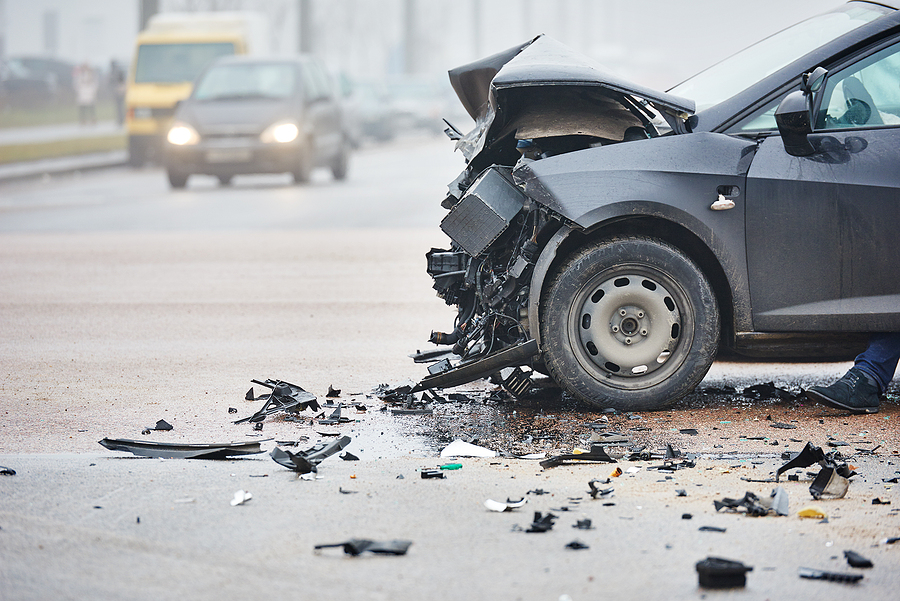
The screech of tires, the shattering of glass, and the sudden jolt of impact can change your life in an instant. In the chaotic moments following a car accident, your primary focus is naturally on your immediate safety and health. But as the adrenaline fades and the reality of medical bills, vehicle repairs, pain and lack of sleep, and lost wages sets in, the path forward often becomes overwhelming. Navigating the aftermath of a collision is rarely straightforward, especially when insurance companies and complex state laws are involved.

For many Hoosiers, the decision to hire legal representation isn’t just about seeking compensation; it’s about reclaiming stability. An auto accident attorney serves as more than just a legal representative—they are a shield against aggressive adjusters and a guide through a maze of paperwork and deadlines. They understand that behind every case file is a person whose life has been disrupted, and they work to ensure that someone else’s negligence doesn’t dictate your future financial security.

While it might be tempting to handle a claim on your own to try save money, the intricacies of Indiana’s legal system can easily trip up even the most diligent individuals and having an attorney helps to ensure you receive a full and fair settlement. From understanding fault percentages to meeting strict filing deadlines, the margin for error is slim.

This guide explores exactly how a skilled attorney can advocate for your rights, manage the legal burdens, and help you secure the recovery you deserve.

Call 317-881-2700 to Speak With an Indianapolis Auto Accident Attorney for Free

Understanding Indiana’s Traffic Laws and Liability

One of the first hurdles in any accident claim is determining who is legally responsible. Indiana operates under a “fault” system for car accidents, meaning the person who caused the accident is responsible for paying for the damages although in nearly all cases, it is the at-fault persons’ insurance carrier or even your own uninsured or underinsured motorists carrier that actually pays any settlement or judgment on their behalf. Proving fault isn’t always black and white and Indiana’s specific statutes play a major role in how much compensation you can recover.

The Modified Comparative Fault Rule

Indiana follows a modified comparative fault system, specifically the “51% rule” outlined in Indiana Code § 34-51-2-6. This statute fundamentally changes how damages are awarded compared to other states. Under this rule, you can still recover damages if you were partially at fault for the accident—but only if your share of the blame is not greater than 50%.

If a jury finds you are 51% or more at fault, you are barred from recovering any damages at all. Furthermore, if you are found to be partially at fault (50% or less), your compensation is reduced by your percentage of fault. For example, if your total damages are $100,000 but you are found to be 20% at fault for speeding, your payout would be reduced to $80,000. A lawyer’s primary job is to minimize your liability while still recognizing the facts of the case to ensure you receive the maximum possible compensation.

Minimum Insurance Requirements

Every driver on Indiana roadways is required to maintain minimum liability insurance. According to the Indiana Bureau of Motor Vehicles, the minimum coverage limits (often referred to as 25/50/25) are:

  • $25,000 for bodily injury to or death of one person.
  • $50,000 for bodily injury to or death of two or more people in any one accident.
  • $25,000 for property damage in any one accident.

Unfortunately, these minimums are often insufficient to cover serious injuries. An attorney can help identify other potential sources of coverage, such as your own uninsured/underinsured motorist policy, to bridge the gap.  Moreover, because Indiana only requires the minimal limited coverage amounts and many people go without auto insurance, it is vitally important that you protect yourself and others in your vehicle by purchasing uninsured and underinsured motorists coverage.

The Statute of Limitations

Time is a critical factor in personal injury cases. Under Indiana Code § 34-11-2-4, you generally have two years from the date of the accident to file a lawsuit for personal injury or property damage. If you miss this deadline, the court will almost certainly dismiss your case, and you will lose your right to seek compensation forever.

While two years may seem like a long time, documenting a case can take months of investigation, making it vital to start the process early.  Moreover, evidence can disappear if not obtained quickly so hiring your own attorney it extremely important.

Speak With an Experienced Car Accident Lawyer Today

Common Types of Injuries from Car Accidents

Car accidents generate immense physical forces that the human body simply isn’t built to withstand. Injuries can range from minor bruises to life-altering conditions that require long-term care.

  1. Soft Tissue Injuries: Whiplash is incredibly common, particularly in rear-end collisions. While it may not show up on an X-ray, the damage to muscles and ligaments can cause chronic pain and limited mobility.
  2. Traumatic Brain Injuries (TBI): Concussions and more severe brain injuries can occur even without direct impact to the head, caused simply by the violent shaking of the brain within the skull. These injuries can have subtle or severe, lasting effects on cognitive function and mood.
  3. Bone Fractures: The impact of a crash can easily break ribs, arms, legs, and even the pelvis. These injuries often require surgery and extensive physical therapy.
  4. Internal Injuries: Damage to internal organs can be life-threatening and may not be immediately apparent. Internal bleeding requires urgent medical attention and can lead to significant complications.

An experienced Indiana auto accident attorney works with medical experts to document not just your current injuries, but also the future medical needs and pain you are likely to endure.

How an Attorney Helps Gather Evidence and Document a Case

A successful claim relies on evidence, not just your word against the other drivers in most cases. Attorneys act as investigators, securing critical proof that might otherwise be lost or overlooked.

Securing the Accident Report

Police reports are foundational pieces of evidence. In Indiana, drivers involved in an accident resulting in injury, death, or property damage must report it. An attorney will obtain this official record to see how the responding officer assessed the scene and who they cited for traffic violations, if anyone.

Collecting Digital and Physical Evidence

Modern vehicles and roadways generate a wealth of data. Your lawyer can issue subpoenas to obtain cell phone records (to prove distracted driving), security camera footage from nearby businesses, or “black box” data from the vehicles involved. They also gather medical records, employment history to prove lost wages, and witness statements to construct a comprehensive timeline of events. They will also obtain, if necessary, body or dash camera footage from the investigating officer and 911 calls.

Negotiating with Insurance Companies

Insurance adjusters are trained negotiators whose primary goal is to protect the company’s bottom line. They often use tactics designed to devalue your claim, such as offering a quick, lowball settlement before you fully understand the extent of your injuries or trying to get you to admit something on a recorded line that can arguably be used against you.

Having an attorney will level the playing field. Your lawyer handles all communication with the insurance carriers, ensuring you don’t inadvertently say something that might arguably hurt your case. They present the evidence gathered to demand a fair settlement that covers:

  • Economic Damages: Medical bills, lost wages, and property damage.
  • Non-Economic Damages: Pain and suffering, mental anguish, and loss of enjoyment of life.

If the insurance company refuses to offer a full and fair amount, your attorney’s readiness to go to trial becomes a powerful bargaining chip.

Filing a Lawsuit and Going to Trial

While most personal injury cases are settled out of court, some must proceed to litigation to achieve a just result. Filing a lawsuit formally begins the court process. This involves “discovery,” where both sides exchange evidence and take depositions (sworn testimony).

If the case goes to trial, your attorney will present your version of the case to a judge or jury. They will call on expert witnesses—such as accident reconstructionists or medical specialists—to explain the technical aspects of the crash and your injuries. This stage requires a deep understanding of Indiana’s courtroom procedures and rules of evidence, highlighting the importance of having a seasoned litigator by your side.

Choosing the Right Attorney for Your Case

Not all lawyers are created equal. When selecting an attorney to handle your auto accident claim, look for someone with specific experience in personal injury law in Indiana. You want a partner who is transparent about their fee structure (most work on a contingency fee basis, meaning they only get paid if you win) and who communicates clearly.  All attorneys at Craven, Hoover & Blazek, P.C. have decades of experience with personal injury and wrongful death cases.

Ask potential attorneys about their track record with cases similar to yours. Do they have experience with the specific type of accident you were in? Are they willing to take a case to trial if necessary? A trustworthy attorney will offer a realistic assessment of your case and guide you with empathy and professionalism.

RECAP

The aftermath of a car accident is a journey, often a difficult one, but you do not have to walk it alone. The legal system is designed to provide recourse for those who have been wronged, but accessing that justice requires knowledge, resources, and persistence. By partnering with a dedicated auto accident attorney, you shift the burden of the legal battle off your shoulders, allowing you to focus on what truly matters: your physical and emotional recovery.

Don’t let the complexity of Indiana’s comparative fault laws or the tactics of insurance companies prevent you from securing the support you need. Take the first step toward protecting your rights and your financial future today.

If you or a loved one has been injured in a car accident, don’t wait. Contact our Indianapolis team today to Book a Free Case Evaluation. We are ready to listen to your story and fight for the compensation you deserve.

Place a Free Call Now

Related Post: What to Do After Serious Auto Accident Injuries in Indiana

Injured in an Accident? FAQ’s About Suing an At-Fault Driver in Indiana

A traffic accident can change your life in a split second. Whether you were behind the wheel of a car, hit by a semi-truck, riding a bicycle, or simply crossing the street as a pedestrian, the impact of a collision often extends far beyond the initial crash. You are likely dealing with physical pain, mounting medical bills, and the stress of missing work and wages, all while trying to recover, still take care of your family and regain a sense of normalcy.

When another driver’s negligence causes your injuries, you shouldn’t have to bear the financial burden alone. Indiana law provides a path for victims to seek compensation but navigating the legal system while recovering from an injury can feel overwhelming. Understanding your rights is the first step toward securing the resources you need to heal.

This guide explores the process of suing an at-fault driver for personal injuries in Indiana. We will walk you through how fault is established, what compensation might be available to you, and the critical timelines you must follow to protect your claim. While no amount of money can undo the trauma of an accident, a successful lawsuit can provide the stability you need to move forward and the full and fair compensation you are owed.

Call 317-881-2700 to Speak With a Serious Auto Accident Lawyer in Indianapolis

Personal Injury FAQ’s About At-Fault Drivers

How is fault determined in Indiana accidents?

Before you can recover compensation, you must prove that the other driver was responsible for the accident. In Indiana, establishing fault is the cornerstone of any personal injury claim. This process often begins at the scene of the crash.

Police reports play a pivotal role. When law enforcement officers arrive at the scene, they document the details, interview the parties involved and sometimes issue citations if a traffic law was violated. While a police report is not the final word in a civil lawsuit, it serves as a powerful piece of evidence. Additionally, witness statements, photographs of the scene, and video footage can all help construct a clear picture of who was negligent.

Indiana’s modified comparative fault rule

It is important to understand that fault isn’t always black and white. Sometimes, more than one person contributes to an accident. Indiana follows a “modified comparative fault” system. This means you can still recover damages even if you were partially to blame for the accident, provided your share of the fault does not exceed 50 percent.

However, your compensation will be reduced by your percentage of fault. For example, if a court finds that you suffered $100,000 in damages but were 20 percent at fault for the accident, you would receive $80,000. If you are found to be 51 percent or more at fault, you are barred from recovering any damages from the other driver. This rule applies whether you were driving a car, riding a bike, or walking.

What damages can you recover in a personal injury lawsuit?

The purpose of a personal injury lawsuit is to “make the plaintiff whole,” or to put you back in the position you would have been in had the accident not occurred and to also fully and fairly compensate you for what you have gone through and if permanently injured, what you will go through in the future. While this is physically impossible after a severe injury, financial compensation is the legal system’s way of addressing the harm done. These forms of compensation are known as “damages.”

Economic damages

These are tangible, out-of-pocket expenses that can be calculated with bills and receipts.

  1. Medical Expenses: This includes emergency room visits, hospital stays, surgeries, medications, physical therapy, and any future medical care required for your injuries.
  2. Lost Wages: If your injury forced you to miss work, you can sue for the income you lost. If your ability to earn a living in the future is impaired, you may also claim “loss of earning capacity.”
  3. Property Damage: This covers the cost to repair or replace your vehicle, bicycle, or other personal items damaged in the crash.

Non-economic damages

These damages are subjective and compensate you for the intangible impact of the accident on your life.

  1. Pain and Suffering and Ability to Function As a Whole Person: This addresses the physical pain and emotional distress caused by your injuries and how the injuries negatively affected your life.
  2. Loss of Enjoyment of Life: If your injuries prevent you from participating in hobbies or activities you once loved, you may be entitled to compensation.
  3. Mental Anguish: This covers psychological trauma such as anxiety, depression, or PTSD resulting from the accident.

Schedule a Free Personal Injury Consultation Today

How long do you have to file a claim in Indiana?

Time is a critical factor in personal injury cases. Every state has a “statute of limitations,” which is a legal deadline for filing a lawsuit. In Indiana, the statute of limitations for personal injury claims is generally two years from the date of the accident.  If a governmental entity is involved in causing your injuries, the time deadline can be as little as 180 days.

If you attempt to file a lawsuit after this two-year window has closed, the court will almost certainly dismiss your case, and you will lose your right to seek compensation. There are very few exceptions to this rule, so acting quickly is essential to preserve your legal options.

What are the steps in a personal injury lawsuit?

Filing a lawsuit might sound like a single action, but it is actually a process with several distinct stages. While many claims are settled with insurance companies before a lawsuit is ever filed, understanding the litigation path is important if a fair settlement cannot be reached.

  1. The Complaint: Your attorney files a formal document called a “complaint” with the court. This document outlines your allegations against the at-fault driver (the defendant) and states the damages you are seeking.
  2. The Answer: The defendant has a set amount of time to respond to your complaint, usually by denying the allegations. A defendant’s insurance company will hire an attorney and that attorney will file an Answer on the defendant’s behalf.  If any settlement or verdict is obtained in the case, the defendant’s insurance company will pay the settlement or verdict, up to the defendant’s insurance policy limits.
  3. Discovery: This is often the longest phase. Both sides exchange information and gather evidence. This may involve written questions (interrogatories), document requests, and depositions (sworn testimony taken outside of court).
  4. Mediation: Before heading to trial, parties often attempt to resolve the case through mediation. A neutral third party helps facilitate a settlement negotiation. This puts control in your hands rather than a jury’s.
  5. Trial: If mediation fails, the case goes to trial. Both sides present their evidence and arguments to a judge or jury, who then determines fault and decides on the amount of damages.

Why is legal representation important?

You might wonder if you can handle this process on your own, especially if the other driver’s fault seems obvious. However, personal injury law is complex, and insurance companies are skilled at minimizing payouts. They may argue that your injuries were pre-existing or that you were more at fault than you actually were.

An experienced personal injury attorney acts as your advocate. They understand how to gather the necessary evidence, calculate the true value of your claim (including future needs), and negotiate aggressively with insurers. If the case goes to court, having a legal professional by your side ensures that procedural rules are followed and your story is presented compellingly. Whether you were a pedestrian struck at a crosswalk or a driver hit on the highway, legal counsel levels the playing field. Insurance companies have staff counsel and outside counsel they hire to represent their insured’s interests and you should too.

FINAL THOUGHTS

Recovering from an accident involves more than just healing physical wounds; it involves securing your financial stability against the costs of someone else’s negligence. Indiana law provides the framework for you to seek justice, but the path can be complicated by comparative fault rules and strict deadlines.

If you or a loved one has been injured in an auto, bicycle, or pedestrian accident, do not leave your recovery to chance. You deserve a legal team that will fight for the maximum compensation you are owed. Contact Us Today to schedule a free case consultation with an experienced Indianapolis personal injury attorney.

Call Our Office Directly

Related Post: Injured in an Indiana Truck Accident? What to Do Next

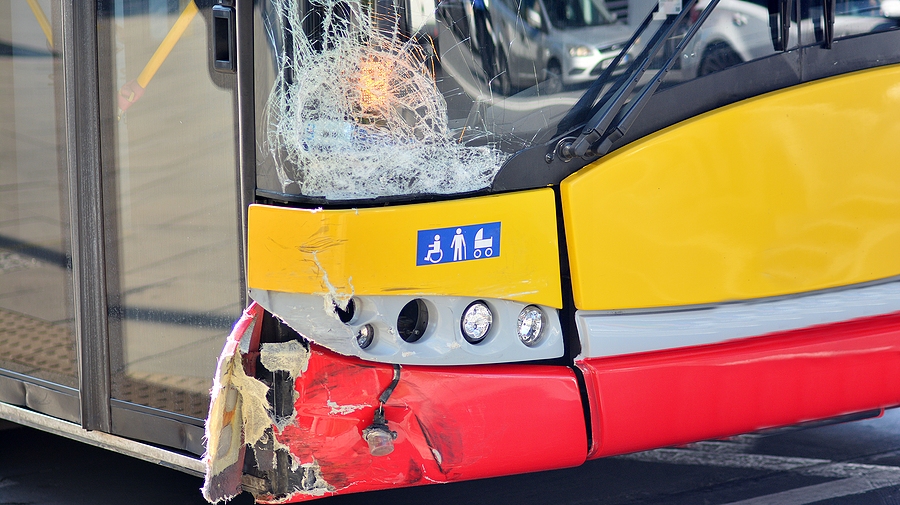
Indiana Bus Accident Victims: Your Rights & How to Get Fairly Compensated

Traveling by bus is a common and generally safe mode of transportation. However, when an accident occurs, the consequences can be devastating for passengers, pedestrians, and other motorists. A bus accident isn’t just a traumatic event; it’s a complex legal situation that can leave victims with serious injuries and significant financial burdens. Understanding your legal rights is the first and most crucial step toward recovery and securing the compensation you deserve.

This guide will walk you through the essential information you need if you or a loved one has been involved in a bus accident in Indiana. We will cover the common causes of these incidents, who can be held responsible, and the steps you should take to protect your legal claim.

Call 317-881-2700 to Speak With a Bus Accident Attorney in Indianapolis Indiana

Common Causes of Bus Accidents

Bus accidents can happen for a variety of reasons, often involving a combination of factors. Identifying the cause is fundamental to determining who is legally at fault.

Driver Negligence

The person behind the wheel holds the safety of many in their hands. When a bus driver acts negligently, the risk of an accident increases significantly. Common forms of driver negligence include:

  • Distracted Driving: Using a mobile phone, eating, or engaging in other activities that take their attention off the road.
  • Driving Under the Influence (DUI): Operating a bus while impaired by alcohol or drugs.
  • Fatigue: Driving for long hours without adequate rest, which can impair judgment and reaction time.
  • Speeding or Reckless Driving: Exceeding speed limits or failing to drive safely for the current road and weather conditions.
  • Violating Traffic Laws: Running red lights, making improper turns, or failing to yield the right-of-way.

Mechanical Failures

Buses are complex machines that require regular maintenance to operate safely. A mechanical failure can lead to a catastrophic accident. Examples include:

  • Brake Failure: Worn-out or defective brakes can prevent a driver from stopping in time.
  • Tire Blowouts: Poorly maintained or defective tires can burst, causing the driver to lose control.
  • Steering or Suspension Issues: Problems with these systems can make the bus difficult to handle.
  • Engine Problems: A sudden engine failure can leave a bus stranded in a dangerous location.

Roads or Weather Conditions

External factors can also contribute to bus accidents. Drivers are expected to adjust to adverse conditions, including pulling over to the side or the road and activating hazard lights or pulling into some other safe spot. A lack of proper road signage can also be a potential cause..

Determining Liability in a Bus Accident

One of the most complicated aspects of a bus accident claim is figuring out who is legally responsible. Unlike a typical car accident involving two drivers, a bus accident can involve multiple liable parties.

The Bus Driver: If the accident was caused by the driver’s negligence, they can be held liable for the resulting damages, although in reality it would legally be their employer and the employer’s insurance carrier.

The Bus Company: Bus companies have a duty to ensure their vehicles are safe and their drivers are properly trained and qualified. They can be held vicariously liable for the actions of their employees. They may also be directly liable for negligent hiring practices, inadequate training, or failure to properly maintain the bus at issue.  Again, in most situations, an at-fault person or business has insurance which will pay for any settlement or verdict.

The Bus Manufacturer: If the accident was caused by a defective part, such as faulty brakes or tires, the manufacturer of the bus or the specific component could be held liable through a product liability claim.

Government Entities: If poor road conditions or a lack of maintenance or proper signage on public roads contributed to the accident, the government agency responsible for those roads (such as a city or state department of transportation) may be at fault.

Other Drivers: Sometimes, the accident is caused by the driver of another vehicle who collides with the bus. In these cases, that driver and their insurance company would be the responsible parties.

Request a Free Case Evaluation Today

Types of Compensation Available

Victims of bus accidents may be entitled to recover compensation for a wide range of losses, known as damages. These are typically categorized into two types: economic and non-economic damages.

Economic Damages

These are tangible financial losses that can be calculated and proven with receipts, bills, and other documents. They include:

  • Medical Expenses: Costs for emergency room visits, hospital stays, surgery, medication, physical therapy, and any future medical care.
  • Lost Income: Wages lost while recovering from injuries.
  • Loss of Earning Capacity: If the injuries result in a long-term or permanent disability that prevents you from returning to your previous job or earning the same income.
  • Property Damage: The cost to repair or replace any personal property damaged in the accident.

Non-Economic Damages

These damages compensate for intangible losses that do not have a specific monetary value but significantly impact your quality of life. They include:

  • Pain and Suffering: Compensation for the physical pain and emotional distress caused by the injuries.
  • Emotional Anguish: Damages for anxiety, depression, or post-traumatic stress disorder (PTSD) resulting from the accident.
  • Loss of Enjoyment of Life: If your injuries prevent you from participating in hobbies and activities you once enjoyed.

Steps to Take After a Bus Accident

The moments following a bus accident can be chaotic and overwhelming. However, the actions you take immediately after can be vital for your health and the strength of your legal claim.

  1. Seek Medical Attention: Your health is the top priority. Even if you feel relatively fine, see a doctor as soon as possible. Some serious injuries, like internal bleeding or concussions, may not have immediate symptoms. A medical record also creates a crucial link between the accident and your injuries.
  2. Report the Accident: Call 911 to report the accident to the police. A police report provides an official record of the incident.
  3. Document the Scene: If you are able, take photos and videos of the accident scene, including the position of the vehicles, any visible injuries, and damage to property.
  4. Gather Information: Collect contact and insurance information from the bus driver, the bus company, and any other drivers involved. Also, get the names and contact details of any witnesses.
  5. Do Not Give a Recorded Statement: You may be contacted by insurance adjusters for the bus company. Avoid giving a recorded statement or signing any documents without first speaking to an attorney.
  6. Contact a Personal Injury Attorney: Navigating a bus accident claim can be incredibly complex. An experienced personal injury attorney can help you understand your rights and handle the legal process on your behalf.

The Statute of Limitations in Indiana

In Indiana, there is a time limit for filing a personal injury lawsuit, known as the statute of limitations. For most bus accident cases, you have two years from the date of the accident to file a claim.

However, if a government entity is involved, the timeline is much shorter. You must file a formal notice of your claim (a tort claim notice) with the appropriate government agency within 180 days of the accident. Failing to meet these deadlines can result in you losing your right to seek compensation.

How a Personal Injury Attorney Can Help

A knowledgeable personal injury attorney plays a critical role in a bus accident case. They can:

  • Investigate the Accident: Your lawyer will gather evidence, consult with experts, and determine all potentially liable parties and find out which insurance carriers will be involved.
  • Handle Communications: They will manage all communication with insurance companies, preventing adjusters from taking advantage of you.
  • Calculate Your Damages: An attorney will work to ensure all of your current and future losses are accounted for when demanding compensation.
  • Negotiate a Fair Settlement: Most personal injury cases are settled out of court. Your lawyer will negotiate aggressively to secure a full and fair settlement that covers your losses.
  • Represent You in Court: If a full and fair settlement cannot be reached, your attorney will be prepared to take your case to trial and fight for your rights in front of a judge and jury.

TAKE ACTION TO PROTECT YOUR RIGHTS

The aftermath of a bus accident can be a difficult time, filled with physical pain, emotional stress, and financial uncertainty. You do not have to face it alone. Understanding your legal options and acting quickly is essential to protecting your future. By seeking timely medical care and consulting with an experienced attorney, you can ensure your rights are protected and you receive the full compensation you are owed.

If you have been injured in a bus accident, take the first step toward justice today. Contact us for a free, no-obligation case evaluation to discuss your situation and learn how we can help.

Call Our Office Directly

Related Post: Facts About Indiana Bus Accident Law

Quick FAQ’s About Pedestrian Accidents and Injuries

Pedestrian accidents are an unfortunate reality in many communities, often leading to serious injuries, long recovery periods, and significant emotional distress for both victims and their families. These incidents can be caused by a variety of factors, such as distracted drivers or unsafe road conditions, making it all the more important to understand how they happen and how to respond effectively.

Knowing your legal rights and the steps to take after an accident can be crucial in navigating this challenging time. From seeking immediate medical attention to documenting the scene and consulting with legal experts, every action taken can play a key role in ensuring proper support and accountability.

This blog aims to address some of the most common questions surrounding pedestrian accidents, offering valuable insights to help victims and their families better understand their options. Whether it’s guidance on pursuing compensation or tips for handling insurance claims, the information provided here is designed to empower those who need it most.

Call 317-881-2700 to Meet With a Pedestrian Accident Injury Lawyer in Indianapolis Indiana

Common Questions About Pedestrian Accidents

What Should I Do Immediately After a Pedestrian Accident?

Seek Medical Attention

The moments immediately following a pedestrian accident can be chaotic and frightening, but taking the right steps is crucial for your health and any potential legal claim. Your absolute first priority should be to seek medical attention, even if you feel relatively fine. Call 911 or have someone else do so.  The police will conduct an investigation of the incident and obtain some relevant information.

Document in Detail

Once your immediate medical needs are addressed, if you are able, try to document the scene. Use your phone to take photographs or video of the accident site from multiple angles, including vehicle damage, road conditions, traffic signs, skid marks, and any visible injuries you sustained.

Gather Contact Information

Collect contact and insurance information from the driver involved and ask for contact details from any witnesses present. It’s also vital to report the accident to the police; a police report can be a critical piece of evidence. If you are injured as a pedestrian on private property you should make a report with the land owner or management company as well.

When speaking with anyone at the scene, including the driver, police, or witnesses, you should simply state the facts as you observed them.

Contact a Lawyer and Your Insurance Company

As soon as you are medically stable, you should contact a pedestrian injury lawyer. An attorney can guide you through these initial steps and protect your rights from the outset.

How Long Do I Have to File a Pedestrian Injury Claim in Indiana?

In Indiana, the statute of limitations for most personal injury claims, including those arising from pedestrian accidents, generally dictates that you have two years from the date of the accident to file a lawsuit. This is a strict deadline, and if you miss it, you could forfeit your right to seek compensation forever.

However, there are some specific circumstances that can alter this timeline. For instance, if the injured party is a minor, the two-year period might not begin until they turn 18. Additionally, claims against governmental entities often have much shorter notice requirements.

Because these exceptions exist and can be complex, it is extremely important to consult with an experienced injury attorney promptly after your accident. An experienced pedestrian accident lawyer can accurately determine the filing deadlines applicable to your specific case and ensure all necessary legal actions are taken within the proper timeframe.

Can I Still Recover Damages if I Was Partially At-Fault?

Under Indiana law, you can recover damages even if you’re partially at fault for an accident, thanks to the “modified comparative fault” rule, also known as the 51% bar rule. If you’re 50% or less at fault, you can still receive compensation, but it will be reduced by your percentage of fault.

For example, if you’re 30% at fault and your damages total $100,000, your compensation would be reduced by $30,000, leaving you with $70,000. However, if you’re 51% or more at fault, you cannot recover any damages. This underscores the importance of a strong legal strategy to minimize fault and maximize your recovery. Obtaining as many facts as possible is vitally important.

What Types of Damages Can I Claim in a Pedestrian Accident Case?

When pursuing a pedestrian accident claim, you can typically seek compensation for a wide range of losses, collectively known as “damages.” These generally fall into two main categories: economic and non-economic damages. Economic damages are quantifiable financial losses and can include:

  1. Medical Expenses: Past and future costs related to your injuries, such as emergency room visits, hospital stays, doctor appointments, surgeries, medications, physical therapy, rehabilitation, and assistive devices.
  2. Lost Wages: Income you’ve lost due to being unable to work because of your injuries, including salary, bonuses, commissions, and benefits.
  3. Loss of Earning Capacity: If your injuries result in a permanent disability or limitation that prevents you from returning to your previous job or earning the same level of income in the future, you can claim compensation for this long-term financial impact.
  4. Property Damage: Costs to repair or replace any personal property damaged during the accident, such as a phone, glasses, or clothing.

Non-economic damages are more subjective and compensate for intangible losses, including:

  1. Pain and Suffering: Compensation for physical pain, discomfort, and emotional distress you endure as a result of the accident and your injuries.
  2. Emotional Distress: This can include anxiety, depression, PTSD, fear, and other psychological impacts.
  3. Loss of Enjoyment of Life: If your injuries prevent you from participating in activities, hobbies, or daily routines you once enjoyed, you can claim damages for this diminished quality of life.
  4. Loss of Consortium: In certain cases, a spouse may claim damages for the loss of companionship, support, and intimacy due to their partner’s injuries.

The specific damages available and their valuation will heavily depend on the unique circumstances of your case, the severity of your injuries, and the evidence presented. An experienced attorney can help identify all potential damages and accurately calculate their estimated value.

Request a Free Personal Injury Case Review

How Can a Pedestrian Injury Lawyer Help With My Claim?

Hiring a pedestrian injury lawyer provides invaluable assistance throughout the entire claims process, significantly increasing your chances of a successful outcome. Here’s how they can help:

Investigation and Evidence Gathering: Lawyers will conduct a thorough investigation into the accident, collecting critical evidence such as police reports, traffic camera footage, witness statements, medical records, and expert opinions (e.g., accident reconstructionists and doctors). They know what evidence is needed to document a strong case.

Dealing with Insurance Companies: Insurance adjusters are trained to minimize payouts. Your lawyer will handle all communications with the at-fault driver’s insurance company or landowners insurance company, protecting you from common tactics used to arguably undermine your claim. They will ensure you don’t inadvertently say anything that could be twisted to harm your case.

Calculating Full Damages: An attorney will meticulously assess all your damages, both economic (medical bills, lost wages) and non-economic (pain and suffering, emotional distress), ensuring no potential compensation is overlooked. They often work with financial experts to project future medical costs and lost earning capacity.

Negotiating Settlements: Most personal injury cases settle out of court. Your lawyer will skillfully negotiate with insurance companies to achieve the maximum possible settlement for your injuries, leveraging their knowledge of similar cases and legal precedents.

Litigation and Trial Representation: If a fair settlement cannot be reached, your lawyer will be prepared to take your case to court. They will handle all aspects of litigation, from filing lawsuits and managing discovery to representing you at trial, presenting your case and evidence persuasively to a judge and jury.

Legal Expertise and Guidance: They will provide clear explanations of complex legal procedures, advise you on your rights and obligations, and help you make informed decisions at every stage of your claim, ensuring your interests are always protected.

What is the Average Settlement for Pedestrian Accident Cases?

It’s crucial to understand that there is no “average” settlement for pedestrian accident cases, as settlement amounts vary widely based on a multitude of unique factors for each individual case. Relying on an average can be misleading and set unrealistic expectations. Key factors that influence the settlement value include:

  1. Severity and Nature of Injuries: More severe, long-lasting, or permanently disabling injuries (e.g., traumatic brain injuries, spinal cord injuries, complex fractures) typically result in higher settlements due to extensive medical costs, pain, and impact on quality of life.
  2. Medical Expenses Incurred: The total cost of past and projected future medical treatment, including surgeries, rehabilitation, medications, and therapy.
  3. Lost Wages and Earning Capacity: The amount of income lost due to time off work and any future reduction in earning potential caused by the injuries.
  4. Degree of Fault: As discussed, Indiana’s comparative fault rule means your settlement will be reduced by your percentage of fault, if any.
  5. Insurance Coverage: The policy limits of the at-fault driver’s liability insurance, as well as any available uninsured/underinsured motorist (UM/UIM) coverage through your own policy, can significantly impact the maximum recoverable amount.
  6. Evidence and Liability: The strength of the evidence proving the other party’s negligence and your damages.
  7. Jurisdiction: Local laws, judicial precedents, and jury tendencies in the specific court where the case might be heard can also play a role.
  8. The Skill of Your Attorney: An experienced attorney’s ability to investigate, negotiate, and litigate can significantly influence the settlement amount.

Because of these numerous variables, an attorney cannot give you a precise settlement figure at the beginning of your case. Instead, they will evaluate your specific case after gathering all relevant information and evidence to provide a more accurate and realistic estimate of its potential value.

What Does it Cost to Hire a Pedestrian Injury Attorney?

Most pedestrian injury attorneys in Indiana operate on contingency fees, which means it typically costs you nothing upfront to hire them. Under this arrangement, the attorney’s fees are contingent upon them successfully recovering compensation for you, either through a settlement or a court award. If your lawyer does not win your case, you generally do not owe them attorney fees.

Here’s how a contingency fee typically works:

  1. No Upfront Fees: You won’t pay hourly rates or retainers out of pocket while your case is ongoing.
  2. Percentage of Recovery: If your case is successful, the lawyer’s fee will be a pre-agreed percentage of the final settlement or court award. This percentage usually ranges from 33% to 40% but can vary based on the complexity of the case and whether it goes to trial.
  3. Case Expenses: In addition to attorney fees, there are often “case expenses” or “costs” associated with litigation, such as filing fees, court costs, deposition costs, expert witness fees, and costs for obtaining medical records. Many personal injury firms will advance these costs on your behalf and then deduct them from the final settlement or award.
  4. Clear Agreement: Before any work begins, your lawyer will provide a clear, written contingency fee agreement that outlines the percentage they will take, how expenses will be handled, and what happens if the case is not won.

This payment structure makes legal representation accessible to anyone who has been injured, regardless of their financial situation, ensuring that victims can pursue justice without the burden of immediate legal costs.

How is Fault Determined in a Pedestrian Accident Case?

Determining fault in a pedestrian accident case is a complex process that involves a thorough investigation and evaluation of all available evidence. Several factors are considered to assign responsibility, which can often be shared between the driver and the pedestrian. Key pieces of evidence and factors include:

  1. Police Reports: These often contain initial observations, witness statements, diagrams of the scene, and sometimes the investigating officer’s preliminary assessment of fault.
  2. Witness Statements: Eyewitness accounts can provide crucial details about how the accident occurred, including traffic signals, pedestrian actions, and driver behavior.
  3. Traffic Laws and Ordinances: Both drivers and pedestrians have duties and responsibilities under the law. Failure to obey traffic signals, crosswalk rules, speed limits, or laws regarding yielding the right-of-way will be heavily scrutinized.
  4. Accident Scene Photos and Videos: Pictures or video footage of the accident scene, vehicle damage, road conditions, and environmental factors (e.g., lighting, weather) can provide objective evidence.
  5. Dashcam or Surveillance Footage: Video from nearby businesses, traffic cameras, or vehicle dashcams can be definitive in establishing the sequence of events.
  6. Expert Testimony: In complex cases, accident reconstruction experts may be called upon to analyze physical evidence and provide an informed opinion on how the accident happened and who was at fault. Medical experts are also necessary to link injuries to the accident.
  7. Driver and Pedestrian Actions: The actions of both parties leading up to the collision are meticulously evaluated. For drivers, this includes speed, distraction (e.g., phone use), impairment, and failure to yield. For pedestrians, this includes jaywalking, darting into traffic, distraction (e.g., phone use), and failure to use marked crosswalks when available.

Ultimately, all gathered evidence is weighed to determine each party’s percentage of responsibility, which, under Indiana’s comparative fault rules, directly impacts the amount of compensation that can be recovered.

How Do I Handle Communications with the Insurance Company?

Handling communications with insurance companies after a pedestrian accident requires caution and a clear strategy to protect your rights and your potential claim. It’s generally advisable to be very careful about what you say. Here’s a breakdown:

Be Cautious with the At-Fault Driver’s Insurer: The other driver’s insurance company is not on your side; their primary goal is to minimize their payout. You are generally not obligated to provide them with a recorded statement or detailed information beyond basic contact and accident details.

Provide Limited Factual Information: If you do speak with their adjuster, stick to providing only your name, contact information, the date and location of the accident, and your own insurance information.

Decline Recorded Statements: Politely refuse any requests for a recorded statement until you have consulted with an attorney. Recorded statements can be used to twist your words or trap you into statements that arguably harm your case.

Refer Them to Your Attorney: The best approach is to have your lawyer handle all communications with the at-fault insurance company. Once you retain an attorney, you can simply direct all inquiries from the other party’s insurer to your legal representative.

Report to Your Own Insurance: You should report the accident to your own insurance company promptly, as required by your policy. However, even with your own insurer, be mindful of what you say and avoid giving recorded statements without legal advice if you plan to pursue a claim.

By following these guidelines, especially by having your lawyer manage communications, you can prevent common missteps that could jeopardize your personal injury claim.

CONCLUSION

Being involved in a pedestrian accident can feel overwhelming and leave you unsure of what to do next, but you don’t have to navigate the challenges on your own. It’s important to understand your rights and the options available to you, as this knowledge is key to securing the compensation you may be entitled to. Whether it’s covering medical expenses, lost wages, or other damages, taking the right steps early on can significantly impact the outcome of your case. Seeking guidance and acting promptly can make all the difference in protecting your interests.

If you or a loved one has been injured in a pedestrian accident, our experienced pedestrian accident lawyers are here to help. Contact us today to schedule a free case review and get the expert legal guidance you need to protect your rights.

Phone Our Office Now

Related Post: Your Rights as an Injured Pedestrian in Indiana

When Car Accident Injuries Lead to Long-Term Compensation Needs

A split second on Indiana roads can change everything. While many car accident injuries heal within weeks or months, some victims face a different reality—one where recovery stretches into years or never fully arrives. These long-term injuries reshape lives, careers, and finances in ways that immediate medical bills and short-term pain simply cannot capture.

Understanding your rights to long-term compensation becomes essential when facing injuries that extend far beyond the initial crash. Indiana personal injury laws recognize that some car accident injuries create lasting impacts, requiring ongoing medical care, lifestyle adjustments, and financial support that can span decades.

The journey from accident to full compensation for long-term needs involves complex calculations, expert testimony, and legal advocacy. Knowing what qualifies for extended compensation and how to pursue it effectively can mean the difference between financial stability and overwhelming debt as you navigate your recovery.

Call 317-881-2700 to Speak With Our Car Accident Injury Lawyers in Indiana

Common Long-Term Injuries That Change Lives

Traumatic Brain Injuries (TBI)

Traumatic brain injuries represent some of the most devastating long-term consequences of car accidents. Even seemingly minor head impacts can result in cognitive impairments that affect memory, concentration, and decision-making abilities for years.  Indeed, a head impact is not even required for a person to suffer a traumatic brain injury. Victims may require ongoing neurological care, cognitive therapy, and specialized rehabilitation services.

The financial burden extends beyond medical treatments. Many TBI patients cannot return to their previous employment, particularly jobs requiring complex thinking or multitasking. Some need constant supervision or assisted living arrangements, fundamentally altering their independence and quality of life.

Spinal Cord Injuries and Paralysis

Spinal cord damage from auto accident injuries often results in partial or complete paralysis, creating immediate and lifelong care needs. These injuries typically require extensive physical therapy, occupational therapy, and costly adaptive equipment including wheelchairs, vehicle modifications, and home accessibility improvements.

The economic impact is substantial. Beyond medical expenses, spinal cord injury victims face ongoing costs for personal care attendants, specialized medical equipment, and frequent equipment replacements. Home modifications alone can cost tens of thousands of dollars, while wheelchair-accessible vehicles add additional financial strain.

Chronic Pain Conditions

Conditions like complex regional pain syndrome (CRPS) can develop following car accidents, creating persistent pain that interferes with daily activities and employment. These conditions often require long-term pain management through medications, physical therapy, psychological counseling, and sometimes surgical interventions.

Chronic pain impacts extend beyond physical discomfort. Many victims experience depression, anxiety, and social isolation, requiring mental health support alongside pain management. The unpredictable nature of chronic pain makes maintaining steady employment challenging, further complicating financial stability.

Severe Burns and Disfigurement

Serious burn injuries from car accidents sometimes require multiple reconstructive surgeries over several years. The healing process involves extensive wound care, skin grafts, and physical therapy to maintain mobility and function. Psychological support becomes crucial as victims cope with changes to their appearance and self-image.

Beyond medical treatments, burn victims often face social and professional challenges. Visible scarring can affect employment opportunities and personal relationships, creating additional emotional trauma that requires ongoing therapeutic intervention.

Amputations and Limb Loss

Losing a limb in a car accident creates immediate and ongoing needs for prosthetic devices, occupational therapy, and lifestyle adaptations. Modern prosthetics require regular maintenance, adjustments, and periodic replacement, creating ongoing expenses throughout a victim’s lifetime.

Work and living environments often need significant modifications to accommodate limb loss. Career changes may become necessary if previous employment involved physical demands incompatible with prosthetic use, resulting in lost earning capacity that extends for decades.

Learn How We Can Help Your Car Accident Case

Calculating Long-Term Compensation for Future Needs

Future Medical Expenses

Determining future medical costs requires careful analysis of current treatment plans, prognosis, and anticipated medical needs over a victim’s lifetime. Medical experts provide detailed assessments of required treatments, surgeries, medications, and therapies, translating these needs into financial projections.

Life care planners often collaborate with treating physicians to create comprehensive future care plans. These detailed documents outline medical equipment needs, home modifications, personal care requirements, and therapeutic interventions, providing concrete foundations for compensation calculations.

Lost Earning Capacity

Long-term injuries frequently prevent victims from returning to their previous employment or working at full capacity. Economic experts analyze career trajectories, education levels, and skill sets to determine how injuries affect future earning potential over a working lifetime.

The calculation considers not just current lost wages but projected salary increases, promotions, and career advancement opportunities that injuries prevent. Benefits like health insurance, retirement contributions, and other employment perks also factor into these comprehensive economic assessments.

Pain and Suffering Damages

Quantifying ongoing pain and suffering proves challenging but remains a crucial component of long-term compensation. Indiana personal injury laws recognize that chronic pain, emotional distress, and reduced quality of life deserve financial compensation beyond medical expenses and lost wages.

Factors influencing pain and suffering calculations include injury severity, treatment duration, activity restrictions, and psychological impact. The permanence of limitations and their effect on family relationships, recreational activities, and life enjoyment all contribute to these damage assessments.

The Critical Role of Expert Witnesses

Medical Expert Testimony

Medical experts provide essential testimony about injury severity, treatment necessity, and long-term prognosis. These specialists explain complex medical concepts to juries and judges, helping them understand why ongoing care remains necessary and how injuries will affect victims throughout their lives.

Rehabilitation specialists, neurologists, orthopedic surgeons, and other medical professionals offer detailed opinions about treatment plans, recovery expectations, and permanent limitations. Their testimony establishes the medical foundation for long-term compensation claims.

Economic Expert Analysis

Economic experts translate medical needs into financial terms, calculating the present value of future expenses and lost earnings. These professionals use actuarial data, economic projections, and statistical analysis to determine fair compensation amounts for lifetime needs.

Their testimony helps courts understand the true financial impact of long-term injuries, ensuring that settlements and awards provide adequate resources for victims’ ongoing needs. Without expert economic analysis, compensation amounts may fall short of actual lifetime costs.

Navigating Indiana’s Legal Framework

Statute of Limitations Considerations

Indiana law requires personal injury claims to be filed within two years of the accident date in most cases. However, the full extent of long-term injuries may not become apparent immediately. Early consultation with an auto accident attorney ensures that claims are filed timely while preserving rights to pursue additional damages as conditions develop.

Some injuries reveal their long-term nature gradually, making early legal intervention crucial for protecting compensation rights. Waiting too long to seek legal guidance can result in lost opportunities to recover fair compensation for extensive future needs.

Comparative Fault Impact

Indiana’s comparative fault rule affects compensation in long-term injury cases. If accident victims bear partial responsibility for their injuries, their compensation reduces proportionally. However, this rule does not eliminate rights to compensation unless victims are more than 50% at fault.

Understanding how fault determinations affect long-term compensation calculations requires experienced legal guidance. Even small fault percentages can significantly impact lifetime compensation amounts when dealing with extensive future damages.

Insurance Coverage Limitations

Indiana’s minimum auto insurance requirements often prove inadequate for serious long-term injuries. The state’s financial responsibility law requires only $25,000 per person and $50,000 per accident in bodily injury coverage—amounts that may not cover even initial treatment costs for severe injuries.

Identifying all available insurance sources becomes critical for adequate compensation. This may include the at-fault driver’s coverage, your own underinsured motorist protection, and potentially other liable parties’ insurance policies.

Securing Your Financial Future After Serious Injury

The path to full and fair long-term compensation for car accident injuries requires thorough preparation, expert support, and experienced legal advocacy. Insurance companies often resist acknowledging the full extent of future needs, making professional legal representation essential for protecting your rights.

Early action proves crucial for documenting strong long-term compensation cases. Medical documentation, expert evaluations, and legal strategy development take time, and delays can compromise your ability to recover adequate compensation for lifetime needs.

If you or a loved one has suffered serious injuries in an Indiana car accident, don’t navigate this complex process alone. Contact Craven, Hoover & Blazek, P.C. today for a free evaluation of your long-term compensation rights. Our experienced Indianapolis injury lawyers understand the intricacies of long-term compensation cases and fight to ensure you receive the resources necessary for your ongoing care and financial security.

Schedule a Free Initial Consultation Now

Related Post: Common Long-Term Recovery Needs of Personal Injury Accident Victims

Signs You Need Legal Advice for Your Auto Accident Case

Navigating the aftermath of an auto accident can be overwhelming. Between unexpected medical bills, disputes about fault, and dealing with insurance companies, it might be difficult to know when you need professional legal guidance. Understanding the signs that point to the need for legal advice can make all the difference in your case, helping you secure the compensation you deserve. 

Whether you’ve suffered severe injuries, are facing insurance disputes, or live with long-term consequences, this guide will help you determine when to seek legal counsel for your auto accident case. 

Call 317-881-2700 to Speak With Our Experienced Indiana Auto Accident Lawyers

When to Seek Legal Help With an Auto Accident Case in Indiana

Consulting with a professional legal advisor, such as a car accident lawyer, is an important first step toward recovering the rightful justice you deserve as an auto accident victim. Here are the signs that may tell you it’s time to make the call:

Injuries and Medical Bills 

If your accident resulted in severe injuries, the road to recovery might come with mounting medical costs including hospital stays, surgeries, or therapies. Indiana law allows accident victims to file compensation claims for injury-related expenses, but the process can be complex when significant sums are at stake. An auto accident lawyer ensures that your injuries and medical expenses are properly documented and accounted for in your case. 

Disputes Over Fault 

Indiana follows a “comparative fault” rule, meaning your compensation can be reduced if you are found partially responsible for the accident. For example, if you are deemed 20% at fault, your potential settlement would be reduced by 20%. If there’s a dispute about fault, legal expertise can prevent unfair blame being assigned to you and protect your claim. 

Insurance Company Disputes 

Insurance companies often prioritize profit over policyholders, sometimes minimizing claims or denying them altogether. If you’re receiving settlement offers that seem unfair or are experiencing delays in communication, it’s a clear sign you need professional legal help. Attorneys are skilled negotiators who can take on these companies to ensure that you’re offered a fair settlement. It is best to speak with an auto accident attorney in Indianapolis as soon as possible after your automobile collision. 

Long-Term or Permanent Disability 

For injuries causing long-term or permanent disability, legal representation is crucial. Such cases often involve complex calculations to account for future medical needs, lost income, and diminished quality of life. An attorney can ensure these factors are properly factored into your car accident claim. 

Benefits of Seeking Car Accident Legal Assistance 

Understanding Your Rights 

Indiana personal injury laws can be hard to interpret, especially when you’re dealing with the stress of an accident. A qualified car accident attorney will help you understand your legal rights and options, ensuring you’re informed every step of the way in your car accident lawsuit. 

Negotiating with Insurance Companies 

Insurance adjusters are skilled at offering lowball settlements to accident victims. Attorneys leverage their expertise to negotiate on your behalf, ensuring that your compensation reflects the true value of your damages. 

Building a Strong Personal Injury Case 

From gathering evidence like police reports and medical documents to interviewing witnesses, a lawyer builds a compelling case that strengthens your car accident settlement. Their expertise ensures no critical element of evidence is overlooked. 

Peace of Mind 

Managing a car accident lawsuit while recovering can be stressful. An attorney lightens that burden, guiding you at every step so you can focus on healing while they handle the legal complexities. 

FAQs About Indiana Auto Accident Claims

What should I do immediately after a car accident in Indiana? 

After an accident, prioritize safety and health. Call 911, seek medical attention, take photos of the scene, exchange information with other drivers, and report the incident to your insurance. 

How is fault determined in an Indiana auto accident case? 

Fault is determined through evidence like police reports, witness statements, and accident reconstruction, with Indiana’s comparative fault law affecting compensation. 

What is comparative fault analysis, and how does it affect my claim in Indiana? 

Under comparative fault, your compensation is reduced by your percentage of responsibility. If you’re over 50% at fault, you cannot recover damages. 

What damages can I recover in an Indiana auto accident case? 

You may recover compensation for medical bills, lost wages, property damage, pain and suffering, and more, depending on the circumstances. 

How long do I have to file a lawsuit in Indiana? 

Indiana’s statute of limitations for personal injury is two years from the date of the accident. Filing beyond this deadline could affect your ability to recover damages. 

How can an attorney help with my auto accident claim? 

An auto accident attorney in Indianapolis provides critical support by gathering evidence, negotiating with insurers, explaining Indiana personal injury laws, and advocating for your best interests. 

What if the at-fault driver is uninsured or underinsured in Indiana? 

You can file a claim with your own uninsured/underinsured motorist policy if the at-fault driver lacks adequate coverage. Assistance from an auto accident lawyer can simplify the process. 

How much does it cost to hire an auto accident lawyer? 

Many law firms maintain a contingency payment model, meaning they only collect fees if they are successful with your case. This ensures legal representation is accessible to accident victims. 

KEY TAKEAWAYS

Auto accidents can change your life in an instant, bringing challenges you may not be equipped to handle alone. From disputes over fault to navigating insurance companies, these are signs that professional legal help is likely in your best interest. 

If you’re navigating the effects of an auto accident in Indiana and need expert guidance for your auto accident claim or car accident lawsuit, don’t wait. Reach out to an experienced attorney today and get the support you deserve. 

When the stakes are high and you need a trusted ally, we’re here to help. Contact Craven, Hoover & Blazek, P.C. at 317-881-2700 to schedule a free case evaluation with a seasoned auto accident lawyer in Indianapolis, Indiana. Our seasoned legal team provides free case reviews to accident victims like you, ensuring that your rights are protected and your path forward is clear. Do not wait – act now while you still have time! We have successfully represented many injured victims in automobile collision and semi-collision cases. And because we work on a contingency fee basis, you do not pay any lawyer fees unless we win their case for them.

Related Posts:

Mistakes to Avoid When Filing a Motorcycle Injury Claim in Indiana
Injured in an Indiana Car Accident? Here’s How to Get Compensated
The Road to Recovery: Obtaining a Bodily Injury Settlement After a Car Wreck

Injured by a Prescription Drug-Impaired Driver in Indiana? Here’s What You Need to Know

Car accidents caused by drivers under the influence are an unfortunate reality—and it’s not always alcohol or illegal drugs to blame. Prescription drugs, when misused, or not being used as doctor prescribe, or abused, are becoming a growing concern on Indiana roads. If you or a loved one has been injured by a driver impaired by prescription drugs or not using prescriptions as ordered by their doctors, navigating the legal and recovery process can feel overwhelming.

This guide explores how prescription drug-related accidents occur, the legal implications for victims, and the steps you can take to secure full and fair compensation and support. Whether you’re seeking legal advice after an accident or simply want to understand your rights, this is for you.

Call 317-881-2700 to Get in Touch With  an Experienced DUI Car Accident Lawyer in Indianapolis
Call 317-881-2700 to Get in Touch With an Experienced DUI Car Accident Lawyer in Indianapolis

Understanding Prescription Drug-Related Car Accidents

Prescription drug-related accidents occur when a driver under the influence of prescribed medications or sometimes not using their prescribed medications causes harm to others. Certain medications can impair cognitive function, reaction time, and motor skills, making it hazardous to operate a vehicle. Common types of prescription drugs involved in accidents include:

  1. Sleep aids (e.g., Ambien, Lunesta): These can cause drowsiness or confusion even hours after use.
  2. Painkillers (e.g., Oxycodone, Hydrocodone): Known for slowing reaction times and impairing judgment.
  3. Anti-anxiety medications (e.g., Xanax, Ativan): These can cause drowsiness, dizziness, and memory lapses.
  4. Stimulants (e.g., Adderall, Ritalin): While designed to increase focus, they can also lead to erratic driving behaviors when abused.
  5. Anticonvulsants: A diverse group of pharmacological agents used in the treatment of epileptic seizures.

How Do Prescription Medication DUIs Differ from Alcohol or Illegal Drug DUIs?

While alcohol or illegal drug DUIs are straightforward, prescription drug DUIs often introduce complexities. Drivers may not fully appreciate the impairment caused by legally prescribed medication—or may imply decide they are going to drive even while too medicated or not medicated at all–or unreasonably believe they’re “safe” to drive. Unlike alcohol, which has well-defined limits for impairment (e.g., a BAC of 0.08%), the impact of medications isn’t as easily measured.  Even with alcohol, many people drive unreasonably mistaken in their thinking that they are not impaired “too badly”.

That said, Indiana law still treats impaired driving due to prescription drugs with the same seriousness as other forms of DUI. Common criminal penalties for DUI offenders in Indiana include fines, license suspension, and even jail time.

Legal Implications for Victims of Prescription Drug-Related Accidents

Understanding Indiana’s Prescription Drug DUI Laws

Indiana has clear laws prohibiting drivers from operating vehicles under the influence of any substance that impairs their ability to drive safely—and that includes prescription medications. Even if a drug is legally prescribed, individuals can still be held accountable if their use of the medication or non-use of the medication contributes to an accident.  An example of non-use would be not taking your anti-seizure medication and then driving, having a seizure and causing a collision.

Key takeaways for Indiana residents:

  1. Any amount of impairment caused by prescription drugs, if it results in negligent or reckless driving, can lead to arrest, fines, or legal action.
  2. Drivers are responsible for understanding the side effects of their medications and should avoid the road if it’s unsafe.
  3. Any amount of impairment caused by not taking prescription drugs, if it results in negligent or reckless driving, can lead to arrest, fines or legal action.

Your Rights as a Victim of a Prescription Drug DUI

If you’ve been injured by a prescription drug-impaired driver, you have the right to pursue legal action. Indiana’s personal injury laws allow victims to seek compensation for:

  1. Medical expenses: Hospital bills, rehabilitation, medications, and ongoing care.
  2. Lost wages and earning capacity: Reimbursement for missed work and reduced future income.
  3. Pain and suffering: Financial acknowledgment of emotional distress, pin, trauma, or reduced quality of life.
  4. Property damage: Costs for vehicle repairs or replacement.

To protect your rights, it’s essential to consult a lawyer experienced in car accident injuries and personal injury damages.

Seeking Compensation and Support

Steps to Take Immediately After an Accident

The moments following an accident are critical. Here’s what to do:

  1. Ensure Safety First: Check yourself and others for injuries. Call 911 immediately.
  2. Document the Scene: Take photos or videos of the damage, injuries, license plates, and any visible prescriptions or medications in the other driver’s possession.
  3. Get Contact Information: Exchange names, driver’s license details, and insurance information with all involved parties.  Always call the police as they will document facts involved in collisions and the parties.
  4. Speak to Witnesses: Record statements from anyone who may have seen the accident.  If not possible, obtain their names, addresses and phone numbers so your attorney may contact them to obtain any relevant facts.
  5. Seek Medical Attention: Some injuries may not be immediately visible, so getting checked by a professional is crucial.
  6. Hire a Car Accident Lawyer: Reach out to a skilled car accident lawyer who understands Indiana personal injury laws to guide you through the next steps.

Navigating Insurance Claims

Dealing with insurance companies can be daunting, but an experienced attorney can help negotiate with insurers to ensure you receive the compensation you deserve. Here are a few tips to keep in mind:

  1. Do not speak with the insurance adjuster for the at-fault driver until you have spoken with an attorney of your choosing and only speak the insurance adjuster with your attorney present.
  2. Provide accurate but concise information, but only in the presence of your attorney.  The at-fault insurance adjusters owe you nothing and are trained to ask questions designed to help their side by asking questions that can be responded to with answers that can be misinterpreted.
  3. If the other driver’s insurance company contacts you, direct them to your lawyer.

Filing a Personal Injury Lawsuit in Indiana

If the at-fault driver’s insurance is insufficient to cover your damages, or if the insurer refuses to pay fairly, filing a personal injury lawsuit may be necessary. Working with a personal injury lawyer ensures your claim is handled professionally, giving you the best chance to recover full and fair damages.

Frequently Asked Questions

1. Can I still take legal action if the driver was on legally prescribed medication? 

Yes. Even if the driver was using medication prescribed by their doctor, they can still be held liable both criminally and civilly if their impaired driving caused the accident, depending upon the facts of the case.

2. How long do I have to file a claim in Indiana? 

Under Indiana law, you typically have two years from the date of the accident to file a personal injury lawsuit. However, you should consult an attorney as soon as possible to ensure timely filing.  It is best to consult an attorney before you speak to anyone at all.

3. What if the impaired driver claims they didn’t realize the medication would affect their driving? 

Ignorance of a medication’s side effects is not a valid defense. Drivers are responsible for understanding how their prescriptions may impact their ability to drive safely.

4. Do I need a lawyer to file a personal injury claim? 

Working with an experienced attorney significantly increases your chances of receiving fair compensation.  Even if you do not hire an attorney, it is always best to at least speak with one prior to making any decisions regarding your possible case.

PROTECT YOUR RIGHTS AND SEEK JUSTICE

Being injured by a driver impaired by prescription drugs is a life-altering experience. It’s not just about the physical injuries—it’s about the emotional trauma, the financial strain, and the need for accountability.

If you or someone you love has been affected by a prescription drug-related accident in Indiana, don’t wait. Consult a skilled car accident lawyer today who specializes in Indiana personal injury laws and can guide you through the process of seeking compensation and justice.

Looking for help? Get legal advice today! Contact us now at 317-881-2700 to schedule a free consultation with one of Indiana’s leading car accident injury lawyers. You deserve justice, and we’re here to help you get it. Call now before time runs out on your claim!

Related Posts:

Finding Justice on the Road to Recovery After a Drunk Driving Accident
How to Make an Injury Claim Against a Drunk Driver
The 6 Elements of a Prescription Medication Malpractice Lawsuit

How Fault Is Proven in an Indiana Auto Accident That Injures Someone

Auto accidents can be life-altering events, leaving victims with physical injuries, emotional trauma, and financial burdens. For Indiana drivers and accident victims, understanding how fault is determined is crucial for recovering compensation through a personal injury claim. But how exactly does Indiana law define and prove fault in these situations?

This blog will guide you through the process. We’ll cover Indiana’s legal approach to fault, the steps involved in proving fault, the challenges accident victims might face, and how fault impacts personal injury claims. Whether you’re a car accident victim looking for justice or simply an informed driver, this post provides actionable insights to help you.

Call 317-881-2700 to Speak With an Auto Accident Injury Attorney in Indiana

How Fault is Determined in an Indiana Auto Accident

Understanding Indiana’s Comparative Fault Law

Indiana uses a comparative fault system, which means fault can be shared between multiple parties in a motor vehicle accident. Under this system, the ability to recover compensation depends on your percentage of fault. If an individual is found to be more than 50% at fault for the accident, they lose the right to recover damages.

For example, if you’re involved in a motor vehicle accident and are determined to be 20% at fault, your compensation will be reduced by that percentage. If your damages amount to $10,000, you’ll receive $8,000 after the 20% reduction.

Factors Used to Determine Fault

Several factors are considered when determining fault in Indiana auto accidents, including:

  1. Traffic Laws: Violations such as speeding, running a red light, or failing to yield can establish fault.
  2. Police Reports: Police officers at the scene often create detailed accident reports that can provide a professional assessment of what occurred.
  3. Evidence: Physical evidence like skid marks, vehicle damage, and traffic camera footage play a critical role in uncovering the sequence of events.
  4. Witness Statements: Statements from third-party witnesses who saw the accident unfold can provide valuable neutral perspectives on what happened.

Steps to Proving Fault in an Indiana Auto Accident

Successfully proving fault involves a combination of immediate actions after the accident and thorough documentation. Here are the key steps:

1. Take Action Immediately at the Scene

  • Document the Scene: Use your phone to capture photos and videos of the accident scene, vehicle positions, the persons involved, weather conditions, and any visible injuries.
  • Collect Witness Information: Speak to witnesses and get their contact details. Their accounts could play a pivotal role later.
  • File a Police Report: Always call the police to report the accident, even if it seems minor. Their report will become valuable evidence.

2. Seek Medical Attention Promptly

Even if your injuries seem minor, seek medical attention to ensure they’re properly documented. Injuries like whiplash or internal trauma often don’t show symptoms immediately but can worsen over time. If you do not seek immediate medical attention, the at-fault party’s insurance carrier will try to argue you were not injured.

  • Document Your Medical Records: Keep thorough records of medical treatments, prescriptions, and any related expenses. Your attorney will obtain this information for you as well but anything you hold onto is helpful.

3. Work with an Auto Accident Attorney

Experienced car accident lawyers in Indiana can guide you through the complex process of proving fault. They assist with:

  • Gathering Evidence: Your attorney will collect police reports, photos, videos, dash and body camera videos from the police, witness statements and work with accident reconstruction specialists.
  • Negotiating with Insurance Companies: Oftentimes, insurance companies attempt to minimize payouts or dispute fault. A skilled attorney ensures your rights are protected.
  • Documenting a Strong Personal Injury Claim: Your lawyer will ensure your claim includes the best evidence possible to establish the other party’s fault and demonstrate the extent of your damages.

Common Challenges in Proving Fault

While proving fault is essential, several challenges could complicate the process:

Hit-and-Run Accidents

If the at-fault driver flees the scene, it becomes significantly harder to identify and prove their role in the accident. Witnesses, surveillance footage, and police investigations typically take center stage in these cases.

Multi-Car Accidents

Accidents involving multiple vehicles can complicate fault allocation. Determining how much each party contributed to the collision requires a thorough review of evidence and expert analysis.

Defenses by At-Fault Parties

At-fault drivers (and their insurance companies) may attempt to shift blame onto you. For instance, they could argue that your actions contributed to the accident, even if minimally, in an attempt to reduce your settlement amount.

How Fault Affects Personal Injury Claims

Once fault is determined, it directly impacts the personal injury claims process and the compensation you may be eligible for. Here’s how:

Recovering Compensation

Under Indiana’s comparative fault rule, your compensation depends on your level of fault. This makes proving the other party’s negligence critical for maximizing your settlement.

The Role of Insurance Companies

Insurance companies conduct their own investigations to determine fault, which may not align with police reports or your interpretation of the incident. They often prioritize minimizing payouts, making it essential to provide clear, objective evidence of fault.

Compensable Damages

A car accident attorney can ensure all potential damages are accounted for in your claim. Proving fault allows accident victims to seek damages for:

  1. Medical expenses
  2. Lost wages
  3. Pain and suffering
  4. Property damages

Immediately Seek Legal Help

Understanding fault in an Indiana motor vehicle accident is challenging, especially for those recovering from injuries or unfamiliar with the legal landscape. However, you don’t have to face this alone. An experienced car accident lawyer will make all the difference in protecting your rights and recovering fair compensation.

If you’re dealing with car accident injuries or starting the personal injury claims process, reach out to discuss your case with a trusted attorney right away. They’ll provide guidance, handle negotiations, and ensure you’re well-represented every step of the way.

CONCLUSION

Navigating the complexities of fault in an Indiana motor vehicle accident can be overwhelming, especially while dealing with injuries and the aftermath of the incident. Understanding how fault is determined and the steps you should take to prove it is essential for protecting your rights and ensuring fair compensation. From gathering evidence and documenting injuries to working with experienced legal professionals, every action plays a crucial role in documenting a strong case.

Seeking help from a trusted auto accident attorney will lighten the burden and improve the outcome of your claim. Don’t face this challenging time alone—support is available to guide you toward justice and recovery.

Every car accident is unique, which is why getting tailored advice for your situation is so crucial. Contact Craven, Hoover, and Blazek P.C. at 317-881-2700 to schedule a free, initial consultation with an experienced auto accident attorney in Indianapolis. Protect your rights and maximize your potential compensation with the help of an experienced litigator. Call now before time runs out on your claim.

Related Posts:

Injured in an Indiana Car Accident? Here’s How to Get Compensated
Compensation and Comfort: Why You Need an Auto Accident Lawyer
Seeking Justice: Suing for Damages After an Indiana Motor Vehicle Accident

What Are Your Rights if Injured by a Driver Under the Influence in Indiana?

Every year, countless lives are impacted by the reckless actions of drivers under the influence of drugs or alcohol. For victims of these accidents in Indiana, understanding your rights is key to securing justice and receiving compensation for your injuries. This post dives into Indiana’s DUI laws, the rights of injury victims, and the steps you can take to protect yourself.

By the time you finish reading, you’ll have a clear understanding of the legal options available to you and how to move forward confidently.

Call 317-881-2700 to Speak With  Our Drunk Driving Accident Attorneys in Indianapolis
Call 317-881-2700 to Speak With Our Drunk Driving Accident Attorneys in Indianapolis

Understanding DUI Laws in Indiana

Driving under the influence (DUI) is a serious offense in Indiana, with strict laws designed to protect the public and hold offenders accountable.

What is Considered a DUI in Indiana?

A DUI occurs when a person operates a vehicle while impaired by alcohol or drugs. Indiana law sets specific limits for alcohol consumption, known as Blood Alcohol Content (BAC) levels, which determine whether a driver is operating under the influence:

  • 0.08% BAC or higher for drivers over 21.
  • 0.04% BAC for commercial drivers.
  • 0.02% BAC or higher for drivers under 21 (zero-tolerance law).

Impairment from drugs, including prescription medications, is also grounds for a DUI charge if the driver’s ability to safely operate a vehicle is compromised.

Penalties for Driving Under the Influence in Indiana

Indiana enforces tough penalties for DUI drivers to deter such dangerous behavior. Habitual offenders may face felony charges, increased penalties, and license revocation.These include:

First Offense:

  • Up to 60 days in jail.
  • Fines of up to $500.
  • License suspension of 90 days to 2 years.
  • Court-ordered classes for drugs and alcohol (i.e. MADD)

Repeat Offenses:

  • Heavier jail time and fines.
  • Mandatory installation of an ignition interlock device (IID).
  • Mandatory rehabilitation or substance abuse programs.

DUI Laws and Victim Protection

Indiana DUI laws are not only designed to punish offenders but also to ensure the protection of those harmed by their actions. Victims have specific rights under Indiana law to pursue accountability and compensation.

Rights of Victims Injured by a DUI Driver

If you’re injured in an accident caused by a DUI driver, Indiana law provides avenues for seeking justice and recovering damages. Understanding these rights can empower you during a challenging time.

Your Right to Compensation

Victims of DUI accidents in Indiana are entitled to seek compensation for a wide range of damages, including:

  • Medical Expenses: Hospital bills, rehabilitation costs, medication, and ongoing treatment.
  • Lost Wages: Compensation for income lost due to being unable to work.
  • Pain and Suffering: Damages for physical pain, emotional distress, and reduced quality of life.
  • Property Damage: Costs to repair or replace your vehicle and other belongings damaged in the accident.

Legal Options Available

Victims can file a personal injury lawsuit against the at-fault DUI driver. A lawsuit allows you to pursue compensation beyond what the driver’s insurance covers, especially in cases involving severe injuries or negligence. It’s essential to act promptly, as Indiana imposes a two-year statute of limitations for filing personal injury claims.

Other legal avenues include:

  • Seeking punitive damages.
  • Exploring dram shop laws, which hold establishments accountable for overserving alcohol to visibly intoxicated individuals who later cause accidents.

The Role of Insurance in DUI-Related Accidents

Insurance plays a critical role in the aftermath of any car accident, especially in DUI cases. However, insurance claims can be complex when a DUI is involved.

How Insurance Claims Work in DUI Cases

Typically, the at-fault driver’s insurance is responsible for covering the victim’s damages. This may include medical bills, property damage, pain and suffering and lost wages, up to the policy limits. If the driver lacks sufficient coverage (or is uninsured), your own insurance policy may come into play through uninsured/underinsured motorist coverage, if you have it.

What Insurance May Not Cover

Insurance companies often prioritize minimizing payouts. They may attempt to:

  • Dispute the extent of your injuries.
  • Deny certain claims, citing policy exclusions.
  • Offer low settlements that don’t cover the full extent of your damages.

To protect your rights and maximize your compensation, it’s wise to consult a car accident lawyer experienced in handling DUI-related cases.

Steps to Take After Being Injured by a DUI Driver

If you’ve been injured in a DUI accident, what you do immediately after the incident can significantly impact your ability to secure fair compensation. Follow these steps to protect yourself:

1. Prioritize Your Health and Safety

  • Call 911 to report the accident and request medical assistance.
  • Seek medical attention, even if you feel fairly fine initially, as some injuries may not be immediately apparent.

2. Document the Scene

  • Take photos or video of the accident scene, vehicle damage, the other driver and your injuries.
  • Collect contact information from witnesses who can provide statements later.

3. Obtain a Police Report

  • Officers at the scene will compile a report that details the accident, the at-fault driver’s impairment, and any citations issued. This report can be key evidence in your case.

4. Notify Your Insurance Company

  • Report the accident to your insurer as soon as possible. However, avoid making detailed statements without legal guidance.

5. Consult a Car Accident Lawyer

  • Navigating the legal aftermath of a DUI accident can be overwhelming. By consulting a personal injury lawyer, you can:
  1. Understand your rights and options.
  2. Document a strong case with expert help.
  3. Negotiate with insurance companies or pursue a lawsuit if necessary.

FINAL THOUGHTS

Being injured by a DUI driver is a traumatic experience, but you don’t have to face the aftermath alone. Indiana law empowers victims with the tools to seek justice and fair compensation. By understanding your rights and working with an experienced car accident lawyer, you can maximize your chances of securing the support and resources you need to recover.

If a DUI accident has disrupted your life, take the first step toward justice. Contact a qualified legal professional today to explore your options and protect your future.

Were you or a loved one injured by a drunk driving accident in Indiana? For personalized legal advice and support, contact Craven, Hoover, and Blazek P.C. at 317-881-2700, today. Our experienced Indianapolis car accident attorneys are here to help you navigate the complexities of your case and secure the best possible outcome. We represent victims all throughout the state, including Indiana residents injured in other states and residents of other states injured in Indiana. Act now before the time clock runs out on your claim.

Related Posts:

Finding Justice on the Road to Recovery After a Drunk Driving Accident
How a Personal Injury Lawsuit Can Help Drunk Driving Accident Victims in Indiana
Information About Being Injured By a Driver Who Ran a Red Light

Injured in an Indiana Car Accident? Here’s How to Get Compensated 

Car accidents can be disorienting and overwhelming, especially when injuries are involved. Beyond the physical pain, there’s the daunting task of navigating the legal system to secure fair compensation. If you’re a Hoosier dealing with the aftermath of a car accident, knowing how to claim what’s rightfully yours is crucial. 

This guide will provide you with everything you need to know about maximizing your car accident injury compensation in Indiana. From understanding state laws to gathering evidence, calculating damages, and choosing the right legal support, we’ve got you covered every step of the way. 

Call 317-881-2700 to Speak With an Injury Car Accident Lawyer in Indianapolis Indiana

Understanding Indiana Car Accident Laws 

Before you can build a strong compensation case, you’ll need to understand how Indiana’s legal system handles car accidents. Familiarizing yourself with these legal processes will help you navigate the complexities of filing a claim and ensure you gather the necessary evidence to support your case effectively.

Familiarize Yourself with Filing Deadlines 

Indiana has specific deadlines, known as statutes of limitations, for filing car accident claims. These legal time frames are crucial for protecting your rights after an accident. Generally, you have two years from the date of the accident to file a personal injury claim. This period allows you to gather evidence, receive medical treatment, and consult with legal professionals to ensure your case is strong.

Missing this window could mean forfeiting your right to seek compensation altogether, potentially leaving you responsible for medical bills, repair costs, and other expenses. It’s essential to act promptly and seek legal guidance to navigate this process effectively and secure the compensation you deserve.

The Role of Comparative Negligence 

Indiana follows a comparative negligence system, which means your compensation can be reduced if you’re found partially at fault for the accident. For instance, if you are deemed 20% responsible, your settlement will be reduced by 20%. However, if your fault exceeds 50%, you won’t be eligible for any compensation. Understanding this rule is critical when presenting your evidence and negotiating your claim. 

Documenting Your Auto Accident Injuries and Damages 

Strong documentation is the backbone of a successful injury claim. This includes medical records, photographs of the injury, witness statements, and any relevant police reports. Without concrete evidence, proving your case becomes much harder, as it helps establish the extent of your injuries and the circumstances surrounding the incident. Comprehensive records not only support your claims but also ensure that you receive the compensation you deserve.

Gather Evidence at the Scene 

Take comprehensive photographs of the accident scene, capturing various angles to document the situation thoroughly. Be sure to include images of the vehicle damage from multiple perspectives to highlight the extent of the impact. Additionally, photograph any injuries you sustained, ensuring that the images are clear and detailed.

It’s also important to capture details such as traffic signs and signals, road conditions, debris, skid marks, and the weather, as these elements can significantly impact your case. Taking time-stamped photos can further strengthen your evidence by providing a clear timeline of the incident.

Maintain Medical Records 

Seek medical attention immediately, even for minor injuries. Medical reports linking your injuries to the accident will be vital when negotiating your settlement. Keep records of treatments, prescriptions, and medical expenses. These will serve as proof of the costs incurred due to the accident. 

Collect Witness Statements 

If there were witnesses to the accident, be sure to collect their contact information, such as phone numbers or email addresses. Having their statements can be crucial, as they can offer an unbiased account of what happened, providing clarity and potentially strengthening your case.

Witnesses can help corroborate your version of events and may offer details that you might not have noticed during the incident. In addition, their independent perspective can be invaluable during discussions with insurance companies or legal proceedings, as they can illustrate the circumstances surrounding the accident more objectively.

Calculating Your Car Accident Injury Claim 

One of the most critical aspects of filing a claim is understanding how your compensation is determined. This typically involves evaluating the extent of your loss or damage, considering factors like medical expenses, property damage, lost wages, and emotional distress. Insurance companies or legal representatives will assess these elements to calculate a fair settlement. Understanding this process can help you ensure that you receive the appropriate compensation for your situation.

What Factors Determine Your Claim’s Value? 

When evaluating your claim, insurance adjusters consider a variety of factors. These include the severity and extent of your injuries, the degree of property damage, any lost wages due to time off work, and anticipated future medical needs. A thorough claim will take into account both economic damages, like medical bills and lost income, and non-economic damages, such as pain and suffering. Understanding how each of these elements contributes to your claim’s value can help ensure you receive fair compensation.

Medical Bills and Treatment Costs 

Medical expenses are a key component of the compensation amount. From initial emergency room visits and hospital stays to rehabilitation, ongoing treatments, and even future medical care, every medical bill should be meticulously documented and included in your claim. This comprehensive documentation helps demonstrate the true cost of your recovery and supports a more accurate compensation package.

Pain and Suffering 

Compensation extends beyond tangible costs; it also encompasses the emotional distress and diminished quality of life resulting from your injuries. This can include anxiety, depression, and other mental health challenges that may arise as a direct consequence of the accident.

Effectively conveying how these injuries have disrupted your daily life and the emotional toll they have taken can significantly enhance your claim’s value. Providing detailed personal statements, testimonials from family or friends, and any relevant psychological evaluations can support this aspect of your claim.

The Importance of Legal Representation 

Navigating Indiana’s personal injury laws on your own can be overwhelming and stressful, especially when you’re trying to recover from an accident. Hiring the right attorney can make a world of difference, offering peace of mind and professional guidance throughout the process. 

Why Hire a Car Accident Lawyer? 

A lawyer specializing in car accident cases can handle tough negotiations with insurance adjusters who often aim to minimize payouts. They can compile crucial evidence, such as medical records, witness statements, and accident scene photos, to build a strong case. By having an experienced attorney, you ensure you don’t settle for less than you deserve. With their expertise, you’ll have a stronger chance of maximizing your compensation and covering all your medical expenses, lost wages, and other damages. 

Choosing the Right Attorney

Look for an attorney with a proven track record in auto accident injury cases. Research their success rate in similar cases and consult reviews from past clients. Request referrals from friends or family and ensure they’re familiar with local laws and court systems.

A transparent fee structure and a willingness to explain your options and the legal processes involved are also good indicators of a trustworthy lawyer. Meeting with a potential lawyer for an initial consultation can give you a sense of their communication style and dedication to your case.

Steps to Take After an Accident 

What you do right after a car accident can significantly impact your injury claim. Here are the steps you should follow to protect your legal rights and strengthen your case. 

1. Ensure Safety First 

Move to a safe area and check for injuries. Call 911 to report the accident and request medical assistance, even if injuries seem minor at first. 

2. Contact Law Enforcement 

An official police report will document the details of the crash and may help establish liability. Be honest and stick to the facts when speaking with officers. 

3. Notify Your Insurance Provider 

Notify your insurance company about the accident but avoid providing a detailed statement until you’ve consulted a lawyer. This will prevent miscommunication or the insurer using your words against your claim. 

4. Contact an Auto Accident Attorney 

Consult a reputable auto accident attorney as soon as possible. They can walk you through the claims process and advise on how to best protect your rights and maximize your compensation.

5. Document Everything

Collect evidence at the scene, including photos of the vehicles involved, injuries sustained, and any visible property damage. Gather contact information from witnesses and keep detailed records of medical bills, treatments received, and time off work due to the accident. This information will be crucial in building a strong case for your claim.

The Key Takeaways 

Understanding Indiana car accident laws, gathering the right evidence, and valuing your claims properly are essential steps toward securing fair compensation. While handling the aftermath of an accident can be stressful, focusing on these steps will make the process much smoother. 

Don’t go through this process alone. If you’re dealing with injury claims and seeking maximum compensation, reaching out to a personal injury law firm can ensure your rights are fully protected. 

If you’re ready to take action or need further guidance, contact a reputable car accident lawyer today. And if you found this guide helpful, share it with someone who might benefit from it too!

Are you or a loved one currently dealing with the aftermath of an auto accident? For personalized legal advice and support, reach out to Craven, Hoover, and Blazek P.C. at 317-881-2700 today. Our car accident attorneys in Indianapolis are ready to steer you through your case’s complexities and fight for the best possible outcome. We proudly represent injured victims across the state, including Indiana residents injured elsewhere and out-of-state residents injured in Indiana. Don’t let time slip away—act now to protect your claim!

Related Posts:

How to Make an Injury Claim Against a Drunk Driver
Get Compensated: Making a Personal Injury Claim After a Multi-Party Car Crash
The Road to Recovery: Obtaining a Bodily Injury Settlement After a Car Wreck