Orthopedic Injury Lawsuits in Indiana: What You Need to Know

Orthopedic injuries are more than just broken bones or strained muscles; they disrupt your life. From simple daily tasks like walking the dog to professional responsibilities, an injury to your musculoskeletal system can bring everything to a halt. When that injury happens because someone else was careless, the frustration is compounded by a sense of injustice.

In Indiana, the law provides a pathway for victims of negligence to seek compensation for a broken bone injury. While no amount of money can undo physical trauma, a successful personal injury claim can alleviate the financial burden of medical bills and lost time at work, allowing you to focus on what matters most: your recovery. Understanding the legal landscape of negligence and orthopedic injuries is the first step toward reclaiming control of your situation.

Call 317-881-2700 to Get Legal Help With an Orthopedic Injury Lawsuit in Indiana

Understanding Negligence in Indiana Personal Injury Cases

“Negligence” is a legal term that forms the backbone of most personal injury lawsuits. It isn’t just about an accident happening; it’s about an accident happening because someone failed to act responsibly. In the context of Indiana law, establishing negligence requires proving four specific elements.

First, you must show a duty of care. This means the other party had a legal obligation to act reasonably to prevent harm. For example, a driver has a duty to follow traffic laws, doctors and other medical care providers must follow recognized standards and a property owner has a duty to keep their premises relatively safe for visitors.

Second, there must be a breach of that duty. This occurs when the person’s actions (or lack of action) fall below the expected standard of care. Running a red light or ignoring a spill in a grocery store aisle are classic examples of a breach.

Third, you must prove causation. You have to draw a direct line between the breach of duty and your injury. It’s not enough that the other person was careless; their carelessness must be at least one of the reasons you were hurt.

Finally, there must be damages. You must have suffered actual harm—whether physical, emotional, or financial—that the court can compensate.

Common Orthopedic Injuries Caused by Negligence

Orthopedic injuries affect the musculoskeletal system—bones, joints, ligaments, tendons, and muscles. These injuries often require specialized medical attention, surgery, and lengthy physical therapy. Some of the most common injuries seen in Indiana personal injury cases include:

Fractures and Breaks

Broken bones are frequent outcomes of car accidents and slip-and-falls. While a simple fracture might heal in a cast over six weeks, compound or comminuted fractures often require surgical intervention, utilizing pins, plates, or screws to stabilize the bone. These severe breaks can lead to chronic pain or arthritis later in life.

Ligament Tears (ACL, MCL, PCL)

Ligament tears frequently occur in trip-and-fall incidents or car crashes where the knee is twisted or struck violently. An ACL tear, for instance, destabilizes the knee and usually requires surgical reconstruction followed by months of rehabilitation to regain full range of motion.

Rotator Cuff Injuries

The shoulder is a complex joint, and the group of muscles and tendons known as the rotator cuff is susceptible to injury during trauma. A tear here can severely limit your ability to lift your arm or perform basic tasks, often necessitating surgery and extensive therapy.

Herniated Discs and Spinal Injuries

The impact of a collision can cause the rubbery cushions (discs) between your vertebrae to slip, herniate or rupture. This can press on nerves, causing debilitating pain, numbness, or weakness in the limbs. These injuries are notoriously difficult to treat and can result in permanent changes to a person’s quality of life.

Book a Free Personal Injury Case Review Now

Establishing Liability: Proving Fault

Proving that another party is liable for your orthopedic injury is rarely straightforward. Insurance companies often attempt to downplay the severity of the injury or argue that the victim was partially at fault. This is where evidence becomes crucial.

To document a strong case in Indiana, you need comprehensive documentation. This includes:

  1. Medical Records: These help to link your injury directly to the accident. Immediate medical attention is vital not just for health, but for documenting when, where and how your injury occurred and what the injury is.
  2. Scene Evidence: Photos or videos of the accident scene, surveillance footage, and police reports help reconstruct the event.
  3. Witness Statements: Independent accounts of what happened can corroborate your version of events.
  4. Expert Testimony: In complex cases, orthopedic surgeons or accident reconstruction specialists may be needed to explain the mechanics of the injury or the accident to a jury.  In almost all cases, a doctor must testify as to the injuries sustained.

Indiana follows a modified comparative fault system. This means you can still recover damages even if you were partially to blame for the accident, provided your fault is not greater than 50%. However, your compensation will be reduced by your percentage of fault. If you are found to be 51% or more at fault, you are barred from recovering any damages.

Types of Compensation Available

The goal of a personal injury claim is to make the victim “whole” again, at least financially and to fully and fairly compensate the victim for what they have gone through and what they will go through in the future. In Indiana, compensation typically falls into two categories: economic and non-economic damages.

Economic damages cover quantifiable financial losses. This includes:

  1. Medical Expenses: Current bills for emergency room visits, surgery, and hospitalization, as well as estimated future costs for physical therapy and medication and other medical care.
  2. Lost Wages: Reimbursement for the income you lost while recovering.
  3. Loss of Earning Capacity: If your orthopedic injury results in a permanent disability that prevents you from returning to your previous job, you can seek compensation for the difference in your future earning potential and lost time.

Non-economic damages are more subjective and compensate for the intangible impact of the injury. This includes:

  • Pain and Suffering: Compensation for the physical pain and emotional distress caused by the injury.
  • Loss of Enjoyment of Life: If you can no longer participate in hobbies or activities you once loved, such as running, bowling or playing with your children.
  • Mental Anguish: Damages for anxiety, depression, or PTSD resulting from the trauma.

The Legal Process: What to Expect

Filing a lawsuit might seem daunting, but understanding the roadmap can ease anxiety. The process generally begins with a consultation with an orthopedic injury attorney who evaluates the merits of your case. If you proceed, your attorney will file a complaint with the court, officially starting the lawsuit.  Lawsuits are only filed if the case does not settle for a mutually agreed upon reasonable figure.

Next comes the discovery phase, where both sides exchange information, take depositions, and gather evidence. Many orthopedic injury cases are settled during this phase through negotiation or mediation, avoiding the need for a trial. Settlements provide a guaranteed payout and avoid the unpredictability of a jury.

However, if a full and fair agreement cannot be reached, the case goes to trial. Here, both sides present their arguments, and a judge or jury determines liability and the amount of compensation. It is important to note that Indiana has a statute of limitations—generally two years from the date of the accident—to file a personal injury lawsuit. Missing this deadline usually means forfeiting your right to sue.

CONCLUSION

Suffering an orthopedic injury due to someone else’s negligence is a physical and emotional trial. The road to recovery can be long, filled with doctor’s appointments, rehabilitation, and financial stress. However, you do not have to navigate this path alone. The law provides mechanisms to ensure that the burden of medical costs and lost income falls on the responsible party and their insurance carrier, not the victim.

If you or a loved one has suffered an orthopedic injury in Indianapolis due to negligence, understanding your rights is the most powerful tool you have. Don’t let medical bills pile up while you wonder about your options.

Contact our office today for a free personal injury case evaluation. Let us review the details of your accident and help you determine the best course of action to secure the compensation you deserve.

Call Now to Get Started

Related Post: Understanding Your Legal Options After an Orthopedic Injury

Handling Insurance Adjusters in Indiana: A Survivor’s Guide

The days following an accident are often a blur. Between scheduling medical appointments, arranging vehicle repairs, and managing the physical pain of your injuries, your phone rings. It’s an insurance adjuster. They sound friendly, concerned, and eager to “help you close your file quickly.”

It is natural to want to cooperate. You just want this ordeal to be over. However, handling this conversation incorrectly can have devastating financial consequences. While the adjuster may seem sympathetic, their professional objective is very different from yours.

Understanding how to navigate these conversations is critical for protecting your rights and your future. Here is what every Hoosier needs to know about dealing with insurance adjusters after an accident.

Call 317-881-2700 to Speak With Our Insurance Accident Claim Lawyers in Indianapolis Indiana

Understanding the Insurance Adjuster’s Role

To navigate the claims process, you first need to understand who you are talking to. An insurance adjuster’s primary job is to investigate insurance claims to determine the extent of the insurance company’s liability.

In simpler terms, they are looking for reasons to pay you less.

Insurance companies are businesses. Like any business, they aim to maximize profits and minimize expenses. Unfortunately, in the context of an injury claim, you are the expense. Adjusters are trained to identify information that can devalue your claim. They might look for pre-existing medical conditions, alleged inconsistencies in your story, or statements that that they can use to suggest you were partially to blame for the incident.

This doesn’t mean adjusters are villains. They are professionals doing a job. But knowing that their loyalty lies with the insurance provider—not with you—should change how you approach every interaction with them.

Get an Attorney or At Least Speak with One

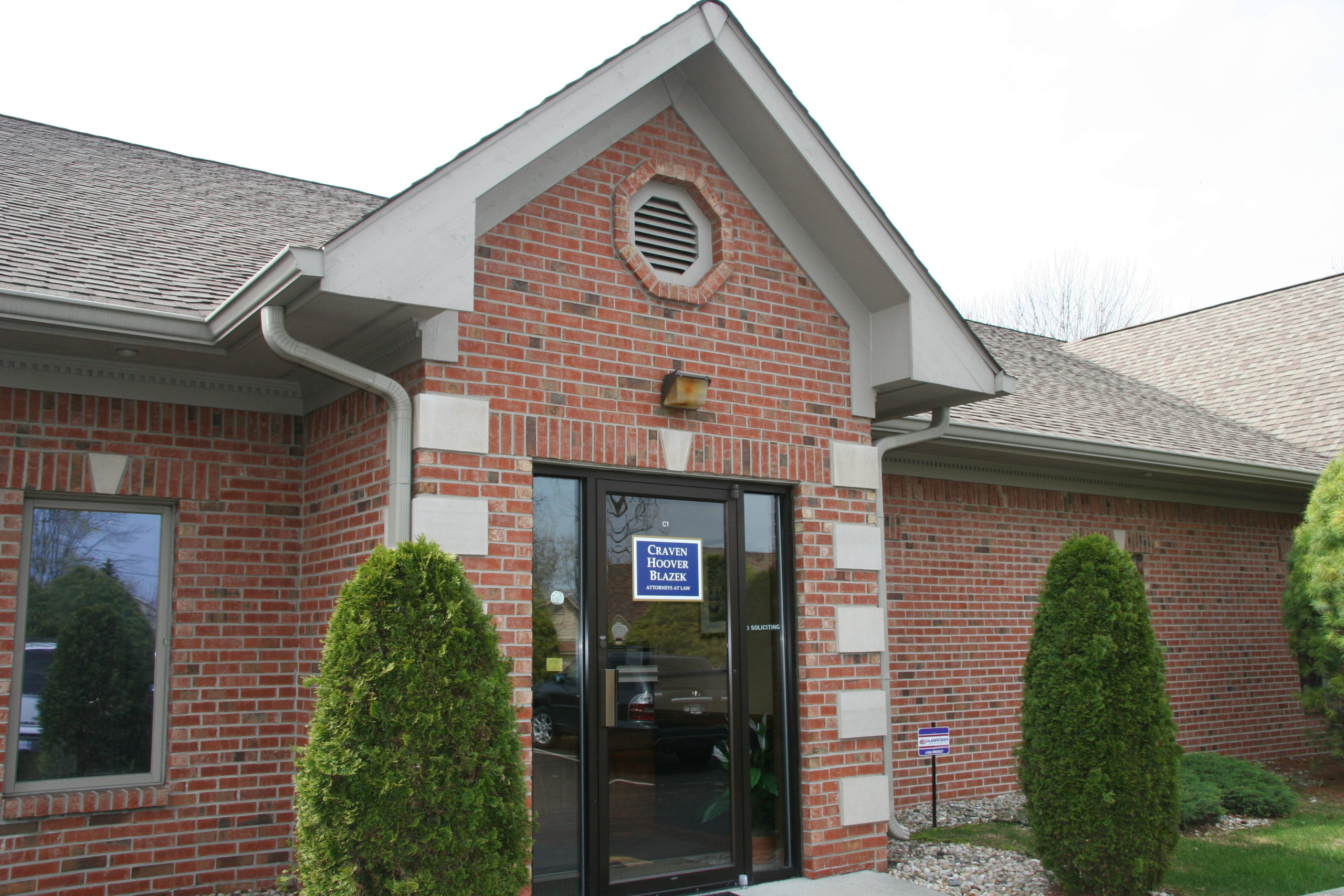
The best thing to do after your injury is to speak with a personal injury attorney right away so you can know your rights.  Here at Craven, Hoover & Blazek, P.C., an attorney will speak with you free of charge to obtain the facts surrounding your possible case and determine whether or not an attorney is necessary given the facts of the case.

You are generally not legally obligated to provide a recorded statement to the other driver’s insurance company. These statements are often used to cross-reference your story later to find minor inconsistencies. If your memory of the event changes slightly months later—which is common with trauma—they may use the recording to attack your credibility.

If you must give a statement to your own insurance company (which is often a requirement of your policy), keep your answers brief, factual, and direct. Do not volunteer extra information.  DO NOT give a statement for anyone without consulting with an attorney first. 

Get a Free Case Review in Indianapolis

Navigating Indiana Codes, dealing with aggressive adjusters, and calculating fair compensation for long-term injuries is a heavy burden to carry alone. This is where professional legal counsel becomes indispensable.

An experienced personal injury attorney acts as a shield between you and the insurance company. Once you have representation, adjusters are generally required to direct all communication through your lawyer. This prevents you from accidentally saying something that could arguably damage your case.

The Clock Is Ticking

It is also vital to remember the Statute of Limitations. According to Indiana Code § 34-11-2-4, you generally have exactly two years from the date of the accident to file a personal injury lawsuit in most cases.

Insurance adjusters know this timeline well. Some may drag out negotiations or delay returning calls in hopes that you miss this deadline. An attorney ensures your claim is filed correctly and on time, preserving your right to seek justice.  A defendant’s insurance company does not owe you any duties.

Protect Your Future

Recovering from an injury is hard enough without the added stress of a complex legal battle. While insurance adjusters play a necessary role in the claims process, remember that they are negotiating for their employer, not for you.

By knowing your rights under Indiana law, you can protect the compensation you deserve. You should not have to feel overwhelmed by insurance paperwork or pressure from adjusters, and you do not and should not have to face it alone.

Don’t let an insurance adjuster decide what your injury is worth. Our team understands Indiana’s comparative fault laws and knows how to counter the tactics insurance companies use to devalue claims. Contact Us Today to schedule your free, no-obligation case review in Indianapolis. Let us handle the legal fight so you can focus on healing.

Call Now to Schedule

Related Post: Insurance Company Traps: What Indiana Personal Injury Victims Need to Know

Indiana’s Slip and Fall Laws: Ensuring You’re Compensated Fairly

A slip and fall accident can happen in an instant, but the consequences can last for months, years or even a lifetime. Whether it’s the lack of a wet floor at a grocery store, poor lighting in a parking garage, or an uneven sidewalk outside a restaurant, these incidents can result in serious injuries that affect your ability to work, care for your family, and enjoy your daily life. If you’ve been injured in a slip and fall or trip and fall accident in Indiana, understanding your legal rights is essential to ensuring you receive full and fair compensation.

Indiana’s slip and fall laws are governed by premises liability principles, which hold property owners and occupiers responsible for maintaining safe conditions for visitors. However, navigating these laws can be complex, especially when determining who is at fault and what compensation you may be entitled to.

This guide will walk you through the key aspects of Indiana’s slip and fall laws, from duty of care to the statute of limitations, so you can make informed decisions about your case.

Call 317-881-2700 to Speak With an Indiana Slip and Fall Lawyer Near You

Understanding Duty of Care in Indiana Slip and Fall Cases

At the heart of any slip and fall case is the legal concept of duty of care. This is a legal obligation requiring individuals or entities to adhere to a standard of reasonable care while performing any acts that could foreseeably harm others. Property owners and occupiers in Indiana owe different levels of duty of care depending on the status of the person entering their property.

Visitors are generally categorized into three groups:

1. Invitees: These are individuals who enter a property for business purposes or with the owner’s invitation, such as customers in a store. Property owners owe invitees the highest duty of care, which includes regularly inspecting the premises and warning of and/or remedying any      known hazards.

2. Licensees: These are individuals who enter a property with permission for their own purposes, but not for business purposes. Property owners must warn licensees of known dangers that are not obvious.

3. Trespassers: These are individuals who enter a property without permission. Generally, property owners owe minimal duty of care to trespassers, though exceptions exist for children.

Understanding your status as a visitor is crucial in determining whether the property owner had a duty to protect you from harm.

Premises Liability: The Foundation of Slip and Fall Claims

Premises liability refers to the legal responsibility of landowners and possessors for injuries sustained by individuals on their property due to unsafe conditions. In Indiana, premises liability law requires property owners to maintain reasonably safe conditions and address hazards that could cause harm.

To succeed in a slip and fall claim under Indiana’s premises liability laws, you must demonstrate that:

  1. The property owner owed you a duty of care.
  2. The property owner breached that duty by failing to maintain safe conditions or warn of hazards.
  3. The breach proximately caused your injuries.
  4. You suffered damages as a result.

These cases often hinge on whether the property owner knew or should have known about the dangerous condition. For example, if a spill occurred in a big box store and remained unaddressed for a while, the owner may be held liable for any resulting slip and fall accidents.

Common Causes of Slip, Trip, and Fall Accidents

Slip and fall accidents can occur for a variety of reasons, many of which are preventable with proper maintenance and attention. Common causes include:

  • Wet or slippery floors: Spills, freshly mopped surfaces, or weather-related moisture can create hazardous conditions.
  • Uneven surfaces: Cracked sidewalks, potholes, or damaged flooring can cause trips and falls.
  • Poor lighting: Inadequate lighting in stairwells, parking lots, or hallways can make it difficult to see hazards.
  • Loose rugs or mats: Unsecured floor coverings can shift underfoot and cause accidents.
  • Debris or clutter: Items left in walkways or high-traffic areas can obstruct paths and lead to falls.
  • Lack of handrails: Missing or broken handrails on stairs can increase the risk of serious falls.

Identifying the cause of your accident is an important step in documenting a strong slip and fall or trip and fall claim.

Contact Us for a Free Slip & Fall Consultation

Proving Negligence in a Slip and Fall Case

To recover compensation in a slip and fall case, you must prove that the property owner was negligent—that is, they failed to exercise the care that a reasonably prudent person would exercise in similar circumstances. This requires gathering evidence to support your claim.

Key types of evidence include:

  • Photos or videos: Document the hazardous condition that caused your fall, as well as any visible injuries. Request surveillance video.
  • Incident reports: If the accident occurred at a business, request a copy of any incident report filed by staff.
  • Witness statements: Testimony from individuals who saw the incident or the dangerous condition can strengthen your case.
  • Medical records: Detailed documentation of your injuries and treatment is essential for proving damages.
  • Maintenance records: These can reveal whether the property owner failed to address known hazards.

Working with experienced slip and fall lawyers can help ensure that all relevant evidence is collected and preserved.

Indiana’s Modified Comparative Fault Rule

Indiana follows a modified comparative fault rule, which can significantly impact your slip and fall settlement. Under this legal principle, a plaintiff’s recovery is reduced in proportion to their own degree of fault in causing the injury. However, if you are found to be 51% or more at fault, you cannot recover any compensation.

For example, if you were awarded $100,000 in damages but were determined to be 20% at fault for not paying attention to a warning sign, your compensation would be reduced to $80,000. Property owners always argue that the injured party shares some responsibility for the accident, so having a skilled premises liability lawyer on your side is critical to defending against these claims.

Types of Personal Injury Damages You May Recover

If you’ve been injured in a premises liability accident, you may be entitled to various forms of personal injury compensation. Indiana law allows victims to recover both economic and non-economic damages, including:

  • Medical expenses: Costs for emergency treatment, hospital stays, surgery, physical therapy, and ongoing care.
  • Lost wages: Compensation for income lost due to time off work during recovery.
  • Loss of earning capacity: If your injuries prevent you from returning to your previous job or reduce your ability to earn income.
  • Pain and suffering: Compensation for past, present and future physical pain, emotional distress, and reduced quality of life.
  • Property damage: If personal belongings were damaged in the accident.

In rare cases involving gross negligence or intentional misconduct, punitive damages may also be awarded.

Statute of Limitations for Slip and Fall Claims in Indiana

Time is of the essence when pursuing a slip and fall claim. Indiana’s statute of limitations sets a deadline of two years from the date of the accident to file a lawsuit. If you fail to file within this timeframe, you will likely lose your right to seek compensation.

There are limited exceptions to this rule, such as cases involving minors or circumstances where the injury was not immediately discovered. However, it’s always best to act quickly. Evidence can disappear, witnesses’ memories can fade, and the longer you wait, the harder it becomes to document a strong case.

KEY TAKEAWAYS

Slip and fall accidents can leave you with mounting medical bills, lost income, and a long road to recovery. Understanding Indiana’s slip and fall laws is the first step in protecting your rights and securing the compensation you deserve. From proving negligence to navigating comparative fault rules, the legal process can be overwhelming—but you don’t have to face it alone.

If you or a loved one has been injured in a slip and fall accident in Indiana, don’t wait to seek help. Contact us today for a free consultation with experienced premises liability lawyers who will fight to ensure you’re compensated fairly. Your recovery starts here.

Place Your Call Now

Related Post: Top 5 Mistakes After a Slip and Fall Accident in Indiana

How Medical Experts Contribute to Personal Injury Claims

Medical experts play a vital role in personal injury claims. From establishing causation to detailing the injuries and long-term impacts of an injury, their expertise provides crucial evidence that can significantly affect the outcome of a case. For individuals navigating the complexities of Indiana personal injury law, understanding how medical experts contribute to accident claims is an essential part of documenting a strong case.

This blog will explore the critical contributions of medical experts in personal injury claims, provide answers to common concerns, and guide you in utilizing their expertise effectively.

Call 317-881-2700 to Speak With Our Personal Injury Law Firm in Indianapolis

Understanding How Personal Injury Claims Work

Establishing Causation

One of the most challenging aspects of any personal injury claim is proving causation. This refers to the legal requirement to connect the plaintiff’s injuries directly to the personal injury accident. Medical experts are instrumental and required in most circumstances in showing how the incident caused the injuries.

How Medical Experts Prove Causation

  • Detailed Medical Examinations: Through comprehensive examinations and tests, medical experts can determine the extent and origin of the injuries.
  • Expert Testimony: During hearings or trials, they provide testimony as expert witnesses, explaining the medical connection between the accident and the injury in simple terms.
  • Analyzing Pre-existing Conditions: They differentiate between injuries caused by the current accident and existing medical conditions to provide clarity in court.  They can also explain how a pre-existing injury was aggravated by the incident.

For instance, if a slip-and-fall accident causes a herniated disc, a medical expert can explain how the impact of the fall led to this specific injury. This evidence is vital in meeting the plaintiff’s burden of proof and persuading judges and juries.

Assessing the Severity and Long-Term Impact of Injuries

Understanding the severity and long-term consequences of injuries is another area where medical experts shine. They help both Indiana personal injury lawyers and victims quantify the full extent of damages, ensuring full and fair compensation for medical expenses, pain and suffering, and loss of quality of life.

Factors Considered by Medical Experts

Extent of Damage: Medical imaging, lab tests, and examinations help assess the immediate physical impact of injuries.

Long-Term Effects:

  • Future medical treatments or surgeries.
  • Potential for permanent disability.
  • Impact on the victim’s ability to work and sustain a livelihood.

Quality of Life:

  • Changes in mobility or independence.
  • Emotional and psychological toll, such as PTSD symptoms.

For example, following a car accident, a medical expert might evaluate the victim and determine that chronic headaches or reduced range of motion could persist for years, helping secure compensation for ongoing care.

The Importance of Medical Documentation in Court

Medical documentation serves as the backbone of any personal injury claim. Comprehensive records carry significant weight when presented in court or during negotiations with insurance companies.

Key Components of Medical Documentation

  • Medical Reports: Detailed complaints, diagnoses, treatments, and progress updates.
  • Treatment Plans: Outlines for future care, covering projected costs.
  • Diagnostic Test Results: X-rays, MRIs, and lab reports that provide tangible and objective evidence of injuries.
  • Independent Medical Examinations (IME): Evaluations conducted by third-party medical professionals of all the relevant evidence that can support claims.

Insurance companies will attempt to downplay or dispute injuries to minimize payouts. Strong, detailed medical documentation and reports prepared by an expert can counter these tactics and substantiate the claim.

Choosing the Right Medical Expert for Your Case

Not all medical experts are created equal. Selecting the right specialist can significantly enhance the strength of your case. Here are some factors to consider:

Qualifications to Look For

  • Board Certification: Ensure they have proper credentials and certifications in their field of expertise.
  • Trial Experience: Medical experts with experience testifying in court are more comfortable explaining complex medical details to a jury.
  • Impartiality: A credible expert should base their analysis purely on facts, avoiding bias towards one party.

Treating Physician vs Medical Expert

There’s often confusion between a treating physician and a third-party medical expert. While a treating physician provides care and is also an expert witness, a third-party medical expert is a third party who evaluates injuries with the sole purpose of giving an expert opinion, not treatment. Both can play critical roles in documenting your case.

To find the right medical expert, your personal injury attorney will often leverage their extensive network to connect you with reputable professionals.

Frequently Asked Questions

Here are some common queries people have about medical experts and personal injury claims:

What qualifications should a medical expert have?

Medical experts should be board-certified specialists in a relevant medical field, with extensive experience in diagnostics and treatment. Those with prior court testimonial experience are particularly valuable.

How can a medical expert strengthen my personal injury case?

They provide objective analysis, establish a clear link between the accident and injuries, assess long-term impacts, and often testify in court to explain medical concepts in simple terms.

What is the difference between a treating physician and a third-party medical expert?

A treating physician focuses on your care and recovery. A medical expert, on the other hand, evaluates your injuries to provide opinions that can support your personal injury claim.

When should I consult with a medical expert for my injury claim?

You should consult with a medical expert as soon as possible in some cases, especially when the severity or cause of injuries is in dispute. Early consultation ensures thorough documentation from the beginning.

How do medical experts assess the long-term impacts of injuries?

They evaluate factors like the likelihood of future treatments, permanent disabilities, and changes in mobility, emotional health, or independence.

What role does medical documentation play in personal injury cases?

Medical documentation provides factual, detailed evidence of your injuries, treatments, and prognoses. It is critical in negotiations with insurance companies and during legal proceedings.

Moving Forward

Medical experts are indispensable and indeed required in most personal injury claims. From proving causation and assessing injury severity to providing credible testimony and documentation, their contributions can make or break a case. Indiana personal injury law is complex, but with the right support and attorney, you can maximize your chance of securing fair compensation.

If you’re dealing with injuries from a personal injury accident and need help navigating the process, our team at Craven, Hoover & Blazek, P.C. is here to assist. Contact us today at 317-881-2700 for a free personal injury case evaluation and get expert guidance tailored to your unique situation.

Call Now to Book Your Consultation

Related Post: Unlocking Personal Injury Compensation: The Vital Role of Medical Professionals

Indiana Injury Claims: Why Medical Experts are Essential

When you’re injured due to someone else’s negligence, proving the extent and impact of your injuries becomes crucial to securing fair compensation. Medical experts serve as the bridge between medical conditions and legal outcomes, transforming clinical findings into compelling evidence that courts and insurance companies can understand and act upon.

Understanding how medical experts function within Indiana’s legal framework can significantly impact the success of your personal injury claim. These professionals don’t just treat your injuries—they provide the objective, scientific foundation that supports your case and helps establish the true value of your damages.

The role of medical experts extends far beyond initial treatment. They analyze medical records, conduct independent examinations, and translate complex medical terminology into clear explanations that judges and juries can comprehend. This translation proves essential when determining causation, assessing the severity of injuries, and projecting future medical needs.

Call 317-881-2700 to Speak With Our Indiana Injury Claim Lawyers

Who Qualifies as a Medical Expert?

Medical experts in personal injury claims are licensed healthcare professionals who possess specialized knowledge, training, and experience relevant to the injuries in question. These professionals must meet specific qualifications to testify as expert witnesses in Indiana courts.

Types of Medical Experts 

Typically, medical experts include physicians, surgeons, physical therapists, psychologists, and other healthcare specialists who have extensive experience in their respective fields. They must demonstrate their expertise through education, board certifications, published research, and/or years of practical experience treating patients with similar conditions.

How Courts Evaluate Expert Qualifications 

The court evaluates each expert’s qualifications to ensure they possess the necessary credentials to offer opinions on medical matters. This evaluation considers their educational background, professional licenses, specialized training, and relevant experience treating injuries similar to those in your case.

The Importance of Reasonable Medical Certainty or Probability 

Indiana courts require medical experts to base their opinions on reasonable medical certainty or probability, meaning their conclusions must be supported by scientific evidence and accepted medical practices. This standard ensures that expert testimony remains reliable and credible throughout the legal process.

Why Medical Experts Are Critical to Your Case

Medical experts provide objective, professional opinions that carry significant weight in personal injury claims. Insurance companies and opposing counsel often challenge injury claims, questioning the severity, causation, and long-term impact of injuries. Medical experts counter these challenges with scientific evidence and professional analysis.

These professionals establish the crucial link between the accident and your injuries, addressing questions about causation that might otherwise remain unclear. They examine the patient, medical records, diagnostic tests, and treatment histories to determine whether your injuries resulted from the incident in question.

Medical experts also assess the full scope of your injuries, including both immediate and long-term consequences. They evaluate how your injuries affect your daily activities, work capacity, and overall quality of life. This comprehensive assessment helps ensure that all aspects of your damages are properly documented and properly valued.

Their testimony becomes particularly valuable when dealing with complex injuries or pre-existing conditions. Medical experts can distinguish between injury-related symptoms and unrelated health issues, preventing insurance companies from unfairly attributing all medical problems to pre-existing conditions.

Get Your Free Case Review Started Today!

Types of Medical Expert Testimony

Medical expert testimony takes several forms, each serving specific purposes within personal injury claims. Understanding these different types helps you appreciate how experts contribute to documenting a strong case.

Causation testimony establishes the connection between the accident and your injuries. Consider a car accident case where a medical expert clarifies the extent of whiplash injuries, linking them directly to the collision. The expert reviews the mechanism of injury, timing of symptom onset, and medical findings to demonstrate that the accident caused the plaintiff’s neck injuries.

Severity and prognosis testimony addresses the extent of injuries and their expected progression. In a slip and fall incident, an expert might explain how the fall caused specific fractures and nerve damage. This expert would analyze the forces involved in the fall, the resulting injury patterns, and the expected recovery timeline.

Standard of care testimony becomes crucial in medical malpractice claims. A medical malpractice claim might involve a specialist assessing whether the treatment provided met accepted medical standards. The expert reviews the care provided, compares it to established protocols, and identifies any deviations that may have caused harm.

Damages assessment testimony helps quantify the financial impact of injuries. Medical experts project future medical needs, rehabilitation requirements, and potential complications. This testimony supports calculations for ongoing medical expenses and helps establish the true cost of your injuries.

The Importance of Hiring Experienced Legal Representation

Selecting qualified personal injury attorneys who understand how to work effectively with medical experts can significantly impact your case outcome. Experienced lawyers like Craven, Hoover & Blazek, P.C. know which types of experts to retain, how to prepare them for testimony, and how to present their opinions most effectively.

Established Relationships

Your attorney should have established relationships with reputable medical experts across various specialties. These relationships ensure access to qualified professionals who can provide credible, persuasive testimony supporting your claim.

Coordinating Expert Testimony

Effective personal injury lawyers also understand how to coordinate expert testimony with other evidence in your case. They know how to sequence expert depositions, prepare experts for cross-examination, and use expert opinions to counter opposing arguments.

Avoiding Common Mistakes

Additionally, experienced attorneys recognize common personal injury claim mistakes that can undermine expert testimony. They ensure that medical records are complete, that experts receive all necessary documentation, and that testimony aligns with other evidence in your case.

Timing for Expert Involvement 

The timing of expert involvement also matters significantly. Early consultation with medical experts can help identify key issues, preserve important evidence, and develop stronger legal strategies. Your attorney should involve experts at appropriate stages throughout your personal injury lawsuit or settlement negotiations.

FINAL THOUGHTS

Medical experts serve as the foundation of successful personal injury claims in Indiana, providing the scientific credibility and objective analysis necessary to prove your case. Their testimony transforms medical conditions into legal evidence, establishing causation, documenting severity, and projecting future needs.

The complexity of medical expert testimony underscores the importance of working with experienced personal injury attorneys who understand how to leverage expert opinions effectively. These professionals know how to select appropriate experts, prepare compelling testimony, and integrate expert opinions into comprehensive legal strategies.

Your path to fair compensation depends on documenting a strong evidentiary foundation, with medical experts playing a central role in that process. Their objective analysis and professional credibility can make the difference between inadequate settlements and full compensation for your injuries.

Contact Craven, Hoover & Blazek, P.C. for a free consultation to discuss your personal injury claim. Learn how our experienced team can connect you with qualified medical experts who will strengthen your case and maximize your recovery. Meet in person, over the phone, or at your place of in-patient care. Act now while you still have time.

Schedule a Free Case Review Now

Related Post: Expert Witness Testimonies: The Heart of Personal Injury Cases

Helpful Links For Personal Injury Victims in Indiana

Personal injury accidents can be devastating, leaving victims unable to work and struggling with costly medical bills. If you’ve been the victim of a personal injury due to someone else’s negligence, it is important to understand your rights and options. Indiana personal injury lawyers are available to help you and your loved ones navigate this difficult process and get the compensation that you deserve.

To make sure that your case gets started on the right course, continue below to review a long list of helpful links for personal injury victims in Indiana.

Call 317-881-2700 to Get in Touch With an Experienced Indiana Personal Injury Law Firm.

Personal Injury Online Resources for Hoosiers

Are you struggling to recover from an injury? Don’t worry – we’ve got your back! Here are some helpful links that will provide much-needed guidance and support during this difficult time.

State Government:

Children and Family Links:

Indiana Law Enforcement Links:

Business Links:

Work and Labor Links:

Industry Links:

Indiana Departments:

Get Help With Your Personal Injury Claim Today

In Indiana, personal injury claims are serious legal matters that require extensive knowledge and experience of personal injury law. If you have suffered physical or emotional harm due to the negligent, reckless, or deliberate actions of another, it is important to contact a personal injury lawyer in Indianapolis. They can advise you on your options and the chance of success when it comes to pursuing a personal injury lawsuit. An Indiana accident attorney can provide vital advice tailored to the specifics of your case, such as what evidence will be required in court and how long you can expect the process to take.  They will also advise you on how much compensation you could potentially be awarded. Finding an experienced Indianapolis personal injury attorney is key to making sure your accident claim receives the attention it deserves.

Reach Out to Craven, Hoover, and Blazek P.C.

Contact the Law Office of Craven, Hoover, and Blazek P.C. at 317-881-2700 to schedule a no-risk, no-fee personal injury evaluation to explore your eligibility, today. Our injury attorneys offer extensive experience, expertise, determination, and resources to ensure you receive the full compensation that is deserved. We represent clients all throughout the state, as well as Hoosiers injured in other states.

Related Posts:

How to Get Started On Your Indiana Personal Injury Claim
The First Questions You Should Be Asking After a Personal Injury
Tips for Your First Meeting With a Personal Injury Lawyer

Will My Case Have a Better Outcome if I Hire a Personal Injury Lawyer?

Although you are not required by law to hire a lawyer to represent your personal injury claim, it is strongly encouraged. Continue reading to learn why a personal injury attorney is your best ally in recovering the maximum settlement for your damages and losses.

Indianapolis IN Accident Attorneys 317-881-2700

Benefits of Personal Injury Representation

Hiring a personal injury lawyer to represent you in your accident claim is smart, not just for financial reasons, but for practical ones as well. You see, a lawyer is your single point of communication and accountability during your claims and case process. They handle every aspect of your case, from recovering a full and fair damages settlement or verdict for your medical bills, lost wages, pain and suffering, etc… for you, to remaining a steadfast supporter during a trying time in your life.

Additionally, personal injury lawyers often work on contingency, which essentially means they only bill you for their services if they are successful at recovering a settlement or verdict for you. Under a contingency-fee payment model, you would not be required to pay any upfront lawyer fees. You will only pay if you are awarded compensation.

Most importantly, personal injury lawyers know tort law. They know all the intricacies of the judicial system in which they work in, and they know all of the strategies and tactics that are effective against the local and national insurance companies. They have the specific skills and knowledge to investigate personal injury cases down to the very last detail and prove their clients’ damages.

Expert personal injury lawyers can usually negotiate accident claims outside of court, but, if necessary, they are perfectly prepared to take a case to trial and fight for their victims’ rights to full and fair compensation.

Why You Do Not Want to Represent Your Own Claim

Some people choose to represent themselves in legal disputes or lawsuits, but when it comes to an accident claim, you do not want to take the chance. Navigating personal injury claims takes experience, industry knowledge, and most importantly, skill.

Insurance companies are ruthless as the less money they settle the claim for, the more they keep for themselves and because of this, they specifically train their adjusters to try to get injured victims to agree to the smallest settlement possible. A skilled personal injury lawyer is well-versed in such insurance adjuster tactics and knows how to navigate around them for a successful outcome.

Overall, if you want the best outcome possible for your personal injury claim, you will need to hire a personal injury law firm.

Avoid Hiring a General Practice Lawyer

A common mistake made by personal injury victims and survivors is not hiring the right type of lawyer. General practice or family lawyers are not well-versed in tort law and may not be the best asset for your claim. Hiring a seasoned personal injury lawyer is the best choice for accident and injury claims and lawsuits. They are the professionals who retain the proper legal acumen and experience to obtain the best possible outcome for accident victims and their families. 

Think of it this way: in the medical field, your primary care physician makes a referral for you to go see a specialist because they are more knowledgeable in a particular medical area of practice, say a neurologist or neurosurgeon.  It is the same for the legal profession.  If you need a will done, you would go see an attorney who practices in the probate area of law.  If you have a personal injury case, you should hire a law firm where all its attorneys each have over 25 years of experience in every type of personal injury case.

Are you ready to learn more about pursuing legal action against the party who caused your injuries and subsequent damages? Contact the Law Office of Craven, Hoover, and Blazek P.C. at 317-881-2700 to schedule a free personal injury case evaluation. Act fast, before time runs out on your claim or evidence supporting your claim is lost.  All of our attorneys are very experienced (more than 25 years each) in personal injury cases of all kinds and we represent injured persons throughout the state of Indiana.

You Should Also Read:

How Can I Tell Whether or Not I Have an Injury Case?
How Much Does it Cost to Hire an Accident Lawyer?
Common Terminology in a Personal Injury Claim

Indianapolis Personal Injury Lawyers 317-881-2700
Schedule a Free Consultation!

How Soon Should I Notify My Insurance After Being Injured in an Accident?

If you plan on making a claim for an injury, or even just property loss, it is important to notify your insurance company as soon as possible following accident. Continue reading to learn what you need to know about speaking with your insurance company after being injured in an accident that was not your fault.

Indianapolis IN Personal Injury Law Firm
Indianapolis IN Personal Injury Law Firm 317-881-2700

Notify Your Insurance Carrier Immediately After an Accident

If you are involved in an accident, and you plan on filing a claim for injury or property losses, it is your responsibility to contact your own insurance carrier and notify them right away. This will ensure that filing a claim later on is even possible. Do this regardless of whether or not you plan to file a claim with the other party’s insurance company. Always contact your own insurance first, then contact seasoned Indiana personal injury lawyer to represent your claim.

How Soon is Soon?

For those injured in an accident, it can sometimes be difficult managing a serious phone call right away. If you are sent to the hospital, or severely incapacitated directly after an accident, take the time to recuperate your energy. You should be equally protected so long as you do so within 3 days or 72 hours. If you are capable of calling and speaking to your insurance carrier, do so the very same day of the accident. In many cases, claimants will call directly from the scene of the accident.

Read the Fine Print of Your Policy

It is important to know that some insurance policies have terms and conditions regarding deadlines for notifications of accidents. Your insurance carrier might require you to contact them within a certain time period in order to be eligible for benefits. Be sure you have read your insurance policy thoroughly so that you understand your rights and requirements as a claimant.

Speaking With Insurance Personnel

You must be very careful when you call your insurance company to notify them of your accident. You do not want to implicate yourself in any way that makes you look responsible for the incident. Be sure to stick with the facts of the accident, detailing what happened, where it happened, what property incurred damage, if anyone was injured including yourself, and if there were any witnesses. Your insurance representative will walk you through a series of questions to get the information they need, initially.

Do Not Speak With Other Insurance Adjusters

If another person’s insurance company contacts you to discuss the accident, do not take the call. Only allow your accident lawyer to speak with any other parties’ insurance representatives or adjusters. These employees are trained to manipulate any information you give them to lessen the value of the claim, or hold you responsible in any way for the accident. Even when contacting your own insurance company to explain the accident, it is best to first speak with your accident lawyer.

Does all of these seem quite stressful to you? You don’t have to worry about comprehending fine prints in insurance policies and claimant rights after an accident. Just hire a skilled and experienced Indianapolis accident lawyer to represent your claim. They will navigate all aspects of your claim for you, and recover the full compensation you deserve for your losses and damages.

Ready to get started on your accident claim now? Contact the accident attorneys at Craven, Hoover, and Blazek P.C. to schedule a free consultation with a seasoned accident attorney in Indianapolis, Indiana. We also represent persons who live here, but injured in another state.

You Might Also Like:

Common Terminology in a Personal Injury Claim
How Can I Tell Whether or Not I Have an Injury Case?
Qualities to Look For When Choosing a Personal Injury Attorney

Indianapolis Personal Injury Lawyers 317-881-2700
Schedule a Free Consultation!

Why Choose Our Indianapolis Personal Injury Law Firm

Here at Craven, Hoover, and Blazek P.C., our accident lawyers and legal teams work hard to achieve client satisfaction, because we strongly believe that all innocent victims of a negligent accident deserve justice and they have the right to be fully and fairly compensated for their damages in Indiana. This is why Craven, Hoover, and Blazek P.C. is a leading Indianapolis personal injury law office with a long history of professionalism, client support, and successful case results. If you need effective legal representation after you or your loved one was wrongfully hurt or killed, you are in the right place.

Indiana Personal Injury Attorneys 317-881-2700

The Law Office of Craven, Hoover, and Blazek P.C. can help you recover the full compensation you are entitled to for your resulting damages and losses. We will work hard to recover recompense for your past, current, and future losses, including hospital bills, medical costs, pain and suffering, and much more. Continue below to learn more about us, and why you should choose our skilled and experienced Indianapolis personal injury lawyers to represent you in your claim.

There are Many Reasons Why You Will Benefit as a Client of Craven, Hoover, and Blazek P.C.

FREE CASE EVALUATIONS

Here at Craven, Hoover, and Blazek P.C., we offer your first consultation with an esteemed and seasoned accident attorney, free of charge. There is never any out-of-pocket obligation to meet with our lawyers and discuss the viability of your case. If you cannot meet in-person at our Indianapolis-based office, we can conduct case evaluations over the phone, via Skype or Facetime, at your home or at your care center where you are being treated.

WE TRAVEL FOR OUR CLIENTS

The accident lawyers at the Law Firm of Craven, Hoover, and Blazek P.C. have seen a lot of accidents and injuries over the past 30 years of our practice, so we know just how unpredictable and challenging recovering from such accidents can be. So, if you cannot come to us for a case evaluation or any other type of meeting, we will come to your house or care center you are at.

WE WORK ON CONTINGENCY   

When we tell you that there are never any upfront lawyer fees to become our client, we mean what we say. Not only do we provide free initial consultations, but we also work on a contingency-fee basis, which means that you do not owe us for our services unless and until we recover a settlement or verdict for you.

WE KNOW INSURANCE COMPANIES

Here at our Indianapolis personal injury law firm, our combined, extensive trial and litigation experience sets us apart from our competitors because it has given us the advanced skills and knowledge of how insurance companies work in accident claim negotiations and litigation. We know all of their tactics and never back down to them.

WE ARE ALMOST EXCLUSIVELY PERSONAL INJURY

Other law firms might advertise personal injury representation, but also represent a wide scope of other civil claims, such as divorce, child custody, immigration, criminal defense, and more. But here at Craven, Hoover, and Blazek P.C., we are almost exclusively a personal injury practice, which means that we know the field of tort law in greater depth, plus we have decades of experience in handling thousands of accident claims.

Contact Our Indianapolis Accident Law Firm Today

Contact us today at 317-881-2700 to learn more about us, or to schedule a free case evaluation with an Indianapolis personal injury lawyer. Attorneys, Daniel Craven, Ralph Hoover, and Keith Blazek are accident lawyers with extensive trial and litigation experience in several practice areas of tort law, and are fully-prepared to represent your accident and injury or wrongful death claim. We represent injured persons throughout the State of Indiana, so get started with a free consultation, today.

Indianapolis Personal Injury Lawyers 317-881-2700
Schedule a Free Consultation!

What is the Worth of My Personal Injury Claim?

If you were hurt in an accident that was someone else’s fault, after seeking immediate medical treatment, the first thing you should do is consult with an attorney so you may become informed as to your rights, including your right to receive full and fair compensation for your injuries and damages.

Continue reading to learn more about confirming the worth of your personal injury claim, including the common damages you might recover, and how to get started with a free consultation with a seasoned Indiana accident lawyer.

Indiana Personal Injury Law Firm 317-881-2700

Calculating Personal Injury Claim Values

The value of your personal injury claim is important because in the end, you deserve the be granted full and fair compensation for all of your damages and losses. Whether the value of your claim is relatively small or substantial, it is vital that you seek proper legal consultation and representation from an experienced Indiana personal injury law firm. They can ensure that you receive the maximum settlement or verdict for your claim.

It is impossible to precisely quantify a personal injury claim before extensive investigation and case documentation have been completed and even then although it is difficult , you can get a rough estimate by identifying the common damages in a personal injury claim. There are a few different categories of damages recognized by the law, but the two primary types of personal injury damages are compensatory and punitive damages

Compensatory Damages

Compensatory damages are also called actual damages, as they are measurable by calculation, and intended to compensate you for your out-of-pocket costs that resulted from your accident and injuries. Actual damages include both economic and future-economic losses, like hospital bills, medical expenses, lost wages from missing time at work, fuel costs driving to and from medical care, and future economic losses, such as permanent disability, disfigurement, loss of consortium (intimacy),loss of work abilities, loss of education experience, and similar reasonably measurable losses. Pain and suffering and mental anguish damages are the most important damages in a personal injury case however.

Punitive Damages

Punitive damages are much different than compensatory damages. Also known as exemplary damages (as in ‘setting an example’), such damages are awarded to accident victims more so for the purpose of punishing the at-fault party, as well as setting a public example to deter the particular type of gross negligence involved in the case. This generally occurs when the at-fault party is found or suspected to have acted deliberately, spitefully, grossly negligent, or with wanton disregard for the rights and welfare of the victim. Nonetheless, it is the victim that is compensated in the end for such egregious negligence.

How to Get Started on Your Personal Injury Claim in Indiana

Start by gathering up all of your quantifiable compensatory damages, such as medical bills, hospital bills, your lost paychecks from missing work, and any other bills that resulted from your accident and injuries. This will give you a very rough estimate of how much your case might be worth. You should hire an attorney right away because they will help you in obtaining the necessary evidence for your case and they will obtain the vast majority of the evidence so you do not have to. Your next step is to contact an Indianapolis personal injury lawyer to learn more about the validity and strength of your claim. Most accident law firms will meet with you for free to hear your case.

Schedule a Free Consultation With Our Indiana Personal Injury Attorneys

Call the Law Office of Craven, Hoover, and Blazek P.C. at 317-881-2700 for reputable and experienced personal injury representation in Indianapolis, Indiana. Accident attorneys, Daniel Craven, Ralph Hoover, and Keith Blazek offer free initial consultations and never collect lawyer fees unless they win your settlement and recover compensation for your damages. We serve clients in Indianapolis and all throughout Indiana, via phone, online video conference, or in-person at our Indy-based office. Get started today, before the statute of limitations runs out on your claim!

Indianapolis Personal Injury Lawyers 317-881-2700
Schedule a Free Consultation!