Interesting Facts About the History of Tort Law

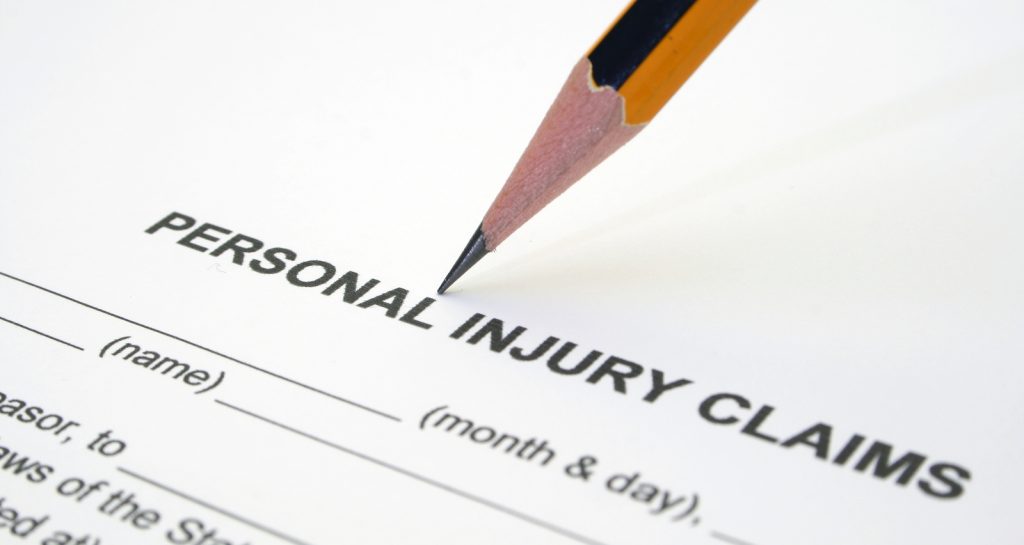
Torts are civil wrong-doings, or immoral behaviors and actions against people. The law identifies a tort as immoral, and approves it as grounds for a lawsuit. Most often, torts come with severe consequences, like serious injuries and death; consequences that can establish a victim’s right to make a personal injury claim against the at-fault party.

Tort law is one to appreciate since it protects us and our loved ones from wrongful offenses. Take a look below to learn some of the most interesting facts about the history of tort law in our country to gain a deeper appreciation for our national judicial system.
Indianapolis Personal Injury Lawyers 317-881-2700

Tort Law

Tort law was established to serve 4 particular objectives: 1) to compensate victims for the injuries they’ve suffered as a result of another’s actions or inactions; 2) to transfer the cost of related damages and losses to the culpable party, such as hospital bills, medical expenses, lost wages, pain and suffering, and more; 3) to set an example and prevent harmful, reckless, and negligent behaviors in the future; and 4) to justify the legal rights and welfares of the victim that were compromised, diminished, or made powerless.

History Facts

The term, “tort” is derived from the Latin word, “torquere”, which translates to “twisted” or “wrong.” Centuries ago, the British legal system did not recognize torts as a means of separate legal action. Instead, English Common Law provided victims of tort with two primary methods of recompense, which were trespass for direct injuries, and actions “on the case” for indirect injuries. In fact, tort law originated with the action of trespass.

Eventually, over the course of several years, the British legal system acquired other types of civil actions, including defamation actions like slander and libel. See our blog, “The Legal Concepts Surrounding Libel, Slander, and Defamation of Character” to understand the difference between these two types of civil actions. By the 18th century, most American colonies began to adopt England’s common law system. And at the start of the 19th century, the first U.S. legal treatises were published. Within these treatises, a portion of the British common law were created under the heading of torts.

Tort Law Today

Tort law has monumentally progressed over the last two centuries, recognizing virtually all civil wrong-doings under law. In today’s judicial system, tort law protects people, businesses, employees, the environment, and much more. Common categories of tort law today include both intentional and non-intentional torts, such as defamation of character, workers’ compensation, wrongful death, premise liability, product defects, medical malpractice, and general personal injuries. If you were recently injured in an accident or suffered harm to your reputation, all at not fault of your own, you may be eligible to collect compensation for your subsequent losses and damages.

Contact a Personal Injury Law Firm Today

If you believe you or your loved one is a victim of a personal injury in Indiana, contact the Law office of Craven, Hoover, and Blazek P.C. at 317-881-2700 to schedule a free initial consultation. Our seasoned Indianapolis personal injury lawyers can help you recover the full and fair compensation you deserve. We offer free initial consultations and never collect lawyer fees unless we prevail for you. Schedule your free meeting, today.
Personal Injury Law Firm 317-881-2700

The Difference Between Intentional and Unintentional Torts

When it comes to tort law, negligence is the most common type of tort. Negligence is failing to use the reasonable care that a reasonably prudent person would use. You see, in our country, the law expects individuals to abide by a specific code of conduct and adhere to a legal duty to behave in a certain way in order to decrease the potentially of harming others. When individuals break this code of conduct, whether intentional or unintentional, consequences may be in order.

So what does this mean for you? If you were injured in an accident, regardless of what kind, and the accident was caused by another’s misconduct or wrongdoing or negligence, you could potentially bring about a tort claim against the at-fault party. In legalese, these are referred to as personal injury claims, which are meant to compensate victims for their losses and damages that resulted from the accident. Examples of damages and losses may include lost wages from work, medical expenses, hospital bills, pain, suffering, mental anguish, loss of consortium, prolonged physical therapy, permanent disfigurement, and much more.

Under civil litigation, tort law is the largest category, which governs a wide range of cases. However, under tort law, all personal injury cases fit into one of three primary categories: intentional torts, unintentional torts, and strict liability. Continue reading to learn the difference between the two, as well as, who to call for trusted legal advice regarding your personal injury claim.

Indianapolis Personal Injury Attorneys 317-881-2700

A tort is a wrongful action or non-action that causes another person harm. In personal injury cases, the harm is usually physical, but can also be mental and emotional. A tortfeasor is the individual or entity that commits a tort, whether intentional or not. Tortfeasors can be individual people, companies, manufacturers, schools, businesses, retailers, and more. Now that you have reviewed the fundamentals of tort law, you can better understand the difference among the three primary categories. Below are brief explanations of intentional torts, unintentional torts, and strict liability.

Intentional Torts:

When an individual or entity intentionally behaves in a way that causes another person harm, it is categorized as an intentional tort. Intentional torts can come with both criminal and civil ramifications for the at-fault party, all of which vary from state to state, but may include mandated court orders, fines, restitution, probation, jail, travel restrictions, bans, money damages and more.

Common examples of intentional torts include assault, battery, defamation of character, fraud, invasion of privacy, false imprisonment, conversion (taking someone else’s property and converting it to their own), trespass to chattel (interference with personal property), trespass to land (using someone’s personal property without consent), deliberate infliction of emotional distress, and more.

Unintentional Torts:

When an individual or entity unintentionally or inadvertently behaves in a way that causes another person harm, it is categorized as an unintentional tort. Unintentional torts are based around negligence, which even though can be accidental, can still be punishable under civil law. Ramifications usually involve recompense or restitution. Common examples of unintentional torts include car accidents, slip and falls, medical malpractice, dog bites, and workplace accidents.

Strict Liability:

Also referred to as “absolute” liability, this legal principle applies to individuals or entities regardless of intent, and imposes liability without the need of direct fault. The most common example of strict liability are product defect lawsuits. In such cases, the injured victim need only demonstrate that their injuries were a direct result of the defectiveness of the product to get the law on their side. Intention does not play a role in cases of strict liability.

Where to Find Trusted Legal Advice

Call The Law Office of Craven, Hoover, and Blazek P.C. at 317-881-2700 for trusted personal injury representation in Indianapolis, Indiana and throughout the State of Indiana. Our seasoned accident attorneys work hard to ensure our clients’ rights to compensation. We offer free initial consultations to access your case and determine your eligibility for remuneration; and we never collect attorney fees unless we prevail for you!

Indianapolis Personal Injury Lawyers 317-881-2700

A Review of Personal Injury Claim Terms and Definitions

If you are considering making a personal injury claim in Indiana, or have already begun the process, here are some important terms and definitions that will help you understand your case. If you have questions about accident claims, contact a seasoned Indianapolis personal injury law firm for trusted advice.

Personal Injury Lawyers 317-881-2700

Adjuster:

The adjuster is a person that is employed or hired by an insurance company to possibly settle a personal injury claim. Their primary objective is to avoid paying any sort of remuneration if possible, or pay out as little as possible.

Civil Statute of Limitations:

In all cases of filing a civil claim against another person or entity, there is a legal time limit to do so called a “statute of limitations.” In Indiana, you can find some details regarding civil statute of limitations in Title 34, Article 11, Chapter 2 of the Indiana Code book.

Claimant:

The claimant is the person filing the personal injury claim. This can be one person, the victim, or the family of a victim. Once a claim is filed in a court of law, the claimant become the plaintiff.

First Party Insurance:

As we already know, the term “party” refers to either the plaintiff side or the defendant side. Well, first party is always the plaintiff side, in particular, their insurance company. A plaintiff might file a claim with their insurance company for more money for damages or possibly an uninsured claim when the defendant does not have liability coverage.

Gross Negligence Claims:

Recklessness can be colloquially-defined as unreasonable and/or deliberate misconduct of a person. It is an act that upsets or alarms our society’s morals. 

Liability:

The term liability refers to one’s obligation or responsibility. For example, if a drunk driver causes another driver injury, the drunk driver and/or their insurance company is liable for the victim’s damages. They are the ones who will pay for the injured victim’s claim.

Malfeasance:

Malfeasance is an intentional illegal action or wrongdoing that causes another person harm.

Misfeasance:

Misfeasance is a term used to describe a lawful act that is improperly performed, either by negligence or intention, causing harm to another person.

Negligence:

Almost every personal injury case is based on the legal principle of negligence. Under this principle, if a person or company’s negligent actions causes another person harm, they can be held legally responsible for the victim’s damages and losses.

Nonfeasance:

Nonfeasance is a term used to describe “a deliberate or neglectful failure to act” where action is required, that directly results in or allows another person to be harmed or injured. A person is liable or guilty of nonfeasance usually under three circumstances: 1) the person had a duty of care to the victim, 2) they failed to act on their duty of care, or 3) the act resulted in the victim’s injuries.

Party:

The term “party” refers to either the defendant’s side or the plaintiff’s side.  

Personal Injury:

A personal injury is any type of harm or damage done to a person either physically, mentally, or emotionally as a result of another person or entity’s negligence. Personal injuries take place when another person or entity (i.e. people, businesses, corporations, enterprises, companies, organizations, workplaces, etc.) demonstrates carelessness or negligence in a situation that subsequently causes injury or damage to another person.

PIP Insurance:

Personal injury protection insurance is a type of medical payments coverage for drivers and passengers who are injured in a motor vehicle accident. Under this policy, all or a portion of medical expenses and hospital bills (driver and passengers) are paid for no matter who is to blame for an auto accident. No-fault accident states require this type of insurance coverage.

Third Party Claim:

Different from third party insurance, a third party claim is when a person files an additional claim against a separate entity involved in causing their injuries. For example, if a person is severely assaulted at work, they can possibly file a worker’s compensation claim (first party claim) with the company’s insurance provider, and then they can file a third party claim against the person who assaulted them at work.

Third Party Insurance:

This is a defendant’s insurance company. It is commonly the insurance companies that pay out compensations or negotiates recompense in personal injury cases.

Tort:

Torts are civil wrong-doings, or immoral behaviors and actions against civilians.

Tortfeasor:

Also referred to as the “At-Fault Party”, the tortfeasor is the actual person who was negligent and caused someone harm or damage. They can also be the defendant if they are the ones being sued. In the case of a minor, the parents might be the defendants, while the juvenile is the actual tortfeasor.

Indiana Personal Injury Law Office:

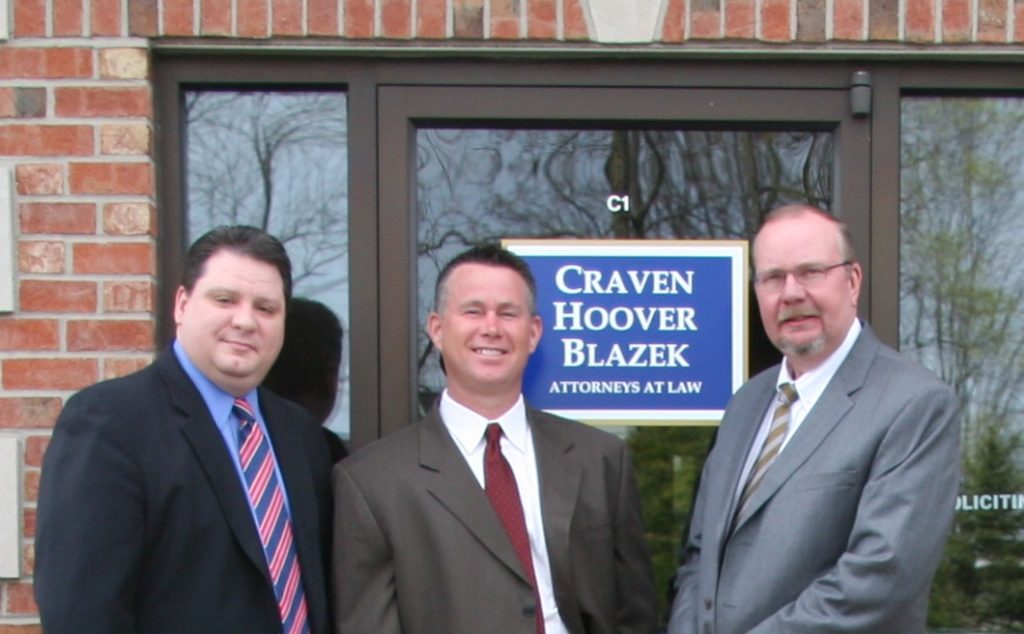
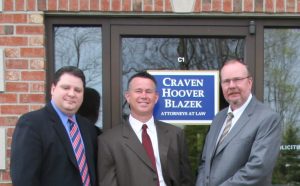
Call Craven, Hoover, and Blazek P.C. at 317-881-2700 for information about personal injury lawsuits in Indianapolis, Indiana. Daniel Craven, Ralph Hoover, and Keith Blazek are seasoned accident attorneys that can fight to recover compensation for your losses. We offer free initial consultations and never collect lawyer fees unless we win a settlement. Call 317-881-2700 to schedule your free consultation with an Indianapolis personal injury lawyer, today.

Indianapolis Personal Injury Lawyers 317-881-2700

Should a Personal Injury Claimant Ever Accept a Low Settlement?

Although not common, in a personal injury case, there are times when it might make more sense for a claimant to accept a lower settlement than what they believe they are owed. It is important to hire a seasoned personal injury law firm to represent your accident claim in order to obtain the fullest and fairest amount of compensation for your damages and losses. With a skilled and experienced law firm in your corner, you do not have to be concerned about low settlement offers. However, it may help to learn what circumstances could lead some claimants to agree to lower compensation.

Continue reading to learn these scenarios, and where get professional legal advice regarding your personal injury claim.

Indianapolis Personal Injury Lawyers 317-881-2700

Low Settlement Offers

It is never recommended to take a low offer when making a claim against someone who has caused you serious injuries and damages. In every case, you should always negotiate for the best settlement possible, however, there are times when it does occur because it is the more sensible option compared to taking a claim to trial. Here are three common examples of when this might happen:

☛ The claimant’s case is weak or uncertain because they may not have enough evidence to prove all of the elements of their case in court. They would be better offer accepting whatever offer is put on the table before a lawsuit is considered, otherwise, they could walk away with nothing in the end.

☛ The claimant’s injuries and ultimate losses are minor, small, or fairly minimal. For instance, a claim should be intended to recover compensation for losses like medical bills, lost wages, pain, suffering, and similar consequences. If their damages and losses do not mount up to much, and/or their injuries are insignificant, a lower offer is likely the best option.

☛ The claimant’s settlement offer is at the maximum of the policy limits, so no more can be paid out even if the settlement seems too low. For example, if the opposing party’s liability insurance policy is set at a maximum of $25,000, and that is the settlement they offer, a claimant is not likely to get more than that even if they are awarded a larger amount in court. Large corporations are an exception to this since they tend to have more money and assets outside of their insurance policies; but a private party may not have the assets to pay out more, even if ordered to in court.  In any event, defendants can also file for bankruptcy which can significantly negatively affect any chance of any recovery above and beyond liability insurance policy limits.

Keep in mind that once a claimant accepts an offer, there is no turning back. This means that in the case that their injuries worsen or their damages add up in cost later on, they cannot make another claim for more compensation. Be sure to have a licensed personal injury lawyer working your claim as soon as possible after the injury or death occurs to ensure your rights to compensation are fully protected and executed.

Where to Get Trusted Legal Advice

Call The Law Office of Craven, Hoover, and Blazek P.C. at 317-881-2700 to make a personal injury claim in Indianapolis, Indiana and anywhere else throughout the State of Indiana. We are well-versed and experienced in several practice areas, from slip and fall accident claims, to car accidents, big truck accidents, workers’ compensation, wrongful death, and much more. When you walk into our office for your free consultation, you will instantly feel confident that you are in good hands. Call 317-881-2700 to get started, today.

Indianapolis Personal Injury Lawyers 317-881-2700

What You Need to Know Golf Cart Accidents and Liability

Now that the weather finally permits, golfers all across the state are getting their golf gear ready for the season. And maybe this year you will finally decide to walk the course rather than ride! But if this resolution falls through, there is no need to get down on yourself; after all, a golf cart allows you to get even more rounds in per day! But before you hop on a golf kart, whether you are driving or riding along, it is important to know where you stand in terms of legal liability and rights.

Many golf courses offer carts to ride, which do not require specialized permit or license to operate. In fact, here in Indiana, you can operate a golf cart if you are 16 years old with a valid drivers’ license. In addition to having a valid drivers’ license, golf cart operators must obey all Indiana traffic and driving laws, which also apply in the case of an accident.

Continue reading to learn more about golf cart accidents and liability in Indiana.

Golf Cart Accident Claims 317-881-2700

Golf Cart Safety and Statistics

Golf carts are safe; right? After all, teenagers are legally allowed to operate them under lenient conditions. But golf carts can pose several risks, and even fatalities. According to the Consumer Products Safety Commission (CPSC), roughly 15,000 people in the United States suffer injuries related to golf carts per year, and some injuries even result in dozens of deaths. The most common types of golf cart accidents involve collisions, tip-overs, and throws, all of which can result in a wide spectrum of orthopedic, muscle, and flesh injuries. The CPSC further reports that nearly 40% of these golf cart-related injuries are sustained as a result of someone falling out of a moving golf cart.

Although golf carts are just as dangerous as a standard motor vehicle, in comparison, there are significantly fewer laws and regulations governing them. For instance, golf carts are not required to have seat belts, airbags, and other vital safety features, which paints a picture of how serious injuries can be if an accident does occur. Fortunately, there are laws in place that do protect those injured in golf cart-related accidents, so long as they are not at-fault for their injuries.

There are many people or entities that can be held legally liable in the case of a golf cart accident. Common at-fault parties include other golfers, club staff members, course managers, club owner, cart manufacturer, and more. If you were injured in a golf cart accident as a result of someone else’s negligence, it is vital to contact an Indianapolis personal injury law firm as soon as possible. You may be eligible for remuneration to cover hospital bills, medical expenses, lost wages, and more.

Indianapolis Personal Injury Lawyers

Contact the law office of Craven, Hoover, and Blazek P.C. at 317-881-2700 to file a personal injury claim in Indianapolis, Indiana. Seasoned accident attorneys, Daniel Craven, Ralph Hoover, and Keith Blazek, can help you recover the full and fair compensation you deserve after suffering a golf cart injury. We offer free initial consultations and never collect attorney fees unless we prevail for you. We represent clients throughout the State of Indiana. Call 317-881-2700 to schedule an appointment with our Indianapolis personal injury lawyers, today.

Indianapolis Personal Injury Lawyers 317-881-2700

The Basics of Personal Injury Fault and Negligence

After being involved in an accident, the first step to submitting a claim for compensation is determining the liable party or parties. The party that is deemed “at fault” for the accident is the party responsible for covering the subsequent damages and losses suffered by any victims. This can be a person, a group of people, a company, a manufacturer, or other entity. Establishing liability in a personal injury case will revolve around a common legal concept known as negligence. If negligence is proven, fault can be assigned.

Continue reading to learn the basics of fault and negligence in personal injury cases.

Indianapolis Personal Injury Lawyers 317-881-2700

Fault

“Fault” is a personal injury term that means “legal liability”, which refers to the legal responsibility for one’s acts or omissions. If a victim in injured in an accident that was no fault of their own, they can bring about a claim for compensation against the party who was responsible for causing the accident and subsequent damages. If the victim’s claim is successful, the settlement is paid for by the at-fault party or their insurance carrier.  Even if a victim injured in an accident was partially at fault, they still can recover damages.

In order for a personal injury claim to be successful, the plaintiff party must prove that the at-fault party is in fact, at fault; and to determine who is at fault for an accident, negligence must be established. Whoever was negligent and caused the accident will be responsible for paying the settlement, whether through a personal injury lawsuit or insurance settlement. See our blog, “Can I Settle a Personal Injury Claim if I Cannot Prove Fault?” for further information about this topic.

Negligence

If an accident victim chooses to make a personal injury claim against another party, they hold the burden of proving that party’s negligence. There are four primary elements of negligence that must be demonstrated in order to establish liability. These four elements include duty of care, breach of duty, causation, and damages. See our blog, “The 4 Elements of Negligence in a Personal Injury Case” to learn more about each. Additional legal theories of liability include establishing intentional conduct, strict liability, or negligence per se.

Where to Get Trusted Personal Injury Advice

Personal Injury Lawyers 317-881-2700

Call The Law Office of Craven, Hoover, and Blazek P.C. at 317-881-2700 for professional assistance with your personal injury claim in Indiana. Our esteemed and seasoned Indianapolis accident attorneys are ready, willing and able to help injured victims recover the full and fair compensation they deserve. We offer free initial consultations and never collect attorney fees unless we obtain a settlement for you. Contact us to get started in your financial recovery, today.

Facts About Vicarious Liability Lawsuits

Have you ever borrowed a friend’s car? Or maybe you drove your parent’s vehicle as a teenager? Is so, vicarious liability played a role in terms of the law. Aside from driving another person’s vehicle, there are many other circumstances that pose this level of liability.

Continue reading to learn more about vicarious liability, including some common examples and how to make a claim.

Indianapolis Personal Injury Lawyers

According to Dictionary.law.com, vicarious liability is defined as, “(…) an attachment of responsibility to a person for harm or damages caused by another person in either a negligence lawsuit or criminal prosecution. (…)” Vicarious liability is also referred to as “imputed liability.”

In plainest terms, vicarious liability cases are those in which one party is held legally responsible for another party’s negligent or unlawful actions. Although the first party is legally responsible, the law holds the secondary party accountable as well. Vicarious liability comes to play in situations where a person has a duty of care for another person or thing, but acts negligently, resulting in serious injuries or accidents.

Examples of Imputed Liability

To better understand the principles and laws surrounding imputed liability, it is helpful to review some examples of such cases. For instance, employers have a duty of care to their staffs, making workplace accidents a common outcome of imputed liability. As an example, if an employer retains a staff of employees who act negligently in the workplace (i.e. sexual harassment, discrimination, assault, etc.), the employer can sometimes be held legally accountable for any resulting damages to employers, clients, or other victims.

In turn, victims of this negligent behavior can then make a personal injury claim to collect compensation for medical and hospital expenses, lost wages, pain, suffering, and more, all from the employer and each individual guilty employee. Employers in this situation are considered responsible because they have the duty to prevent and be aware of negligence in the workplace. By law, they should have stopped or prevented harmful behavior on the job before any serious repercussions could occur.

As mentioned before, driving another person’s car may also involve vicarious liability. For instance, if a minor crashes their parent’s vehicle and causes serious injury or death to another driver or pedestrian, it is the parents that can also be held legally responsible for all damages and losses that occurred as a result of the car crash, sometimes whether the minor had permission to drive the vehicle or not.

You see, by law, parents have a duty of care to properly teach their child how to operate a vehicle safely, and only allow their teen to drive their vehicle when they are capable of doing so responsibly. This is also the case if a friend or other relative borrows someone’s car and hurts someone else while driving it. Although the owner of the car was not the one behind the wheel, and the person driving had a valid license, the owner could be held accountable for the damages to the injured party.

Were You Hurt in a Negligent Car Accident?

If you were recently involved in a car accident that was not your fault, and now you are facing heaping medical expenses, hospital bills, and missing work, talk to an Indianapolis personal injury lawyer about making a car accident claim. You may be entitled to collect compensation to cover all of your financial losses and damages that resulted from your accident.

Contact the Law Office of Craven, Hoover, and Blazek P.C. at 317-881-2700 to discuss your recent accident and learn the best course of action for your personal injury claim. We can help you recover the full and fair compensation you deserve. Furthermore, we offer free initial consultations and never collect lawyer fees unless we prevail for you. Call 317-881-2700 to get started, today.

Is My Personal Injury Case Criminal or Civil?

Personal injury cases are highly complex since they involve the law. Such cases are made even more complex when accidents are so severe, they can lead to permanent losses or even wrongful deaths. This leads many to wonder whether or not personal injury cases are criminal matters. Although it would seem reasonable to assume that an accident that leads to another person’s death would result in someone being criminally penalized, it is not always the case. In fact, numerous personal injury lawsuits are civil matters and do not involve crimes being committed.

Continue reading to learn the fundamental differences between criminal and civil law, as well as, how to make a personal injury claim for compensation after being negligently injured in an accident.

Indianapolis Accident Attorneys 317-881-2700
Indiana Accident Attorneys 317-881-2700

Criminal Legal Matters

Criminal law involves crimes against the state, government, or society in whole. Criminal violations, like felonies and misdemeanors, are subject to state and federal punishment, therefore, guilty person’s face jail time, governmental fines, and more. In criminal law, the burden of proof shifts to a more complex principle. It is always up to the state prosecutors to provide evidence in order to prove that a defendant is guilty.

All people are innocent until proven guilty, so the defendant has no burden of proving their own innocence at all in a criminal case. There are a few exceptions to this rule, in the case of insanity claims and self-defense claims. The state has the responsibility of proving “beyond a reasonable doubt” that a defendant is guilty of the crime in question. Beyond a reasonable doubt that a defendant is guilty for a jury to hand down a guilty verdict is a very high bar for a prosecutor to meet.

Civil Legal Matters

In contrast to criminal law, civil law is the area of the American legal system that manages disputes or wrong-doings between private parties, rather than the state, government, or society as a whole. A common example of such cases involve injuries. If someone is wrongfully injured by another person demonstrating negligence or malicious intent, they can ask the courts to decide who is at-fault and if the negligent party should pay remuneration to the injured person. The same goes for family law and divorce cases, disagreements over property ownership, breach of contracts, wrongful terminations, and more. 

Anyone found guilty of a civil matter or infraction will not be subjected to jail time, government fines, or capital punishment. Instead, most civil litigation cases end with a negligent party being order to compensate the injured party for their losses and any additional damages caused by the defendant’s negligence. Recompense is often times paid by the defendant’s insurance provider, but sometimes, they must pay out of pocket if they did not have insurance, for example. If they have no money, assets, or insurance, an injured person may not receive any recompense, even if it is court-ordered, and even if ordered to pay by a court, discharge of the obligation in bankruptcy can still be a high probability.

As for burden of proof, civil cases and criminal cases differ greatly. In civil law, the plaintiff has the burden of proving their damages and the negligent act of the opposing party be a more likely than not standard, which is much lower than the beyond a reasonable doubt standard in a criminal manner. The defendant has the burden of proof regarding and defenses they assert in the civil matter. In a civil case, a plaintiff and a defendant must hire and pay for their own attorney, or choose to defend themselves. Only in criminal cases will the state offer a lawyer for free.  However, in a civil matter, because most defendants have insurance, the insurance company will hire and pay the defense attorney fees and expenses.

Get Trusted Advice Today

Personal Injury Lawyers 317-881-2700

Personal injury cases are highly complex and require professional legal representation. Talk to your trusted personal injury attorney to learn more about your particular claim, including which course of action best meets your needs for compensation and justice. Start by calling the Law office of Craven, Hoover, and Blazek P.C. at 317-881-2700 to schedule a free initial consultation. Our experienced Indiana accident lawyers, Daniel Craven, Ralph Hoover, and Keith Blazek, are ready to recover the full and fair compensation you deserve.

Seasonal Fire Safety Checklist for the Home

Burn Injury Lawyers Indiana 317-881-2700

Burn Injury Lawyers Indiana 317-881-2700

House fires are too common this time of year. With cooler temperatures upon us, more and more families are taking advantage of their fireplaces and outdoor fire pits. And with this increase in recreational fire use comes an increase in house fires, as well as, fire-related accidents and injuries. For this reason, it is important to go over your home’s seasonal fire safety checklist before indulging in any fire-side activities this fall. By implementing a comprehensive inspection of your home for fire safety issues and concerns, you are providing security for yourself, your family, and your investment.

If you do not already have a fire safety checklist for your house, continue reading to review a recommended list to use as a reference guide for creating one of your own.

Fire Prevention Tips

Fires can be deadly, and not just the fire but the smoke too. Serious injuries and fatalities caused by house fires can be prevented with proper care and attention. That is why a fire protection checklist is so important. The most important responsibility of a fire safety checklist is staying on top of all the recommended preventive maintenance requirements. It is strongly suggested to go through your house fire prevention list at least one to two times a year. In some cases, it is necessary to hire professional to assess the quality of your fire protection plan and make suggestions based on your home’s individual needs. In the meantime, here are some recommended tips and advice for protecting your home for the house fire:

🔥 Install quality smoke detector alarms on every level of the home.

🔥 Replace any smoke detectors that are older than 8 years old.

🔥 Test smoke detector batteries every few months and promptly replace when needed.

🔥 Be sure smoke detectors are kept clean, and cleared of dust and cobwebs.

🔥 Keep a residential fire extinguisher on every level of the home and be sure they are easy to reach.

🔥 Check your windows and doors for air leaks, and have them sealed to prevent fire-spreading drafts.

🔥 Develop and practice a fire escape plan with the entire family, and review this plan once per year.

Home Remodel Fire Safety Advice:

🏡 For new home construction, consider having firebreaks installed in the framing.
🏡 Consider installing windows in basement bedrooms.
🏡 Consider installing a fire sprinkler system in your home.
🏡 Consider installing escape ladders on the upper levels of your home.

Fire Accidents and Injuries

If you or someone you love was recently involved in a fire accident and suffered serious smoke inhalation and burn injuries as a result, it is important to retain professional legal counsel to help negotiate with third parties and insurance companies. They have the knowledge, skill, and resources to recover the full and fair compensation you deserve after being wrongfully injured in a fire.

Indianapolis Accident Attorneys

Craven Hoover Blazek Personal Injury Law

Craven Hoover Blazek Personal Injury Law 317-881-2700

Call the law office of Craven, Hoover, and Blazek P.C. at 317-881-2700 to schedule a free initial consultation with an experienced personal injury lawyer in Indianapolis, Indiana. Seasoned personal injury attorneys Daniel Craven, Ralph Hoover, and Keith Blazek, have extensive trial and litigation experience, and can help you recover compensation for your damages and losses. Call 317-881-2700 to learn your rights to compensation from one of our seasoned Indianapolis accident attorneys.

Can I Sue Someone for Harming My Credit Score?

Personal Injury Lawyers Indiana 317-881-2700

Personal Injury Lawyers Indiana 317-881-2700

In today’s economy, a person’s credit score is a significant asset. When good, they open people up to more opportunities and a better quality of life. But when poor, credit scores can cause people to struggle with various aspects of living. Bad credit can make it difficult, or even impossible, for someone to get approved for loans, rent a home, finance a vehicle, and even get considered for certain promotions at work. While on the other hand, good credit can provide a way of living that is much more comfortable.

Needless to say, credit ratings play a major role in our everyday life, so it is natural to feel protective of yours. And unfortunately, this is a valid concern. Stolen credit cards, identities, and other types of fraudulent crimes are common these days, and can destroy a person’s credit rating. But if this ever happens to you, there may be a way to recover for any damages or losses incurred as a result. Although challenging, it is possible to sue a person for injuring your credit score. Continue reading to learn more about suing for damaged credit scores.

Proving Damage

Personal Injury Lawyers Indiana 317-881-2700

Personal Injury Lawyers Indiana 317-881-2700

It is not easy to win a damaged credit claim because there are several facts you must prove. And the most challenging fact to prove is how much the damage cost you. It is tough quantifying the harm done to you as a result of damage to your credit score. It takes a highly-creative and experienced personal injury attorney to figure out a valid way to quantify the damage in a dollar amount, and then prove the remaining factors, including:

➢ The person or entity owed you a duty of care;
➢ They breached that duty of care;
➢ The breach caused harm to your credit rating;
➢ The harm to your credit rating caused you to suffer damages or loss.

For Example…

❝ Vicky warned a large-chain clothing store that she was not applying for a line of credit after discovering that a thief was attempting to do so using her identity. The store ignored her warnings and continued to allow the thief to inquire about a line of credit using Vicky’s identity. While this was happening, Vicky was applying for a loan to buy a new house. But her credit rating was plummeting due to the activity caused by the thief. Since the store did not do anything to prevent the thief from damaging her credit after repeated warnings, she sues the chain store for negligence. She might have a good shot at winning since she was applying for a mortgage loan at the same time.❞

It is important to discuss your credit damage with an experienced personal injury lawyer. They have the proper knowledge of the law to determine whether or not you were owed a duty of care and if that duty was breached. If so, they have the experience and skills to prove that breach caused you harm.

Indianapolis Accident Attorneys

Personal Injury Lawyers Indiana

Personal Injury Lawyers Indiana 317-881-2700

Call Craven, Hoover, and Blazek P.C. at 317-881-2700 to speak with an Indianapolis accident attorney about your personal injury claim in Indiana. Daniel Craven, Ralph Hoover, and Keith Blazek, are seasoned injury attorneys that will recover the full and fair compensation you deserve. We offer free initial consultations and never collect lawyer fees unless we win your settlement. Call 317-881-2700 to schedule a consultation with a licensed personal injury lawyer in Indianapolis, IN today.