What to Do After Serious Auto Accident Injuries in Indiana

Car accidents happen more frequently than most people realize. According to the National Highway Traffic Safety Administration, millions of crashes occur annually across the United States, with thousands resulting in serious injuries or fatalities. Whether you’re a passenger in a vehicle driven by someone else or another driver on the road, a negligent driver can change your life in an instant.

The aftermath of a serious auto accident can feel overwhelming. You may be dealing with painful injuries, mounting medical bills, and the inability to work while you recover. Understanding your legal rights and options becomes crucial during this challenging time. This comprehensive guide will walk you through the essential steps to take after suffering serious injuries in an auto accident caused by another driver’s negligence.

Call 317-881-2700 to Speak With Our Auto Accident Injury Lawyers in Indianapolis

Common Injuries from Auto Accidents

Auto accidents can cause a wide range of injuries, from minor cuts and bruises to life-altering trauma. Understanding these common injuries helps you recognize the full scope of your condition and its potential long-term impact.

Whiplash and Neck Injuries

Whiplash occurs when your head suddenly jerks forward and backward during impact. This motion can damage muscles, ligaments, and vertebrae in your neck. While some cases resolve within weeks, severe whiplash can cause chronic pain and mobility issues.

Traumatic Brain Injuries (TBI)

Even seemingly minor head impacts can result in concussions or more severe brain injuries. TBI symptoms may not appear immediately, making prompt medical evaluation essential. These injuries can affect cognitive function, memory, and emotional well-being for months or years.

Fractures and Broken Bones

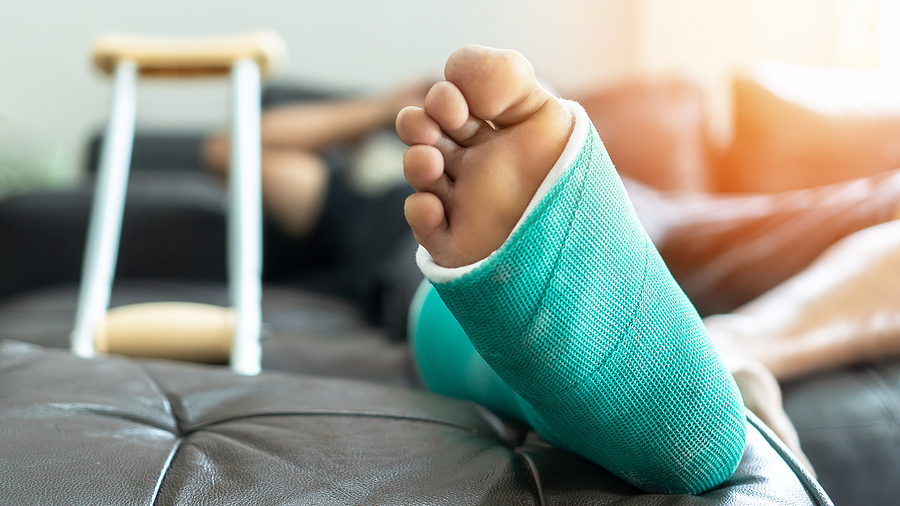
The force of collision can break ribs, arms, legs, and other bones. Complex fractures may require multiple surgeries and extensive rehabilitation. Some fractures heal completely, while others may cause permanent limitations.

Spinal Cord Injuries

Damage to the spinal cord can result in partial or complete paralysis. These catastrophic injuries often require lifelong medical care and significant lifestyle modifications.

Internal Injuries

Blunt force trauma can damage internal organs, causing internal bleeding or organ failure. These injuries may not be immediately apparent but can be life-threatening without prompt treatment.

The Importance of Seeking Immediate Medical Attention

Seeking medical care immediately after an auto accident serves multiple crucial purposes. First and foremost, it protects your health and safety. Some injuries, particularly internal and TBI’s, may not show symptoms right away but can be life-threatening if left untreated.

Medical documentation also plays a vital role in any future personal injury claim. Insurance companies and opposing legal teams often argue that delays in seeking treatment indicate injuries weren’t serious or weren’t caused by the accident. Immediate medical attention creates a clear timeline linking your injuries to the crash.

Even if you feel fine initially, adrenaline and shock can mask pain and symptoms. A thorough medical evaluation can identify injuries you might not yet feel and establish a baseline for your recovery process.

Understanding Indiana’s Personal Injury Laws

Indiana’s personal injury laws provide specific protections for accident victims while establishing important deadlines and rules that affect your claim. Understanding these laws helps you make informed decisions about your case.

Negligence and Liability

To recover compensation in Indiana, you must prove that another driver was negligent—meaning they failed to use reasonable care while driving. This might include speeding, texting while driving, running red lights, or driving under the influence. Liability refers to that driver’s legal responsibility for causing your injuries. If a driver has insurance, their insurance carrier will be responsible for paying your damages up to their policy limits.

Insurance Requirements

Indiana requires all drivers to carry minimum liability insurance coverage. However, these minimum amounts may not fully cover serious injuries, and some drivers simply do not follow the law and carry liability insurance. Understanding your own insurance coverage, including uninsured and underinsured motorist protection, becomes important if the at-fault driver lacks adequate insurance.

Statute of Limitations

Indiana’s statute of limitations gives you two years from the date of the accident to file a personal injury lawsuit, except for governmental entities. This deadline is firm—missing it typically means losing your right to seek compensation through the courts forever.

However, the two-year clock may pause under certain circumstances. For example, if the injured person is a minor, the statute of limitations may not begin until they reach age 18. Additionally, if the at-fault driver leaves the state, the time they spend outside Indiana may not count toward the two-year limit.

Starting your personal injury claim as soon as possible provides several advantages. It allows time for thorough investigation, witness interviews, and evidence gathering. It also gives you leverage in settlement negotiations, as insurance companies know you have the option to file a lawsuit if they don’t offer fair compensation.

Comparative Negligence

Indiana follows a modified comparative negligence rule, which can significantly impact your compensation. Under this system, you can recover damages even if you were partially at fault for the accident, as long as your fault doesn’t exceed 50%.

Here’s how it works: If you’re found 20% responsible for the accident and your total damages are $100,000, you would receive $80,000 in compensation. However, if you’re found 51% or more at fault, you cannot recover any compensation from the other driver.

Insurance companies often try to shift blame to reduce their payouts. They might argue that you were speeding, not wearing a seatbelt, or otherwise contributed to the accident. Having an experienced auto accident lawyer helps protect against these tactics and ensures accurate fault determination.

Why Choose Our Car Accident Lawyers

What Damages Can You Recover in an Indiana Car Accident Claim?

Indiana law allows accident victims to recover various types of damages to address both financial losses and personal suffering.

Economic Damages

These cover your financial losses, including medical expenses, lost wages, and property damage. Medical expenses include hospital bills, doctor visits, prescription medications, physical therapy, and future medical care related to your injuries. Lost wages encompass not only time already missed from work but also reduced earning capacity if your injuries prevent you from returning to your previous job or similar employment.

Non-Economic Damages

These address the personal impact of your injuries, including pain and suffering, emotional distress, loss of enjoyment of life, and loss of companionship. While harder to quantify than medical bills, these damages recognize that serious injuries affect more than just your bank account.

Punitive Damages

In rare cases involving particularly reckless behavior, Indiana courts may award punitive damages, which are designed to specifically punish the wrongdoer and deter similar conduct among the community.

Proving Fault in a Motor Vehicle Accident

Establishing fault requires gathering and presenting evidence that demonstrates the other driver’s negligence. This process involves multiple types of evidence and often requires professional investigation.

Police Reports

Officers responding to the scene create official reports documenting their observations, statements from involved parties, and any traffic citations issued. While not definitive proof of fault, these reports carry significant weight in insurance negotiations and legal proceedings.

Witness Statements

Independent witnesses can provide crucial testimony about how the accident occurred. Their accounts are particularly valuable because they have no financial interest in the outcome.

Physical Evidence

Vehicle damage, skid marks, debris patterns, and traffic signal timing can all provide clues about the accident’s cause. Professional accident reconstruction experts can analyze this evidence to create detailed explanations of how the crash occurred.

Electronic Evidence

Modern vehicles often contain electronic data recorders that capture information about speed, braking, and steering inputs before a crash. Cell phone records might show whether a driver was texting at the time of impact.

What To Do Immediately After an Accident

The steps you take immediately after an accident can significantly impact your health, safety, and ability to recover compensation.

  1. Ensure Safety – Move to a safe location if possible, but don’t leave the scene. Turn on hazard lights and set up flares or reflective triangles if available.
  2. Call Emergency Services – Contact 911 to report the accident and request medical assistance, even if injuries seem minor. Police documentation creates an official record of the incident.
  3. Seek Medical Attention – Allow paramedics to evaluate your condition and transport you to the hospital if recommended. Don’t refuse medical care due to cost concerns—your health comes first.
  4. Document Everything – Take photos of vehicle damage, the accident scene, and any visible injuries. Exchange contact and insurance information with other drivers, and obtain contact information from witnesses.
  5. Avoid Admitting Fault – Stick to factual statements about what happened. Avoid saying things like “I’m sorry” or “It was my fault,” even if you’re trying to be polite.
  6. Contact Your Insurance Company – Report the accident to your insurance company promptly, but be careful about giving detailed statements before consulting with an attorney.
  7. Hire a Lawyer – Contact a personal injury lawyer who has experience with Indiana auto accident claims. Do this quickly, as time can run out on your claim and evidence can disappear.

How an Indiana Auto Accident Lawyer Can Help

Navigating the legal system while recovering from serious injuries can be overwhelming. An experienced Indianapolis car accident lawyer provides invaluable assistance throughout the process.

Investigation and Evidence Gathering

Attorneys have resources to conduct thorough investigations, including hiring accident reconstruction experts, obtaining surveillance footage, and interviewing witnesses. They know what evidence is crucial and how to preserve it.

Insurance Negotiations

Insurance companies have teams of adjusters and lawyers working to minimize payouts. Having your own attorney levels the playing field and ensures you’re not taken advantage of during a vulnerable time.

Legal Expertise

Personal injury laws are complex, and insurance policies can be difficult to understand. An attorney explains your rights, evaluates your case’s value, and ensures you don’t accept inadequate settlements.

Court Representation

If your case goes to trial, having experienced courtroom advocacy becomes essential. Your attorney will present your case effectively and fight for maximum compensation.

Get Your Case Reviewed For Free

Frequently Asked Questions About Car Accident Claims

How long do I have to file a claim in Indiana?

You have two years from the date of the accident to file a personal injury lawsuit in Indiana. However, you should start the claims process with insurance companies much sooner.

What types of damages can I recover in a car accident claim?

You can recover economic damages (medical expenses, lost wages, property damage) and non-economic damages (pain and suffering, emotional distress). In rare cases, punitive damages may also be available.

How does Indiana’s comparative negligence law work?

You can recover compensation even if you were partially at fault, as long as your fault doesn’t exceed 50%. Your compensation will be reduced by your percentage of fault.

Do I need a lawyer to handle my car accident claim?

While not legally required, having an attorney significantly improves your chances of receiving fair compensation, especially for serious injuries involving substantial damages.

What should I do immediately after a car accident?

Ensure safety, call 911, seek medical attention, document the scene, exchange information with other drivers, and avoid admitting fault. Contact your insurance company and consider consulting with an attorney.

RECAP & NEXT STEPS

Serious auto accident injuries can have lasting impacts on your health, finances, and quality of life. You don’t have to navigate this challenging situation alone. Understanding your rights under Indiana law and working with an experienced car accident lawyer can make a significant difference in your recovery and compensation.

Every case is unique, and the specific circumstances of your accident will determine the best approach for your situation. Don’t wait to seek legal guidance—the sooner you act, the better positioned you’ll be to protect your rights and secure the compensation you deserve.

Ready to take the next step following your car accident injures? Contact the law firm of Craven, Hoover & Blazek, P.C. today to get your case reviewed for free. Our experienced Indianapolis auto accident attorneys understand the complexities of Indiana personal injury law and will fight for your rights every step of the way.

Call Now to Book Your Case Evaluation

Related Post: Signs You Need Legal Advice for Your Auto Accident Case

Slip and Fall in Indiana? Here’s Why You Need a Retail Store Injury Lawyer

Slip and fall accidents in retail stores can happen when you least expect them, leaving you with injuries, medical bills, and unanswered questions. If you’ve experienced a slip and fall in Indiana, understanding your rights and legal options is the first step toward recovery.

This guide will walk you through what you need to know about slip and fall accidents in Indiana, how to handle the aftermath, and why hiring a retail store injury lawyer is a crucial step in ensuring you receive the compensation you deserve.

Call 317-881-2700 to Speak With Our Experienced Slip and Fall Injury Lawyers  in Indianapolis
Call 317-881-2700 to Speak With Our Experienced Slip and Fall Injury Lawyers in Indianapolis

Slip and Fall Accidents in Indiana Retail Stores

Every year, countless people experience slip and fall accidents in retail environments like grocery stores, big box stores, shopping malls, and department stores. According to the Centers for Disease Control and Prevention (CDC), falls account for over 8 million emergency room visits annually, making it one of the leading causes of unintentional injuries.

Closer to home, the Indiana Department of Health reports that slip and fall injuries are particularly common in retail settings, where hazards like wet floors, uneven surfaces, or misplaced items can create dangerous conditions. While these incidents may seem accidental, they are often preventable if store owners uphold their legal responsibilities to maintain a safe environment.

Legal Duties of Retail Store Owners

Indiana law requires retail store owners to maintain their premises in a reasonably safe condition for customers and visitors. This obligation is part of premises liability law, which holds property owners accountable for preventing potential hazards. Retailers must:

  • Conduct regular inspections and address potential risks (e.g., spills, loose flooring, or poorly lit areas).
  • Provide adequate warnings, such as “Wet Floor” signs, when a hazard is present.
  • Repair or remove hazards promptly to avoid accidents.

Failure to uphold this duty of care can result in serious injuries and legal liability.

Common Causes of Slip and Fall Accidents in Retail Stores

While slip and fall accidents can occur in various ways, the following are the most common causes in retail environments:

  • Wet or Slippery Floors: Spills, freshly mopped floors, or tracked-in rain can create hazardous conditions.
  • Uneven or Torn Flooring: Loose tiles, torn carpets, or cracked pavement can become tripping hazards.
  • Obstructions in Aisles: Items left unattended in walkways, such as boxes or merchandise, can block paths.
  • Poor Lighting: Dim lighting or shadows can make it hard to see potential hazards.
  • Broken Handrails or Stairs: Damaged stairways or handrails can cause accidents on staircases.

Steps to Take After a Slip and Fall Accident

If you’ve had a slip and fall in a retail store, taking the right steps immediately can protect your health and strengthen your legal claim. Here’s what you should do:

1. Report the Accident

Notify store management or the property owner immediately. Request that an accident report be filed and get a copy for your records.

2. Document the Scene

Take photos or videos of the area where the accident occurred, including any hazards, such as wet floors or uneven surfaces. If there were witnesses, collect their contact information. Request that the store retain all video surveillance of you from the moment you entered the property to the moment you left the property.

3. Seek Medical Attention

Even if your injuries seem minor, visit a doctor as soon as possible. A “minor” injury can later turn into a major injury with natural progression.  A medical record documents your injuries and connects them to the accident, which is crucial for your claim.

4. Avoid Speaking to Insurance Companies

Do not give recorded statements or discuss the accident with the store’s insurance company without consulting a slip and fall attorney first.

5. Consult a Retail Store Injury Lawyer

An experienced Indiana premises liability attorney can evaluate the details of your case, protect your rights, and guide you through the legal process.

Contact Us for a Free Case Review

Why Hiring a Retail Store Injury Lawyer is Crucial

Navigating a slip and fall case on your own can be daunting. Here’s how a retail store injury lawyer can help:

  • Understand Premises Liability Laws: They know Indiana’s laws inside out, including the modified comparative fault rule (a key factor in cases where you may share partial blame for the accident).
  • Collect Evidence: Your lawyer will gather and preserve evidence, including security footage and witness testimonies.
  • Negotiate with Insurance Companies: Insurance companies often aim to minimize payouts; a lawyer ensures you receive fair compensation.
  • Maximize Compensation: From medical bills to pain and suffering, an attorney calculates the full value of your claim to seek maximum recovery.

The Legal Process and Potential Compensation

When you work with a slip and fall lawyer, here’s what you can expect from the legal process:

Step 1: Case Evaluation – Your attorney reviews the details of your accident, advises you on whether or not you have a strong case and explains your legal options.

Step 2: Investigation and Evidence Gathering – The lawyer collects supporting evidence, including photographs, medical records, and eyewitness accounts.

Step 3: Filing the Claim – Your lawyer files a claim against the at-fault party’s insurance company or, if necessary, initiates a lawsuit.

Step 4: Settlement Negotiation or Trial – Most slip and fall cases are resolved through settlement negotiations. However, if no agreement is reached, your case may proceed to court. An experienced lawyer represents you throughout the process.

Potential Compensation

Compensation in slip and fall cases can include:

  • Medical expenses (past and future)
  • Lost wages
  • Pain and suffering
  • Emotional distress
  • Loss of future earning capacity

FAQs About Slip and Fall Accident Claims in Indiana

What compensation can I recover in a slip and fall case?

You may recover costs for medical bills, lost wages, pain and suffering, and more. A lawyer can help calculate the total damages.

How long do I have to file a slip and fall claim in Indiana?

Indiana’s statute of limitations for personal injury cases is generally two years from the date of the accident.

What if I was partially at fault for the accident?

Under Indiana’s modified comparative fault rule, you can still recover compensation if you’re less than 51% at fault. However, your compensation will be reduced by your percentage of fault.

How can a lawyer help with my slip and fall claim?

A lawyer handles all aspects of your case, including evidence collection, negotiations, and representation in court.

Can I sue if there was a “Wet Floor” sign?

Yes possibly, if the sign was not clearly visible or if the hazard was not addressed in a timely manner.

TAKE THE FIRST STEP TOWARD JUSTICE

Experiencing a slip and fall accident can be overwhelming, but you don’t have to face it alone. At the law office of Craven, Hoover & Blazek, P.C., we have over 25 years of experience helping clients in Indiana get the compensation they deserve. Take the first step toward holding negligent parties accountable. We’re here to help you every step of the way.

Schedule a Free Consultation Now

Related Post: Understanding Indiana Laws: A Store’s Duty to Ensure Customer Safety

Types of Income Covered By Lost Wages Benefits

When a victim is wrongly hurt in an accident, it is common for them to miss weeks and months of work while recovering from their injuries. Sometimes, victims cannot go back to work at all if the injury is permanent and severe. While out of work, injured victims lose out on their regular earnings. These missed earnings are referred to as lost wages in a personal injury claim. Lost wages are one of the more common types of personal injury damages available for injured victims to recover.

Continue reading to learn which types of income are generally covered by lost wages benefits, plus where to schedule a free personal injury case evaluation in Indianapolis, Indiana.

Indianapolis Indiana Injury Lawyers 317-881-2700

Personal Injury Coverage for Lost Wages

Lost wages refer to the missed earnings that are involuntarily forfeited by an employee who was injured in a negligent accident. After being injured in an accident that was not their fault, an injured victim is legally entitled to a financial recovery for their resulting damages and losses, including missed pay from missing work.

Most people assume that lost wages only cover missed paychecks, when in fact, they can cover a lot more. Lost wages can include all sorts of income and benefits, from salary and hourly pay to tips, bonuses, job perks, and more. The extent of compensation awarded for lost wages in a personal injury case depends on how long the injured victim is forced to miss work due to their injuries.

Once an injured victim reaches maximum medical improvement (MMI), they can usually go back to work to the best of their ability. In the case of an injured victim suffering temporary, partial, or permanent disabilities that prevent them from performing the same duties as before, there are benefits that are available under Indiana worker compensation laws and third-party laws for this type of loss as well.

Examples of Lost Wages That May Be Awarded in a Personal Injury Case:

Hourly Pay
Salary
Commission
Tips
Overtime
Sick Leave
Vacation Days
Bonuses
Promotions
Job Perks

Returning to Work at a Lower Pay

Sometimes an injured victim can return to work after an accident, but not in their full capacity. In such cases, an employee comes back to work, but in a different role and at a lower pay. This type of earning loss may also be covered by personal injury lost wage benefits. In other cases, an injured victim cannot return to work to the same capacity ever again. In personal injury cases, this circumstance is known as loss of earnings potential. Those who qualify may be awarded future lost wages.

Evidence of Wage Related Losses

In a personal injury case, the claimant and their legal team holds the burden of proving lost wages. Fortunately, this is not usually a challenge, especially for particularly skilled and experienced Indiana civil litigators. Common types of evidence used to prove lost wages in a personal injury case include recent pay stubs, W2’s, bank records, medical records, tax return statements, expert testimony, a letter from the doctor stating a patient cannot return to work, and even a simple wage verification letter from the employer.

Are you wondering how you can recover damages for missing work after being wrongfully injured in Indiana? Contact the Law Office of Craven, Hoover, and Blazek P.C. at 317-881-2700 to schedule a free initial case evaluation with a skilled Indianapolis IN personal injury lawyer. We represent injured persons throughout the state.

Related Posts:

The Most Common Types of Damages Awarded in Personal Injury Lawsuits
Can I Recover Compensation for Lost Wages After My Personal Injury Accident?
Factors for Calculating a Personal Injury Settlement

Can I Sue a Spring Break Hotel After Being Injured on their Property?

Spring Break is here, and hundreds of thousands of people are planning, enjoying, or just coming home from their well-deserved vacations. When you think of going on Spring Break, you imagine a fun-filled trip chalked full of new experiences and happy memories. No one really plans on getting hurt, especially at their own hotel. As a spring break vacation hotel guest, you fully expect that your hotel will provide a safe and hazard-free environment during your stay. But accidents do happen on Spring Break; and if they happen as a result of hotel negligence, injured victims should be fully and fairly compensated for their damages and losses.

If you were recently injured on hotel property as a result of their negligence, you may be entitled to a settlement to cover your damages. Continue reading to learn the basics of hotel accident liability, and how to determine if you have a strong case.

Spring Break Hotel Injury Lawyers 317-881-2700

Hotel Accidents and Premises Liability

Right now, hotel traffic and occupancy are high, especially in popular vacation spots like Florida and New Orleans. The majority of hotels and hotel chains in these tourist areas are properly managed and maintain strict internal safety codes for the security of their guests, visitors, and staff. Such hotels stay current on all building codes, regular inspections, and routine maintenance, ensuring that everyone in and around their premises are safe and protected against foreseeable hazards. But unfortunately, not all hotels uphold this duty of care, leaving many Spring Breakers wrongfully injured in a hotel accident this time of year. Even the most professional and esteemed hotels sometimes do not use reasonable care, making them liable for a person’s injuries in the case of an accident.

Common Types of Hotel Accidents

Hotels are built in a way that can pose a long list of possible hazards and accidents, from balconies and stairwells to fire systems, swimming pools, slip and falls, food poisoning, assault, theft, and even tea kettles and unsafe furniture. With so many amenities, activities, and structures around, the possible ways of getting hurt are virtually infinite.

Balconies and Stairwells – Dangerous and defective railing, lighting, and other structural integrity issues are common causes of hotel negligence that can lead to victims falling off of balconies or down stairwells.

Swimming Pools and Pool Decks – Drowning accidents at hotels happen and swimming pools can also pose several other types of dangers, such as head and neck injuries, spinal injuries, orthopedic injuries, and slip and fall injuries.

Slip and Falls – There are many slip and fall hazards that can cause serious injuries to hotel guests and visitors, such as wet floors, un-level walking surfaces, torn carpeting, poorly-lit staircases, damaged curbs and steps, and much more.

Defective or Broken Items – Furniture, small appliances, and other items in a hotel can also be the cause of a wrongful injury to a guest, such as a broken shower rail, defective tea kettle, faulty electrical wiring, irons, steamers, fire alarms, smoke detectors, and more.

Criminal Activity – Hotels are supposed to provide a safe environment for their occupants and staff. They should take the proper precautions to prevent common spring break hotel criminal activity like theft and assault.

Premises Liability Law

Hotels are legally required to use reasonable care to keep their occupants and staff protected from foreseeable hazards and unsafe environments on their premises, including indoors, outdoors, shuttles, and parking lots. If they fail to uphold this legal duty of care, they can be held responsible in a premises liability lawsuit. If a person, guest, employee, or otherwise, is injured on their property as a result of the hotel’s failure to reasonably maintain safe premises, victims can sue the hotel and recover compensation for their damages and losses. Common personal injury damages include hospital bills, medical expenses, lost wages and pain and suffering.

Were you seriously hurt in your hotel on spring break?

Contact the accident attorneys at Craven, Hoover, and Blazek P.C. for professional personal injury claim representation you can trust. We serve clients in Indianapolis and all throughout Indiana.  Call us at 888-881-2700 or 317-881-2700.  If the injury or death occurs outside Indiana, our law firm will work hand in hand with a well respected law firm in whatever state the injury or death occurs in to assure that our clients have the best representation in both states.

You Might Also Like:

Defining “Duty of Care” in a Personal Injury Lawsuit
What is Premise Liability?
Where to Get Legal Advice for Hotel Accident Injury Claims

Indianapolis Personal Injury Lawyers 317-881-2700
Schedule a Free Consultation!

Can I Recover Compensation for Lost Wages After My Personal Injury Accident?

A wrongfully injured personal injury victim experiences several losses after an accident, but a significant types of damages they suffer is the loss of paychecks from missing time at work. Often times, wrongfully injured victims face financial challenges since they are not bringing in the same, steady income they were before. For those who are primary care-takers of their families, this is an added burden. Fortunately, wrongfully-injured victims can prove their lost wages in a personal injury lawsuit, and thus, be awarded compensation for the paychecks they would have received, and possibly future lost wages as well.

Continue reading to learn how an experienced personal injury lawyer can prove your lost wages and recover the full and fair compensation you deserve after being injured in an accident that was not your fault.

Indiana Personal Injury Attorneys 317-881-2700
Indiana Lost Wages Attorneys 317-881-2700

Claiming Payments for Lost Work Wages After an Accident

Missed payments and similar earnings are considered lost wages. They apply even if an injured victim goes back to work, but in a limited scope, and at a lower pay. Lost wages can include base pay, bonuses, commissions, tips, company perks, overtime, PTO, sick days, and even vacation days. Whether you have had to take full time off work after your personal injury accident, are only able to work part-time or temporarily, or you can never go back to work ever again, you should be a good candidate for receiving a settlement or verdict in your favor if the accident that caused your injuries was not your fault.

You must, however, be sure to hire an experienced Indiana personal injury law firm to represent your claim. Only they can navigate your case in the right direction, and in the best interest of your and your claim’s outcome. Essentially, they have the knowledge and skills to prove wage-related losses in an accident lawsuit, or well-before your claim even goes to trial.

Proving Lost Wages

In order to prove that you have in fact lost out on work paychecks as a result of your accident and subsequent injuries, your lawyer will substantiate a case filled with concrete irrefutable evidence and documentation. They will prove that your accident was caused by a negligent party, and that the accident was caused genuine, precise, and compensable losses. Lost income is one of these types of specific and calculable losses.

Additionally, your lawyer will provide other types of evidence to support this claim, including a detailed description of your job and work hours, past paycheck stubs, recent tax return documents and W-2’s, a letter from your boss confirming your lost wages, medical records, doctors’ letters, and even expert testimonies if necessary. As a personal injury victim, you might also recover compensation for future lost wages and similar earnings, including loss of retirement benefits and loss of pension.

How to Get Your Personal Injury Claim Started in Indianapolis, Indiana

Call the Law Office of Craven, Hoover, and Blazek P.C. at 317-881-2700 to learn more about your rights to being compensated for your lost wages after a serious personal injury accident in Indianapolis, Indiana. Our seasoned accident attorneys have extensive trial and litigation experience, and never collect attorney fees unless we obtain a settlement or verdict for you. Contact us today to schedule a free initial case evaluation, and explore your claim’s strength with a skilled injury lawyer. We serve clients in and around Indianapolis, and all throughout the state of Indiana. Act now before evidence is lost and time runs out on your claim!

Indianapolis Personal Injury Lawyers 317-881-2700
Schedule a Free Consultation!

When is a Personal Injury Claim Rejected?

Indianapolis Accident Lawyers 317-881-2700

When a person or family experiences a tragic accident or serious injury at the hands of another company, entity, individual, or group of individuals, they often times seek legal counsel in order to pursue a personal injury claim. Many law firms that focus on personal injury claims will represent a case for free, initially, and only collect attorney fees if they win the settlement or recover compensation for their clients’ damages. In order for a personal injury lawyer to take on a person’s case, they must have a valid claim
that legally entitles them to remuneration.

If a victim of a personal injury has a claim that is not strong enough to win a settlement, a law firm may pass on representing them; however, if the client insists on pursuing their claim, a lawyer may do so for upfront, non-refundable fees. So what makes a case weak? And why do lawyers pass on certain cases and personal injury claims? There are several reasons why a personal injury law firm will deny a case and refuse to represent someone that has been seriously injured. Continue reading to find out why.

The 101 on Personal Injury Claims

In order for a victim of a personal injury to successfully win a settlement for their damages, they must prove that they were injured as a result of another person’s negligence or carelessness; and at no fault of their own. There are several laws and stipulations that regulate these boundaries of negligence and fault, and lawyers are extensively well-versed in each of them. If they review a case that seems to have flaws or holes within it, they may not see value in representing the client because the case is weak.

Pedestrian Accident Lawyers 317-881-2700

For example, if a person is injured in a motor vehicle accident because the opposing driver failed to stop at a red light, they may have a valid case. A lawyer will assess whether or not the injured driver obeyed all traffic signals and laws; and if they did, they were injured as a result of direct negligence and is entitled to compensation for their damages. In this situation, a personal injury attorney would most likely accept this case and represent this client on a contingency fee basis, only collecting lawyer fees if they win a settlement.

In an opposing example, if a person was involved in a motor vehicle accident and suffered injuries, and there were clues that the injuries were the result of their own negligence, then a lawyer will deny representing their claim. If a driver rear-ended a person, and that person hit their head on the dashboard, suffering head injuries, then the accident and injuries were caused by the opposing driver; but, if the victim was not wearing a seat belt at the time of the accident, then the accident was still the opposing driver’s fault, but the victim’s injuries were a result of neglecting to wear a safety belt. Although this person may still be entitled to recompense for their damages, it is a weak case that may not pull through in a court of law.

Craven, Hoover, and Blazek P.C.

Personal Injury Attorney Indianapolis
Personal Injury Attorneys 317-881-2700

Call Craven, Hoover, and Blazek P.C. at 317-881-2700 for reputable and experienced personal injury representation in Indianapolis, Indiana. Attorneys, Daniel Craven, Ralph Hoover, and Keith Blazek offer free initial consultations for injured victims, and never collect lawyer fees unless they win your settlement and recover compensation for your damages. Call 317-881-2700 and speak with a knowledgeable and friendly legal representative today about your recent personal injury in Indianapolis, IN and its surrounding counties.