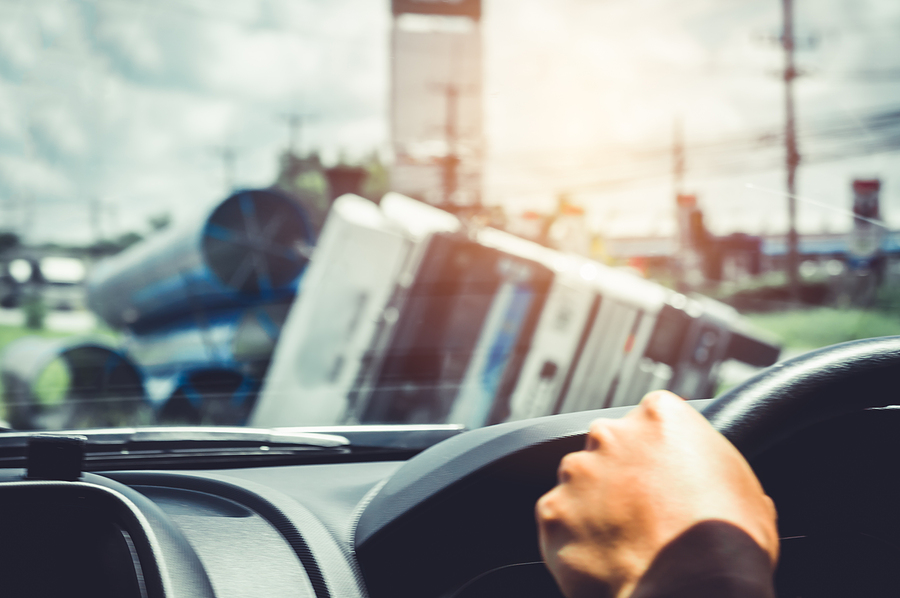
The moments immediately following an accident are often a blur of confusion, adrenaline, and stress. However, once the dust settles, the reality of medical bills, pain and suffering and vehicle repairs sets in. To recover the compensation you deserve, you must be able to prove that someone else was at fault.
Evidence is the bridge that connects the accident to your compensation. It transforms a “he said, she said” argument into a verifiable claim. In a “he said, she said” case, credibility is the major factor as there is a lack of other evidence.
This is particularly important in Indiana, which follows a modified comparative fault system. Under Indiana law (IC 34-51-2), if you are found to be more than 50% responsible for the accident, you are barred from recovering any damages. Solid evidence is the only way to ensure liability is assigned correctly so you aren’t unfairly blamed.
TL;DR & Key Takeaways:
If you have been injured in an accident, the success of your claim often comes down to one thing: evidence. Without proof, it is simply your word against theirs. Here are the core concepts you will learn in this guide:
- Photos and videos are non-negotiable: Visual and audio evidence freezes the scene in time before conditions change.
- Police reports carry weight: Insurance adjusters rely heavily on the responding officer’s initial assessment and any facts set forth in the report.
- Medical records link causation: You must prove the accident—not a pre-existing condition—caused your injury.
- Witnesses: Neutral third parties provide clarity when drivers have conflicting stories.
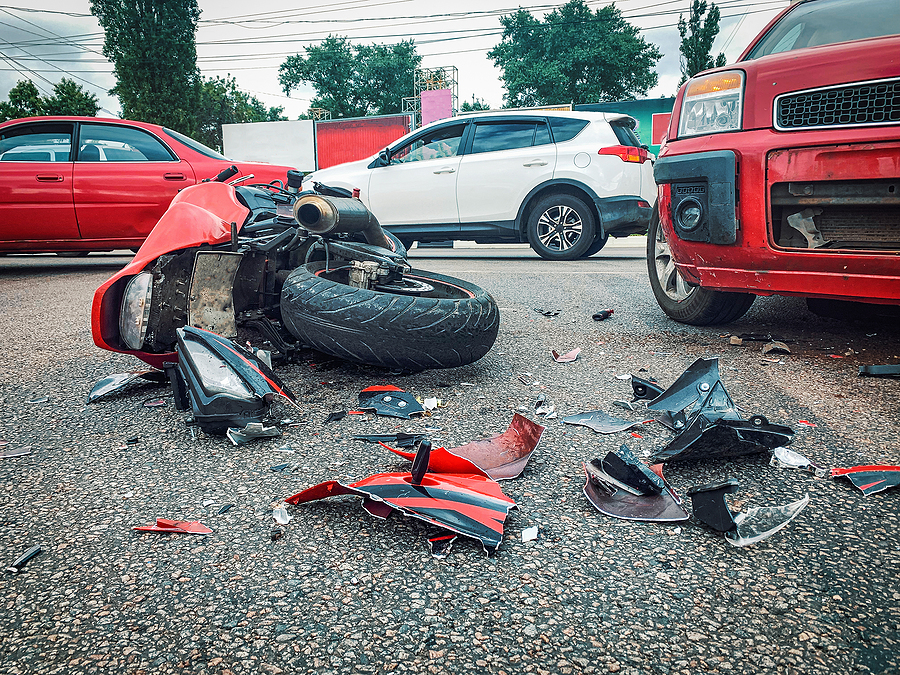
- Physical damage reveals physics: The metal and debris in the road and the damages to your vehicle tell the true story of speed and impact.
Table of Contents:
- Why Is Photographic and Video Evidence from the Scene So Critical?
- How Do Official Police Reports Influence Liability?
- Can Medical Records Prove the Extent of Your Damages?
- What Role Do Witness Statements Play in Your Recovery?
- How Does Physical Evidence Like Vehicle Damage Tell the Story?
- Frequently Asked Questions
- Quick Recap
- Free Indianapolis Case Evaluation
1. Photographic and Video Evidence
Photographic evidence provides an objective, time-stamped visual record of the accident scene that memories simply cannot match. Human memory is notoriously unreliable, especially after a traumatic event. Road conditions change, weather clears up, and vehicles are moved to the shoulder. Photos and videos taken immediately after the crash preserve the scene exactly as it was.
When documenting the scene, quantity and quality both matter. You should aim to capture wide-angle shots that show the positioning of all vehicles relative to the road, traffic signs, and stoplights. These shots help accident reconstruction experts understand the mechanics of the crash.
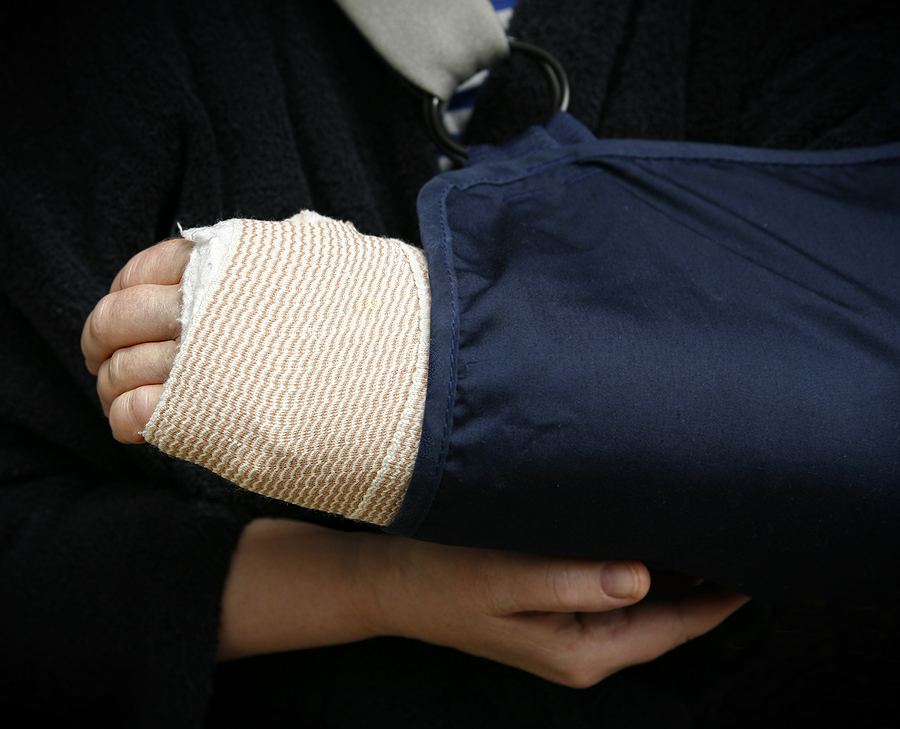
Don’t forget the details. Close-up photos of skid marks, shattered glass, and debris fields can indicate how fast a vehicle was traveling or where the point of impact occurred. Furthermore, photographing your own physical injuries—bruising, cuts, or swelling—immediately after the accident provides compelling proof of the physical toll the crash took on you.
Lastly, video and photographs of all persons and vehicles at the scene are extremely important.
2. Official Police Reports
Police reports serve as the authoritative, normally neutral account of the accident and are the first document insurance adjusters review to determine fault.
When law enforcement responds to a crash, they create an official record. In Indianapolis, officers from the IMPD will document the date, time, weather conditions, insurance and parties involved. Crucially, the officer may also issue citations for traffic violations or include a narrative of their opinion on who caused the crash as well as statements by involved persons.
While a police report is not the final verdict in a courtroom, it carries immense weight during settlement negotiations. If the report states the other driver ran a red light, the insurance company will find it difficult to argue otherwise, especially when there are facts and involved person statements supporting such a determination.
If you were involved in a crash in Indianapolis, you can generally obtain your report for a small fee (around $12). You can request this online via BuyCrash or in person at the Citizens’ Services Desk at 50 N. Alabama St. ensuring you have this document is a vital early step in documenting your case.
3. Medical Records
Yes, medical records create the necessary legal link between the accident and your injuries, proving that your pain is a direct result of the crash. In personal injury law, documentation is everything. If you claim to have a back injury but never visited a doctor, an insurance adjuster will argue that your injury isn’t serious—or that it didn’t happen during the accident at all.
Your medical records should detail your examination, diagnosis, your treatment plan, and your prognosis for recovery. This includes emergency room notes, X-rays, MRI results, and records from follow-up visits with specialists.
It is important to know your rights regarding these documents. Under HIPAA regulations (45 CFR 164.524), you have the right to access and obtain copies of your health information. Healthcare providers generally must provide these records within 30 days of your request. Securing these records promptly prevents delays in your claim process. Your attorney can obtain your medical records for you, but it is important for you to provide your attorney with a list of your medical providers.
4. Witness Statements
Witness statements act as a neutral tie-breaker when the drivers involved have conflicting versions of how the accident occurred. It is fairly common for two drivers to have completely different stories. One says the light was green; the other swears it was yellow. In these situations, an independent witness—someone with no relation to either driver—becomes the most valuable asset in your case.
A witness is considered credible because they have nothing to gain financially from the outcome of the case. Their only motivation is to tell the truth about what they saw.
If you are able to do so safely at the scene, approach bystanders or other drivers who stopped. Ask for their names and phone numbers. If you wait until later, they may leave the scene, and their perspective will be lost forever. Even a simple statement like, “I saw the blue car speeding,” can be enough to sway liability in your favor but you must obtain their contact data.
5. Physical Evidence Like Vehicle Damage
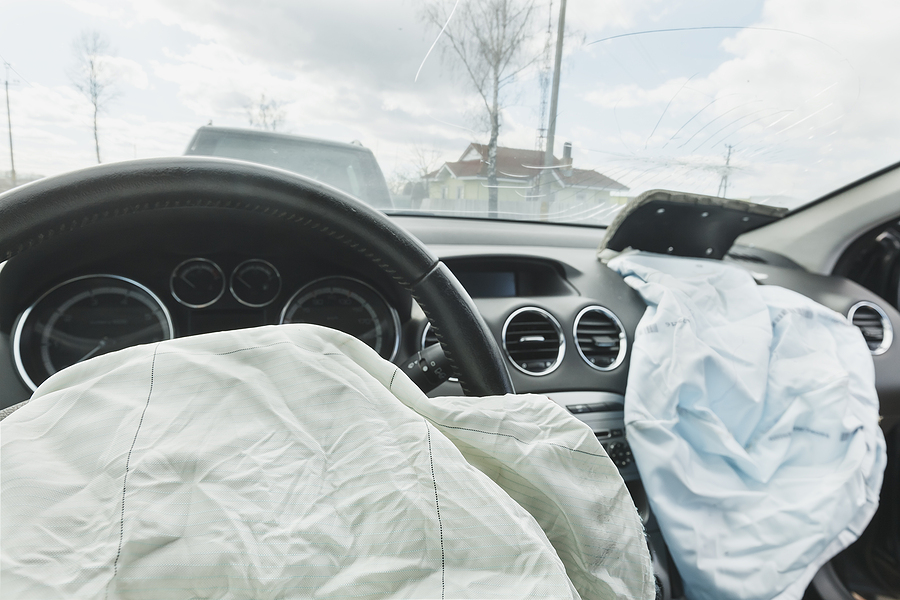
The physical damage to your vehicle reveals the physics of the crash, providing undeniable data about speed, angle of impact, and braking. Metal doesn’t lie. The way a car creates a “crumple zone” or where the paint transfer is located can prove exactly how a collision happened. For example, if a driver claims you merged into them, but the damage is squarely on your rear bumper, the physical evidence contradicts their story.
Modern vehicles also contain a powerful piece of evidence: the Event Data Recorder (EDR), often called the “black box.” Under federal regulation (49 CFR Part 563), these devices capture dynamic data just prior to a crash, such as vehicle speed, accelerator pedal position, and whether the brakes were applied.
Preserving this evidence is vital. In severe accidents, it is often necessary to store the vehicle in its damaged state until an expert can inspect it.
The Importance of Hiring a Lawyer
In addition to preserving evidence, it is crucial to hire a personal injury lawyer as soon as possible after an auto accident. While you may think that insurance will cover all damages and medical expenses, this is not always the case. Insurance companies often try to minimize their payout and may not offer enough to cover the full extent of your losses, especially if they know evidence has now disappeared.
Hiring a car accident attorney can help ensure that you receive fair compensation for your injuries, property damage, and other losses. They have experience obtaining the necessary evidence and negotiating with insurance companies and can advocate on your behalf to get the best possible outcome in your case.
Furthermore, a lawyer can also help navigate any legal complexities that may arise from a car accident. For example, if the at-fault driver is uninsured or underinsured, your lawyer can help you explore other options for compensation such as filing a claim through your own insurance policy or pursuing a lawsuit against the driver.
In addition to these practical benefits, retaining a lawyer can also provide emotional support and guidance during a difficult time. They can listen to your concerns and provide guidance on how to handle the aftermath of a car accident. This empathy and support can be crucial in helping you cope with any trauma or stress caused by the accident.
FAQs about Personal Injury Evidence
What if I didn’t take photos at the scene?
If you were unable to take photos because of your injuries, don’t panic. Your attorney can investigate other sources. This might include footage from traffic cameras, security cameras from nearby businesses, or dashcam footage from other drivers, as well as dashcam or body camera footage from investigating officers.
How does Indiana’s “51% Rule” affect my evidence?
Indiana follows a modified comparative fault rule. If evidence shows you are 51% or more at fault for the accident, you cannot recover any money. This makes evidence proving the other person or persons negligence absolutely vital to your financial recovery.
How long do I have to gather evidence?
You should gather evidence immediately. Physical evidence disappears, and memories fade. Furthermore, Indiana generally has a two-year statute of limitations for filing personal injury lawsuits. If you miss this deadline, you lose your right to sue.
Quick Recap: Documenting a Winning Case
To ensure you have the strongest possible claim, remember these five pillars of evidence:
- Photos/Video: Capture the scene, weather, persons and vehicles involved and injuries immediately.
- Police Reports: Obtain the official IMPD or state police report to establish a baseline of facts.
- Medical Records: Seek treatment immediately to recover from your injuries and create a paper trail of your injuries.
- Witness Info: Get contact details from neutral bystanders before they leave.
- Physical Evidence: Preserve your vehicle until it can be inspected.
CONCLUSION
Navigating a personal injury claim can feel overwhelming, especially when you are trying to recover from injuries. You don’t have to collect and analyze this evidence alone.
If you or a loved one has been injured in an accident, we can help you build the strong case you need to secure fair compensation. Contact us today for a free personal injury case evaluation in Indianapolis. Let us handle the evidence so you can focus on healing.
Related Post: Top 4 Pieces of Evidence That Will Help You Win Your Car Accident Claim