Indiana Truck Accident Laws: Protecting Your Rights on the Road

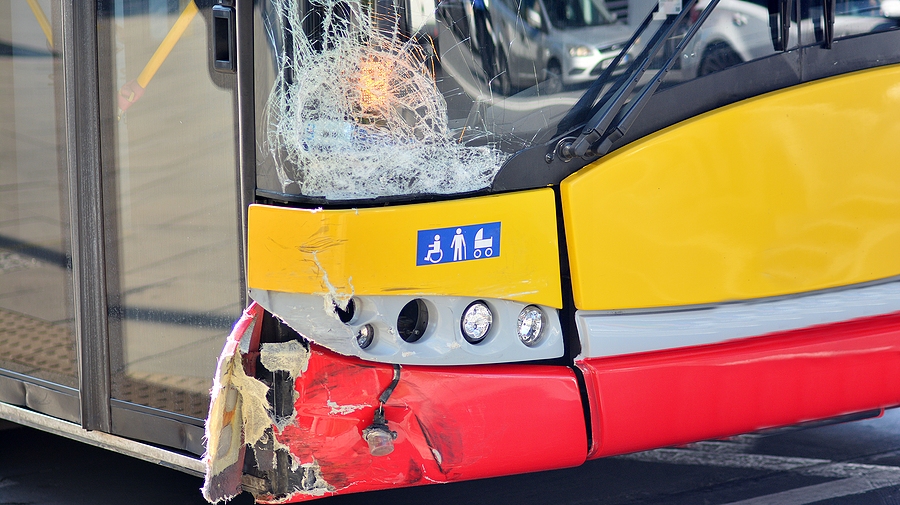
Thousands of commercial trucks traverse Indiana’s highways daily, from the bustling corridors of I-65 and I-70 to rural state roads. While these vehicles are essential for the economy, their sheer size and weight make them incredibly dangerous in the event of a collision. When a passenger vehicle and a semi-truck collide, the results are often catastrophic, leaving victims with severe injuries, mounting medical bills, and a confusing legal landscape to navigate.

Recovering from such a traumatic event is difficult enough without the added stress of legal uncertainty. Unlike a standard car crash, accidents involving commercial trucks trigger a complex web of state and federal regulations. Evidence disappears quickly, trucking companies deploy rapid response teams to limit their liability, and insurance policies often involve millions of dollars, raising the stakes significantly for everyone involved.

Understanding your rights under Indiana law is the first step toward securing the compensation you need to rebuild your life. Whether you are dealing with a distracted driver, a fatigued operator, or a trucking company that cut corners on maintenance, specific statutes protect you. This guide explores the essential legal frameworks governing truck accidents in the Hoosier State and outlines the critical steps necessary to protect your future.

Call 317-881-2700 to Speak With an Indiana Truck Accident Lawyer

Understanding Indiana Truck Accident Laws

Truck accident claims in Indiana are governed by a combination of state negligence laws and federal safety regulations. Understanding how these rules interact is vital for establishing who is at fault and proving your right to compensation.

Negligence and the “Modified Comparative Fault” Rule

Indiana operates under a modified comparative fault system (Indiana Code § 34-51-2). This rule fundamentally changes how damages are awarded compared to other states. Under this system, you can recover compensation as long as you are not more than 50% at fault for the accident.

If a jury determines you are 51% or more responsible for the crash, you are barred from recovering any damages. Furthermore, if you are found to be partially at fault (but 50% or less), your compensation is reduced by your percentage of fault. For example, if your damages total $100,000 but you are found 20% at fault, you would receive $80,000.

Federal Regulations and “Negligence Per Se”

While state law determines liability, federal rules often set the standard of care. The Federal Motor Carrier Safety Administration (FMCSA) enforces strict rules (49 CFR Parts 300-399) that truck drivers and companies must follow. Violating these rules can sometimes constitute “negligence per se,” meaning the violation itself is proof of negligence.

Common regulations include:

  • Hours of Service (HOS): To prevent fatigue, drivers are generally limited to driving 11 hours within a 14-hour window after 10 consecutive hours off duty.
  • Maintenance and Inspection: Trucks must undergo rigorous maintenance and pre-trip inspections. Failure to maintain brakes, tires, or lights is a frequent cause of liability.
  • Weight Limits: Overloaded trucks are harder to stop and more prone to rollovers.

Statute of Limitations

Time is a critical factor in any legal claim. In Indiana, the statute of limitations for personal injury claims is generally two years from the date of the accident (Indiana Code § 34-11-2-4). If you fail to file a lawsuit within this window, you will likely lose your right to seek compensation forever. Note that claims against government entities (like if a city-owned truck hit you) often have much shorter notice deadlines, sometimes as short as 180 days.

Get Legal Help With Your Truck Accident Claim Now

Determining Liability in Truck Accidents

In a typical car wreck, you usually sue the other driver. In a truck accident, the list of potentially liable parties is much longer. Indiana law recognizes the doctrine of respondeat superior, which often holds an employer liable for the negligent acts of an employee performed within the scope of their employment.

Potential defendants often include:

  • The Truck Driver: For errors like speeding, distracted driving, or driving under the influence.
  • The Trucking Company: For negligent hiring practices (like hiring a driver with a suspended license), failing to train drivers, or pushing drivers to violate hours-of-service rules.
  • Cargo Loaders: If shifting cargo caused the truck to jackknife or rollover, the company responsible for loading the trailer might be liable.
  • Vehicle Manufacturers of Repair Facility: If a defective part, such as a blown tire or failing brakes, caused the crash.

Steps to Take After a Truck Accident

The moments immediately following a collision are chaotic, but the actions you take can significantly impact your legal case.

  1. Stop and Remain at the Scene: Indiana Code § 9-26-1-1.1 requires drivers involved in an accident resulting in injury, death, or entrapment to stop immediately, provide reasonable assistance, and notify law enforcement.
  2. Seek Medical Attention: Your health is the priority. Even if you feel fairly fine, adrenaline can mask injuries. A medical record linking your injuries to the crash is essential evidence.
  3. Gather Evidence: If you are physically able, take photos or videos of the vehicles, skid marks, road conditions, and any visible injuries. Collect names and contact info from witnesses.
  4. Report the Accident: Ensure a police report is filed. You can obtain a copy of this report later (typically via the “BuyCrash” system mentioned by the Indiana State Police) as it serves as an unbiased account of the incident.
  5. Contact an Attorney Immediately: Immediate requests to preserve evidence are vital in these cases.  For example, if a semi-truck is hauling a heavy load and some of the load falls off on the highway and strikes a vehicle, it is vital to inspect how the load was “secured” and by who prior to the remaining cargo being unloaded, which usually happens quite quickly after the semi-truck and trailer are towed back to the owner’s property or to a tow yard. The evidence could show the shipper was negligent in how they secured the load prior to the truck driver picking up the load. Contact Craven, Hoover & Blazek, P.C. to book a free case review as soon as possible after the collision.

Types of Personal Injury Compensation Available

Victims of truck accidents in Indiana are entitled to “damages” to make them whole again. These generally fall into two categories: economic and non-economic damages.

  • Medical Expenses: Includes current bills (ambulance, ER, surgery) and future costs for rehabilitation or long-term care.
  • Lost Wages: Reimbursement for income lost while recovering. If you cannot return to your previous job, you may claim “loss of earning capacity.”
  • Property Damage: The cost to repair or replace your vehicle and any personal items inside.
  • Pain and Suffering: Compensation for physical pain, emotional distress, and loss of enjoyment of life.
  • Wrongful Death: If a loved one was killed, surviving family members might recover damages for funeral costs, lost financial support, and loss of love and companionship.

The Role of a Truck Accident Attorney

Truck accident cases are not DIY projects. Trucking companies have aggressive legal teams and insurance policies often worth millions. An experienced Indiana truck accident attorney levels the playing field by:

  • Sending a Spoliation Letter: This critical document prevents the trucking company from destroying vital evidence like the truck’s “black box” (ECM) data, driver logs, the semi and trailer and maintenance records.
  • Consulting Experts: Attorneys work with accident reconstructionists to prove how the crash happened and medical experts to calculate the true cost of your injuries and damages.
  • Handling Negotiations: Your lawyer manages all communication with insurers, protecting you from tactics designed to devalue your claim.
  • Handling Litigation:  Your lawyer will handle all litigation matters, if necessary, freeing you up to concentrate on recovering from your injuries and taking care of your family.

Frequently Asked Questions

Can I sue the trucking company if the driver was an independent contractor?

It depends. While independent contractors generally bear their own liability, federal regulations often view the trucking company as the “statutory employer” to prevent companies from avoiding responsibility. An attorney can help determine if the company can still be held liable.

How long does a truck accident settlement take?

Timeline varies significantly based on the complexity of the case and the severity of injuries. Some settle in months; others involving severe disputes over liability or damages may take a year or two or require a trial.  You never want to settle our case prior to knowing if you have sustained permanent injuries or not.

IN SUMMARY

Navigating the aftermath of a commercial truck accident is overwhelming, but you do not have to face it alone. Indiana laws provide a pathway to justice, ensuring that negligent drivers, trucking companies and their insurance carriers are held accountable for the harm they cause. By acting quickly and securing professional legal representation, you protect your right to the financial resources needed for your recovery and for your pain and suffering.

If you or a loved one has been injured in a collision with a semi-truck, don’t leave your future to chance. Contact an experienced truck accident lawyer in Indianapolis today for a free personal injury case evaluation.

Place Your Call Now

Related Post: Injured in a Crash? How an Indiana Auto Accident Attorney Can Protect You

Indiana Slip and Fall Accident: Hiring a Premises Liability Attorney

You’re walking through a grocery store, a parking lot, or an apartment complex, and in a split second, your world turns upside down. A slip and fall accident happens unexpectedly, but the pain, medical bills, and lost wages that follow are often long-lasting. While it might seem like “just an accident,” these incidents are frequently the result of negligence—a failure by a property owner, property managers and/or tenants to keep their premises safe.

Indiana law provides a path for victims to seek justice but navigating the legal system while recovering from an injury is a heavy burden. Understanding your rights under Indiana’s premises liability laws is the first step toward recovery. Whether you slipped on an icy sidewalk in Indianapolis or tripped over uneven flooring in a retail store, knowing when and how to hire a premises liability attorney can make the difference between absorbing the costs yourself and receiving the compensation you deserve.

Call 317-881-2700 to Speak With an Indiana Slip and Fall Attorney

Understanding Premises Liability in Indiana

Premises liability is the legal concept that holds property owners and occupiers responsible for injuries that occur on their property due to unsafe conditions. In Indiana, the duty a property owner or other responsible party owes to you depends largely on why you were on the property.

Invitees, Licensees, and Trespassers

Indiana law categorizes visitors into three main groups; each owed a different level of care:

  1. Invitees: These are individuals invited onto the property for business purposes, such as customers in a store. Property owners owe the highest duty of care to invitees, meaning they must regularly inspect for hazards and fix them or warn visitors about them.
  2. Licensees: Owners must warn licensees of known hidden dangers but generally don’t have a duty to inspect the property for unknown hazards.
  3. Trespassers: Generally, owners owe no duty to trespassers other than to refrain from willfully or wantonly injuring them.

Comparative Fault

Indiana follows a “modified comparative fault” system (Indiana Code § 34-51-2-6). This means you can still recover damages even if you were partially to blame for the fall, provided your fault does not exceed 50%. However, if you are found to be 51% or more at fault, you are barred from recovering any compensation. If you are 50% or less at fault, your compensation will be reduced by your percentage of fault.

Common Causes of Slip and Fall Accidents

Slip and fall accidents can happen anywhere, but they often stem from specific hazardous conditions that should have been addressed.

Wet and Slippery Surfaces

Spills in supermarkets, freshly mopped floors without warning signs, or tracked-in rain and snow are frequent culprits. In Indiana winters, ice and snow on sidewalks and parking lots are major hazards. While property owners have a reasonable amount of time to clear snow, neglecting this duty can lead to liability.

Uneven Flooring and Walkways

Cracked sidewalks, potholes in parking lots, loose carpeting, or uneven transitions between types of flooring can easily cause a trip. Poor lighting in stairwells or hallways often exacerbates these dangers, making it difficult for visitors to see the hazard before it’s too late.

Structural Defects

Broken handrails, loose stairs, and rotting floorboards are serious structural failures. Property owners are expected to maintain their buildings to code and repair these issues promptly to prevent falls and injuries.

Book a Free Review with an Indiana Slip & Fall Lawyer Now

Steps to Take After a Slip and Fall Accident

The moments immediately following a fall are chaotic, but the actions you take can significantly impact your potential legal claim.

  1. Seek Medical Attention: Your health is the priority. Even if you feel fairly fine, adrenaline can mask injuries. See a doctor immediately to document your injuries and get the treatment you need.
  2. Report the Accident: Notify the property owner or manager right away. If it happened in a store, ensure an incident report is filed and ask for a copy.
  3. Document the Scene: Take photos or video of exactly where you fell and what caused it (ice, spill, crack). Conditions can change quickly—ice melts, and spills get cleaned up after someone gets injured.
  4. Request Surveillance Video Retention:  Ask management to retain all video of the area of your fall from 2 hours before your fall until 1 hour after your fall.  This evidence is crucial in determining how the danger appeared, what caused you to fall, how and why you fell and what was done in the area following your fall.
  5. Gather Witness Info: If anyone saw you fall, get their names and phone numbers. Their testimony can be crucial.
  6. Preserve Evidence: Keep the shoes and clothing you were wearing. Do not wash them, as they may contain residue from the substance you slipped on.
  7. Consult with a Lawyer: If you have been injured from a slip, trip, or fall accident, it is important to consult with a slip and fall lawyer as soon as possible. They can help guide you through the process of obtaining evidence, filing a claim and seeking compensation for your injuries and any other damages.

The Role of a Premises Liability Attorney

Hiring a premises liability attorney levels the playing field against insurance companies who are trained to minimize payouts.

Investigating the Claim

An attorney will conduct a thorough investigation, which may include obtaining surveillance footage, interviewing witnesses, and consulting with safety experts to prove the property owner or other responsible party was negligent.

Establishing Negligence

To win a case, your attorney must prove that the property owner or other responsible party knew, or should have known, about the dangerous condition and failed to fix it. This is often the most challenging part of a claim, requiring legal expertise to navigate the “open and obvious” defense often used by property owners.

Negotiating with Insurance Companies

Insurance adjusters often try to shift the blame to the victim or offer lowball settlements. An experienced attorney knows these insurance company tactics and handles all communication, fighting for a settlement that fully covers your losses.

How to Choose the Right Attorney for Your Case

Not all personal injury lawyers have the specific experience needed for slip and fall cases. When selecting an attorney, look for:

  • Experience in Premises Liability: Ask specifically about their track record with slip and fall cases in Indiana.
  • Local Knowledge: An attorney familiar with local Indianapolis courts and Indiana state laws will have a strategic advantage.
  • Trial Experience: While many cases settle, you need an attorney willing and able to go to trial if the insurance company refuses a full and fair offer.
  • Communication Style: Choose someone who listens to you and explains the legal process in plain English, not legal jargon.

Compensation Available in Slip and Fall Cases

A successful claim can provide compensation for both economic and non-economic damages.

  • Medical Expenses: Covers past and future medical bills, including surgeries, physical therapy, and medication.
  • Lost Wages: Reimburses you for income lost while recovering. If you can no longer work at the same capacity, you may also claim loss of earning potential.
  • Pain and Suffering: Compensates for the physical pain and emotional distress caused by the accident.
  • Permanent Disability: If the fall results in long-term impairment, additional compensation may be awarded for the impact on your quality of life.

Statute of Limitations for Filing a Claim in Indiana

Time is critical in legal matters. In Indiana, the general statute of limitations for filing a personal injury lawsuit, including slip and fall claims, is two years from the date of the accident (Indiana Code § 34-11-2-4). If you fail to file a lawsuit within this window, you will likely lose your right to seek compensation forever.

Special Deadlines for Government Claims

If your fall happened on government property—like a city sidewalk, a public school, or a government building—the timeline is much shorter. Under the Indiana Tort Claims Act, you must file a formal “Tort Claim Notice” typically within 180 days for claims against political subdivisions (like cities and counties) or 270 days for claims against the state. Missing this early notice deadline can bar your claim completely, even if the two-year lawsuit window hasn’t closed.

TAKE THE NEXT STEP TOWARD JUSTICE

Recovering from a slip and fall is about more than just healing physical wounds; it’s about securing your financial future and holding negligent parties accountable. Don’t let the complexity of Indiana’s legal system prevent you from getting the help you need.

If you or a loved one has been injured in a slip and fall accident, don’t wait until the evidence disappears or deadlines pass. Contact Us Today to schedule a free initial consultation with an experienced premises liability attorney in Indianapolis. We are ready to listen to your story and fight for your rights.

Call for a No-Fee Consultation Now

Related Post: Slip & Fall at an Indy Big Box Store? Here’s What’s Next

Orthopedic Injury Lawsuits in Indiana: What You Need to Know

Orthopedic injuries are more than just broken bones or strained muscles; they disrupt your life. From simple daily tasks like walking the dog to professional responsibilities, an injury to your musculoskeletal system can bring everything to a halt. When that injury happens because someone else was careless, the frustration is compounded by a sense of injustice.

In Indiana, the law provides a pathway for victims of negligence to seek compensation for a broken bone injury. While no amount of money can undo physical trauma, a successful personal injury claim can alleviate the financial burden of medical bills and lost time at work, allowing you to focus on what matters most: your recovery. Understanding the legal landscape of negligence and orthopedic injuries is the first step toward reclaiming control of your situation.

Call 317-881-2700 to Get Legal Help With an Orthopedic Injury Lawsuit in Indiana

Understanding Negligence in Indiana Personal Injury Cases

“Negligence” is a legal term that forms the backbone of most personal injury lawsuits. It isn’t just about an accident happening; it’s about an accident happening because someone failed to act responsibly. In the context of Indiana law, establishing negligence requires proving four specific elements.

First, you must show a duty of care. This means the other party had a legal obligation to act reasonably to prevent harm. For example, a driver has a duty to follow traffic laws, doctors and other medical care providers must follow recognized standards and a property owner has a duty to keep their premises relatively safe for visitors.

Second, there must be a breach of that duty. This occurs when the person’s actions (or lack of action) fall below the expected standard of care. Running a red light or ignoring a spill in a grocery store aisle are classic examples of a breach.

Third, you must prove causation. You have to draw a direct line between the breach of duty and your injury. It’s not enough that the other person was careless; their carelessness must be at least one of the reasons you were hurt.

Finally, there must be damages. You must have suffered actual harm—whether physical, emotional, or financial—that the court can compensate.

Common Orthopedic Injuries Caused by Negligence

Orthopedic injuries affect the musculoskeletal system—bones, joints, ligaments, tendons, and muscles. These injuries often require specialized medical attention, surgery, and lengthy physical therapy. Some of the most common injuries seen in Indiana personal injury cases include:

Fractures and Breaks

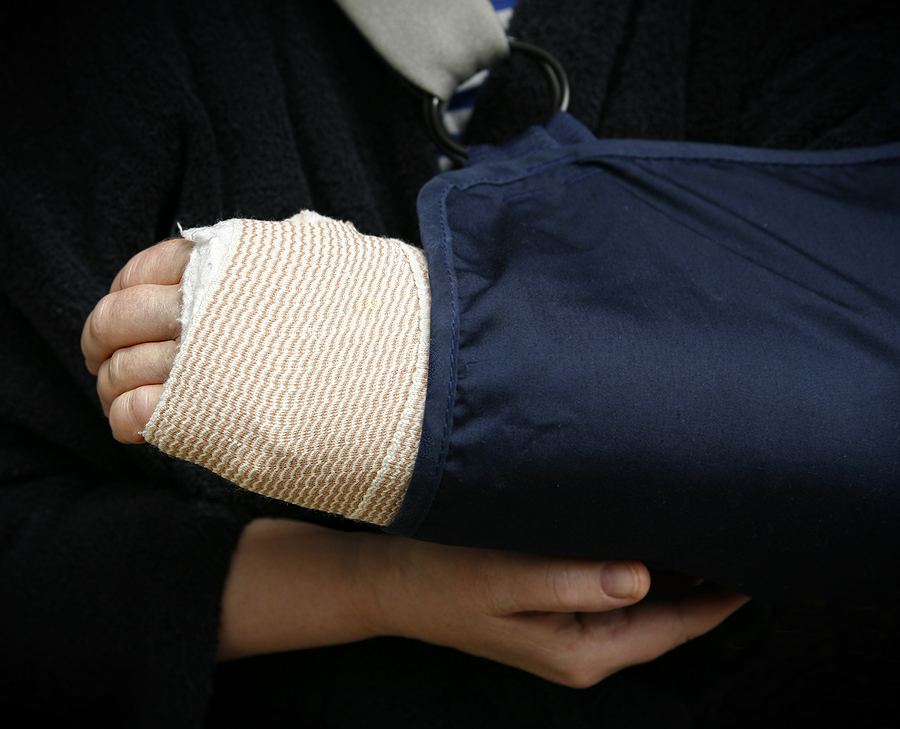
Broken bones are frequent outcomes of car accidents and slip-and-falls. While a simple fracture might heal in a cast over six weeks, compound or comminuted fractures often require surgical intervention, utilizing pins, plates, or screws to stabilize the bone. These severe breaks can lead to chronic pain or arthritis later in life.

Ligament Tears (ACL, MCL, PCL)

Ligament tears frequently occur in trip-and-fall incidents or car crashes where the knee is twisted or struck violently. An ACL tear, for instance, destabilizes the knee and usually requires surgical reconstruction followed by months of rehabilitation to regain full range of motion.

Rotator Cuff Injuries

The shoulder is a complex joint, and the group of muscles and tendons known as the rotator cuff is susceptible to injury during trauma. A tear here can severely limit your ability to lift your arm or perform basic tasks, often necessitating surgery and extensive therapy.

Herniated Discs and Spinal Injuries

The impact of a collision can cause the rubbery cushions (discs) between your vertebrae to slip, herniate or rupture. This can press on nerves, causing debilitating pain, numbness, or weakness in the limbs. These injuries are notoriously difficult to treat and can result in permanent changes to a person’s quality of life.

Book a Free Personal Injury Case Review Now

Establishing Liability: Proving Fault

Proving that another party is liable for your orthopedic injury is rarely straightforward. Insurance companies often attempt to downplay the severity of the injury or argue that the victim was partially at fault. This is where evidence becomes crucial.

To document a strong case in Indiana, you need comprehensive documentation. This includes:

  1. Medical Records: These help to link your injury directly to the accident. Immediate medical attention is vital not just for health, but for documenting when, where and how your injury occurred and what the injury is.
  2. Scene Evidence: Photos or videos of the accident scene, surveillance footage, and police reports help reconstruct the event.
  3. Witness Statements: Independent accounts of what happened can corroborate your version of events.
  4. Expert Testimony: In complex cases, orthopedic surgeons or accident reconstruction specialists may be needed to explain the mechanics of the injury or the accident to a jury.  In almost all cases, a doctor must testify as to the injuries sustained.

Indiana follows a modified comparative fault system. This means you can still recover damages even if you were partially to blame for the accident, provided your fault is not greater than 50%. However, your compensation will be reduced by your percentage of fault. If you are found to be 51% or more at fault, you are barred from recovering any damages.

Types of Compensation Available

The goal of a personal injury claim is to make the victim “whole” again, at least financially and to fully and fairly compensate the victim for what they have gone through and what they will go through in the future. In Indiana, compensation typically falls into two categories: economic and non-economic damages.

Economic damages cover quantifiable financial losses. This includes:

  1. Medical Expenses: Current bills for emergency room visits, surgery, and hospitalization, as well as estimated future costs for physical therapy and medication and other medical care.
  2. Lost Wages: Reimbursement for the income you lost while recovering.
  3. Loss of Earning Capacity: If your orthopedic injury results in a permanent disability that prevents you from returning to your previous job, you can seek compensation for the difference in your future earning potential and lost time.

Non-economic damages are more subjective and compensate for the intangible impact of the injury. This includes:

  • Pain and Suffering: Compensation for the physical pain and emotional distress caused by the injury.
  • Loss of Enjoyment of Life: If you can no longer participate in hobbies or activities you once loved, such as running, bowling or playing with your children.
  • Mental Anguish: Damages for anxiety, depression, or PTSD resulting from the trauma.

The Legal Process: What to Expect

Filing a lawsuit might seem daunting, but understanding the roadmap can ease anxiety. The process generally begins with a consultation with an orthopedic injury attorney who evaluates the merits of your case. If you proceed, your attorney will file a complaint with the court, officially starting the lawsuit.  Lawsuits are only filed if the case does not settle for a mutually agreed upon reasonable figure.

Next comes the discovery phase, where both sides exchange information, take depositions, and gather evidence. Many orthopedic injury cases are settled during this phase through negotiation or mediation, avoiding the need for a trial. Settlements provide a guaranteed payout and avoid the unpredictability of a jury.

However, if a full and fair agreement cannot be reached, the case goes to trial. Here, both sides present their arguments, and a judge or jury determines liability and the amount of compensation. It is important to note that Indiana has a statute of limitations—generally two years from the date of the accident—to file a personal injury lawsuit. Missing this deadline usually means forfeiting your right to sue.

CONCLUSION

Suffering an orthopedic injury due to someone else’s negligence is a physical and emotional trial. The road to recovery can be long, filled with doctor’s appointments, rehabilitation, and financial stress. However, you do not have to navigate this path alone. The law provides mechanisms to ensure that the burden of medical costs and lost income falls on the responsible party and their insurance carrier, not the victim.

If you or a loved one has suffered an orthopedic injury in Indianapolis due to negligence, understanding your rights is the most powerful tool you have. Don’t let medical bills pile up while you wonder about your options.

Contact our office today for a free personal injury case evaluation. Let us review the details of your accident and help you determine the best course of action to secure the compensation you deserve.

Call Now to Get Started

Related Post: Understanding Your Legal Options After an Orthopedic Injury

Injured in a Crash? How an Indiana Auto Accident Attorney Can Protect You

The screech of tires, the shattering of glass, and the sudden jolt of impact can change your life in an instant. In the chaotic moments following a car accident, your primary focus is naturally on your immediate safety and health. But as the adrenaline fades and the reality of medical bills, vehicle repairs, pain and lack of sleep, and lost wages sets in, the path forward often becomes overwhelming. Navigating the aftermath of a collision is rarely straightforward, especially when insurance companies and complex state laws are involved.

For many Hoosiers, the decision to hire legal representation isn’t just about seeking compensation; it’s about reclaiming stability. An auto accident attorney serves as more than just a legal representative—they are a shield against aggressive adjusters and a guide through a maze of paperwork and deadlines. They understand that behind every case file is a person whose life has been disrupted, and they work to ensure that someone else’s negligence doesn’t dictate your future financial security.

While it might be tempting to handle a claim on your own to try save money, the intricacies of Indiana’s legal system can easily trip up even the most diligent individuals and having an attorney helps to ensure you receive a full and fair settlement. From understanding fault percentages to meeting strict filing deadlines, the margin for error is slim.

This guide explores exactly how a skilled attorney can advocate for your rights, manage the legal burdens, and help you secure the recovery you deserve.

Call 317-881-2700 to Speak With an Indianapolis Auto Accident Attorney for Free

Understanding Indiana’s Traffic Laws and Liability

One of the first hurdles in any accident claim is determining who is legally responsible. Indiana operates under a “fault” system for car accidents, meaning the person who caused the accident is responsible for paying for the damages although in nearly all cases, it is the at-fault persons’ insurance carrier or even your own uninsured or underinsured motorists carrier that actually pays any settlement or judgment on their behalf. Proving fault isn’t always black and white and Indiana’s specific statutes play a major role in how much compensation you can recover.

The Modified Comparative Fault Rule

Indiana follows a modified comparative fault system, specifically the “51% rule” outlined in Indiana Code § 34-51-2-6. This statute fundamentally changes how damages are awarded compared to other states. Under this rule, you can still recover damages if you were partially at fault for the accident—but only if your share of the blame is not greater than 50%.

If a jury finds you are 51% or more at fault, you are barred from recovering any damages at all. Furthermore, if you are found to be partially at fault (50% or less), your compensation is reduced by your percentage of fault. For example, if your total damages are $100,000 but you are found to be 20% at fault for speeding, your payout would be reduced to $80,000. A lawyer’s primary job is to minimize your liability while still recognizing the facts of the case to ensure you receive the maximum possible compensation.

Minimum Insurance Requirements

Every driver on Indiana roadways is required to maintain minimum liability insurance. According to the Indiana Bureau of Motor Vehicles, the minimum coverage limits (often referred to as 25/50/25) are:

  • $25,000 for bodily injury to or death of one person.
  • $50,000 for bodily injury to or death of two or more people in any one accident.
  • $25,000 for property damage in any one accident.

Unfortunately, these minimums are often insufficient to cover serious injuries. An attorney can help identify other potential sources of coverage, such as your own uninsured/underinsured motorist policy, to bridge the gap.  Moreover, because Indiana only requires the minimal limited coverage amounts and many people go without auto insurance, it is vitally important that you protect yourself and others in your vehicle by purchasing uninsured and underinsured motorists coverage.

The Statute of Limitations

Time is a critical factor in personal injury cases. Under Indiana Code § 34-11-2-4, you generally have two years from the date of the accident to file a lawsuit for personal injury or property damage. If you miss this deadline, the court will almost certainly dismiss your case, and you will lose your right to seek compensation forever.

While two years may seem like a long time, documenting a case can take months of investigation, making it vital to start the process early.  Moreover, evidence can disappear if not obtained quickly so hiring your own attorney it extremely important.

Speak With an Experienced Car Accident Lawyer Today

Common Types of Injuries from Car Accidents

Car accidents generate immense physical forces that the human body simply isn’t built to withstand. Injuries can range from minor bruises to life-altering conditions that require long-term care.

  1. Soft Tissue Injuries: Whiplash is incredibly common, particularly in rear-end collisions. While it may not show up on an X-ray, the damage to muscles and ligaments can cause chronic pain and limited mobility.
  2. Traumatic Brain Injuries (TBI): Concussions and more severe brain injuries can occur even without direct impact to the head, caused simply by the violent shaking of the brain within the skull. These injuries can have subtle or severe, lasting effects on cognitive function and mood.
  3. Bone Fractures: The impact of a crash can easily break ribs, arms, legs, and even the pelvis. These injuries often require surgery and extensive physical therapy.
  4. Internal Injuries: Damage to internal organs can be life-threatening and may not be immediately apparent. Internal bleeding requires urgent medical attention and can lead to significant complications.

An experienced Indiana auto accident attorney works with medical experts to document not just your current injuries, but also the future medical needs and pain you are likely to endure.

How an Attorney Helps Gather Evidence and Document a Case

A successful claim relies on evidence, not just your word against the other drivers in most cases. Attorneys act as investigators, securing critical proof that might otherwise be lost or overlooked.

Securing the Accident Report

Police reports are foundational pieces of evidence. In Indiana, drivers involved in an accident resulting in injury, death, or property damage must report it. An attorney will obtain this official record to see how the responding officer assessed the scene and who they cited for traffic violations, if anyone.

Collecting Digital and Physical Evidence

Modern vehicles and roadways generate a wealth of data. Your lawyer can issue subpoenas to obtain cell phone records (to prove distracted driving), security camera footage from nearby businesses, or “black box” data from the vehicles involved. They also gather medical records, employment history to prove lost wages, and witness statements to construct a comprehensive timeline of events. They will also obtain, if necessary, body or dash camera footage from the investigating officer and 911 calls.

Negotiating with Insurance Companies

Insurance adjusters are trained negotiators whose primary goal is to protect the company’s bottom line. They often use tactics designed to devalue your claim, such as offering a quick, lowball settlement before you fully understand the extent of your injuries or trying to get you to admit something on a recorded line that can arguably be used against you.

Having an attorney will level the playing field. Your lawyer handles all communication with the insurance carriers, ensuring you don’t inadvertently say something that might arguably hurt your case. They present the evidence gathered to demand a fair settlement that covers:

  • Economic Damages: Medical bills, lost wages, and property damage.
  • Non-Economic Damages: Pain and suffering, mental anguish, and loss of enjoyment of life.

If the insurance company refuses to offer a full and fair amount, your attorney’s readiness to go to trial becomes a powerful bargaining chip.

Filing a Lawsuit and Going to Trial

While most personal injury cases are settled out of court, some must proceed to litigation to achieve a just result. Filing a lawsuit formally begins the court process. This involves “discovery,” where both sides exchange evidence and take depositions (sworn testimony).

If the case goes to trial, your attorney will present your version of the case to a judge or jury. They will call on expert witnesses—such as accident reconstructionists or medical specialists—to explain the technical aspects of the crash and your injuries. This stage requires a deep understanding of Indiana’s courtroom procedures and rules of evidence, highlighting the importance of having a seasoned litigator by your side.

Choosing the Right Attorney for Your Case

Not all lawyers are created equal. When selecting an attorney to handle your auto accident claim, look for someone with specific experience in personal injury law in Indiana. You want a partner who is transparent about their fee structure (most work on a contingency fee basis, meaning they only get paid if you win) and who communicates clearly.  All attorneys at Craven, Hoover & Blazek, P.C. have decades of experience with personal injury and wrongful death cases.

Ask potential attorneys about their track record with cases similar to yours. Do they have experience with the specific type of accident you were in? Are they willing to take a case to trial if necessary? A trustworthy attorney will offer a realistic assessment of your case and guide you with empathy and professionalism.

RECAP

The aftermath of a car accident is a journey, often a difficult one, but you do not have to walk it alone. The legal system is designed to provide recourse for those who have been wronged, but accessing that justice requires knowledge, resources, and persistence. By partnering with a dedicated auto accident attorney, you shift the burden of the legal battle off your shoulders, allowing you to focus on what truly matters: your physical and emotional recovery.

Don’t let the complexity of Indiana’s comparative fault laws or the tactics of insurance companies prevent you from securing the support you need. Take the first step toward protecting your rights and your financial future today.

If you or a loved one has been injured in a car accident, don’t wait. Contact our Indianapolis team today to Book a Free Case Evaluation. We are ready to listen to your story and fight for the compensation you deserve.

Place a Free Call Now

Related Post: What to Do After Serious Auto Accident Injuries in Indiana

Handling Insurance Adjusters in Indiana: A Survivor’s Guide

The days following an accident are often a blur. Between scheduling medical appointments, arranging vehicle repairs, and managing the physical pain of your injuries, your phone rings. It’s an insurance adjuster. They sound friendly, concerned, and eager to “help you close your file quickly.”

It is natural to want to cooperate. You just want this ordeal to be over. However, handling this conversation incorrectly can have devastating financial consequences. While the adjuster may seem sympathetic, their professional objective is very different from yours.

Understanding how to navigate these conversations is critical for protecting your rights and your future. Here is what every Hoosier needs to know about dealing with insurance adjusters after an accident.

Call 317-881-2700 to Speak With Our Insurance Accident Claim Lawyers in Indianapolis Indiana

Understanding the Insurance Adjuster’s Role

To navigate the claims process, you first need to understand who you are talking to. An insurance adjuster’s primary job is to investigate insurance claims to determine the extent of the insurance company’s liability.

In simpler terms, they are looking for reasons to pay you less.

Insurance companies are businesses. Like any business, they aim to maximize profits and minimize expenses. Unfortunately, in the context of an injury claim, you are the expense. Adjusters are trained to identify information that can devalue your claim. They might look for pre-existing medical conditions, alleged inconsistencies in your story, or statements that that they can use to suggest you were partially to blame for the incident.

This doesn’t mean adjusters are villains. They are professionals doing a job. But knowing that their loyalty lies with the insurance provider—not with you—should change how you approach every interaction with them.

Get an Attorney or At Least Speak with One

The best thing to do after your injury is to speak with a personal injury attorney right away so you can know your rights.  Here at Craven, Hoover & Blazek, P.C., an attorney will speak with you free of charge to obtain the facts surrounding your possible case and determine whether or not an attorney is necessary given the facts of the case.

You are generally not legally obligated to provide a recorded statement to the other driver’s insurance company. These statements are often used to cross-reference your story later to find minor inconsistencies. If your memory of the event changes slightly months later—which is common with trauma—they may use the recording to attack your credibility.

If you must give a statement to your own insurance company (which is often a requirement of your policy), keep your answers brief, factual, and direct. Do not volunteer extra information.  DO NOT give a statement for anyone without consulting with an attorney first. 

Get a Free Case Review in Indianapolis

Navigating Indiana Codes, dealing with aggressive adjusters, and calculating fair compensation for long-term injuries is a heavy burden to carry alone. This is where professional legal counsel becomes indispensable.

An experienced personal injury attorney acts as a shield between you and the insurance company. Once you have representation, adjusters are generally required to direct all communication through your lawyer. This prevents you from accidentally saying something that could arguably damage your case.

The Clock Is Ticking

It is also vital to remember the Statute of Limitations. According to Indiana Code § 34-11-2-4, you generally have exactly two years from the date of the accident to file a personal injury lawsuit in most cases.

Insurance adjusters know this timeline well. Some may drag out negotiations or delay returning calls in hopes that you miss this deadline. An attorney ensures your claim is filed correctly and on time, preserving your right to seek justice.  A defendant’s insurance company does not owe you any duties.

Protect Your Future

Recovering from an injury is hard enough without the added stress of a complex legal battle. While insurance adjusters play a necessary role in the claims process, remember that they are negotiating for their employer, not for you.

By knowing your rights under Indiana law, you can protect the compensation you deserve. You should not have to feel overwhelmed by insurance paperwork or pressure from adjusters, and you do not and should not have to face it alone.

Don’t let an insurance adjuster decide what your injury is worth. Our team understands Indiana’s comparative fault laws and knows how to counter the tactics insurance companies use to devalue claims. Contact Us Today to schedule your free, no-obligation case review in Indianapolis. Let us handle the legal fight so you can focus on healing.

Call Now to Schedule

Related Post: Insurance Company Traps: What Indiana Personal Injury Victims Need to Know

What is a Brain Injury Case Worth? A Guide to Damages in Indiana

The brain serves as the command center for the entire body, dictating everything from how we walk to how we process complex emotions. When that command center is damaged, the effects ripple outward, disrupting careers, relationships, and basic daily functions. A traumatic brain injury (TBI) often strikes without warning—perhaps from a car accident on I-465 or a slip and fall in a local business—leaving victims and their families to navigate a confusing new reality.

Recovering from a TBI is rarely a straight line. The physical healing process is often complicated by emotional hurdles and financial strain. While no amount of money can undo the trauma of a brain injury, the civil justice system in Indiana provides a mechanism to secure your future. Seeking compensation is about ensuring you have the resources necessary for top-tier medical care and financial stability while you focus on what matters most: your recovery.

Understanding what damages are available is the first step in reclaiming control of your life.

Call 317-881-2700 for Help With Your Brain Injury Lawsuit in Indiana

General Damages for Indiana Brain Injury Cases

Economic Damages: Calculating the Financial Toll

In personal injury law, “economic damages” (often called special damages) refer to the quantifiable financial losses you have suffered. These are expenses that can be calculated with receipts, invoices, and employment records. Because brain injuries often require lifetime care, these calculations must be precise and forward-looking.

Medical Expenses

The cost of treating a TBI goes far beyond the initial emergency room visit. In Indiana, you are entitled to seek compensation for all reasonable and necessary medical costs related to the accident. This includes:

  • Immediate care: Ambulance fees, hospitalization, surgeries, and diagnostic imaging like MRI or CT scans.
  • Rehabilitation: Physical therapy, occupational therapy, and speech-language pathology to relearn lost skills.
  • Long-term care: In-home nursing assistance or residency in a specialized care facility.
  • Adaptive devices: Wheelchairs, home modifications (like ramps or widened doorways), and specialized technology to assist with communication.

Lost Income and Earning Capacity

A brain injury often forces victims to take significant time off work. You can claim damages for the wages, bonuses, and benefits lost during your recovery. However, the impact of a TBI often extends into the future.

If your injury results in cognitive impairments that prevent you from returning to your previous job—or prevents you from working altogether—you may be entitled to “loss of earning capacity.” This is calculated by comparing what you would have earned over your lifetime had the injury not occurred versus what you are now capable of earning. Vocational experts are often utilized to establish these figures accurately.

Non-Economic Damages: Compensation for Human Loss

Not all scars are visible, and not all losses come with a price tag. “Non-economic damages” (general damages) are designed to compensate you for the intangible ways the injury has diminished your quality of life.

Pain and Suffering

This category addresses the physical pain and emotional distress caused by the injury. For TBI victims, this can be substantial. It covers the chronic headaches, dizziness, and physical discomfort associated with the trauma. It also encompasses the mental anguish, anxiety, depression, and PTSD that frequently accompany brain injuries.

Loss of Enjoyment of Life

A severe brain injury can rob a person of their identity and passions. If you can no longer participate in hobbies you once loved—whether that’s playing sports, gardening, or simply picking up your grandchildren—Indiana law recognizes this as a compensable loss. These damages acknowledge that there is more to life than just working and paying bills.

Schedule a Free Brain Injury Case Review Today

Punitive Damages in Indiana

In rare cases where the defendant’s actions were not just negligent, but malicious, fraudulent, or grossly negligent, the court may award punitive damages. These are intended to punish the wrongdoer and deter similar conduct in the future.

However, Indiana has specific statutory limits on these awards. Under state law, punitive damages are capped at the greater of three times the amount of compensatory damages or $50,000. Furthermore, there is a unique allocation rule: if punitive damages are awarded, the plaintiff (the victim) receives only 25% of that amount.

The remaining 75% is paid into the Violent Crime Victims Compensation Fund. While punitive damages are not common in standard negligence cases, they may play a role in incidents involving egregious misconduct, such as drunk driving.

Factors That Influence Your Settlement or Verdict

Every brain injury case is unique. While two people might suffer a concussion in similar accidents, the value of their claims can differ drastically based on several key factors.

The Severity of the Injury

Generally, the more severe and permanent the injury, the higher the potential compensation. A mild concussion that resolves in a few months will result in lower damages than a severe TBI requiring lifelong round-the-clock care. Medical evidence is crucial here; attorneys often work with neurologists to objectively prove the extent of the brain damage.

Comparative Fault

Indiana operates under a “modified comparative fault” system. This means that if you are found to be partially responsible for the accident, your damage award can be reduced by your percentage of fault.

  • If you are 20% at fault and the damages are $100,000, you would receive $80,000.
  • Crucially, if you are found to be more than 50% at fault (51% or higher), you are barred from recovering any damages at all.

Insurance Policy Limits

Regardless of what a jury might award, the practical limit of a settlement is often dictated by the at-fault party’s insurance coverage. If the defendant has a policy limit of $50,000 and no personal assets, collecting a million-dollar judgment can be legally possible but practically difficult. An experienced Indiana personal injury attorney will investigate all possible sources of insurance coverage, including umbrella policies or commercial liability policies, to maximize recovery.

Government Liability Caps

If your injury was caused by a government entity—for example, a collision with a city bus or a slip and fall in a state building—the Indiana Tort Claims Act applies. As of the most recent statutes, damages against a government entity are typically capped at $700,000 per person. Additionally, strict notice requirements exist, meaning you may have as little as 180 days to file a tort claim notice before you lose your right to sue.

FAQs About Brain Injury Claims and Settlements

How long do I have to file a brain injury claim in Indiana?

The statute of limitations for personal injury claims in Indiana is generally two years from the date of the injury. However, if your injury involves a government entity, the deadlines may be significantly shorter, requiring you to file a tort claim notice within 180 days. It is crucial to consult with an attorney as soon as possible to ensure you meet all necessary deadlines.

What factors affect the value of a brain injury settlement?

Several factors influence the value of a brain injury settlement, including the severity of the injury, the costs of medical treatment (both current and future), lost wages, diminished earning capacity, and the impact on the victim’s quality of life. Non-economic damages, such as pain and suffering, are also considered, though caps may apply in certain cases.

Can I still recover compensation if I was partially at fault for the injury?

Indiana follows a modified comparative fault rule, which means you can recover compensation as long as you are not more than 50% at fault for the accident. However, your total award will be reduced by your percentage of fault. For example, if you are found 30% at fault, your settlement will be reduced by 30%.

How long does it take to resolve a brain injury claim?

The timeline for resolving a brain injury claim varies widely depending on factors such as the complexity of the case, the willingness of the opposing party to settle, and whether the case goes to trial. While some claims may settle within months, others may take a year or more to conclude.

Do I need an attorney to handle my brain injury claim?

Brain injury claims can be complex and may involve substantial medical and legal evidence. An experienced personal injury attorney can help you navigate the process, ensure that deadlines are met, and negotiate a fair settlement on your behalf. Without legal representation, you risk recovering less than you deserve for your damages and losses.

PROTECTING YOUR FUTURE AFTER A TBI

Navigating a personal injury claim while recovering from a traumatic brain injury is an immense challenge. The legal landscape in Indiana involves complex statutes of limitations—generally two years from the date of the accident—and strict evidentiary standards. Because the symptoms of a brain injury can evolve over time, settling too quickly or without proper legal guidance can leave you without the funds you need for future care.

You do not have to face this uncertainty alone. Securing representation helps ensure that every aspect of your suffering, from the medical bills piling up on the counter to the intangible loss of life’s joys, is accounted for and fought for.

If you or a loved one has sustained a brain injury due to someone else’s negligence, understanding your rights is the first step toward recovery. Our team is dedicated to helping Hoosiers secure the compensation they deserve. Contact Us Today to schedule your free, no-obligation personal injury case evaluation in Indianapolis.

Call Our Office Now

Related Post: Seeking Personal Injury Compensation for a Brain Injury in Indiana

Injured in an Accident? FAQ’s About Suing an At-Fault Driver in Indiana

A traffic accident can change your life in a split second. Whether you were behind the wheel of a car, hit by a semi-truck, riding a bicycle, or simply crossing the street as a pedestrian, the impact of a collision often extends far beyond the initial crash. You are likely dealing with physical pain, mounting medical bills, and the stress of missing work and wages, all while trying to recover, still take care of your family and regain a sense of normalcy.

When another driver’s negligence causes your injuries, you shouldn’t have to bear the financial burden alone. Indiana law provides a path for victims to seek compensation but navigating the legal system while recovering from an injury can feel overwhelming. Understanding your rights is the first step toward securing the resources you need to heal.

This guide explores the process of suing an at-fault driver for personal injuries in Indiana. We will walk you through how fault is established, what compensation might be available to you, and the critical timelines you must follow to protect your claim. While no amount of money can undo the trauma of an accident, a successful lawsuit can provide the stability you need to move forward and the full and fair compensation you are owed.

Call 317-881-2700 to Speak With a Serious Auto Accident Lawyer in Indianapolis

Personal Injury FAQ’s About At-Fault Drivers

How is fault determined in Indiana accidents?

Before you can recover compensation, you must prove that the other driver was responsible for the accident. In Indiana, establishing fault is the cornerstone of any personal injury claim. This process often begins at the scene of the crash.

Police reports play a pivotal role. When law enforcement officers arrive at the scene, they document the details, interview the parties involved and sometimes issue citations if a traffic law was violated. While a police report is not the final word in a civil lawsuit, it serves as a powerful piece of evidence. Additionally, witness statements, photographs of the scene, and video footage can all help construct a clear picture of who was negligent.

Indiana’s modified comparative fault rule

It is important to understand that fault isn’t always black and white. Sometimes, more than one person contributes to an accident. Indiana follows a “modified comparative fault” system. This means you can still recover damages even if you were partially to blame for the accident, provided your share of the fault does not exceed 50 percent.

However, your compensation will be reduced by your percentage of fault. For example, if a court finds that you suffered $100,000 in damages but were 20 percent at fault for the accident, you would receive $80,000. If you are found to be 51 percent or more at fault, you are barred from recovering any damages from the other driver. This rule applies whether you were driving a car, riding a bike, or walking.

What damages can you recover in a personal injury lawsuit?

The purpose of a personal injury lawsuit is to “make the plaintiff whole,” or to put you back in the position you would have been in had the accident not occurred and to also fully and fairly compensate you for what you have gone through and if permanently injured, what you will go through in the future. While this is physically impossible after a severe injury, financial compensation is the legal system’s way of addressing the harm done. These forms of compensation are known as “damages.”

Economic damages

These are tangible, out-of-pocket expenses that can be calculated with bills and receipts.

  1. Medical Expenses: This includes emergency room visits, hospital stays, surgeries, medications, physical therapy, and any future medical care required for your injuries.
  2. Lost Wages: If your injury forced you to miss work, you can sue for the income you lost. If your ability to earn a living in the future is impaired, you may also claim “loss of earning capacity.”
  3. Property Damage: This covers the cost to repair or replace your vehicle, bicycle, or other personal items damaged in the crash.

Non-economic damages

These damages are subjective and compensate you for the intangible impact of the accident on your life.

  1. Pain and Suffering and Ability to Function As a Whole Person: This addresses the physical pain and emotional distress caused by your injuries and how the injuries negatively affected your life.
  2. Loss of Enjoyment of Life: If your injuries prevent you from participating in hobbies or activities you once loved, you may be entitled to compensation.
  3. Mental Anguish: This covers psychological trauma such as anxiety, depression, or PTSD resulting from the accident.

Schedule a Free Personal Injury Consultation Today

How long do you have to file a claim in Indiana?

Time is a critical factor in personal injury cases. Every state has a “statute of limitations,” which is a legal deadline for filing a lawsuit. In Indiana, the statute of limitations for personal injury claims is generally two years from the date of the accident.  If a governmental entity is involved in causing your injuries, the time deadline can be as little as 180 days.

If you attempt to file a lawsuit after this two-year window has closed, the court will almost certainly dismiss your case, and you will lose your right to seek compensation. There are very few exceptions to this rule, so acting quickly is essential to preserve your legal options.

What are the steps in a personal injury lawsuit?

Filing a lawsuit might sound like a single action, but it is actually a process with several distinct stages. While many claims are settled with insurance companies before a lawsuit is ever filed, understanding the litigation path is important if a fair settlement cannot be reached.

  1. The Complaint: Your attorney files a formal document called a “complaint” with the court. This document outlines your allegations against the at-fault driver (the defendant) and states the damages you are seeking.
  2. The Answer: The defendant has a set amount of time to respond to your complaint, usually by denying the allegations. A defendant’s insurance company will hire an attorney and that attorney will file an Answer on the defendant’s behalf.  If any settlement or verdict is obtained in the case, the defendant’s insurance company will pay the settlement or verdict, up to the defendant’s insurance policy limits.
  3. Discovery: This is often the longest phase. Both sides exchange information and gather evidence. This may involve written questions (interrogatories), document requests, and depositions (sworn testimony taken outside of court).
  4. Mediation: Before heading to trial, parties often attempt to resolve the case through mediation. A neutral third party helps facilitate a settlement negotiation. This puts control in your hands rather than a jury’s.
  5. Trial: If mediation fails, the case goes to trial. Both sides present their evidence and arguments to a judge or jury, who then determines fault and decides on the amount of damages.

Why is legal representation important?

You might wonder if you can handle this process on your own, especially if the other driver’s fault seems obvious. However, personal injury law is complex, and insurance companies are skilled at minimizing payouts. They may argue that your injuries were pre-existing or that you were more at fault than you actually were.

An experienced personal injury attorney acts as your advocate. They understand how to gather the necessary evidence, calculate the true value of your claim (including future needs), and negotiate aggressively with insurers. If the case goes to court, having a legal professional by your side ensures that procedural rules are followed and your story is presented compellingly. Whether you were a pedestrian struck at a crosswalk or a driver hit on the highway, legal counsel levels the playing field. Insurance companies have staff counsel and outside counsel they hire to represent their insured’s interests and you should too.

FINAL THOUGHTS

Recovering from an accident involves more than just healing physical wounds; it involves securing your financial stability against the costs of someone else’s negligence. Indiana law provides the framework for you to seek justice, but the path can be complicated by comparative fault rules and strict deadlines.

If you or a loved one has been injured in an auto, bicycle, or pedestrian accident, do not leave your recovery to chance. You deserve a legal team that will fight for the maximum compensation you are owed. Contact Us Today to schedule a free case consultation with an experienced Indianapolis personal injury attorney.

Call Our Office Directly

Related Post: Injured in an Indiana Truck Accident? What to Do Next

Understanding Indiana Personal Injury Settlements and Compensation

Navigating the aftermath of a personal injury can feel overwhelming. Beyond the physical pain and recovery, there is often a significant financial and emotional burden. Medical bills pile up, workdays are missed and income is lost, and the stress of dealing with insurance companies can add insult to injury. For many victims in Indiana, the path to recovery involves seeking a full and fair settlement.

Understanding how personal injury settlements work in Indiana is the first step toward reclaiming your life. It’s not just about getting money; it’s about securing the resources necessary to heal and move forward. Whether you were hurt in a car accident, a trucking collision, a slip and fall, medical malpractice or due to a defective product, knowing your rights and the potential value of your claim is essential.

This guide explores the critical aspects of personal injury settlements in the Hoosier State, helping you make informed decisions about your future.

Call 317-881-2700 to Speak With a Personal Injury Settlement Lawyer in Indianapolis

Common Types of Personal Injury Cases in Indiana

Personal injury law covers a broad spectrum of accidents and incidents. In Indiana, several types of cases frequently arise, each with its own set of legal nuances.

Motor Vehicle Accidents

Car, truck, semi and motorcycle accidents are among the most common causes of personal injury claims. Indiana follows a “fault” system, meaning the person responsible for the accident is liable for the damages. These cases often involve negotiating with the at-fault driver’s insurance company to pay for medical expenses, vehicle repairs and pain and suffering.

Slip and Fall Incidents

Property owners have a legal duty to maintain reasonably safe premises. When they fail to do so—leaving wet floors unmarked, stairs in disrepair, or icy walkways—serious injuries can occur. Slip and fall cases fall under premises liability law, where the injured party must prove the owner or possessor of the property knew or should have known about the hazard.

Medical Malpractice

When healthcare professionals fail to provide the standard of care required, patients suffer. Medical malpractice cases can involve surgical errors, misdiagnoses, or medication mistakes. These claims are complex in Indiana due to specific procedural requirements, such as the need for a medical review panel before a lawsuit can be filed in most cases.

Workplace Injuries

While worker’s compensation covers most on-the-job injuries regardless of fault, there are instances where a third party (not the employer) might be liable. For example, if a delivery driver is injured by a defective vehicle part or a negligent driver from another company, a personal injury claim might be pursued alongside a worker’s comp claim.

Factors Affecting Settlement Amounts

No two personal injury cases are identical. The amount of compensation you might receive depends on a unique combination of factors surrounding your specific incident.

Severity of Injuries

The most significant factor is often the extent of the physical harm. Generally, more severe injuries that require extensive medical treatment, surgery, or long-term rehabilitation result in higher settlements. Permanent disabilities or disfigurement significantly increase the value of a claim due to the lifelong impact on the victim.

Liability and Comparative Fault

Indiana operates under a “modified comparative fault” rule (51% bar). This means you can recover damages only if you are less than 51% at fault for the accident. However, your compensation will be reduced by your percentage of fault. For instance, if a settlement is valued at $100,000 but you are found to be 20% at fault, you would receive $80,000. If you are 51% or more at fault, you recover nothing.

Insurance Policy Limits

Regardless of the case’s value, the at-fault party’s insurance policy limits play a practical role. If the liable driver only has the state minimum coverage, collecting a settlement beyond that amount can be difficult unless the defendant has significant personal assets or you have your own underinsured motorist’s coverage.  It is very important for you to have uninsured and underinsured motorist’s insurance coverage under your own automobile insurance policy as some drivers are driving without coverage.

Impact on Daily Life

The way the injury affects your day-to-day existence matters. If you can no longer enjoy hobbies, care for your children, or perform your job duties, these non-economic impacts are calculated into the settlement offer.

Schedule a Free Injury Case Evaluation in Indianapolis

Types of Compensation Available in Indiana

In legal terms, compensation is referred to as “damages.” Indiana law allows injured victims to seek various types of damages to cover both tangible and intangible losses.

Economic Damages

These are the objective, financial losses that can be calculated with receipts and bills.

  • Medical Expenses: Covers past, current, and future medical treatment, including ambulance rides, hospital stays, surgeries, physical therapy, and medications.
  • Lost Wages: Reimbursement for the income lost while recovering from the injury.
  • Loss of Earning Capacity: If the injury prevents you from returning to your previous job or working at all in the future, you can seek compensation for the difference in earning potential.
  • Property Damage: Costs to repair or replace damaged property, such as a vehicle in a car accident.

Non-Economic Damages

These damages are subjective and compensate for the personal impact of the injury.

  • Pain and Suffering: Compensation for the physical pain and emotional distress caused by the accident.
  • Mental Anguish: Covers psychological trauma, such as anxiety, depression, or PTSD resulting from the incident.
  • Loss of Consortium: In severe cases, spouses may seek compensation for the loss of companionship, services or intimacy.

Punitive Damages

Unlike economic and non-economic damages, punitive damages are not meant to compensate the victim but to punish the wrongdoer and to deter future similar conduct by the defendant and others. These are rare and only awarded in cases where the defendant’s conduct was particularly malicious, fraudulent, or grossly negligent. Indiana places a cap on punitive damages, limiting them to the greater of three times the compensatory damages or $50,000.

The Settlement Negotiation Process

Most personal injury cases in Indiana are resolved through settlements rather than trials. This process involves several strategic steps aimed at reaching a full and fair agreement without stepping into a courtroom.

  1. Investigation and Documentation: Your attorney gathers evidence, including police reports, medical records, witness statements, and expert opinions to document a strong case.
  2. Demand Letter: Once the full extent of your injuries is known (a point called “maximum medical improvement” or you have fully recovered), your attorney sends a demand letter to the insurance company. This letter outlines the facts, liability, and the specific amount of compensation requested.
  3. Insurance Response: The insurance adjuster reviews the demand and typically responds with an initial offer. This offer is often lower than what the claim is worth.
  4. Negotiation: Both sides exchange counteroffers. Your attorney argues for a higher amount based on the evidence, while the insurer tries to minimize the payout.
  5. Mediation: If direct negotiations stall, a neutral third-party mediator may help facilitate a resolution.
  6. Settlement or Trial: If an agreement is reached, you sign a release of liability in exchange for the settlement check. If not, the case may proceed to litigation.

What to Do If the Settlement Offer Is Too Low

Receiving a lowball offer from an insurance company is frustrating, but it is a common tactic. Do not feel pressured to accept the first number they throw at you.

First, ask for a detailed explanation of how they arrived at that figure. They may be missing critical medical records or misinterpreting the severity of your injuries. Next, review your documentation to ensure every expense and impact is accounted for.

If the insurer refuses to budge, filing a lawsuit may be the necessary next step. While going to court takes longer and costs more, simply filing a complaint shows the insurance company you are serious. Sometimes, the litigation is enough to bring them back to the negotiation table with a more reasonable offer.

The Role of a Personal Injury Attorney

Handling a personal injury claim on your own is not advisable. An experienced attorney acts as your knowledgeable advocate and guide and at a minimum, you should speak with an attorney as soon as you can after your injury to find out your rights and so evidence may be obtained.  Moreover, non-attorneys often make mistakes or do not obtain the correct evidence, and it disappears, both of which can cause you to lose your case and chance at obtaining a full and fair recovery.

Attorneys understand the tactics insurance companies use to devalue claims. They can accurately calculate the true value of your case, ensuring you don’t accept a settlement that fails to cover future medical needs. Furthermore, they handle the complex paperwork and legal deadlines, allowing you to focus entirely on your physical recovery. 

Finally, most non-attorneys do not know this but if any health insurer [for example, Medicare, Medicaid, ACA, Tri-Care, Railroad, or any employer based health insurer] paid for your medical care as a result of an injury you obtain settlement money for, you will have to reimburse them out of your settlement monies. This must be taken into account when reaching a settlement figure with the at-fault party’s insurance carrier. Your attorney can negotiate a reduced reimbursement figure in most circumstances.

SECURING YOUR FUTURE AFTER AN INJURY

A personal injury settlement is more than a financial transaction; it is a means to restore stability to your life after an unexpected trauma. By understanding the factors that influence your case, the types of compensation available, and the negotiation process, you empower yourself to make the best decisions for your recovery. Whether through skilled negotiation or litigation, seeking full and fair compensation is a vital step in closing this difficult chapter and moving forward with security and peace of mind.

If you have been injured and are unsure about your settlement options, professional legal counsel can provide clarity. Contact the law office of Craven, Hoover & Blazek, P.C. in Indianapolis today for a free personal injury case review. Our experienced team can evaluate your situation and help you understand your rights to fair compensation.

Call Our Office Now

Related Post: Inside Look at How Indiana Personal Injury Settlements Are Valued

Slip & Fall at an Indy Big Box Store? Here’s What’s Next

A trip to a big box store in Indianapolis should be a simple errand. You go in for groceries, electronics, or home goods, and you leave. But these sprawling retail environments, with their high-traffic floors and endless aisles, can sometimes hide unexpected dangers. A simple slip or trip can lead to serious, life-altering injuries.

These incidents are more common than many people realize. The sheer size and fast-paced nature of stores like Walmart, Target, Costco, and Home Depot can create conditions where accidents are waiting to happen. For anyone injured in such an accident, the path forward can seem confusing and overwhelming.

This guide will explain the common causes of slip and fall accidents in Indianapolis big box stores, the types of injuries that can occur, and your legal rights under Indiana law. We will also provide a clear, step-by-step plan for what to do after an accident to protect your health and your right to compensation.

Call 317-881-2700 to Speak With a Store Slip and Fall Accident Lawyer in Indiana

Common Causes of Slip and Fall Accidents

Big box stores have a legal responsibility to keep their premises reasonably safe for customers. When they fail to do so, accidents happen. Some of the most frequent causes of slips, trips, and falls include:

Wet and Slippery Floors

Spills are inevitable in large retail stores. Whether it’s a leaking freezer case, a customer dropping a drink, or recently mopped floors without proper signage, wet surfaces are a primary cause of slip and fall accidents. Rain, snow, or ice tracked in from outside can also create dangerous conditions near store entrances if not managed properly.

Cluttered Aisles and Obstructions

Merchandise that has fallen from shelves, boxes left in walkways, and improperly placed displays can create serious trip hazards. These obstructions can be especially dangerous in crowded aisles or for shoppers who are distracted or carrying bulky items that obstruct their view. Store employees have a duty to keep aisles clear, and a failure to do so is a negligence.

Poor Lighting

Inadequate lighting can make it difficult to see potential hazards on the floor. Dimly lit areas in parking lots, stairwells, or certain sections of the store can obscure dangers like uneven flooring or small spills. Big box retailers must ensure all areas accessible to the public are well-lit to prevent accidents.

Uneven Surfaces and Damaged Flooring

Cracked tiles, torn carpeting, buckled mats, and uneven pavement in the parking lot can all cause a person to trip and fall. Over time, heavy foot traffic and the movement of stock carts can wear down flooring, creating hazards that the store is responsible for repairing in a timely manner.

Injuries Resulting from Slips, Trips, and Falls

A fall might sound minor, but the impact against a hard, unyielding floor can result in severe injuries with long-lasting consequences. The type and severity of an injury often depend on how the person fell and the surface they landed on.

Fractures

Broken bones are one of the most common injuries from slip and fall accidents. Wrists, ankles, and hips are particularly vulnerable. A hip fracture, especially in an older adult, can be a devastating injury that requires surgery and extensive rehabilitation, often leading to a permanent loss of mobility and independence.

Head Injuries

When you fall, it’s easy to hit your head on the floor, a shelf, or another hard object. This can cause anything from a mild concussion to a severe traumatic brain injury (TBI). Symptoms of a TBI can include headaches, dizziness, memory loss, and cognitive difficulties, and may not appear until hours or even days after the accident (Mayo Clinic, 2021).

Spinal Cord Injuries

A fall can cause vertebrae in the back and neck to fracture or dislocate, potentially damaging the spinal cord. A spinal cord injury can lead to partial or complete paralysis, chronic pain, and a loss of sensation and function below the site of the injury. These are catastrophic injuries that change a person’s life forever.

Soft Tissue Injuries

Sprains, strains, and tears to muscles, ligaments, and tendons are also common. While they may not be as immediately dramatic as a broken bone, severe soft tissue injuries can cause chronic pain, limit mobility, and require ongoing physical therapy or even surgery to heal properly.  These types of injuries are very common as most of your body is made up of soft tissues.

Speak With a Slip & Fall Lawyer in Indianapolis Today

Understanding Your Legal Rights: Premises Liability

In Indiana, property owners—including big box stores—have a legal duty to maintain a reasonably safe environment for their customers, who are considered “invitees.” This is the core principle of premises liability law.

To have a successful premises liability claim, you and your attorney must prove three things:

  1. The store had a duty of care: This is generally established because you were a customer invited onto the property to shop.
  2. The store breached that duty: This means the store knew or should have known about a dangerous condition (like a spill or cluttered aisle) and failed to fix it or warn customers about it in a reasonable amount of time.
  3. The breach caused your injuries: You must show a link between the store’s negligence and the injuries you sustained.

Proving that the store “knew or should have known” is often the most challenging part of a case. This is why documenting everything immediately after the accident is so important. You and your lawyer also have to prove damages.

Steps to Take After a Slip and Fall Accident

What you do in the minutes, hours, and days after a fall can significantly impact your health and your ability to pursue a legal claim.

  1. Seek Medical Attention Immediately: Your health is the top priority. Even if you feel fairly fine, some serious injuries have delayed symptoms. Call for medical help or have someone call for you.
  2. Report the Incident to the Store Manager: Inform the store manager about your fall before you leave the premises. Ensure they create an official incident report and ask for a copy.
  3. Document Everything: Use your phone to take pictures or video of the exact location where you fell, including the hazard that caused it (the spill, the obstacle, the poor lighting). Take photos from multiple angles.
  4. Get Witness Information: If anyone saw you fall, ask for their name and phone number. Their testimony can be crucial evidence.
  5. Preserve Your Clothing and Shoes: Do not wash the clothes or shoes you were wearing. Place them in a sealed bag. They may be important evidence.
  6. Decline to Give a Recorded Statement: You may be contacted by the store’s insurance company. Be polite but decline to give a recorded statement until you have spoken with an attorney.
  7. Keep a Record: Write down everything you remember about the accident as soon as possible, while the details are fresh in your mind. Keep all medical records, bills, and receipts related to your injury.
  8. Request Video Preservation:  Write down on the incident report or use your phone and record yourself asking the manager or other store employee to save all video of the area where you fell from 8 hours before you fell to 2 hours after you fell. For example, if you fell in water, the video will most likely show how the water got there, how long it was there, employees not cleaning up the water, your fall and employees cleaning up the area after you fell and your fall itself.  If there is video of your fall, everyone will know exactly how and why you fell and were injured.

Why You Need an Experienced Attorney

Navigating a personal injury claim against a massive corporation and its insurance company is not something you should do alone. A personal injury attorney who concentrates on slip and fall cases can protect your rights and fight for the compensation you deserve.

A lawyer will handle all communication with the insurance company, gather evidence, consult with experts, and help you document a strong case. They can help you recover damages for medical expenses, lost wages, pain and suffering, and future medical needs, allowing you to focus on your recovery.

YOUR SAFETY IS A STORE’S RESPONSIBILITY

You have a right to expect a reasonably safe environment while shopping. When a big box store fails to uphold this duty, it must be held accountable for the harm it causes. If you’ve been injured in a slip and fall accident, taking the right steps can make all the difference.

If you or a loved one has suffered an injury in a slip, trip, or fall accident at a big box store in Indianapolis, don’t wait. Contact Us Today to schedule a free, no-obligation case evaluation and learn how we can help you get the justice and compensation you deserve.

Place Your Call Now

Related Post: Deciphering the Complexities of Big Box Store Slip and Fall Claims in Indiana

Toy Safety Tips for Holiday Shoppers This Season

The holiday season is a magical time, filled with joy, family, and the excitement of gift-giving. For children, nothing sparks more delight than unwrapping a new toy. As parents and gift-givers, seeing their happy faces is priceless. However, this excitement can quickly turn to distress if a toy is unsafe. Each year, thousands of children are treated in emergency rooms for toy-related injuries, a sobering reminder that not all toys are created equal.

A seemingly harmless toy can pose serious risks, from choking hazards to exposure to toxic materials. This guide will walk you through essential toy safety tips, with a special focus on resources and laws in Indiana. By being informed, you can make choices that protect the children you love, ensuring the holidays remain a time of happiness and health.

Call 317-881-2700 for Defective Toy Claims in Indianapolis Indiana

Understanding National Toy Safety Standards

When you pick up a toy from the shelf, you’re placing your trust in its manufacturer. Fortunately, there are safety standards in place to guide them. Understanding these labels and certifications can help you identify toys that have been tested for safety.

ASTM International

In the United States, most toys are manufactured to meet the safety standards set by ASTM International, specifically the ASTM F963 – Standard Consumer Safety Specification for Toy Safety. This standard is a set of rules covering everything from the materials used to the mechanical properties of a toy.

It addresses potential hazards like sharp points, small parts that could be choking risks, and the presence of toxic substances like lead and phthalates. While compliance is technically voluntary for manufacturers, it is a legal requirement for toys sold in the U.S. to meet these federal standards.

CE Marking

If you purchase toys from European brands, you might notice a “CE” mark. This signifies that the toy complies with the European Union’s health, safety, and environmental protection standards. The CE mark indicates the manufacturer has verified that the product meets EU safety requirements, which are among the strictest in the world.

When shopping, look for these labels on the toy’s packaging. While they don’t guarantee a toy is completely free of risk, they show that the manufacturer has made an effort to meet established safety benchmarks if these standards were actually followed.

The Importance of Age-Appropriateness

One of the most critical factors in toy safety is choosing products that are appropriate for a child’s age. A toy that is safe for a ten-year-old could be extremely dangerous for a toddler. Manufacturers provide age recommendations for a reason—they are based on a child’s developmental stage and abilities.

For infants and toddlers, who explore the world by putting objects in their mouths, the biggest risk is choking. Toys intended for this age group must not have small parts that can become detached. A good rule of thumb is the toilet paper roll test: if a toy or any of its parts can fit through a standard toilet paper tube, it’s a choking hazard for a child under three.

For older children, toys might involve more complex features, such as batteries, projectiles, or intricate parts. It’s important to consider if a child has the maturity and physical coordination to handle these toys safely. Always read and follow the age grading on the packaging.

Learn More About Child Injury Claims in Indiana

When a Toy Causes Injury: Indiana Product Defect Laws

Despite our best efforts, injuries can still happen. When a child is harmed by a defective or malfunctioning toy, it’s a devastating experience for any family. In Indiana, consumers are protected by product liability laws, which hold manufacturers, distributors, and sellers accountable for placing dangerous products on the market.

Under Indiana law, a product can be considered defective in three ways:

  1. Design Defect: The toy is inherently dangerous because of its design, even if it’s manufactured correctly.
  2. Manufacturing Defect: The toy was designed safely, but an error during the manufacturing process made it hazardous.
  3. Marketing Defect (Failure to Warn): The toy lacks adequate instructions or warnings about potential, non-obvious dangers.

If a child is injured by a defective toy, their family may be able to file a product liability claim to seek compensation for medical bills, pain and suffering, and other damages. It’s important to act quickly, as Indiana has a statute of limitations that restricts the time you have to file a claim. It is also important for you to save the receipt, the product itself and all packaging and everything that came with the product.

The Role of a Child Injury Lawyer

Navigating a product liability case can be incredibly complex. These cases often involve large corporations with powerful legal teams. Proving that a toy was defective and that the defect directly caused the injury requires significant evidence, technical knowledge, and expert testimony.

This is where a skilled child injury lawyer becomes invaluable. An experienced attorney can:

  • Investigate the incident and preserve crucial evidence, including the toy itself.
  • Consult with engineers and safety experts to determine the nature of the defect.
  • Handle all communications with the manufacturer’s insurance company and lawyers.
  • Document a strong case to demonstrate liability and fight for the full compensation your child deserves.

Having a compassionate legal advocate on your side allows you to focus on your child’s recovery while they handle the legal complexities.

Where to Find Safe Toys in Indiana

You can increase your chances of buying safe toys by shopping at reputable retailers. In Indiana, locally-owned stores like The Kits & Kaboodle Classic Toys in Carmel or 4 Kids Books & Toys in Zionsville are known for curating quality, safe products. Large chains like Walmart, Target, Sam’s Club, Costco, and Best Buy are also great options.

When shopping online, stick to well-known websites or the official sites of trusted brands. Be cautious of third-party sellers on large e-commerce platforms, as their products may not be subject to the same level of scrutiny.

KEY TAKEAWAYS

By taking a few extra precautions, you can increase your chances that the toys you give this holiday season bring only joy and laughter. Always read labels, consider the child’s age, and inspect toys for obvious potential hazards. Your diligence is a defense against toy-related injuries.

If the unthinkable happens and a toy injures a child, know that you have rights. The legal system provides a path to hold negligent companies accountable and secure the resources needed for your child’s recovery. If you are in this difficult situation, seeking legal advice is a crucial first step.

The attorneys at Craven, Hoover & Blazek, P.C. are dedicated to protecting children and families in Indianapolis. If your child has been harmed by a defective toy pr product, we offer a free case review to help you understand your legal options. Contact Us Today to speak with a compassionate and experienced child injury lawyer.

Place Your Call Now

Related Post: Christmas Toy Safety Alert: Expert Tips to Prevent Child Injuries