Auto Insurance Terms You Need to Know as a Car Accident Victim

All drivers should have a basic understanding of their auto insurance policy. This is especially true for anyone injured in a car accident. This awareness can also help victims if you have to make a personal injury claim. A good place to start is by learning the common auto insurance terms used in the industry.

Continue reading to review some basic terminology surrounding automotive insurance claims and policies, as well as where to get started with your car accident claim.

Indianapolis Car Accident Attorneys 317-881-2700

Indianapolis Car Accident Attorneys 317-881-2700


The terms and definitions listed below are likely to vary from state to state. Be sure to check with your insurance provider to confirm the details of your state’s particular auto insurance laws and policy limitations. If you have questions about making an accident claim, it is vital that you speak with a seasoned Indianapolis personal injury lawyer for professional advice and assistance you can trust.

Here are some common auto insurance terms you may come across:

Accident Forgiveness – While most providers will increase a policy holder’s premium after causing an accident, policies with accident forgiveness will not add a surcharge after a car accident.

Adverse Carrier – The insurance carrier of the other party involved in a car accident.

Appraisal – The estimation of the property damage and the cost to have it repaired.

At-Fault – The party who is legally responsible for damages resulting from an accident.

Binder – A provisional insurance contract that provides proof of insurance coverage until a permanent policy can be allotted.

Bodily Injury – Injuries sustained by individuals involved in an accident.

Claim – The formal request to an insurance company for compensation following a car accident.

Comparative Negligence – Victims who are partially at-fault can collect a partial amount of compensation for their damages and losses based on the percentage of their contribution to negligence. See our article on The Difference Between Comparative and Contributory Negligence.

Coverage – The overall protection and benefits provided by an insurance policy contract.

Covered Person – Those who are insured under a car insurance policy.

Damage – Harm or loss to a person or property.

Deductible – The fee the insured party must pay in order for their insurance company to pay their claim.

Proof of Financial Responsibility – A law mandating that all drivers must retain the state’s minimum amount of liability insurance coverage to legally operate each vehicle they own (Indiana’s requirement is 25/50/25 minimum liability insurance).

Indemnification – Compensating an injured party for the purpose of restoring their estimated financial position and quality of life back to what it was before an accident.

Liability – A legal and imposable obligation for the losses and damages suffered by an accident victim.

Liability Insurance – Car insurance coverage that defends against claims that a driver’s negligence cause a victim bodily harm or property damage.

Limits – The maximum benefits an insurance company will pay for losses and damages covered in an insurance policy.

Loss – The amount of money assigned to a claim.

Negligence – Failure to possess or demonstrate a level of care, expected by all persons under law, which protects another person, reputation, or property from harm or foreseeable and unreasonable risks.

No-Fault Insurance – A policy that covers medical treatment, lost wages, and other accident-related expenses, regardless of who is at-fault for an accident.

Per Occurrence Limit – The maximum benefits paid by an insurance company for all claims stemming from a single incident.

Per Person Limit – The maximum benefits paid by an insurance company for a single person’s injuries arising from a single incident.

Personal Auto Policy (PAP) – A simple, rudimentary automotive insurance policy that provides coverage for liability, medical payments, uninsured and underinsured motorists, and physical damage protection.

Personal Injury Protection (PIP) – A type of medical payments coverage in which all or a portion of medical expenses and hospital bills (driver and passengers) are paid for, no matter who is to blame for an auto accident. See our blog on Discussing Personal Injury Protection (PIP).

Policyholder – The individual who owns the policy. It may also include anyone covered under the policy.

Premium – The amount paid for an automotive insurance policy.

Property Damage Liability Coverage – This covers any property damage done to another person’s property in the case that a driver is at-fault for their accident.

Replacement Cost – The total cost to replace damaged property, with the exclusion of depreciation reductions.

Split Limits – An imbursement strategy used by the insurance company to pay for individual components of a car accident.

Underinsured – A policyholder who does not retain enough insurance coverage to cover all related damages in a car accident.

Unsatisfied Judgment Fund – A state fund intended to compensate individuals for any losses sustained from an automobile accident caused by an uninsured/underinsured motorist, or person without money.

Get Started on Your Car Accident Claim Today

Indianapolis Personal Injury Lawyers 317-881-2700

Indianapolis Personal Injury Lawyers 317-881-2700

Call Craven, Hoover, and Blazek P.C. at 317-881-2700 to schedule a free consultation with a licensed Indianapolis car accident attorney who can determine the best strategies for your case. Not only does our law firm offer free consultations, we never collect lawyer fees unless we prevail for you! Call 317-881-2700 to get started on your financial recovery, today.

Legal Disclaimer: Although every effort is taken to ensure the accuracy of this publication, it is not intended to provide legal advice. Individual cases differ and should be discussed with a lawyer.
Can I File a Personal Injury Claim After a Rental Car Accident?

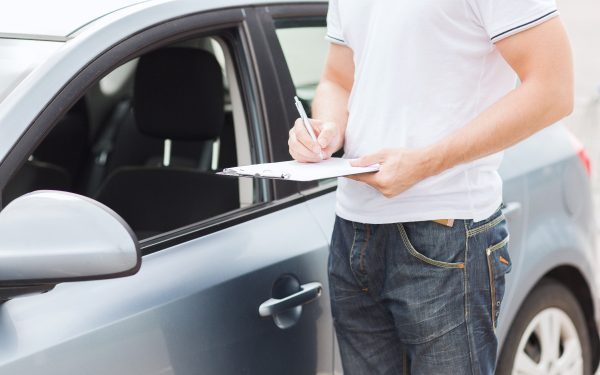
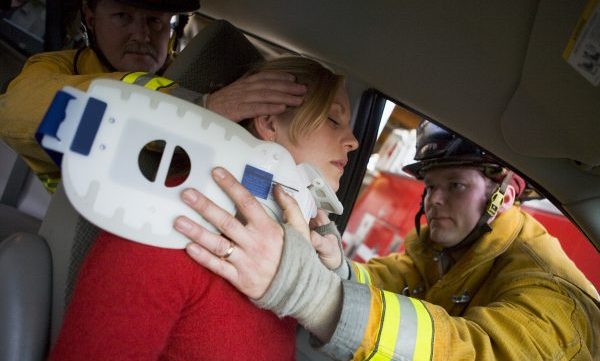
If you were recently involved in a car accident while driving a rental car, and you suffered injuries as a result, it is natural for you to have questions about making an injury claim to recover compensation for your medical bills and more. Continue reading for some helpful tips that will get you started in the right direction.

Car Accident Attorneys 317-881-2700

Car Accident Attorneys 317-881-2700


Rental cars are convenient commodities for traveling relatives, businessmen, tourists, and more. However, if a person is involved in a car accident while driving a rental car, there could be some serious legal consequences depending on the type of auto insurance carried and various other factors. If you are ever hurt in a car accident, whether in a rental car or your own, it is vital to get in contact with a licensed car accident lawyer to discuss your rights to compensation and the best course of action for making a claim.

Contract Terms and Conditions

When renting a car, it is important to choose a company that is well known for reputable business and dependable vehicles. Once you choose your car rental company, make it a priority to review their contract terms and conditions closely before signing any documents. Rental car liability differs from state to state, and even sometimes from company to company.

For instance, some states require a driver to have their own auto insurance policies to cover property damage to the rental vehicle in the case that they cause an accident. Other states require drivers to have their own insurance policies that will cover their damages and injuries that result from a rental car accident, regardless of who is at fault.

Check Your Policy

Your policy may or may not protect you if you are injured in a rental car accident. For these reasons and more, it is wise to review your own auto insurance policy coverage before renting a vehicle. This is especially important if you are renting a vehicle that will be operated by another driver. These conditions should be reviewed and understood prior to doing any business with a rental car company too.

If your automotive policy only provides a limited amount of coverage, you always have the option of adding additional liability coverage through your own insurance carrier or through the rental car company. Although optional, it is strongly recommended to always purchase additional insurance coverage when you pick up your rental vehicle.

Common Types of Rental Car Insurance Coverage May Include:

Loss Damage Waiver (Collision Damage Waiver)This pays for the cost of repair for any damages to the car. Generally, the client pays the deductible.

Personal Accident InsuranceThis pays remunerations for personal injuries or wrongful deaths.

Supplemental Liability InsuranceThis pays remunerations for property damages and personal injuries of other victims, aside from the driver and their passengers.

Personal Effects CoverageThis is meant to members a driver for any personal belongings damaged or lost.

Talk to a Rental Car Accident Attorney Right Away

Rental car accidents can result in severe injuries, and in very unfortunate scenarios, death. Whether you were driving a rental car at the time your accident occurred, or you were injured in an accident by a rental car driver, it is important to contact a licensed Indianapolis car accident attorney right away to protect your rights to remuneration. They have experience working with rental car agencies and accident claims, and can recover the full and fair compensation you deserve to get your life back to where it was before your injuries.

Contact The Law Office of Craven, Hoover, and Blazek P.C.

Indianapolis Personal Injury Lawyers 317-881-2700

Indianapolis Personal Injury Lawyers 317-881-2700

Call The Law Office of Craven, Hoover, and Blazek P.C. at 317-881-2700 if you were recently injured in a car accident in Indianapolis, Indiana and its surrounding areas. You can speak with a seasoned Indianapolis car accident lawyer about recovering compensation for your losses and damages. We offer free initial consultations to discuss your claim, and never collect lawyer fees unless we prevail for you!

What You Should Know About Whiplash Personal Injury Claims

According to driverknowledge.com, more than 6 million car accidents take place in the United States every year. Unfortunately, an average of 3 million people are injured every year in these car crashes, 2 million of which sustain permanent injuries. One of the most common injuries that occur from car collisions is called whiplash. Whiplash is technically an informal, non-medical term that describes the jerking, jolting, or sudden movement of a person’s neck that results in injury.

Continue reading to learn more about whiplash injuries, including what to do if you or a loved one becomes a victim of a motor vehicle accident.

Car Accident Lawyers 317-881-2700

Car Accident Lawyers 317-881-2700

Whiplash Pain and Treatment

Whiplash occurs when a person’s head or neck is suddenly jerked forward, backward, sideways, or any other direction. This jolting movement is visually obvious in a car accident. A victim can suffer various levels of pain and discomfort following a whiplash injury or accident. Pain, aching, sensitivity, throbbing, and soreness tend to occur in the back, neck, head, and shoulder areas.

Pain and tenderness can also extend through additional extremities, such as the legs and arms. This type of pain is sometimes described as pins and needles running through a person’s arms and legs, with general pain in the upper regions of a person’s body. All of these symptoms of pain can result in restricted mobility, thus inhibiting a victim’s ability to move around freely and perform their activities of daily living.

Whiplash type symptoms can show up immediately after an accident, or several days or weeks later. When whiplash symptoms do become evident, the extent of pain varies depending on certain factors, such as the severity of the injury, the circumstances surrounding the accident, the physical health of the victim, existing injuries or medical conditions, and more. Treatments for whiplash type injuries can be fairly minor, such as rest, ice, heat, and medications, or they can be major, such as chiropractic care, physical therapy, surgery, and life-long disability.

Whiplash Personal Injury Claims

If you were injured in a motor vehicle accident and sustained a whiplash type injury, you may be entitled to compensation for your damages and losses. The most important thing to do after being involved in a car accident is to immediately seek medical attention and make sure a police report is written. The documentation of medical records and police reports can be used as evidence to recover compensation for your damages and losses. Once you have done this, contact a licensed Indianapolis car accident lawyer to make a personal injury claim.

Indianapolis Car Accident Lawyers

Personal Injury Law Firm 317-881-2700

Personal Injury Law Firm
317-881-2700

Call The Law office of Craven, Hoover, and Blazek P.C. at 317-881-2700 to make a car accident claim in Indiana. Our seasoned Indianapolis personal injury lawyers are ready and able to recover the full and fair compensation you deserve. Not only does our law firm offer free consultations, we never collect lawyer fees unless we prevail for you.

What are Interrogatories in a Car Accident Claim?

If you were recently injured in a car accident that was not your fault, you will likely be making a personal injury claim against the negligent party. In some cases, these kinds of claims must go to trial. If they do, you will become familiar with a term known as “interrogatories”, which will be a vital factor to your overall injury case.

Continue reading to learn more about interrogatories, including how it may affect your car accident lawsuit.

Indianapolis Car Accident Lawyers 317-881-2700

Indianapolis Car Accident Lawyers 317-881-2700

The Discovery Phase

When a car accident lawsuit is set into motion, a complaint and answer are filed with the court. Once this occurs, the discovery phase can begin. During this phase, both the plaintiff party (you) and the defendant party (the party being sued) will exchange information about the facts of the accident. There are two main methods the court system uses to obtain this type of information: depositions and interrogatories.

Depositions are formal, recorded interviews under oath used to learn what a person knows pertaining to the case in question, and as evidence for later use during the trial. Either parties in a lawsuit can have anyone provide a deposition 20 days after a lawsuit is filed.

Interrogatories are a little different, but are used for much of the same purpose. Rather than a formal interview in person, interrogatories are a set of written questions that each party sends to the other. Each party must fill out the entire list in writing, under oath, and within a limited period of time (usually between 20 and 40 days depending on the state).

Although they are not always phrased in the form of questions, interrogatories always pertain to specific factors surrounding the case, such as reckless driving, distracted driving, and intoxicated driving. Since it is common for both parties to have different versions of what happened in an accident, they are designed specifically to get both sides of the story so that each party can prepare their case before trial.

What to Expect on the Form

The number of questions and requests on an interrogatory form is generally limited to 25 or so; however, it is possible for a court to approve more questions. Here are some examples of what you might see on an interrogatory form:

State the make, model, year, and current registrant of the vehicle you were in at the time of the accident.

State the company, address, and policy number of the insurance for the vehicle that was involved in the accident.

State the exact location and time of the car accident.

State where you were traveling to and from when the car accident occurred.

List the names and contact information of any witnesses to the accident.

In your own words, how did the accident occur?

How fast were you driving when the accident occurred?

In the 24 hours prior to the accident, did you consume any alcohol? If so, which kind and how much?

Were you on any medications when the accident occurred? If so, state the name, dosage, and prescribing doctor of the medication.

As a driver, how many car accidents have you been involved in over the past 10 years? List the dates, nature of accident, and legal outcome for each one.

List all of the traffic violations you have been cited for in the last 10 years.

List all of the physical evidence or documents you know of regarding the accident, including photographs, sketches, diagrams, and reports.

Where to Get Started

Contact a licensed and experienced Indianapolis car accident attorney to make a personal injury claim. They have the knowledge and resources to navigate your case in a way that recovers the full and fair compensation you deserve after being injured in a car accident by a negligent driver.

Indianapolis Car Accident Attorneys

Personal Injury Law Firm 317-881-2700

Personal Injury Law Firm
317-881-2700

Call Craven, Hoover, and Blazek P.C. at 317-881-2700 for help with car accident injury claims in Indianapolis, Indiana. Here at our personal injury law firm, we are eager to help injured victims recover the full and fair compensation they deserve. We offer free initial consultations and never collect lawyer fees unless we prevail for you. Contact us to get started in your financial recovery, today.

The Do’s and Don’ts for Personal Injury Plaintiffs

When a person acts negligently or behaves in a way that causes another person injury, the insurance carrier for the at-fault driver or negligent actor can be held liable for the victim’s losses and damages, such as hospital bills, medical expenses, lost wages, pain, suffering, and more. For those who are at-fault and those who are not at-fault for an accident resulting in injuries to others, it is important to follow the proper procedures in order to avoid making matters worse or potentially breaking the law.

Continue reading to learn what to do and what not to do if you cause an accident that harms another person or if you are the person who was harmed.

Personal Injury Law Firm 317-881-2700

Personal Injury Law Firm
317-881-2700


It can be very scary being involved in a serious accident, especially if that accident involves injury. The stress of a collision can understandably cause a person to use poor judgement or make brash decisions following an accident, but it is important to remain calm and keep your composure. Learning what you should and shouldn’t do in the case that you are involved in a serious accident can better prepare you for what to expect and how to handle the situation without panicking.

If You are Involved in an Accident…

DO:

Call the Police – Law enforcement and emergency personnel should be contacted immediately following an accident. If a witness, bystander, or other party has not done so, call the police yourself. They will arrive on scene to provide medical care and collect statements from all witnesses and involved parties. It is vital to have a police report on file to solidify the facts of the accident so no one can change their stories later on.

Be Cooperative – Always be entirely honest and cooperative with all police officers and emergency personnel. Stay out of their way at the scene of the crime, and remain polite and courteous when discussing the accident. Listen to their instructions and take them very seriously. If you are belligerent in any way, law enforcement can arrest and detain you for disorderly conduct and more.

Give and Take Information – Especially for motor vehicle accidents, if possible, be sure to exchange information with all parties involved, as well as, any witnesses that saw the accident take place. If you or the other person are too injured to do so, law enforcement generally handles it. Important information includes name, address, phone number, license plate numbers, email address, and insurance information. Part of this step includes picture-taking as well. It is very important to take as many pictures of the scene and damages as possible. Use your cell phone or an emergency disposable camera in your car. If you do not have either, ask another person to send you the pictures they take, or buy a disposable camera at a nearby gas station or convenient store.

Notify Your Insurance – Immediately following an accident, you must contact the insurance company to notify them of the accident and injuries. If you do not contact your insurance company as soon as possible, your claim can get denied.

Retain an Attorney – It is important to protect and secure your rights. Hiring an attorney will provide this security. The sooner you retain legal counsel, the easier it will be to get through the process.

BUT NEVER…

Leave the Scene of the Accident – You must wait for the police to arrive to allow you to leave.

Move Your Car – If it is a car accident, do not move your vehicle to the shoulder or side of the road, or anywhere at all. It must remain in the exact place the accident left it in order for the police to obtain evidence and facts regarding the event.

Discard or Conceal Evidence – This is against the law. If it is relevant to the accident or resulting injuries, it must be saved.

Talk About the Accident – Unless you are talking to YOUR attorney, you should never discuss the accident with anyone until the entire case is over. This includes the other party’s legal team and all insurance adjusters.

If You Were Injured in an Accident…

Contact an Indianapolis personal injury lawyer right away to learn your rights. They are able to quickly determine if you are entitled to compensation for injuries and damages following a serious accident. If you are, they have the experience, knowledge, and resources to recover the full and fair compensation you deserve after experiencing a traumatic injury or accident as a result of another person’s negligence.

Indianapolis Personal Injury Law Firm

Personal Injury Law Firm Indiana

Personal Injury Law Firm 317-881-2700

Call Craven, Hoover, and Blazek P.C. at 317-881-2700 when you need an experienced Indianapolis personal injury law firm you can trust. Their personal injury attorneys offer free initial consultations and never collect lawyer fees unless they prevail for you! Get professional representation after being injured in an accident in Indianapolis, IN.

Who is Liable if an Adolescent Causes a Car Accident?

Car Accident Claims for Minors 317-881-2700

Car Accident Claims for Minors 317-881-2700

In almost all automotive accident cases, the main objective of both parties is to prove who is responsible for the resulting damages. Avoiding liability and recovering compensation depends on which parties acted negligently to cause the accident, and to what degree. This means, a party involved in the accident will be proven at-fault and held liable for any economic damages and losses suffered by the injured party.

Although this is standard procedure under law, there are circumstances in which a person who was not present or driving the vehicle can be sued and held liable for a motor vehicle accident. This is referred to as “vicarious liability”, or “imputed negligence”, and it plays a major role in situations where minors cause serious car accidents that involve injury to one or more parties.

Vicarious Liability

Even if a person was not driving their vehicle, or even present at all during the accident, there is still a possibility that they could be sued for damages in a car wreck. This is mostly common among parents who lend their vehicles to their children, or have their children’s vehicles in their name. If a minor causes a car collision that results in another person’s injury or death, the parents of that minor can be held liable for all damages under vicarious liability law. There are a few separate ways in which this can occur.

Negligent Entrustment

The law may perceive a parent, also referred to as an “entruster”, as negligent if they allow their teenager to drive a vehicle in their name knowing that their child is reckless, untrustworthy, inadequate at driving, or unlicensed. If a child falls under any of these descriptions, and subsequently causes a serious accident, the guardians can be held accountable for the damages.

They can be sued for high amounts of compensation to cover automotive repair costs, hospital bills, medical expenses, lost wages, prolonged therapy, lifelong disabilities, pain and suffering, wrongful death, and much more. There is virtually no limit to which a victim can sue a negligent parent after their teenager causes them serious injury from a motor vehicle accident.

Family Purpose Doctrine

In the case that a member of the family borrows another family member’s vehicle, with or without permission, and then causes an accident, the car owner can be held liable for the damages incurred. This holds true regardless if consent was granted or not. In other states, whoever signs for a minor’s Drivers’ License is the authority that can be held accountable if a minor causes serious injury to another person while driving.

Indianapolis Car Accident Lawyers

Personal Injury Law Firm 317-881-2700

Personal Injury Law Firm
317-881-2700

Call Craven, Hoover, and Blazek P.C. at 317-881-2700 for motor vehicle accident claims in Indianapolis, Indiana. If you or a loved one was recently injured in a car accident caused by a minor, call our licensed personal injury attorneys right away. There is a statute of limitations in Indiana that regulates the amount of time a victim has to legally pursue compensation for a serious injury. When you need strong and successful legal representation following a serious car accident, we are the trusted personal injury lawyers to trust. Schedule a free initial consultation, today!

Can I Sue a Drunk Driver That Seriously Hurt Me in an Accident?

Driving under the influence of drugs or alcohol is a continuous epidemic in our country. And although we cannot control other’s behaviors, and prevent them from driving after drinking or partaking in narcotics, we can, however, make our own good choices when it comes to responsible driving.

When a person is injured in a drunk driving accident, most often the results are either fatal or serious. In the case that a person is hit by a drunk driver and injured as a result of their negligence, there is a strong opportunity to pursue a lawsuit against them for the damages you incurred from the accident. There are a few stipulations and concerns that go along with this type of lawsuit, so continue reading and learn what can happen and what should happen after being involved or injured in a drunk driving accident or collision.

Drunk Driving Accident Lawyers 317-881-2700

Drunk Driving Accident Lawyers 317-881-2700

Drunk Driving Lawsuit

A person that is injured unintentionally, or intentionally, has the legal right to file a claim against the negligent party that caused them harm. In the case of a drunk driving collision, several outcomes can occur. Fatalities are unfortunately the most common in America. More people every year are dying as a result of dangerous motor vehicle accidents. If a person is killed by a drunk driver, their family can pursue a wrongful death lawsuit on their behalf.

If a person is seriously injured as a result of an intoxicated driver, they can file a claim and pursue compensation for their damages and losses. Most of the time, a drunk driver is not necessarily the one sued, it is their insurance company that pays out the final settlements. But if a drunk driver is uninsured, then the case must be taken to court and settled in trial. If the person does not have the finances to pay remuneration to the injured party, then they may have their wages garnished or even face jail time.

Where to Get Professional Help

It is important to retain professional legal counsel from a licensed Indianapolis car accident lawyer for proper personal injury representation. They have the proper licensing, education, training, knowledge, and resources to effectively coordinate an aggressive personal injury lawsuit against the negligent driver and their insurance company.

Personal injury attorneys and law firms generally offer free initial consultations to accident victims. With no obligation to pay, the victim and their family can discuss their case with a licensed accident attorney to determine their eligibility to legal recompense. Most personal injury law firms provide their service on a contingency-fee basis, meaning they do not collect lawyer fees unless they recover a settlement for the client.

Call Our Seasoned Indianapolis Car Accident Lawyers RIGHT NOW

Indianapolis Personal Injury Lawyers 317-881-2700

Indianapolis Personal Injury Lawyers 317-881-2700

Call The Law office of Craven, Hoover, and Blazek P.C. at 317-881-2700 to file a personal injury claim in Indianapolis, Indiana. Our seasoned car accident lawyers are eager to recover the full and fair compensation you deserve. We offer free initial consultations and never collect attorney fees unless we recover for you.

How to Fill Out a Report for a Car Accident

After being involved in a motor vehicle collision, whether minor or serious, both parties are required by law to report the accident, either to the police, their insurance company, the DMV, or a combination of the three. An official report can be made at the scene of the accident with the responding police officers, but it is also common for drivers to file their own motor vehicle accident report with one or more of the above-mentioned parties, especially when people are injured as a result of someone’s negligence or disregard.

Although an official car accident report can be made at the scene of the accident with the responding police officers, it is common for drivers to also file their own report when injuries are sustained in serious accidents. These reports are critical to an accident claim, so in the case that either wish to file a personal injury claim to recover compensation for damages and losses, it is important for both the at-fault and the injured parties to fill out them out correctly. The key is to gather as much detailed information as possible so that you can use clear and precise language to describe the incident in as much detail as possible.

Continue reading to learn some helpful tips for filling out a car accident report, and who you can trust with your car accident personal injury claim.

Car Accident Lawyers 317-881-2700

Car Accident Lawyers 317-881-2700

After Being Involved in a Car Accident:

IF SOMEONE IS HURT, SEEK MEDICAL ATTENTION FIRST.

Once medical personnel and law enforcement arrive and injuries are stabilized, it is safe to move forward with exchanging information and filing a report.

Here’s how to start:

Exchange insurance and drivers’ license information with the other driver. Regardless who is at-fault, both parties need to swap personal information. Write down all the data in their drivers’ license and car insurance cards, including the phone number to their insurance provider. If the other driver does not have insurance, you need to call the police and have them come to the scene. If there are passengers in their vehicle, ask them for their contact information as well in case you need to use them for witness testimony later on. Do this for any bystanders that witnessed the accident as well.

Take down the driver’s vehicle information. Write down the licensing state, license tag number, make, model, year, color, and the VIN (vehicle identification number). Be sure to note whether it is a car, truck, sedan, van, motorcycle, or sports utility vehicle. Next, write down the damage that has occurred to the other driver’s vehicle. Be specific and use as much detail as possible. Note any existing damages that were not a result of the accident as well.

Gather evidence of the scene. Use your camera phone to record the scene of the accident. Take as many pictures as you can of the other people involved, cars, the damage, debris on the road, weather conditions, road conditions, lighting, surrounding traffic signals and signs, traffic lights, and more. Record anything that has to do with the accident using multiple angles. It is important to take pictures of the other driver and their passengers in case they seem fine at the scene, but then try to claim injuries later on. Take pictures of your own injuries, if any, as well. If you do not have a camera, just write everything down in detail. In fact, it is also wise to make out a sketch of the scene, detailing the location and the surroundings.

Take down the numbers of first-responder vehicles and the technicians. Write down names, numbers, badge numbers, and vehicle numbers of the EMT’s, ambulances, and fire trucks. You can also take the squad car and badge number of the responding officers. This information may be pertinent in the process of an injury or insurance claim.

Take notes of what happens after the accident. Keep detailed records of what took place after the accident. This includes how the cars were cleared and transported, how much damage was done to the vehicle, the extent of automotive repairs and costs, as well as, the progress of your injuries and medical needs. Retain all personal notes, medical charts, invoices, and more.

Hurt in a Car Accident?

Personal Injury Law Firm 317-881-2700

Personal Injury Law Firm
317-881-2700

Call The Law Office of Craven, Hoover, and Blazek P.C. at 317-881-2700 for seasoned car accident injury lawyers in Indianapolis, Indiana. Attorneys Daniel Craven, Ralph Hoover, and Keith Blazek are eager to help you recover the full and fair compensation you deserve after being injured in a car accident. We offer free initial consultations and never collect lawyer fees unless we prevail for you. Call 317-881-2700 to learn your rights after a car accident, today.

Eye-Opening Drunk Driving Facts and Statistics

Drunk driving is a dangerous behavior. When a person drives under the influence of drugs or alcohol, they are essentially operating a 5,000 pound missile. Vehicles can quickly turn into weapons when operated by someone who is intoxicated.

So the next time you consider driving after having a few drinks, you need to remember the drunk driving and motor vehicle accident facts listed below. If you were hurt by a drunk or negligent driver, contact our Indianapolis personal injury lawyers for help recovering the full and fair compensation you deserve.

Car Accident Lawyers 317-881-2700

Car Accident Lawyers 317-881-2700

Don’t Wait to Learn From Your Mistake. Never Drive Drunk AGAIN.

According the CDC (Centers for Disease Control and Prevention), these are the most recent statistics and facts regarding intoxicated driving accidents and fatalities:

In the United States, 28 people die in an alcohol/impaired driving accident, EVERYDAY. That equates to 1 death every hour.

In 2015, 29% of all motor vehicle crashes that resulted in fatalities were caused by drunk driving. That means that than 10,000 people died that year in an alcohol-impaired car crash.

In 2015, there were 1,100,132 traffic deaths among minors. From these traffic fatalities, 209 were alcohol-related.

More than 1 million drivers were arrested in 2015 for impaired driving.

Separate from alcohol, 16% of all motor vehicle accidents are caused by legal and illegal drugs.

Individuals More at Risk of Impaired Driving Accidents

It is suggested that younger individuals (under 24 years old) are more likely to be involved in a serious motor vehicle accident as a result of intoxicated driving.

In 2015, 8% of the drunk drivers involved in a fatal crash were between the ages of 21 and 24 years old. 27% were between the ages of 25 and 34, and 23% were between the ages of 35 and 44.

Drug users are 25% more likely to be involved in a motor vehicle accident compared to non-drug users.

In 2015, 27% of all motorcycle accident fatalities were alcohol impaired related.

The highest percentage of deaths (37%) among motorcyclist accidents are between the ages of 35 and 39.

Drunk drivers involved in fatal car crashes are more than 4 times as likely to have a prior conviction for DUI compared to drivers involved in fatal car crashes with no alcohol in their system.

Source

Indianapolis Car Accident Lawyers

Personal Injury Law Firm 317-881-2700

Personal Injury Law Firm
317-881-2700

Call Craven, Hoover, and Blazek P.C. at 317-881-2700 to speak with a licensed car accident lawyer in Indianapolis, Indiana. We never collect attorney fees unless we obtain compensation for you, and we also offer free initial consultations. Get started on your physical, emotional, and financial recovery today!

Advice on Driving Safe in Winter Weather

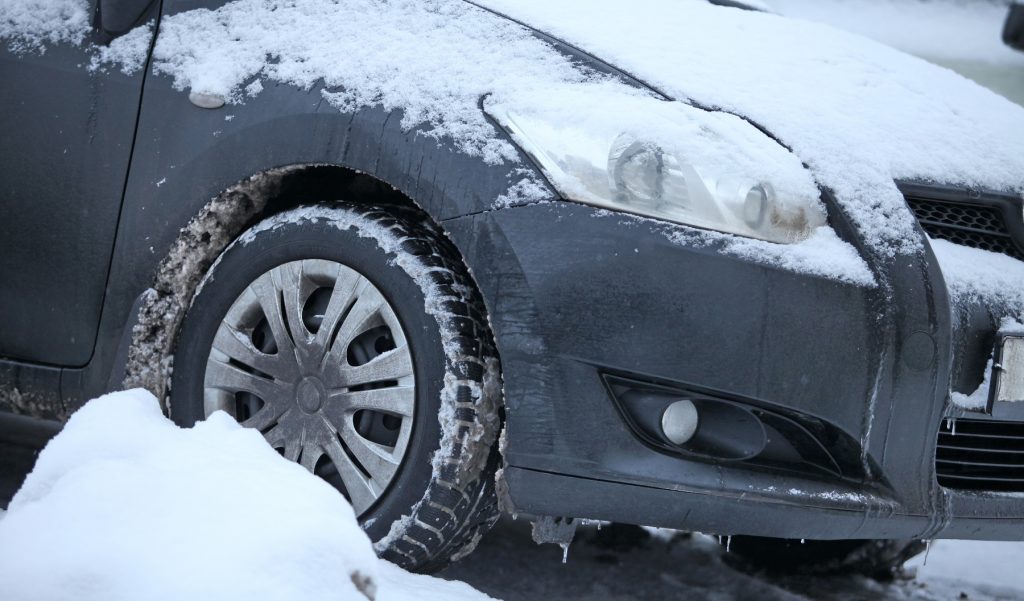
Harsh winter weather can be both intimidating and dangerous at the same time. Now that we are sure snow and ice will be on the roads soon, it is important to review some safe winter driving tips. This is especially important for new drivers and adolescents. A little knowledge can save lives and prevent accidents on the road. As a seasoned driver, you should know how to drive safely in hazardous weather, and what to do in the case of winter roadside emergencies. Continue reading for helpful and imperative winter driving safety tips and more.

Car Accident Attorney 317-881-2700

Car Accident Attorney 317-881-2700

Tips for Winter Driving

As for daily driving, it is important to make sure you do not drive when tired or sleepy. If you are not capable of being one hundred percent alert behind the wheel of a car, especially one with passengers in tow, then you are not in a position to drive responsibly. Before starting your vehicle, be sure your gas tank is at least halfway full in order to avoid your gas lines from freezing up. Also be sure to check your tires and see if they are fully inflated. Low-inflation tires are a big concern on the road, as are over-inflated tires. When tires are too low, traction is lost and can lead to car accidents and collisions; while over-inflated tires can pop on the road, causing vehicles to potentially spin out of control and collide into objects or oncoming traffic.

Other areas to think about before driving in poor weather is the vehicle’s brake lights, headlights, and fluids. All of these parts and components need to be serviced and up-to-date in order for a vehicle to operate safely in any condition. Check your brake lights and be sure they are functional before pulling out of the driveway. Hazard lights should also be checked in the case of a roadside emergency. If snow is falling hard, other cars might have trouble seeing a vehicle on the side of the road unless their flashers are on and bright. In these same cases, it is actually not recommended to use parking brakes or cruise control for reasons regarding driver and passenger safety.

The most important part of safe driving, whether in snow or sunshine, is to always wear a seat-belt. Seat belts are designed to prevent driver or passenger ejection in the case of a collision. Not only is it important to wear a seat-belt for this reason, it is also important because they are designed to work in conjunction with a vehicle’s airbag system. When a car is involved in a collision, the crash sensors within the vehicle relay a message to the airbags to deploy; but these airbags can only service their purpose properly is the driver or passenger is wearing their safety restraints.

Indianapolis Car Accident Lawyers

If you do experience a car accident or collision, be sure to seek medical attention right away. If you were seriously injured, contact a local persona injury law firm to learn your rights to full and fair compensation for your losses.

Personal Injury Law Firm 317-881-2700

Personal Injury Law Firm
317-881-2700

Call The Law office of Craven, Hoover, and Blazek P.C. at 317-881-2700 to file a personal injury claim in Indianapolis, Indiana. Our seasoned car accident lawyers are eager to recover the full and fair compensation you deserve. We offer free initial consultations and never collect attorney fees unless we recover for you.