
Interesting Facts About the History of Tort Law

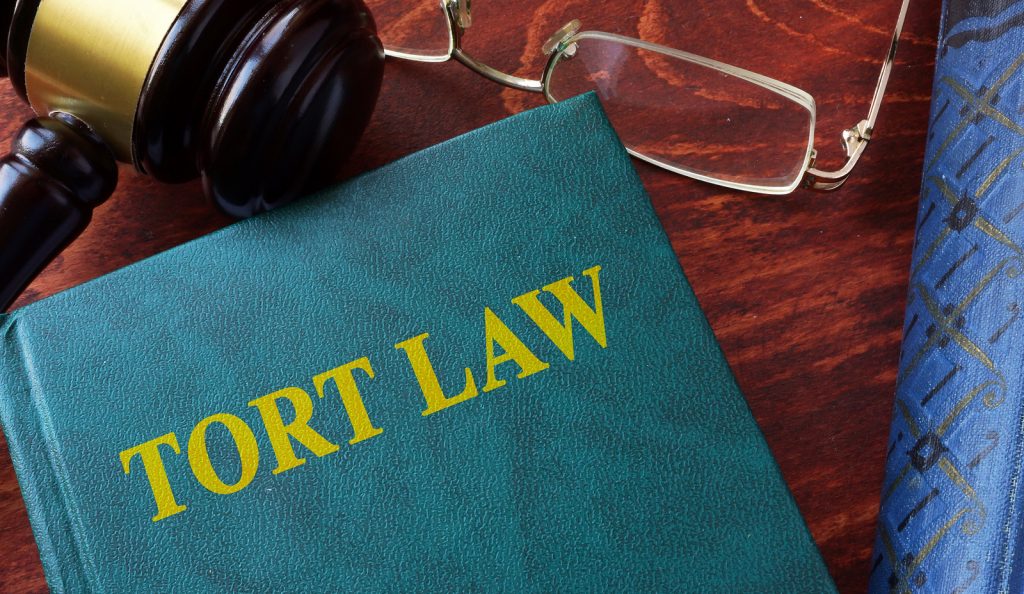
Torts are civil wrong-doings, or immoral behaviors and actions against people. The law identifies a tort as immoral, and approves it as grounds for a lawsuit. Most often, torts come with severe consequences, like serious injuries and death; consequences that can establish a victim’s right to make a personal injury claim against the at-fault party.

Tort law is one to appreciate since it protects us and our loved ones from wrongful offenses. Take a look below to learn some of the most interesting facts about the history of tort law in our country to gain a deeper appreciation for our national judicial system.
Indianapolis Personal Injury Lawyers 317-881-2700

Tort Law

Tort law was established to serve 4 particular objectives: 1) to compensate victims for the injuries they’ve suffered as a result of another’s actions or inactions; 2) to transfer the cost of related damages and losses to the culpable party, such as hospital bills, medical expenses, lost wages, pain and suffering, and more; 3) to set an example and prevent harmful, reckless, and negligent behaviors in the future; and 4) to justify the legal rights and welfares of the victim that were compromised, diminished, or made powerless.

History Facts

The term, “tort” is derived from the Latin word, “torquere”, which translates to “twisted” or “wrong.” Centuries ago, the British legal system did not recognize torts as a means of separate legal action. Instead, English Common Law provided victims of tort with two primary methods of recompense, which were trespass for direct injuries, and actions “on the case” for indirect injuries. In fact, tort law originated with the action of trespass.

Eventually, over the course of several years, the British legal system acquired other types of civil actions, including defamation actions like slander and libel. See our blog, “The Legal Concepts Surrounding Libel, Slander, and Defamation of Character” to understand the difference between these two types of civil actions. By the 18th century, most American colonies began to adopt England’s common law system. And at the start of the 19th century, the first U.S. legal treatises were published. Within these treatises, a portion of the British common law were created under the heading of torts.

Tort Law Today

Tort law has monumentally progressed over the last two centuries, recognizing virtually all civil wrong-doings under law. In today’s judicial system, tort law protects people, businesses, employees, the environment, and much more. Common categories of tort law today include both intentional and non-intentional torts, such as defamation of character, workers’ compensation, wrongful death, premise liability, product defects, medical malpractice, and general personal injuries. If you were recently injured in an accident or suffered harm to your reputation, all at not fault of your own, you may be eligible to collect compensation for your subsequent losses and damages.

Contact a Personal Injury Law Firm Today

If you believe you or your loved one is a victim of a personal injury in Indiana, contact the Law office of Craven, Hoover, and Blazek P.C. at 317-881-2700 to schedule a free initial consultation. Our seasoned Indianapolis personal injury lawyers can help you recover the full and fair compensation you deserve. We offer free initial consultations and never collect lawyer fees unless we prevail for you. Schedule your free meeting, today.


Personal Injury Law Firm 317-881-2700

Indiana is a Tort State in Terms of Auto Accidents and Insurance Coverages

Car Accident Attorneys 317-881-2700

Car Accident Attorneys 317-881-2700

Many states are “no-fault” states, meaning drivers that are involved in auto accidents use their own insurance coverage to pay for their damages and losses, no matter who is at-fault for the collision. But Indiana is NOT one of those states. Hoosiers live in a “fault” state, or tort-system state, meaning someone has to be found “at-fault” for the accident. In fact, Indiana uses comparative fault law to determine exactly who is at fault for an accident, and to what degree.

Continue reading to learn more about Indiana’s tort system in regards to auto accidents and insurance policies.

Indiana’s Tort System

In Indiana, they use a tort system that determines who is at fault for a motor vehicle accident. And when a person is assigned fault for an auto accident, it is their insurance company that pays for their damages and the damages of the injured parties, up to their particular policy limits. There are state limits to the amount of insurance a driver must obtain to legally operate a vehicle. In Indiana, the state minimum for auto insurance is 25/50/10. Below is a chart to understand what this numeric value means.

$25,000 Limit for Bodily Injury Liability (per injured person)

$50,000 Limit for Bodily Injury Liability (per accident)

$10,000 Limit for Property Damage Coverage

These values are the state minimum for legal driving in Indiana. If a driver does not have this coverage they are operating their vehicle illegally, and if caught, can face state fines, property revocations, and possible misdemeanor charges.

Comparative Fault

Car Accident Lawyers 317-881-2700

Car Accident Lawyers 317-881-2700

Indiana handles automobile accident cases in agreement with the Comparative Fault Act. This means fault is allocated among all involved parties. Parties include the plaintiff (injured driver), the defendant (the accused at-fault driver), and possible “non-party” entities. A non-party entity is a person or company that could be assigned a portion of fault for the accident, but for strategic reasons, was not sued by the plaintiff.

In the case of a motor vehicle accident lawsuit, all parties are identified and then assigned fault. So long as the plaintiff is assigned 50% or less of the fault, they can collect remuneration for their damages. If they are found to be more than 50% at fault, they get nothing. For example: A person is assigned 25% fault, while the defendant is found to be at 75% fault. If the courts award the plaintiff $100,000 for their damages, the plaintiff will only take 75% of that amount since they were apportioned 25% of the fault for the accident. Had the plaintiff been apportioned 51% or more of the fault, they would be compensated nothing.

Additional Insurance Coverage

In the no-fault states, drivers are required to have PIP coverage or MedPay coverage; insurance policies that cover the medical expenses of a driver and their passengers injured in an auto accident. Since Indiana is a tort state, so drivers are not required to purchase this type of additional insurance coverage. However, they do have the option and they come highly recommended. Indiana drivers can purchase PIP (personal injury protection) coverage or medical payments coverage (MedPay) if they choose. Hoosiers can also purchase a personal umbrella policy (PUP) that pays for any damages outside of their auto or homeowners’ policies. Be sure to check back next week for an in-depth discussion about PIP and PUP insurance.

Indianapolis Auto Accident Attorneys

Personal Injury Lawyers Indianapolis, Indiana 317-881-2700

Personal Injury Lawyers Indianapolis, Indiana 317-881-2700

Call Craven, Hoover, and Blazek P.C. at 317-881-2700 after being injured in an auto accident in Indianapolis, Indiana. Indianapolis auto accident attorneys, Daniel Craven, Ralph Hoover, and Keith Blazek will recover the full and fair compensation you deserve after sustaining a serious injury resulting from a car accident that was not your fault. We offer free initial consultations to discuss your claim, and never charge lawyer fees unless we recover compensation for your losses. Call 317-881-2700 to file a car accident injury claim in Indianapolis, IN today.