
Being involved in a bus accident can be a traumatic and life-altering experience, leaving victims with injuries, pain and suffering, lost wages, emotional distress, and unanswered questions. Understanding your legal rights in the aftermath of such an incident is crucial to protecting your well-being and securing the compensation you may deserve.
This guide aims to provide clear, authoritative insights into the legal steps you can take following a bus accident in Indiana, helping you make informed decisions during a challenging time. Whether you are a passenger, driver, or pedestrian, knowing your rights can empower you to seek justice and hold responsible parties accountable.
TL;DR: If you’ve been injured in a bus accident in Indiana, you have legal rights to pursue compensation. You must file your personal injury claim within two years, or 180 days if suing a city transit authority. Damages can include medical bills, lost wages, and pain and suffering. Understanding liability, comparative fault rules, and notice requirements is essential to protect your claim.
Key Takeaways:
- Indiana law gives you two years to file a personal injury lawsuit after a bus accident
- Claims against government-operated buses require written notice within 180 days
- You can recover damages for medical expenses, lost income, and emotional distress
- Indiana’s comparative fault rule bars recovery if you’re more than 50% at fault
- Multiple parties may share liability, including drivers, transit agencies, and manufacturers
Table of Contents:
- Determining Liability in Bus Crashes
- Common Causes of Bus Accidents
- Available Compensation for Victims
- The Legal Process and Statutes of Limitations
- FAQ Section
- Blog Recap
- Legal Help for Indiana Accident Victims
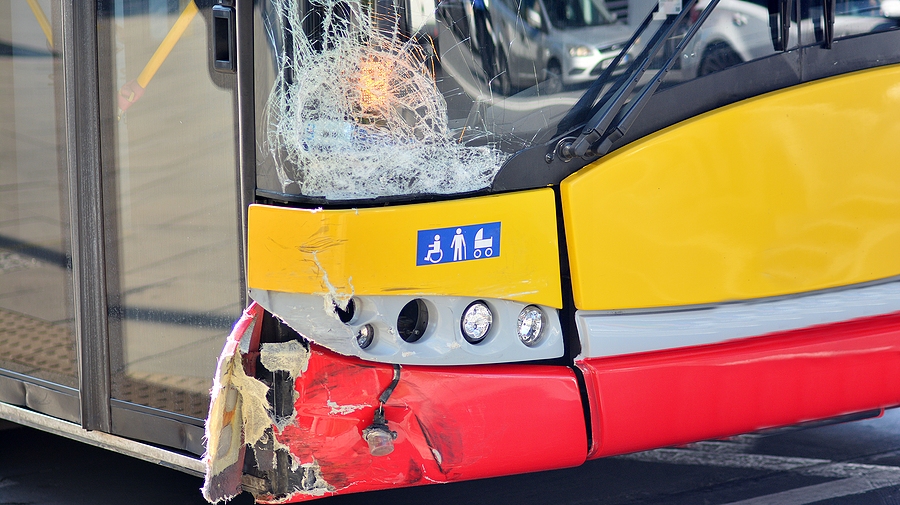
Determining Liability in Bus Crashes
Bus accident liability often involves multiple parties, including the driver, drivers of other vehicles, transit authority, private bus company, vehicle manufacturer, or maintenance contractor.
Figuring out who’s responsible after a bus accident can be complicated. Unlike typical car crashes with two drivers, bus accidents may involve government entities, private companies, or third parties who share blame.
The bus driver and their employer bear responsibility if their negligence caused the crash. Common examples include distracted driving, speeding, running red lights, or driving under the influence. If the driver was performing their job duties at the time, their employer may also be liable under the legal principle of respondeat superior.
Transit authorities and bus companies can be held directly liable for their own negligence. This includes failing to properly train drivers, ignoring known safety issues, or putting unsafe buses on the road. For government-operated buses like IndyGo in Indianapolis, special rules under the Indiana Tort Claims Act apply.
Vehicle manufacturers may be liable if a defective part contributed to the accident. Brake failures, tire blowouts, or steering malfunctions could point to a product liability claim against the manufacturer.
Maintenance contractors who serviced the bus might share responsibility if improper repairs caused a mechanical failure. Third-party drivers can also contribute to bus accidents through reckless or negligent driving.
Common Causes of Bus Accidents
Driver fatigue, inadequate vehicle maintenance, and hazardous road conditions are among the leading causes of bus crashes in Indiana.
Driver fatigue is a serious concern for bus operators. Long shifts and demanding schedules can impair reaction times and decision-making. Federal regulations limit how many hours commercial drivers can work, but violations still occur.
Poor vehicle maintenance creates dangerous conditions. Buses require regular inspections and upkeep to function safely. Worn brake pads, bald tires, or faulty lighting systems can lead to catastrophic accidents. Transit companies that cut corners on maintenance put passengers and other road users at risk.
Distracted driving affects bus operators just like any other motorist. Texting, eating, or adjusting controls while driving diverts attention from the road. Even a momentary lapse can result in serious injuries.
Adverse weather conditions complicate bus operation. Rain, snow, ice, and fog reduce visibility and traction. Drivers must adjust their speed and following distance accordingly. Failure to account for weather can lead to rear-end collisions or rollovers.
Road hazards like potholes, construction zones, and inadequate signage contribute to accidents. While drivers should remain vigilant, government entities responsible for road maintenance may share liability if poor conditions played a role.
Available Compensation for Victims
Bus accident victims in Indiana can pursue compensation for medical expenses, lost wages, pain and suffering, and in fatal cases, wrongful death damages.
Medical expenses form the foundation of most injury claims. This includes emergency room visits, hospital stays, surgeries, physical therapy, prescription medications, and any future medical care related to your injuries. Keep detailed records of all treatment and associated costs.
Lost wages compensate you for income you couldn’t earn while recovering. If your injuries prevent you from returning to work at the same capacity, you may also recover lost earning potential. Documentation from your employer and medical providers supports these claims.
Pain and suffering damages address the physical discomfort and emotional distress caused by your injuries. While harder to quantify than economic losses, these damages recognize the real impact an accident has on your quality of life.
Property damage covers repair or replacement of personal belongings damaged in the crash, such as clothing, electronic devices, or mobility aids.
Wrongful death claims are available when a bus accident results in a fatality. Under Indiana Code § 34-23-1-1, the personal representative of the deceased can pursue damages within two years. Recoverable damages include funeral and burial expenses, medical bills from the final illness or injury, and compensation for surviving family members’ loss.
Important limitation: If you’re suing a government entity like a city transit authority, Indiana’s Tort Claims Act caps damages. Government entities are also immune from punitive damages.
The Legal Process and Statutes of Limitations
Indiana law requires you to file a personal injury lawsuit within two years of the accident, but claims against government entities have much shorter notice deadlines. The statute of limitations is the legal deadline for filing a lawsuit. For personal injury claims in Indiana, you generally have two years from the date of the accident under Indiana Code § 34-11-2-4. Missing this deadline typically means losing your right to sue in most situations.
Wrongful death claims also carry a two-year filing deadline under Indiana Code § 34-23-1-1. The clock starts running from the date of death, which may differ from the accident date if the victim survived for some time.
Special Rules for Government-Operated Buses
If your accident involved a government entity like IndyGo, a school district bus, or another public transit system, you must provide written notice of your claim within 180 days under Indiana Code § 34-13-3-8. For claims against the state itself, the deadline is 270 days.
This notice must include specific information: a description of what happened, when and where it occurred, the extent of your injuries, the damages you’re seeking, and your contact information. The notice must be delivered in person or by registered or certified mail to the transit authority’s governing body.
Failing to provide proper notice within 180 days will bar your claim entirely—you won’t be able to sue even if you’re still within the two-year statute of limitations.
Comparative Fault Analysis
Indiana follows a modified comparative fault rule under Indiana Code § 34-51-2-6. If you’re found more than 50% at fault for the accident, you cannot recover any damages. If you’re 50% or less at fault, your recovery is reduced by your percentage of fault. For example, if you’re awarded $100,000 but found 30% at fault, you’ll receive $70,000.
Get a free case review today. Understanding these complex deadlines and requirements can be overwhelming. Our bus accident attorneys offer free consultations to evaluate your claim. We can meet you over the phone, at your place of medical treatment, or at our Indianapolis office. Don’t wait—contact us today to protect your rights.
FAQ Section
How long do I have to file a bus accident claim in Indiana?
You have two years from the accident date to file a personal injury lawsuit under Indiana Code § 34-11-2-4. However, if the bus was operated by a government entity, you must provide written notice within 180 days of the accident to preserve your claim.
What if I was partially at fault for the bus accident?
Indiana uses a modified comparative fault system. If you’re more than 50% at fault, you cannot recover damages. If you’re 50% or less at fault, your compensation is reduced by your percentage of responsibility.
Can I sue the city if I was hurt on a public bus?
Yes, but special rules apply. You must file written notice with the city within 180 days describing your claim. Government entities are subject to damage caps of $700,000 per person and $5,000,000 per occurrence, and they cannot be held liable for punitive damages.
What types of damages can I recover?
You can pursue compensation for medical expenses, lost wages, future earning capacity, pain and suffering, and property damage. In wrongful death cases, damages include funeral costs, final medical bills, and losses to surviving family members.
Do I need a lawyer for a bus accident claim?
Yes. Bus accident cases often involve complex legal and insurance issues. It is highly recommended to seek the guidance of an experienced personal injury lawyer who can navigate these complexities and fight for your rights.
Quick Recap:
- Prioritize Safety: Ensure all injuries are treated and report the accident to the authorities.
- Document Evidence: Gather photos, videos, witness statements, and any other relevant details at the scene.
- Notify Insurance Companies: Report the accident to your insurer but be cautious when speaking with adjusters. It is best to at least speak with an attorney before talking with any insurance company.
- Understand Your Rights: Familiarize yourself with the compensation you may be entitled to, such as medical expenses, lost wages, and more.
- Consult a Lawyer: Contact an experienced bus accident lawyer to help protect your legal rights and guide you through the claims process.
CONCLUSION
Bus accidents can be overwhelming, with victims facing numerous challenges, from physical injuries to financial strain. Seeking legal guidance can make all the difference in securing the compensation you deserve. At our firm, we are committed to helping bus accident victims in Indianapolis and beyond.
Take the first step toward resolving your case by reaching out for a free case review. Whether you prefer to meet in person or on-site, our dedicated team is ready to support you. Contact us today to discuss your situation and learn how we can help.
Related Post: Indiana Bus Accident Victims: Your Rights & How to Get Fairly Compensated