
Walking is an excellent way to get around, but stepping into a crosswalk requires a significant amount of trust. A sudden collision can leave you with painful injuries, mounting medical bills, and a highly complicated legal battle ahead. Pedestrians are inherently vulnerable, and an impact with a heavy vehicle can cause life-altering harm.
Understanding your rights after being hit in a crosswalk is critical for securing the compensation you deserve under Indiana law. Dealing with insurance companies while trying to heal from severe trauma is incredibly overwhelming.
This guide explains how fault is determined, the types of damages available to you, and the essential steps you must take to protect your future physical and financial well-being.
Who is at Fault in an Indiana Crosswalk Accident?
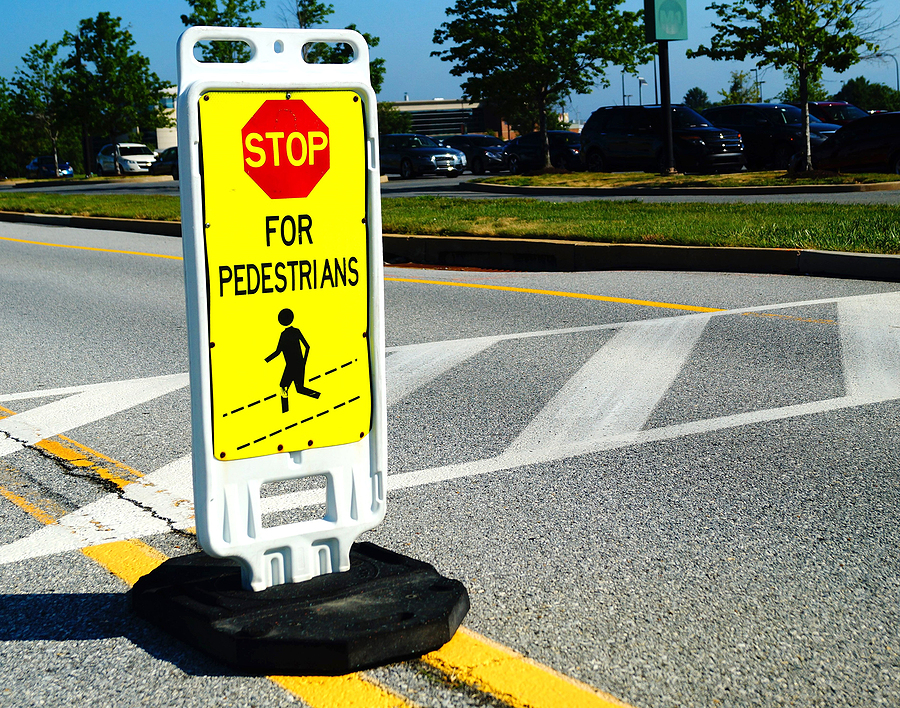
In Indiana, fault is determined by negligence, meaning the party who violated traffic laws or failed to exercise reasonable care is typically held liable for damages. Drivers have a strict legal duty to watch for foot traffic and yield appropriately. Indiana Code 9-21-8-36 mandates that vehicles must slow down or stop for pedestrians crossing within a crosswalk when traffic control signals are not in place. Common examples of driver negligence include texting behind the wheel, simply not paying attention, speeding through residential zones, running red lights, or turning right on red without checking the crosswalk first.
Determining who acted negligently requires a careful review of the facts. Legal professionals and insurance adjusters will often examine police reports, interview eyewitnesses, and review nearby surveillance or dashcam footage to establish exactly what actions led up to the crash.
What Damages Can You Recover in a Pedestrian Claim?
Claimants in Indiana can pursue compensation for medical expenses, lost wages, pain and suffering, and permanent impairment resulting from the accident. A serious collision often requires an extensive medical response. Your recoverable economic damages generally start with emergency room bills and ambulance fees, but they also extend to surgeries, hospital stays, prescription medications, and long-term physical therapy.
If your injuries are severe enough to keep you away from your job, you can claim compensation for your past and future lost wages. This ensures your household does not suffer financially because you are physically unable to work.
You can also seek compensation for non-economic damages. These cover the intangible hardships you face, such as chronic physical pain, mental anguish, and a reduced quality of life. If the collision leaves you with permanent scarring or a lasting disability, your claim’s value will reflect the permanent impact the accident has had on your daily life. Calculating these losses accurately is vital to ensure you are not left paying out of pocket for an event you did not cause.
How Does Indiana’s Comparative Fault Law Affect Your Case?
Indiana follows a modified comparative fault rule, allowing you to recover damages as long as you are less than 51% responsible for the incident. Insurance companies frequently attempt to shift the blame onto the injured pedestrian to reduce their own financial liability. They might argue that you were distracted by your phone, stepped off the curb too quickly, or crossed against a signal. Under Indiana Code 34-51-2, fault can be shared between the driver and the pedestrian.
If a jury or insurance adjuster determines you are 50% or less at fault, your final compensation is reduced by your assigned percentage of blame. For example, if your total damages equal $100,000 but you are found to be 20% at fault for the accident, your final award would be reduced to $80,000. However, if your share of the blame reaches 51% or higher, you are legally barred from recovering any damages at all. Because of this strict threshold, gathering strong evidence to prove the driver’s primary liability is an absolute priority in your case.
Steps to Take After Being Injured in a Crosswalk
Immediately seek medical attention, gather witness contact information, and document the scene to preserve evidence for your legal claim.
1. Your physical well-being is always the most important factor. Call 911 right away so police officers and paramedics can respond to the scene.
Getting a prompt medical evaluation documents your injuries immediately and establishes a link between the crash and your physical condition. Paramedics will address acute trauma, but you should also follow up with a doctor quickly, as some serious injuries like concussions or internal bleeding may not show symptoms until hours or days later.
2. While waiting for help to arrive, if you are physically capable of doing so safely, document your surroundings.
Take photos or videos of the crosswalk, the vehicle that struck you, its license plate, and any visible injuries you have sustained. Ask any bystanders who saw the event for their names and phone numbers. An independent witness can be highly persuasive when disputing an at-fault driver’s version of events.
3. Next, do not give recorded statements to the driver’s insurance adjuster before you have the chance to consult with legal counsel.
4. Finally, hire a pedestrian accident lawyer as soon as possible for help navigating your claim.
Frequently Asked Questions About Pedestrian Accidents
Can I still file a claim if I was jaywalking?
Yes, you may still have a valid claim, even if you were crossing the street outside of a designated crosswalk. Indiana law requires pedestrians who cross outside a marked crosswalk to yield the right-of-way to oncoming traffic. However, motorists still carry a fundamental duty to exercise due care and avoid hitting a person on the roadway. Because of the state’s comparative fault rules, your ability to recover compensation will depend entirely on whether your share of fault is determined to be 50% or less.
How long do I have to file a lawsuit in Indiana?
Under Indiana Code 34-11-2-4, you generally have two years from the date of your accident to file a personal injury lawsuit. Failing to initiate legal action within this strict two-year window almost always results in the permanent loss of your right to seek compensation. It is highly recommended to begin the claims process much sooner. Waiting too long can cause crucial evidence to disappear and makes it harder to track down key witnesses. It is best to hire an attorney as soon as possible after your injury.
What if the driver fled the scene?
Being the victim of a hit-and-run collision is an incredibly stressful experience. Indiana law strictly requires any motorist involved in an injury accident to stop, provide their information, and notify authorities. If the driver flees and cannot be identified by the police, you are not entirely out of options. You may be able to file a claim under the uninsured motorist (UM) coverage of your own auto insurance policy, or a resident relative’s policy, to recover compensation for your medical care and suffering.
In Summary
Navigating the legal aftermath of a pedestrian accident requires professional expertise to ensure your rights are protected. Insurance carriers routinely look for ways to minimize settlement payouts, particularly in cases involving shared fault or highly expensive medical treatments. A thorough accident investigation and a structured legal strategy can effectively level the playing field, allowing you to focus your energy entirely on your physical recovery.
Contact us today for a free personal injury case review in Indianapolis to discuss your recovery options.
Related Post: What Can an Indiana Pedestrian Accident Lawyer Do For You?