
TL;DR: If you’ve suffered a broken bone due to someone else’s negligence in Indiana, you may be entitled to compensation. This post covers how to file a personal injury claim, including gathering evidence, understanding legal options, and seeking a free case review.
Key Takeaways:
- Seek immediate medical attention and document all treatments.
- Gather evidence, including accident reports, medical records, and witness statements.
- Understand Indiana’s statute of limitations for personal injury claims.
- Consult with an Indianapolis personal injury attorney for a free case review.
Table of Contents:
- What to Do Immediately After a Broken Bone Injury?
- How to Gather Evidence for a Broken Bone Injury Claim?
- What Types of Compensation Can You Claim in Indiana?
- What Is Indiana’s Statute of Limitations for Personal Injury Claims?
- Why Should You Consult an Indianapolis Personal Injury Attorney?
- FAQ
- Quick Recap
- Conclusion
- Personal Injury Case Review in Indianapolis
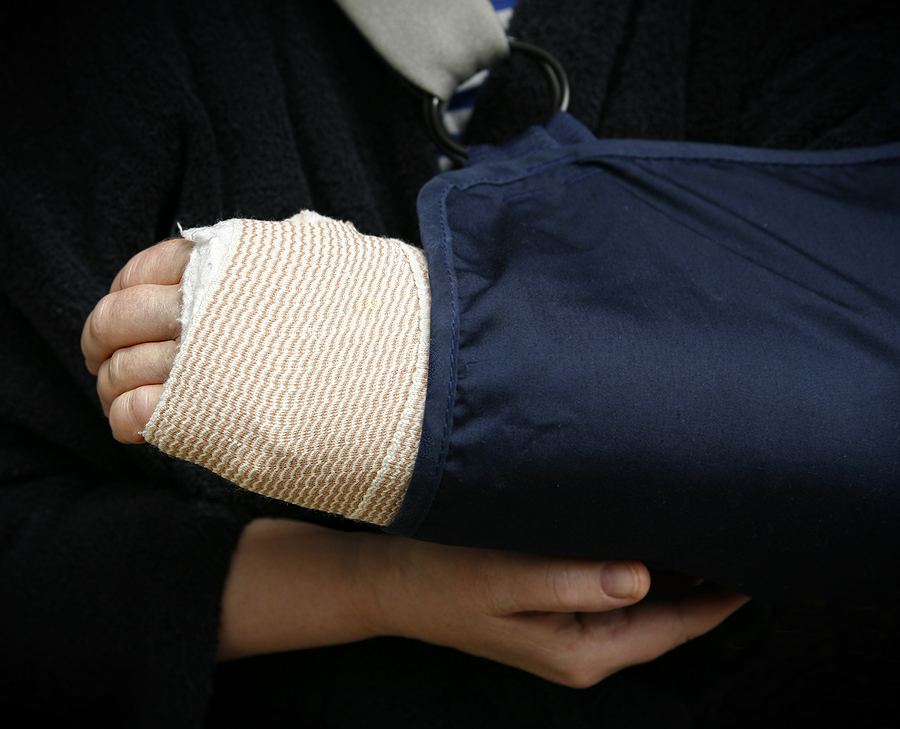
The sound of a bone snapping is something you never forget. Whether it happened during a car accident, a slip on an icy sidewalk, or a fall at a construction site, the immediate physical pain is often overwhelming. But once the initial shock wears off and the cast is on, a new reality sets in. You are facing medical bills, missed time at work, and a painful recovery process that could take months.
If your injury was caused by someone else’s negligence, you shouldn’t have to shoulder that financial burden alone. Indiana law provides a pathway for victims to seek compensation for their losses. However, navigating the legal system while trying to heal can feel like a full-time job.
This guide breaks down exactly what you need to do to file a personal injury claim for a broken bone in Indiana. From gathering the right evidence to understanding the strict deadlines set by state law, we will walk you through the process so you can focus on what matters most—your recovery.
What to Do Immediately After a Broken Bone Injury?
The actions you take in the minutes and days following your injury can significantly impact the success of your claim.
1. Seek medical attention
Your health is the priority. Even if you think you just have a bad bruise, you must see a doctor immediately. Adrenaline can mask pain, and walking on a fracture can cause permanent damage. Furthermore, seeing a doctor creates an official medical record linking your injury directly to the accident. Without this documentation, insurance companies often argue that the injury happened later or wasn’t serious.
2. Document everything
Start a file immediately. Keep every discharge paper, prescription receipt, and instruction sheet you receive from healthcare providers. Write down how the injury affects your daily life—can you drive? Can you sleep? Can you pick up your children? These details help establish the “pain and suffering” portion of your claim.
How to Gather Evidence for a Broken Bone Injury Claim?
To win a personal injury claim, you must prove that another party was negligent. This requires solid evidence.
Accident reports
If police arrived at the scene of a vehicle crash, obtain paperwork showing what the police report number will be. Your attorney can then obtain a copy of the official police report once it is finalized . If you slipped in a store or business, ensure the manager files an incident report and ask for a copy. These reports provide an objective timeline of the event and oftentimes list contact data for witnesses.
Medical records
Your medical records are the backbone of your case. For broken bones, diagnostic imaging is undeniable proof. Ensure you have copies of:
- X-rays, MRIs, and CT scans.
- Emergency room admission notes.
- Surgical reports if pins, plates, or screws were required.
- Physical therapy plans and progress notes.
Witness statements
Independent witnesses are incredibly valuable because they have no stake in the outcome of your claim. If anyone saw the accident, get their names and phone numbers immediately. Your personal injury attorney can contact them later to obtain a formal statement.
Photos and videos
Visual evidence is compelling. Take photos and videos of the hazard that caused your injury (like a wet floor or a crumpled car bumper). Also, document your physical injuries. Photographs of bruising, swelling, casts, and surgical scars help a jury or insurance adjuster understand the severity of your trauma.
What Types of Compensation Can You Claim in Indiana?
A broken bone can cost thousands of dollars to treat, but the financial impact often goes beyond the hospital bill. Indiana law allows you to seek damages for various losses.
Medical expenses
This includes past and future costs. You can claim compensation for the ambulance ride, emergency room visit, surgery, anesthesia, and medication. Crucially, if your injury requires future surgeries (such as hardware removal) or long-term physical therapy, those projected costs should also be included in your settlement.
Lost wages
If you cannot work while your bone heals, you are entitled to compensation for lost income. This applies to hourly wages, salaries, and used sick days or vacation time. If the injury results in a permanent disability that limits your ability to perform your job in the future, you may also claim “loss of earning capacity.”
Pain and suffering
These are “non-economic” damages. They compensate you for the physical pain and emotional distress caused by the injury. Factors influencing this amount include the severity of the break (e.g., a compound fracture vs. a hairline fracture), the length of recovery, and whether the injury led to depression or anxiety.
What Is Indiana’s Statute of Limitations for Personal Injury Claims?
Time is a critical factor in legal claims. Under Indiana Code § 34-11-2-4, you generally have two years from the date of the accident to file a personal injury lawsuit. If you miss this deadline, the court will likely dismiss your case, and you will be barred from recovering compensation.
Important Exception: Government Claims
If your injury was caused by a government entity—for example, a city bus hit you, or you tripped on a broken sidewalk maintained by the city—the timeline is much shorter.
- Political Subdivisions (Cities/Counties): You must file a Tort Claim Notice within 180 days (Ind. Code § 34-13-3-8).
- State of Indiana: You must file a Tort Claim Notice within 270 days (Ind. Code § 34-13-3-6).
Failure to file this specific notice on time will destroy your claim, even if the two-year statute of limitations hasn’t passed.
Why Should You Consult an Indianapolis Personal Injury Attorney?
Having legal representation results in a better outcome, especially when dealing with aggressive insurance adjusters.
Understand your rights
Indiana laws regarding fault and damages are complex. An attorney ensures you don’t accidentally accept a settlement that is far lower than what you are entitled to by law.
Negotiate with insurance companies
Insurance companies are businesses aiming to minimize payouts. They may offer a quick “lowball” settlement before you even know the full extent of your medical needs. An attorney handles all communication with the insurer, preventing them from pressuring you into a bad deal.
Maximize your compensation
Attorneys work with medical experts and economists to calculate the true value of your claim. They ensure that future medical needs and long-term impacts on your quality of life are factored into the final demand.
Free Case Review
Most reputable personal injury firms in Indianapolis operate on a contingency fee basis. This means they offer a free case review and only get paid if they win your case. There is no financial risk to you for seeking professional advice.
FAQs
What if the accident was partly my fault?
Indiana follows a “modified comparative fault” rule (Ind. Code § 34-51-2-6). This means you can still recover damages as long as you are not more than 50% at fault. However, your compensation will be reduced by your percentage of fault.
- Example: If your damages are $100,000 but you were 20% at fault, you would receive $80,000.
- Warning: If you are found to be 51% or more at fault, you are barred from recovering anything.
How much is my claim worth?
There is no universal calculator, but settlement values depend on:
- The type of fracture (simple vs. comminuted).
- The amount of medical bills.
- Whether surgery was required.
- Whether you made a full recovery or have permanent limitations.
- How the injury negatively affected your life and to what degree.
What if the insurance company denies my claim?
A denial is not the end of the road. Insurance companies often deny claims hoping you will give up. An attorney can review the denial letter, gather additional evidence to prove liability, and file a lawsuit if necessary to force the insurer to the negotiating table. A jury determines liability, not a defendant’s insurance company.
Quick Recap:
- Seek Medical Attention: Prioritize your health and create a paper trail.
- Gather Evidence: Collect reports, records, photos and witness info.
- Know the Deadlines: You have two years generally, but only 180 days for city/county claims.
- Consult with and Hire an Attorney: Protect your rights and ensure fair compensation. You should get an honest opinion on whether or not you have a good claim.
Moving Forward After an Injury
Suffering a broken bone due to someone else’s negligence acts as a major interruption to your life. The physical pain is difficult enough without the added stress of mounting bills and legal confusion. Understanding your rights and taking the necessary steps to file a personal injury claim is crucial for your long-term well-being.
If you or a loved one has suffered a fracture in Indianapolis, you do not have to navigate this complex legal landscape alone. Contact our team today to Book a Free Case Review to ensure you receive the full compensation you deserve.
Related Post: Orthopedic Injury Lawsuits in Indiana: What You Need to Know