
Dogs bring joy and companionship to countless households, but an unexpected attack can leave you with painful injuries and emotional trauma. An unprovoked dog bite is not just a frightening experience; it is an event that can require emergency medical treatment, long-term care, and significant time away from work.
When an animal attacks, victims are often left wondering who is responsible for their medical bills and lost wages and pain and suffering and scarring. Indiana has specific legal statutes that govern animal attacks, and determining fault depends heavily on the exact circumstances of the incident.
Understanding how liability works is crucial for maintaining your physical health and protecting your financial well-being. This guide breaks down what you need to know about your rights, the steps to take after an attack, and how you can recover the compensation you deserve.
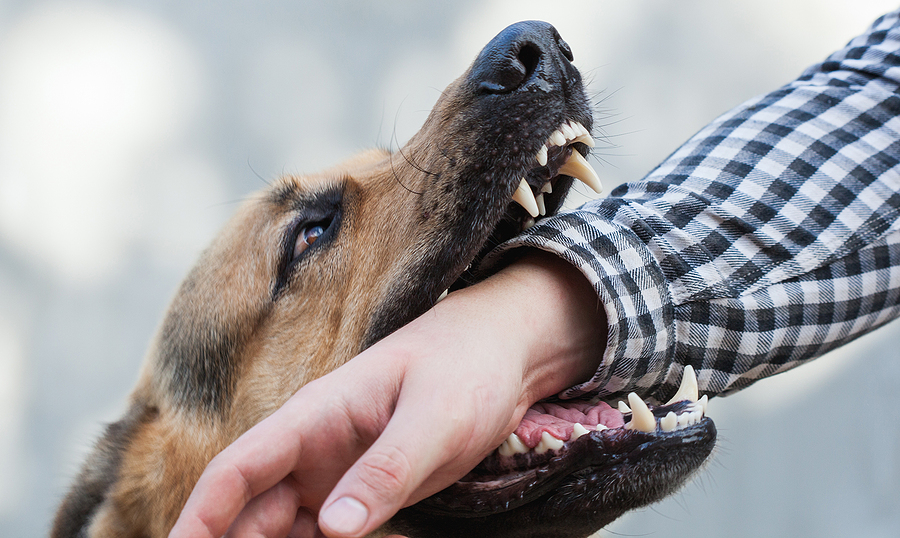
What to Do After an Indiana Dog Bite Incident
Taking immediate action after a dog attack is vital for your health and any future legal claims. Here are the critical steps you should take.
1. Seek Immediate Medical Attention
Your health is always the top priority. Dog bites are highly susceptible to infection, including rabies and tetanus, and can cause severe tissue damage. Go to an emergency room or urgent care clinic immediately, even if the wound seems minor. A formal medical record also serves as crucial evidence of your injuries.
2. Identify the Dog and Owner
If it is safe to do so, try to identify the dog and locate its owner. Ask for the owner’s name, address, and phone number. Additionally, request the dog’s veterinary records to confirm its rabies vaccination status. Your attorney can do this for you.
3. Gather Evidence
Documenting the scene helps preserve the facts. Take clear photographs or videos of your injuries, the location where the attack occurred, and the dog itself if possible. If there were any witnesses, collect their names and contact information, as their statements could be invaluable later.
4. Report the Incident
Contact your local animal control agency or the police department to report the bite. Filing an official report creates a documented trail of the incident and helps authorities ensure the dog does not pose a continuing threat to the community.
5. Contact an Indiana Dog Bite Lawyer
Before speaking with the dog owner’s insurance company, consult with a legal professional. An experienced dog bite attorney can help you protect your rights and guide you through the claims process.
Indiana Dog Bite Law: Recognizing Your Rights
Indiana handles dog bite liability through a mix of statutory law and common law principles. Knowing which standard applies to your situation is essential.
“One Bite” Rule vs. Strict Liability
Indiana generally follows the “one-bite rule” for most dog bite cases. Under this rule, a dog owner is usually liable for injuries only if they knew, or should have known, that the dog had a history of vicious behavior (such as a previous bite or other aggressive behavior). If the victim can prove the owner acted negligently by failing to restrain the dog properly, they may also recover damages.
However, Indiana enforces strict liability under specific circumstances (Indiana Code 15-20-1-3). If a dog bites someone who is carrying out their official duties—such as a postal worker or police officer—the owner is automatically held liable, regardless of the dog’s past behavior, provided the victim was acting peaceably and did not provoke the animal.
Statute of Limitations for Dog Bite Claims in Indiana
Time is of the essence when pursuing a legal claim. In Indiana, the statute of limitations for personal injury cases, including dog bite injuries, is two years from the date of the incident. If you fail to file a lawsuit within this two-year window, you will likely lose your right to recover compensation entirely.
Who Can Be Held Liable?
► Dog Owner Liability
The primary party responsible in most cases is the dog’s owner. They are expected to maintain control over their animal and prevent it from harming others.
► Harborer or Keeper Liability
Liability is not strictly limited to the legal owner. Anyone who was responsible for “harboring” or “keeping” the dog at the time of the attack—such as a dog sitter, dog walker, or a family member looking after the pet—can also be held legally responsible if their negligence led to the bite.
► Landlord Liability
Holding a landlord accountable for a tenant’s dog is difficult in Indiana, but not impossible. A landlord may be held liable if they had actual knowledge of the dog’s dangerous propensities and had sufficient control over the property to require the removal of the animal but failed to act.
Damages You Can Recover in an Indiana Dog Bite Claim
A severe dog bite can impact multiple areas of your life. Through a personal injury claim, you can seek compensation for various damages.
Medical Expenses
You can claim reimbursement for all past and future medical costs related to the bite. This includes emergency room visits, surgeries, medications, rabies shots, physical therapy, and necessary psychological counseling.
Lost Wages
If your injuries require you to miss work, you can recover compensation for your lost income. If the injury causes long-term disability, you may also claim a loss of future earning capacity.
Pain and Suffering
Dog attacks are incredibly traumatic. You can seek damages for the physical pain and emotional distress you endured during and after the attack, including anxiety, PTSD, and a new fear of dogs.
Other Damages
In cases involving severe disfigurement or permanent scarring, victims can pursue additional compensation. If the dog owner’s actions were particularly reckless or intentional, punitive damages might also be awarded to punish the wrongdoer.
Common Defenses in Indiana Dog Bite Cases
Dog owners and their insurance companies often use specific legal defenses to reduce or avoid paying out claims.
Provocation
If the dog owner can prove that the victim provoked the dog—by hitting, teasing, or abusing the animal—they may avoid strict liability. A dog simply defending itself from active harm is a strong defense.
Trespassing
Property owners have a duty of care to lawful visitors. If the victim was trespassing on private property at the time of the attack, the dog owner’s liability is significantly reduced, and it becomes much harder for the victim to recover damages.
Assumption of Risk
This defense argues that the victim knowingly put themselves in a dangerous situation. For example, if someone ignores a prominent “Beware of Dog” sign and enters a fenced yard anyway, the owner might argue the victim assumed the risk of being bitten.
Comparative Fault
Indiana follows a modified comparative fault rule (the 51 percent rule). This means that if you are found to be partially at fault for the incident (e.g., you ignored a warning), your compensation will be reduced by your percentage of fault. If you are found to be 51 percent or more responsible for the attack, you cannot recover any damages at all.
Why You Need an Experienced Indiana Dog Bite Lawyer
Taking on an insurance company by yourself while recovering from injuries is a stressful battle. Having strong legal advocacy on your side can make all the difference.
Understanding Complex Laws
Determining whether your case falls under strict liability or the one-bite rule requires a deep understanding of Indiana statutes and case law. A lawyer can evaluate the nuances of your case and choose the best legal strategy.
Gathering and Preserving Evidence
Attorneys know exactly what evidence is needed to document a compelling claim. They can locate witnesses, obtain vet records, hire medical experts, and secure animal control reports to prove liability.
Negotiating with Insurance Companies
Insurance adjusters often try to settle claims quickly and for far less than they are worth. An experienced lawyer will handle all communications and negotiate aggressively to ensure you receive a fair settlement that covers all your damages.
Representing You in Court
While many dog bite claims settle out of court, some defendants refuse to offer a fair payout. If your case needs to go to trial, your attorney will present your case to a judge or jury, advocating fiercely on your behalf.
FAQs About Indiana Dog Bite Attacks
Does my neighbor’s homeowners insurance cover dog bites?
Yes, in most cases, homeowners or renters insurance policies provide liability coverage for dog bites. Your claim will likely be filed against the dog owner’s insurance policy, rather than pursuing the neighbor’s personal bank account.
Do I have a case if the dog has never bitten anyone before?
You might. While the “one-bite rule” generally protects owners if the dog had no history of aggression, you can still win your case if you can prove the owner was negligent (e.g., letting the dog roam off-leash in violation of local ordinances).
What if my child was bitten by a friend’s dog?
Children are frequent victims of dog bites. You can file a claim on your child’s behalf against the friend’s homeowners insurance. Insurance is specifically designed to cover these exact accidents, helping to pay for the child’s medical care and emotional recovery.
Get the Legal Support You Deserve
A dog bite can abruptly change your life, burdening you with medical debt and physical pain. You do not have to carry this burden alone. By understanding Indiana’s dog bite laws and taking immediate, decisive action, you can protect your legal rights and secure the financial resources you need to heal.
If you or a family member has been injured by an aggressive dog, our legal team is here to help. Schedule a free case evaluation with an experienced dog bite lawyer in Indianapolis today and let us help you fight for the compensation you rightfully deserve.
Related Post: Understanding Your Legal Rights After a Canine Attack in Indiana